

Buying a used car can be a big decision. If you’re considering a Honda Fit, you probably already know it’s famous for reliability, great fuel economy, and clever design. But not every year of the Honda Fit is equally good. Some years have more problems than others, and knowing which years to avoid can save you money and frustration. In this guide, you’ll learn which Honda Fit years have the most issues, why these problems happen, and what to look for if you want a dependable used Fit.
While the Honda Fit is a favorite among budget buyers and city drivers, some model years have hidden issues that can affect your experience. From transmission failures to airbag recalls, certain years are riskier than others. This article will help you understand which Honda Fit years are best avoided, and why.
You’ll get real-world examples, data, and expert advice so you can make a confident choice.
Why Do Some Honda Fit Years Have More Problems?
Car manufacturers improve their vehicles over time, but sometimes they make mistakes or face unexpected challenges. For the Honda Fit, some years saw design changes, new technology, or rushed production. Sometimes, parts suppliers made errors, or the car’s software needed updates. These factors can lead to recalls, frequent repairs, and lower owner satisfaction.
When a new generation of Honda Fit is released, engineers try to add new features and improve performance. But these changes are not always perfect. For example, in some years Honda changed the transmission type or introduced new electronics. If these parts have not been tested enough, problems can show up after a few years of driving.
For example, the first generation Fit (2007–2008) was new to the US and had some teething problems. The second generation (2009–2013) improved many things, but certain years still had trouble spots. The third generation (2015–2020) brought new features, but not all worked smoothly.
Knowing these cycles helps you spot risky years.
Another reason some years have more issues is changes in suppliers. If Honda switches to a new company for airbags or electronics, the quality may drop for a short time. Also, changes in manufacturing locations can affect how well the cars are built.
Sometimes, the pressure to release a new model quickly leads to mistakes that are fixed in later years.
Honda Fit Generations And Key Changes
Before diving into specific years to avoid, it’s helpful to understand the major generations of the Honda Fit:
| Generation | Years | Main Changes |
|---|---|---|
| First (GD) | 2007–2008 | US debut, basic safety, compact design |
| Second (GE) | 2009–2013 | More power, improved interior, better safety |
| Third (GK) | 2015–2020 | New engine, advanced features, upgraded styling |
Each generation brought improvements, but also new risks. Some years within each generation are better than others.
The first generation (2007–2008) was simple and practical, but lacked some modern safety and comfort features. The second generation (2009–2013) added more space, better seats, and stronger engines, which improved driving comfort and handling. The third generation (2015–2020) brought a new engine, a CVT transmission, and more advanced technology like touchscreens and smart safety systems.
However, these upgrades sometimes led to new problems, especially in the first year of each generation.
Honda Fit Years To Avoid: Detailed Breakdown
While the Honda Fit is generally reliable, certain years stand out for repeated complaints, recalls, and costly repairs. Let’s look at these years and the problems that make them risky.
2007 Honda Fit
As the first Fit sold in the US, the 2007 Honda Fit was praised for its design and fuel economy. However, it also had several issues:
- Transmission problems: Owners reported the automatic transmission failing after 60,000–90,000 miles. Repairs can cost $2,500–$4,000.
- Suspension noise: Many complaints about clunking or rattling sounds from the front suspension, especially in cold weather.
- Airbag recalls: The Takata airbag recall affected this year, requiring replacements.
- Paint quality: Some drivers noticed peeling paint after a few years.
These problems are not universal, but they are much more common than in later models. If you find a 2007 Fit, check its service history closely.
Many owners also reported difficulty finding replacement parts for early Fits, since the model was new in the US. This can make repairs slower and more expensive. Another issue in 2007 is the limited safety features compared to newer Fits.
For example, advanced stability control was not available, making the car less safe in emergency situations.
2008 Honda Fit
The 2008 Honda Fit continued the issues of the 2007 model. Key problems included:
- Transmission failures: Similar to 2007, with some reports of sudden loss of power.
- Electrical faults: Dashboard lights and sensors often malfunctioned, leading to expensive diagnostics.
- Airbag recall: Still affected by the Takata recall.
- Fuel pump issues: Rare but reported, leading to stalling.
Many owners found the 2008 Fit affordable but frustrating to maintain. Repairs could add up over time.
Besides these issues, some drivers experienced problems with the door locks and window controls, which could stop working unexpectedly. This is annoying, especially if you live in a rainy or cold area. The 2008 Fit also had complaints about noisy brakes, even after replacing brake pads.
If you test drive this year, listen carefully for any unusual sounds.
2015 Honda Fit
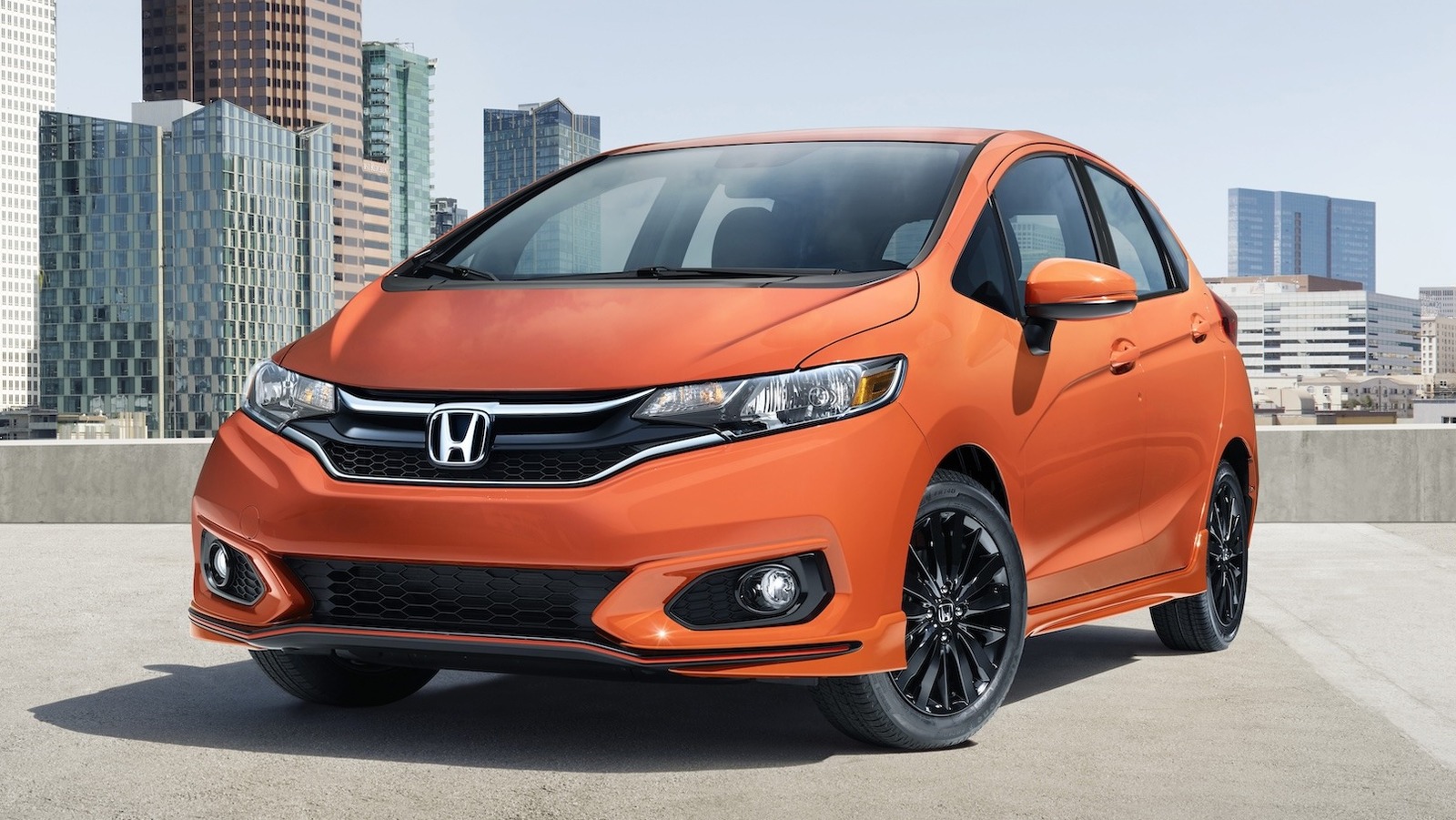
After a break in 2014, the 2015 Honda Fit launched the third generation with a new engine and technology. Unfortunately, this year saw many complaints:
- Transmission shudder: The new CVT (continuously variable transmission) often developed shuddering or hesitation. Fixes ranged from software updates to full transmission replacement.
- Infotainment glitches: The touchscreen was buggy, freezing or rebooting randomly.
- Paint and body issues: Reports of thin paint and easy scratching.
- Fit and finish: Some owners noticed rattles, loose panels, and water leaks.
Honda responded with technical service bulletins, but many issues lingered. The 2015 model is best avoided unless the transmission has been serviced.
Some buyers also noticed that the 2015 Fit had less insulation in the cabin, making road noise more obvious. This can make long drives uncomfortable. Early CVT problems were partly due to owners not following Honda’s strict maintenance schedule. If you find a 2015 Fit, ask if the transmission fluid was changed regularly.
Also, check if the touchscreen software was updated, as this solves some bugs.
2016 Honda Fit
The 2016 Honda Fit improved on some 2015 issues, but problems remained:
- CVT transmission issues: Fewer complaints, but still some shuddering and early failures.
- Infotainment bugs: Continued glitches, though less frequent.
- Interior rattles: Reports of loose trim and buzzing sounds.
While better than 2015, this year can still be risky if maintenance was neglected.
In addition, some 2016 Fit owners found that the rear seats could sometimes jam when folding, making it hard to use the flexible cargo space. There were also minor complaints about the climate control system not blowing cold air as expected.
If you’re considering this year, make sure to check all seat functions and the air conditioning during your test drive.
2019 Honda Fit
Most Fits from 2017–2020 are reliable, but the 2019 Honda Fit had unique problems:
- Fuel system complaints: Some owners reported poor acceleration and rough idling.
- Sensor errors: Lane departure and collision warning sensors sometimes failed, leading to expensive repairs.
- Paint durability: Chipping paint on the hood and roof was common.
Compared to earlier years, these issues are less severe but still worth noting.
One extra detail about the 2019 Fit is that some drivers found the automatic emergency braking system too sensitive, triggering warnings when there was no real danger. This can be distracting, especially in heavy traffic. If you buy a 2019 Fit, test all safety features to make sure they work correctly and are not overly sensitive.
Comparison: Honda Fit Years To Avoid Vs. Reliable Years
To help you see the difference in reliability, here’s a comparison table:
| Model Year | Main Issues | Estimated Repair Cost | Owner Satisfaction |
|---|---|---|---|
| 2007 | Transmission, airbags, suspension | $2,000–$4,000 | Low |
| 2008 | Transmission, electrical, airbags | $2,000–$3,500 | Low |
| 2015 | CVT, infotainment, paint | $1,500–$3,000 | Medium |
| 2016 | CVT, infotainment | $1,000–$2,500 | Medium |
| 2019 | Fuel, sensors, paint | $1,000–$2,000 | Medium-High |
| 2017–2018, 2020 | Minor issues only | $500–$1,500 | High |
Owner satisfaction is highest in years with fewer recalls and lower repair costs. One extra tip: check online reviews for your local area, since climate and road conditions can affect how these issues show up.

Credit: www.copilotsearch.com
What Makes These Years Risky?
It’s important to understand why certain Honda Fit years have more problems:
- New technology: When Honda introduced the CVT and touchscreen in 2015, they hadn’t fully tested these features in real-world conditions. Early models often have bugs or weaknesses.
- Supplier issues: The Takata airbag recall was a supplier problem, not Honda’s fault. But it affected millions of cars, including the Fit.
- Production changes: Shifts in manufacturing location or processes can lead to mistakes, like poor paint quality or misaligned panels.
- Cost-cutting: Sometimes, Honda reduced material quality to save money. This led to thinner paint, cheaper plastics, or lower-quality electronics.
Another detail is the impact of software updates. Some problems, like infotainment bugs or sensor errors, can be fixed by updating the car’s software at the dealer. However, many owners never get these updates, leading to ongoing issues. If you buy a Fit from a risky year, ask the seller if software updates have been completed.
These risks are higher in the years listed above. Later models usually fix these problems.
How To Spot A Problematic Honda Fit
If you’re shopping for a used Honda Fit, here are signs that a car might be from a risky year or have hidden problems:
- Transmission shudder or delayed shifts
- Dashboard warning lights
- Rattles or buzzing noises
- Paint chipping or peeling
- Water leaks in the cabin
- Recall notices not completed
Always check the vehicle history report and ask for service records. Test drive the car and pay attention to how it feels and sounds.
It’s smart to look under the car for signs of fluid leaks, especially near the transmission. Also, open all doors and windows to check for smooth operation. If the dashboard shows any warning lights, ask the seller to explain them, and get a mechanic to check before buying.
Many buyers miss checking the trunk for water leaks, which can cause mold and bad smells.
Credit: www.slashgear.com
What To Do If You Already Own A Risky Fit Year
If you have a Honda Fit from a year with known issues, don’t panic. Many owners drive these cars for years without major trouble. Here’s how to reduce your risk:
- Follow maintenance schedules: Regular oil changes, transmission service, and brake checks help prevent problems.
- Check recalls: Visit the official Honda recall website to see if your car needs free repairs.
- Update software: If your Fit has infotainment or sensor issues, ask a dealer about software updates.
- Inspect for leaks and rattles: Fix small issues before they cause bigger problems.
If you experience transmission shudder, ask a mechanic to check the fluid and software before considering costly repairs. Also, if you notice paint chips, touch them up quickly to prevent rust from spreading. Keeping your Fit clean and dry can reduce problems with electronics and sensors.
Sometimes, preventative care can make even risky years last longer.
Alternatives: Best Honda Fit Years
If you want a reliable Honda Fit, look for these years:
- 2013 Honda Fit: Last of the second generation, with fewer issues and strong owner reviews.
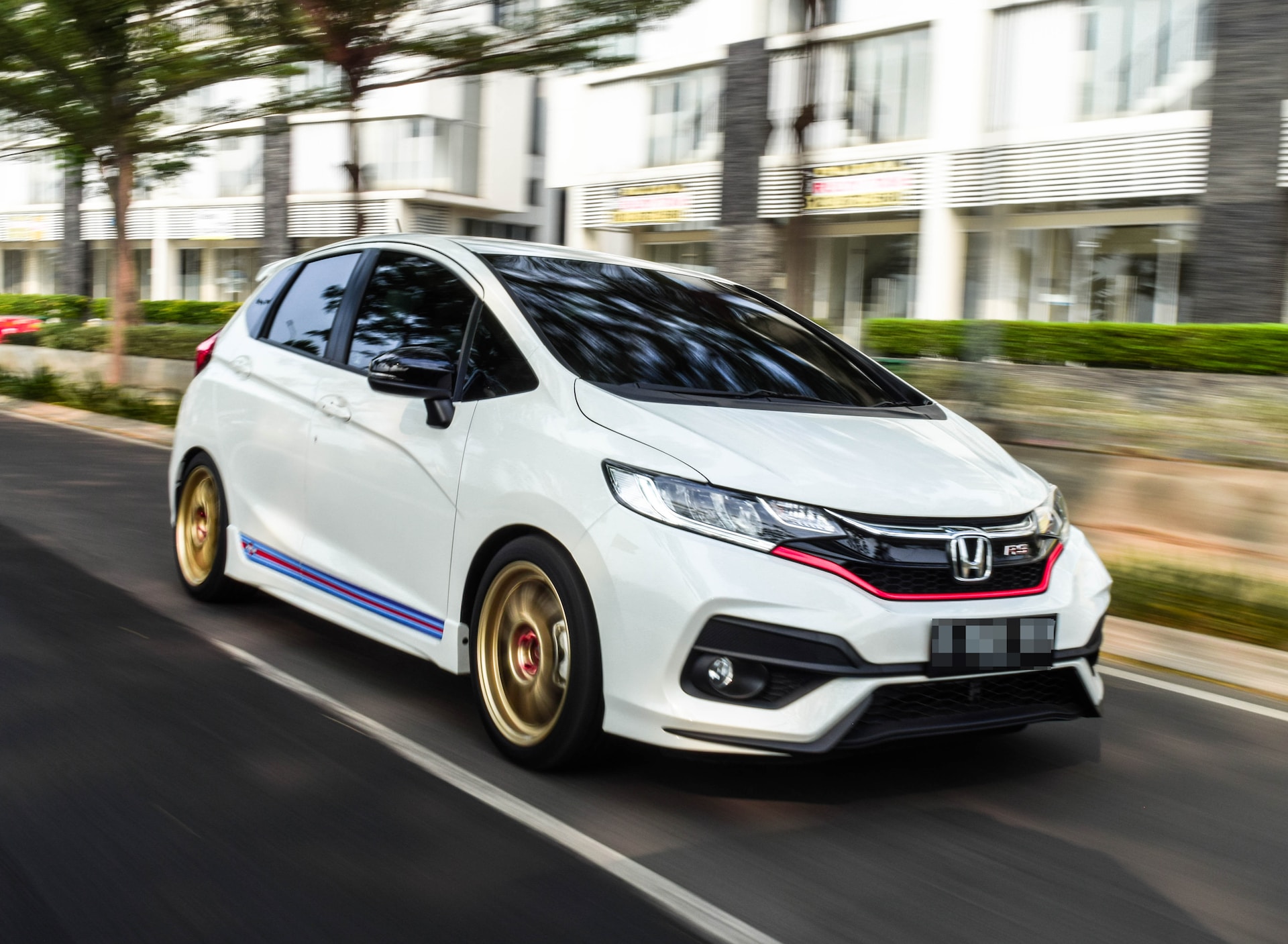
- 2017–2018 Honda Fit: Improved CVT, updated safety features, few complaints.
- 2020 Honda Fit: Final US model, best features, and highest reliability.
These years have the least complaints, lowest repair costs, and best resale value.
Another practical tip: the 2013 Fit still has the traditional automatic transmission, which many mechanics find easier to repair than the CVT. The 2020 Fit has the newest safety technology, like lane keeping and collision warning, making it safer for families.
Credit: www.copilotsearch.com
Real Owner Experiences
Many drivers share their experiences online, showing how different Honda Fit years perform in daily life. Here are a few examples:
- 2008 Fit owner: “My transmission failed at 80,000 miles. It cost almost $3,000 to fix. Wish I’d known about the issue before buying.”
- 2015 Fit owner: “The CVT started shuddering after 50,000 miles. Dealer updated the software, but the problem returned. Ended up trading for a 2018.”
- 2017 Fit owner: “No major issues in three years. Just regular maintenance. Great mileage and lots of space.”
These stories highlight why picking the right year matters.
Some owners of 2013 and 2017 Fits mention that their cars handled snowy roads better than expected, thanks to good traction control. Others note how easy it is to fit large items in the back, making the Fit popular with students and small families.
Common Honda Fit Problems Explained
Even outside the years to avoid, some problems are worth watching for:
- Transmission issues: Early CVTs and automatics can fail if not serviced. Look for fluid leaks and rough shifting.
- Airbag recalls: All first and second-gen Fits may have Takata airbags. Check recall status.
- Suspension noise: Bumpy roads or cold weather can cause rattles or clunks. Often a minor fix.
- Paint problems: Thin paint leads to chips and rust, especially in older models.
- Infotainment bugs: Touchscreens may freeze or reboot. Dealer updates can help.
Some of these issues are easy to fix, others are costly. Knowing which years have the worst problems helps avoid surprises.
A less obvious issue is cabin humidity. Honda Fit interiors can develop mold if water leaks are not fixed quickly. Always check carpets and under seats for dampness. Also, ask if the previous owner used genuine Honda parts for repairs, as third-party parts may cause more problems.
Practical Tips For Buying A Used Honda Fit
If you’re considering a used Fit, follow these steps:
- Pick the right year: Avoid 2007, 2008, 2015, 2016, and 2019 if possible.
- Check service history: Look for regular maintenance and completed recalls.
- Inspect carefully: Check transmission, paint, sensors, and interior for issues.
- Test drive: Listen for rattles, feel for smooth shifts, and test all electronics.
- Get a mechanic’s opinion: A pre-purchase inspection can spot hidden problems.
- Negotiate: If you find minor issues, use them to lower the price.
Many buyers overlook the importance of completed recalls. Make sure all recalls are handled before buying.
When you test drive, drive both on city roads and highways. This helps spot transmission problems and listen for wind noise. Try folding the rear seats and check for cargo space flexibility. If you find small issues like paint chips or rattles, ask the seller for a discount or repairs before closing the deal.
Honda Fit Vs. Other Subcompact Cars
How does the Honda Fit compare to similar cars in reliability? Here’s a quick data table:
| Model | Best Years | Years to Avoid | Common Issues | Owner Satisfaction |
|---|---|---|---|---|
| Honda Fit | 2013, 2017–2018, 2020 | 2007, 2008, 2015, 2016, 2019 | Transmission, paint, sensors | High |
| Toyota Yaris | 2012–2014, 2017–2019 | 2007–2009 | Suspension, air conditioning | Medium-High |
| Nissan Versa | 2015–2017 | 2007–2012 | CVT, brakes, electrical | Medium |
| Ford Fiesta | 2014–2016 | 2011–2013 | Transmission, engine | Medium |
The Honda Fit stands out for space and fuel economy, but knowing which years to avoid is key.
One extra insight: the Fit’s “Magic Seat” system is unique among subcompacts, letting you fold seats in many ways for more cargo space. If you need flexibility, this is a big advantage over competitors.
Non-obvious Insights Most Buyers Miss
Some factors rarely get attention, but they can make a big difference:
- Software updates: Many Honda Fits with CVT or infotainment problems just need a software update. Dealers may offer this for free or cheap, but most owners don’t ask.
- Regional recalls: Some recalls only affect cars in certain states (like Takata airbags). Always check using your VIN and location.
- Resale value: Risky Fit years lose value faster. A 2015 Fit with CVT trouble can sell for $1,000 less than a 2017 Fit in similar condition.
Another insight: cars used mostly in hot or humid climates may show paint and sensor issues faster. Ask the seller where the car was used most of its life. Also, the Fit’s popularity means some risky years are still easy to find—don’t rush, and take time to search for the best year and condition.
These tips can help you avoid hidden costs and get a better deal.
Honda Fit Recall And Reliability Data
According to the National Highway Traffic Safety Administration (NHTSA), Honda Fit recalls are highest in the following years:
- 2007–2008: Airbags, electrical, transmission
- 2015–2016: CVT, infotainment, sensors
Consumer Reports and J. D. Power rate the 2017–2020 Fit as above average for reliability. Owner complaints drop sharply after 2016.
For in-depth recall information, visit the official NHTSA website.
If you check a used Fit’s VIN, you can see a full list of recalls and service bulletins. Many dealers will fix open recalls for free, even if you buy from a private seller. This step is often missed by buyers who rush the process.
Frequently Asked Questions
Are Honda Fits Reliable Overall?
Yes, most Honda Fit models are very reliable. The majority of Fits run for 150,000–200,000 miles with regular maintenance. Problems are more common in the years listed above, but most Fits have fewer issues than competitors.
How Can I Check If A Honda Fit Has Recalls?
You can check recalls by entering the car’s VIN on the official Honda website or the NHTSA site. Dealers will fix recalls for free. Always check before buying.
Is The Honda Fit Cvt Transmission A Big Risk?
The CVT in 2015–2016 Fits is more likely to develop shudder or fail early. Later models improved the design. Regular fluid changes and software updates help prevent problems.
What’s The Best Honda Fit Year For Used Buyers?
The 2013, 2017–2018, and 2020 Honda Fit are the safest bets. They have the fewest complaints, best resale value, and highest owner satisfaction.
Does The Honda Fit Hold Its Value?
Yes, the Honda Fit has strong resale value—especially in reliable years. Risky years lose value faster. Choosing a good year helps you keep more money when selling later.
Finding the right Honda Fit is easier when you know which years to avoid. By focusing on reliable models and checking for recalls and maintenance, you can enjoy one of the best subcompact cars on the market without worrying about hidden surprises.
The Honda Fit’s smart design and lasting quality make it a favorite among used buyers—just make sure you pick the right year for your needs.