

The Acura Integra has long held a strong reputation among car enthusiasts and daily drivers. Known for its sporty handling, reliability, and value, the Integra became a favorite in the compact car segment from its launch in the 1980s. But not every Integra model year has the same quality.
Some years saw recurring mechanical issues, expensive repairs, or disappointing features. If you’re thinking about buying a used Acura Integra, it’s smart to learn which years to avoid and why. This way, you can make a confident decision and avoid costly surprises.
In this guide, you’ll discover which Acura Integra years are best left off your shopping list. We’ll look at specific model years, explain what went wrong, and offer insight to help you spot hidden problems. Real owner experiences, expert opinions, and recall data form the backbone of this article.
You’ll also find tables comparing reliability scores, a brief look at the Integra’s history, and practical advice for anyone considering this classic car.
Understanding The Acura Integra’s Legacy
The Acura Integra was introduced to the U.S. market in 1986 as a sporty, premium compact car. It quickly gained a following for its nimble handling, lightweight chassis, and high-revving engines. Through four generations (1986-2001, with a revival in 2023), the Integra became a symbol of Honda’s engineering.
But even the most reliable brands have missteps. Over the years, certain Integras suffered from mechanical issues, quality control problems, or poor features. Understanding the Integra’s timeline helps you see patterns and spot riskier model years.
A Quick Timeline
- First Generation (1986–1989): Known for simplicity and strong reliability.
- Second Generation (1990–1993): Gained more power and a sportier design.
- Third Generation (1994–2001): Most popular, especially in performance trims like the GS-R and Type R.
- Fourth Generation (2023–present): A modern return after a 20-year gap.
Each generation brought improvements, but also a few notable issues. Let’s focus on the years that commonly cause trouble.
Acura Integra Years To Avoid
Not all Integra years are created equal. Based on owner reports, mechanical data, and market analysis, these years stand out for frequent or costly problems.
1990 Acura Integra
The 1990 model marked the start of the second generation. While it improved on performance, this year is known for several early production problems.
- Electrical failures: Many owners reported problems with power windows, dashboard lights, and faulty alternators.
- Rust issues: Poor rustproofing led to premature corrosion, especially in colder climates.
- Transmission glitches: Some automatic transmissions failed before 100,000 miles.
- Low resale value: Due to these problems, the 1990 model typically sells for less than later years.
1992 Acura Integra
By 1992, Acura had fixed some early problems, but new issues appeared.
- Head gasket leaks: This year saw a spike in head gasket failures, leading to oil leaks and overheating.
- Cracked dashboards: Sun exposure often caused the dashboards to split and crack.
- ABS problems: The anti-lock braking system was unreliable, sometimes engaging randomly or failing when needed.
1994 Acura Integra
The third generation launched in 1994 with a new design and engine. But the first year of any new generation can bring surprises.
- Paint quality: Many 1994 Integras suffered from peeling clear coat and fading paint, even with regular washing.
- Sunroof leaks: Poor seal design caused rainwater to leak into the cabin.
- Premature clutch wear: Manual transmission models sometimes needed new clutches at 60,000 miles or less.
1996 Acura Integra
By 1996, most issues were minor, but one major concern appeared:
- Distributor failures: The ignition distributor often failed, leaving drivers stranded. This was expensive to fix and sometimes required dealer-only parts.
- O2 sensor issues: Faulty oxygen sensors led to poor fuel economy and “Check Engine” lights.
2000 Acura Integra
Near the end of the third generation, the 2000 model year saw several complaints:
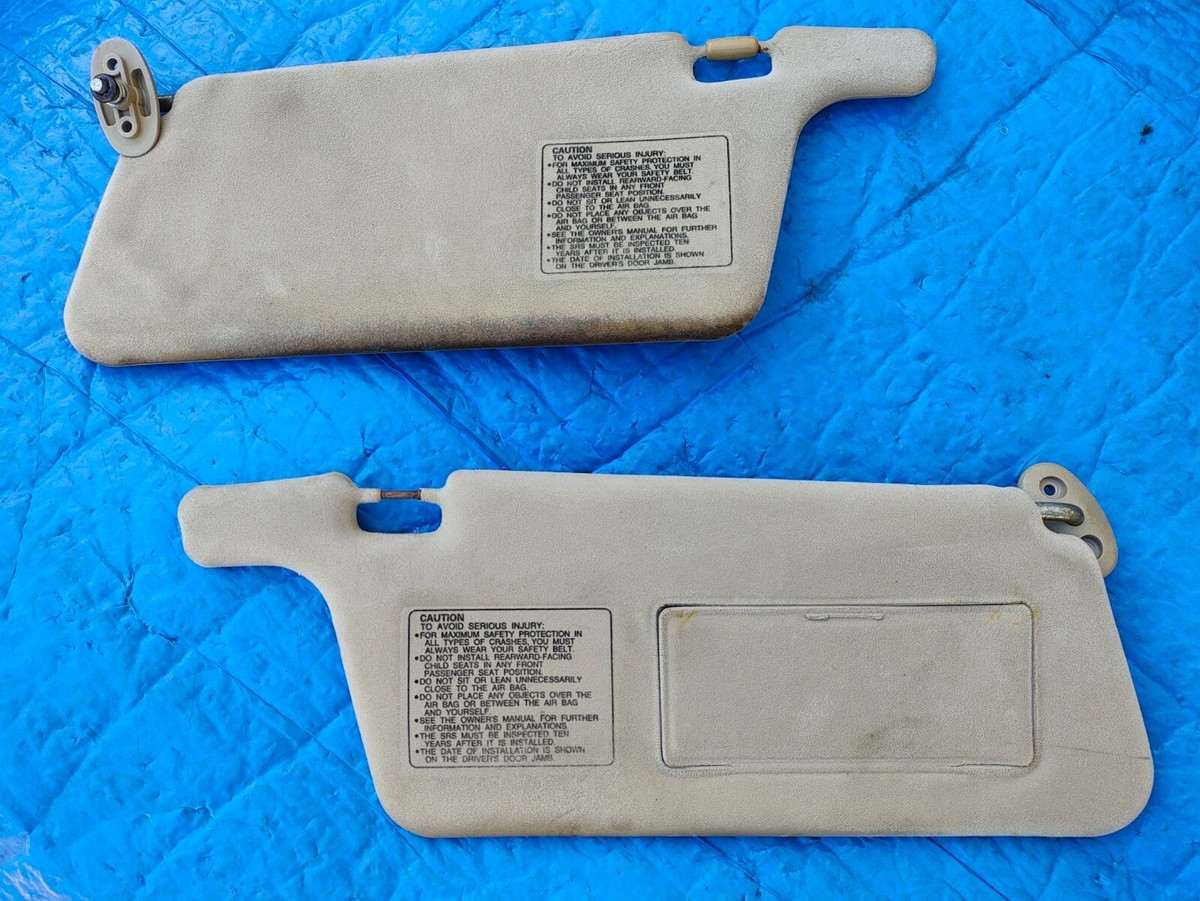
- Airbag recalls: Some airbags did not deploy properly, leading to a major recall.
- Engine oil leaks: Gaskets and seals degraded quickly, causing messy leaks.
- Cracked engine mounts: Engine vibration increased as mounts broke down faster than usual.
2023 Acura Integra
The return of the Integra in 2023 excited many fans, but as a new model, it showed some teething problems.
- Infotainment glitches: Many users reported unresponsive touchscreens and software bugs.
- Wind noise: At highway speeds, wind noise was higher than expected for a modern premium car.
- Transmission complaints: The new CVT (continuously variable transmission) was not as smooth or sporty as buyers hoped.
Why Avoid These Model Years?
It’s not just about minor annoyances—these years often have problems that cost thousands to fix or lead to unsafe driving. Some issues, like head gasket leaks or airbag failures, affect the car’s reliability and your safety. Others, like electrical or infotainment bugs, reduce the enjoyment of owning an Integra.
Hidden Costs
While older Integras (especially from the 1990s) are affordable to buy, repairs can add up quickly. For example, a 1996 Integra with a failed distributor can cost $800–$1,200 to repair. A sunroof leak in a 1994 model might seem minor, but water damage inside the car can lead to mold and electrical failures.
Impact On Resale Value
Cars with common, expensive problems lose value faster. Even if you fix these issues, buyers will be wary, driving prices down. If you plan to resell your Integra later, choosing a trouble-prone year can cost you more in the long run.
Reliability Ratings By Year
To see how different Integra years compare, here’s a summary of owner-reported reliability scores (1 = Poor, 5 = Excellent):
| Model Year | Reliability Score | Common Issues |
|---|---|---|
| 1990 | 2.5 | Electrical, rust, transmission |
| 1992 | 2.8 | Head gasket, dashboard, ABS |
| 1994 | 2.9 | Paint, sunroof, clutch |
| 1996 | 3.0 | Distributor, O2 sensor |
| 2000 | 3.1 | Airbags, oil leaks, engine mounts |
| 2023 | 3.3 | Infotainment, wind noise, CVT |
Notice that most issues cluster in the first year of each new generation, or near the end of a long production run.
Best Acura Integra Years
It’s not all bad news. Some Integra years are famous for their reliability and driving enjoyment. If you want a hassle-free experience, look for these years:
- 1998–1999: These models had most previous bugs fixed and offer strong reliability.
- 1995: A solid year with fewer complaints and affordable prices.
- 1997: Known for its balance of value and dependability.
- 2001: The last year of the third generation is highly sought after for its mature design and reliability.
These years have fewer recalls, better owner reviews, and lower repair costs.
Common Problems In The Worst Integra Years
Even within a “bad” model year, not all cars will have every problem. But some patterns are clear.
Electrical Failures
Early 1990s Integras had issues with power windows, dashboard lights, and alternators. These aren’t just annoying—they can leave you stranded or unable to use important features.
Engine And Transmission
Head gasket leaks (1992), engine oil leaks (2000), and premature clutch wear (1994) can lead to expensive repairs. Transmission failures, especially in automatics from the early 1990s, are another costly problem.
Rust And Body Issues
Rust was a major issue in 1990 and 1994 models, especially in states that use road salt. Paint quality also suffered, with clear coat peeling and sunroof leaks causing water damage.
Airbag And Safety Recalls
The 2000 Integra was affected by airbag recalls. This is not a problem you want to ignore, as it could put you at risk during an accident.
Infotainment And Technology
The 2023 Integra, while modern, has struggled with infotainment bugs, unresponsive screens, and noisy cabins. These issues are less likely to strand you, but they lower the premium feel of the car.
How To Spot A Problematic Acura Integra
If you’re shopping for a used Integra, these steps can help you avoid buying a lemon.
- Check for Recalls: Use the car’s VIN on the NHTSA website to see if recalls have been completed.
- Get a Pre-Purchase Inspection: Have a trusted mechanic look for signs of leaks, rust, or electrical problems.
- Look for Service Records: Well-maintained cars are less likely to have major problems.
- Test All Features: Try every button, especially windows, sunroof, infotainment, and lights.
- Inspect the Undercarriage: Rust often hides under the car, especially in older models.
- Listen for Noises: Odd sounds from the engine, transmission, or suspension can signal trouble.
Ownership Costs: Bad Years Vs. Good Years
Buying a cheaper, trouble-prone Integra may seem smart—until repair bills start stacking up. Here’s a basic cost comparison (average over 5 years):
| Model Year | Average Purchase Price | 5-Year Maintenance Cost |
|---|---|---|
| 1990 (problematic) | $2,500 | $3,400 |
| 1998 (reliable) | $4,000 | $2,100 |
| 2000 (problematic) | $3,000 | $3,100 |
| 2001 (reliable) | $4,500 | $1,900 |
| 2023 (new, mixed) | $32,000 | $2,800 |
Non-obvious insight: Sometimes, paying more upfront for a reliable year saves you money over time. Lower purchase price can hide higher repair costs.

Credit: www.seatcoversolutions.com
Real Owner Stories
Hearing from actual Integra owners can reveal problems not obvious in technical reviews.
Case 1: 1994 Integra
“I bought my ’94 Integra for $2,700. At first, it was great, but after a year, the sunroof started leaking. Then the paint on the roof peeled off. Fixing the sunroof cost $500, and the new paint job was over $1,000.
I wish I’d checked for leaks before buying. ”
Case 2: 1996 Integra
“My ’96 Integra left me stranded twice because the distributor failed. It cost $900 to fix, and the part had to be ordered. I later found out this was a common problem. The car drove well otherwise, but I always worried it would happen again.
”
Case 3: 2023 Integra
“I love the new design, but the touchscreen froze three times in the first month. The dealer updated the software, but it still acts up sometimes. Also, there’s a lot of wind noise on the highway. I expected better for a new car.
”
These stories highlight why it’s important to check for common issues and read owner reviews before buying.
The Impact Of Recalls
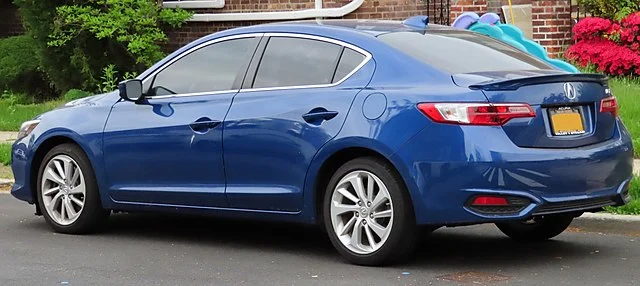
Recalls can be a sign of deeper trouble. For example, the 2000 Integra was affected by the Takata airbag recall, which involved millions of cars across many brands. If a used Integra still has an open airbag recall, you may struggle to get it registered or insured.
Always check a car’s recall status before you buy. Most repairs are free at the dealer, but older cars may miss out if parts are no longer available.
Credit: www.copilotsearch.com
Acura Integra Vs. Competitors (by Model Year)
How does the Integra compare to similar cars like the Honda Civic, Toyota Corolla, or Mazda Protegé? Here’s a look at reliability scores for the 1990s:
| Model Year | Acura Integra | Honda Civic | Toyota Corolla | Mazda Protegé |
|---|---|---|---|---|
| 1990 | 2.5 | 3.2 | 3.8 | 3.0 |
| 1994 | 2.9 | 3.5 | 4.0 | 3.2 |
| 1998 | 4.0 | 4.2 | 4.5 | 3.7 |
| 2000 | 3.1 | 3.7 | 4.1 | 3.5 |
The Integra’s best years match top competitors, but its worst years lag behind. Reliability matters when choosing a used compact car.
What To Do If You Already Own A Problematic Year
If you already have an Integra from a “bad” year, it’s not all doom and gloom. Here are some steps to manage risk:
- Stay ahead on maintenance: Follow the owner’s manual and replace parts before they fail.
- Fix recalls ASAP: Check for open recalls and get repairs done at the dealer.
- Use quality parts: Cheap replacement parts can make problems worse.
- Keep records: Detailed maintenance history helps if you decide to sell.
- Budget for repairs: Set aside savings for major fixes, especially if you rely on the car daily.
Credit: www.ebay.com
Non-obvious Tips For Shopping Used Integras
Beyond the usual advice, here are two extra tips that most buyers miss:
- Check for aftermarket modifications: Many Integras were modified for racing or appearance. While some upgrades are fine, poorly installed aftermarket parts can hide damage or cause reliability problems. Always ask for documentation of any modifications.
- Inspect interior electronics: Older Integras sometimes have hidden electrical problems. Test the stereo, climate controls, and any add-ons. Small electrical issues can quickly become bigger headaches.
When Is A “bad Year” Still Worth Considering?
Sometimes, a problematic model year is still a good value—if it’s been fully repaired and the price is right. For example, if a 1994 Integra has a new clutch, fixed sunroof, and no rust, it could be a fun, affordable car.
Always compare repair history and price with other models before making a final choice.
The Future Of The Acura Integra
The Integra’s 2023 revival shows that the name still carries weight. Acura is likely to fix early bugs in future model years, just as they did in the past. If you’re interested in a new Integra, waiting a year or two might mean better reliability and more features for your money.
For older Integras, the best years are becoming collector’s items, especially the Type R and GS-R. Prices for clean, low-mileage examples are rising. If you find a well-cared-for Integra from a good year, it can be both a fun drive and a smart investment.
Frequently Asked Questions
Which Acura Integra Year Is The Most Reliable?
The 1998 Acura Integra is often rated as the most reliable. This year had few mechanical issues, strong owner reviews, and affordable maintenance. The 2001 model is also a top choice if you want the newest version before the long production gap.
Are Acura Integras Expensive To Maintain?
Most Acura Integras have reasonable maintenance costs, especially compared to European sport compacts. However, bad years (like 1990, 1994, and 2000) can be expensive due to unique problems like electrical failures or engine leaks. Choosing a good year can save $1,000 or more over five years.
Is The 2023 Acura Integra A Good Buy?
The 2023 Integra is exciting, but early models have infotainment and noise issues. If you want the newest features, it’s a decent choice, but waiting for the 2024 or 2025 models may bring better reliability. Always check for software updates if you buy the 2023.
How Do I Check If An Integra Has A Recall?
Use the car’s VIN on the NHTSA recall website. This tool shows all open recalls and whether repairs were completed. Always check before buying a used Integra.
What Should I Avoid When Buying A Used Integra?
Avoid cars with unresolved recalls, rust issues, major oil leaks, or poor service history. Be wary of heavily modified Integras unless you can confirm all work was done professionally. Always get a pre-purchase inspection.
If you keep these tips in mind, you’ll be better prepared to find the right Acura Integra and enjoy years of reliable driving. Remember: the Integra is loved for a reason, but a little research goes a long way toward getting the best from this classic car.