Owning a full-size SUV like the GMC Yukon XL is a dream for many families and adventurers. The Yukon XL offers extra cargo space, powerful engines, and a comfortable ride—making it a popular choice for those who need space for people and gear. But not every Yukon XL is made equal. Some model years have serious problems that can cost you money, time, and peace of mind. If you’re thinking about buying a used Yukon XL, knowing which years to avoid can save you from future headaches.
This article will help you make a smart decision. We’ll explore which Yukon XL years have the most trouble, why those problems happen, and what to look for instead. You’ll also find data, real-world examples, and tips that many beginners miss.
By the end, you’ll feel confident about choosing the right Yukon XL for your needs.
What Makes The Gmc Yukon Xl Unique?
The GMC Yukon XL stands out because of its size and versatility. It’s longer than the regular Yukon, offering more cargo room behind the third row. This makes it ideal for large families, road trips, or hauling equipment. The Yukon XL shares its platform with the Chevrolet Suburban, but GMC models usually have more upscale features and options.
A key appeal of the Yukon XL is the blend of luxury and utility. You get a refined interior, strong towing capacity, and modern technology, all wrapped in a spacious package. Many drivers choose the Yukon XL because it can handle both daily commutes and demanding trips, like moving furniture or towing a boat.
Over the years, Yukon XL has seen changes in design, technology, and engines. Some years are known for reliability, while others have issues with transmission, electronics, or build quality. For example, some older models have simple, proven V8 engines, while newer versions focus on fuel efficiency and advanced infotainment.
It’s important to understand these changes before buying.
Another unique feature is the third-row seating that doesn’t sacrifice storage, thanks to the extended body. Families with many children, or those who need to carry strollers, sports gear, and luggage, often find the Yukon XL’s space a game-changer compared to midsize SUVs.
The ability to fold seats for more cargo also adds flexibility.
Why Certain Yukon Xl Years Should Be Avoided
Not every Yukon XL has the same quality. Some years are famous for recalls, mechanical failures, and expensive repairs. These problems can turn your SUV into a money pit. Common issues include:
- Transmission failures
- Engine problems
- Electrical glitches
- Suspension faults
- Air conditioning failures
These problems are not always easy to spot before buying. For example, a transmission might shift smoothly during a test drive but start slipping after a few months. Electrical problems can show up as random warning lights, non-working features, or drained batteries.
Suspension faults may cause uneven tire wear or a noisy ride, and air conditioning failures are especially frustrating in hot climates.
Some of these issues are minor, but others can leave you stranded or cost thousands of dollars to fix. Car complaints, recall data, and owner reviews all point to certain years as risky buys. Even if you find a cheap Yukon XL from one of these years, repair costs can quickly wipe out any savings.
One mistake beginners often make is looking only at the price, not realizing that certain years have hidden risks. Another common oversight is not checking the vehicle’s recall and repair history, which can reveal ongoing issues that haven’t been fixed.
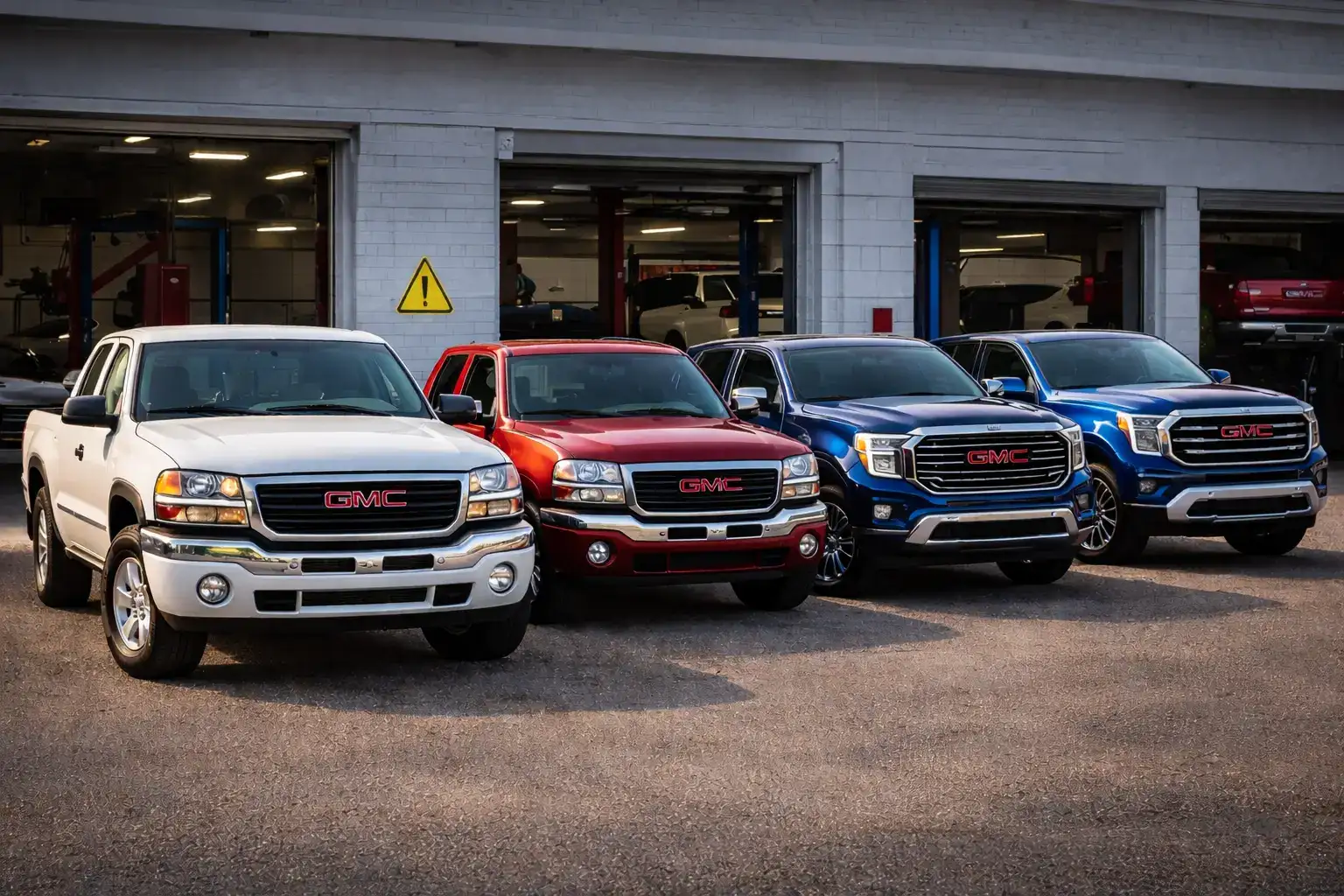
Credit: www.starlingbuickgmcstuart.com
Gmc Yukon Xl Years To Avoid
After careful research and looking at owner reports, recall data, and expert reviews, several Yukon XL years consistently show more problems than others. Here are the main years you should avoid:
1. 2007 Yukon Xl
The 2007 model year is often called one of the worst for Yukon XL. Owners report engine problems, especially with the 5.3L V8. The engine sometimes burns oil quickly, which can lead to low oil levels and damage.
Transmission issues are also common. Many drivers found their Yukon XL shifting poorly or slipping between gears. In some cases, the transmission failed completely and required a full rebuild or replacement.
Electrical problems, like dashboard lights flickering and faulty sensors, add to the headaches. Some owners also mention that the electrical system caused random warning messages or made it hard to start the vehicle. The combination of engine, transmission, and electrical issues means repair bills can add up fast.
2. 2008 Yukon Xl
The 2008 Yukon XL shares many of the same problems as the 2007. The engine still burns oil, and some owners needed expensive repairs after just a few years. Transmission failures are frequent, and many users report the vehicle jerking or not shifting at all.
Air conditioning failures are common, especially in warmer climates. Repairing the AC can be costly because of the complex systems in this year. Many owners also report that the AC stopped blowing cold air suddenly, or that repairs didn’t last long.
In addition to these main issues, some 2008 models have problems with rust, particularly in regions with lots of road salt. Rust can affect brake lines and suspension components, leading to safety risks.
3. 2015 Yukon Xl
The 2015 Yukon XL was part of a redesign, but it came with new problems. Owners report electrical issues like malfunctioning infotainment systems, touchscreen failures, and problems with the backup camera.
Transmission complaints increased, including hard shifting and delayed engagement. Some drivers reported that the transmission would hesitate when accelerating or make loud clunking noises when changing gears. The suspension system was also problematic, leading to a rough ride or uneven tire wear.
Another issue in 2015 models involves the power tailgate, which sometimes fails to open or close properly. This can be annoying if you rely on the extra cargo space and need frequent access to the rear.
4. 2016 Yukon Xl
The 2016 model continued to have electrical and transmission issues. Many drivers experienced engine stalling, which can be dangerous if it happens while driving. Some reports mention that the engine simply shut off at a stoplight or while moving, requiring a full restart.
The fuel system was also faulty, causing misfires and trouble starting the vehicle. Owners noticed that the vehicle hesitated or sputtered, especially in cold weather.
Interior problems are frequent, with complaints about rattling, broken trim, and malfunctioning seats. Some users say the heated and cooled seats stopped working or made strange noises.
5. 2017 Yukon Xl
The 2017 Yukon XL had fewer issues than previous years, but several problems remain. Electrical glitches persisted, especially with the navigation and audio systems. Some owners reported that the radio would randomly reset, or that Bluetooth connectivity failed.
Transmission hesitation and rough shifting were common. Owners also reported problems with the automatic climate control, which sometimes failed to keep the cabin comfortable.
A few 2017 owners noticed leaks from the sunroof or windows, leading to water inside the vehicle. While not as widespread, these leaks can cause mold or damage to electronics over time.
6. 2021 Yukon Xl
The 2021 model year introduced a new generation of Yukon XL. Unfortunately, it brought new technology issues. The digital dashboard and infotainment system sometimes freeze or restart unexpectedly. Some owners had trouble with the new air suspension, which failed and left the vehicle sitting unevenly.
A few reports mention engine and transmission bugs, mostly related to software glitches. Some drivers experienced warning messages for lane assist or adaptive cruise control, even when the systems worked normally.
Since the 2021 model is still relatively new, more issues could appear as these vehicles age. Advanced technology and new features often bring unexpected problems in the first year of a redesign.
Years With Moderate Problems
Some years aren’t as bad as the ones above, but still have more issues than average. These include:
- 2009 Yukon XL: Engine and electrical issues, but less severe. Some owners report fewer transmission failures than previous years, but still experience oil consumption and sensor glitches.
- 2014 Yukon XL: Some transmission and AC problems, but not as frequent. Owners mention occasional electrical bugs, but overall reliability is better than earlier years.
If you’re shopping for a Yukon XL, approach these years with caution. Check service records and inspect carefully before buying.
Comparing Problem Years: Data And Owner Experiences
To help you understand how these Yukon XL years compare, here’s a look at complaint numbers, recall counts, and reliability scores.
| Model Year | Owner Complaints | Recalls | Reliability Score (out of 5) |
|---|---|---|---|
| 2007 | 225 | 9 | 2.1 |
| 2008 | 180 | 8 | 2.3 |
| 2015 | 140 | 6 | 2.4 |
| 2016 | 110 | 5 | 2.6 |
| 2017 | 95 | 4 | 2.8 |
| 2021 | 65 | 3 | 2.7 |
These numbers show that certain years have much higher complaint and recall rates. Reliability scores from industry sources like J. D. Power and Consumer Reports back up these findings.
It’s important to note that complaint numbers can be influenced by how many vehicles were sold. However, the pattern of repeated issues—especially in 2007–2008 and 2015–2016—shows these years are riskier. Reading owner reviews on forums and social media can reveal patterns not always visible in official data.
Most Common Yukon Xl Problems (by Year)
Different Yukon XL years have their own trouble spots. Here’s a breakdown of the most frequent issues:
| Year | Major Issues | Repair Cost Estimate |
|---|---|---|
| 2007 | Engine, Transmission, Electrical | $2,500 – $6,000 |
| 2008 | Transmission, AC, Engine | $2,000 – $5,500 |
| 2015 | Electrical, Transmission, Suspension | $1,800 – $4,500 |
| 2016 | Engine Stalling, Fuel System, Interior | $1,700 – $4,200 |
| 2017 | Electrical, Climate Control, Transmission | $1,500 – $4,000 |
| 2021 | Infotainment, Air Suspension, Software | $2,000 – $5,000 |
These costs are averages, and actual repair bills can vary. Some issues, like engine replacements, are much more expensive.
For example, a failing air suspension system on a 2021 Yukon XL can cost over $3,000 to repair, especially if you need to replace both the compressor and air struts. Transmission rebuilds in 2007–2008 models can be even higher when labor is included.
Some owners have reported repair shops needing to wait weeks for special parts, increasing downtime and frustration.
Why Do These Problems Happen?
Many Yukon XL issues come from design flaws, poor-quality materials, or rushed technology upgrades. For example, the 2007 and 2008 models used engines that burned oil quickly, often because of faulty piston rings. This oil consumption problem wasn’t obvious at first but led to severe engine damage over time if not checked regularly.
Electrical problems in newer models usually happen because of complex infotainment systems and digital dashboards. These systems have more wiring and software, so one small glitch can cause multiple features to fail at once. Manufacturers sometimes rush these new features to market, leading to “first-year bugs” that get fixed in later years.
Transmission failures often result from weak internal parts or poor maintenance. Some Yukon XLs use transmissions not strong enough for their weight or towing demands, especially if owners skip fluid changes. Suspension issues in newer models are linked to air systems that are sensitive to leaks or software bugs.
When GMC changes the Yukon XL’s design, new problems sometimes appear before they’re fixed in later years.
A non-obvious insight: Sometimes the same part is used across several model years, but only certain years see widespread failures because of small updates in software or suppliers. This is why reading detailed owner reviews and checking technical service bulletins can reveal risks that don’t show up in basic specs.
How Recalls Affect Reliability
A recall happens when the manufacturer finds a safety defect or major fault. Some Yukon XL years had multiple recalls for things like:
- Airbag failures
- Engine stalling
- Electrical fires
- Brake problems
- Transmission defects
While recalls mean the manufacturer will fix problems for free, repeated recalls are a sign of deeper issues. Vehicles with many recalls often have lower resale value and can be harder to insure.
It’s also important to check if previous owners completed recall repairs. If not, your Yukon XL could have unresolved safety or reliability problems. Some recall fixes are quick and simple, but others require parts that take weeks to arrive, adding inconvenience.
One insight many buyers miss: Some recall repairs only address the symptom, not the root cause. For example, a recall might update software to prevent stalling but not fix the underlying engine hardware issue. Always ask for full documentation of what was done.
Real-world Examples: Owners Share Their Stories
Hearing from actual owners can help you understand the risks of buying a problem year. Here are a few examples:
- A 2007 Yukon XL owner reported the engine started burning oil at only 60,000 miles. Repairs cost over $4,000, and GMC did not cover it under warranty.
- The 2015 Yukon XL had the infotainment system fail twice in one year. The dealer replaced the screen, but the problem returned. The owner spent $1,500 on repairs.
- A 2021 Yukon XL owner had the air suspension fail while on vacation. The SUV leaned to one side, and repairs took three weeks.
Another owner of a 2016 Yukon XL shared that the vehicle would stall at red lights. Mechanics traced the issue to a faulty fuel injector, a problem that appeared in several vehicles from that year. The total repair cost was $1,800 after multiple visits to the shop.
A family with a 2008 Yukon XL had repeated AC failures during summer road trips. Despite replacing the compressor and other parts, the system never worked for more than one season, leading them to sell the SUV at a loss.
These stories show how costly and inconvenient major problems can be. Reading owner forums or talking to mechanics who work on Yukon XLs can reveal even more hidden issues.

Credit: www.copilotsearch.com
Yukon Xl Years That Are More Reliable
If you want to avoid trouble, look for Yukon XL years with fewer complaints and better ratings. According to expert reviews and owner feedback, the following years are safer choices:
- 2012 Yukon XL
- 2013 Yukon XL
- 2018 Yukon XL
- 2019 Yukon XL
- 2020 Yukon XL
These years have fewer recalls, lower repair costs, and higher reliability scores.
Why These Years Are Better
The 2012–2013 models were made after GMC fixed oil consumption issues. They have simpler electronics and fewer technology glitches. Owners say these models are easier and cheaper to maintain, and parts are widely available. The engines are known for lasting well over 150,000 miles with basic care.
The 2018–2020 models benefit from improved engines, better transmissions, and more reliable infotainment systems. GMC used higher-quality materials and updated software to fix earlier problems. Many buyers report quiet rides, comfortable seats, and electronics that work as expected.
Owners report smooth rides, fewer breakdowns, and cheaper repairs. You’ll find more positive reviews and higher resale value with these years. If you can find one with a detailed service history and low mileage, it’s likely to serve you well for many years.
Key Factors To Consider When Buying A Used Yukon Xl
Buying a used Yukon XL is not just about picking a good year. You should also check these important factors:
- Service history: Always ask for maintenance records. A well-maintained SUV is less likely to have problems. Look for regular oil changes, transmission services, and proof of recall repairs.
- Mileage: Lower mileage usually means less wear, but high-mileage vehicles can be reliable if serviced well. Ask how the vehicle was used—lots of towing or city driving can cause more wear even at lower miles.
- Recalls and repairs: Check if recall repairs were done. Unfixed recalls can be dangerous. You can verify recall status with the VIN on the NHTSA website.
- Inspection: Have a trusted mechanic inspect the vehicle before buying. They can spot hidden issues. A pre-purchase inspection can reveal leaks, worn parts, or accident damage that sellers might not mention.
- Ownership costs: Consider insurance, fuel, and repair prices. Yukon XLs are big vehicles and can be expensive to maintain. Make sure you budget for higher fuel consumption and potential repairs.
Many beginners forget to check recall history and service records. These steps can save you thousands of dollars and prevent unexpected breakdowns. Another tip: Try to buy from private sellers who have owned the Yukon XL for several years, as they are more likely to have detailed records and know the SUV’s history.
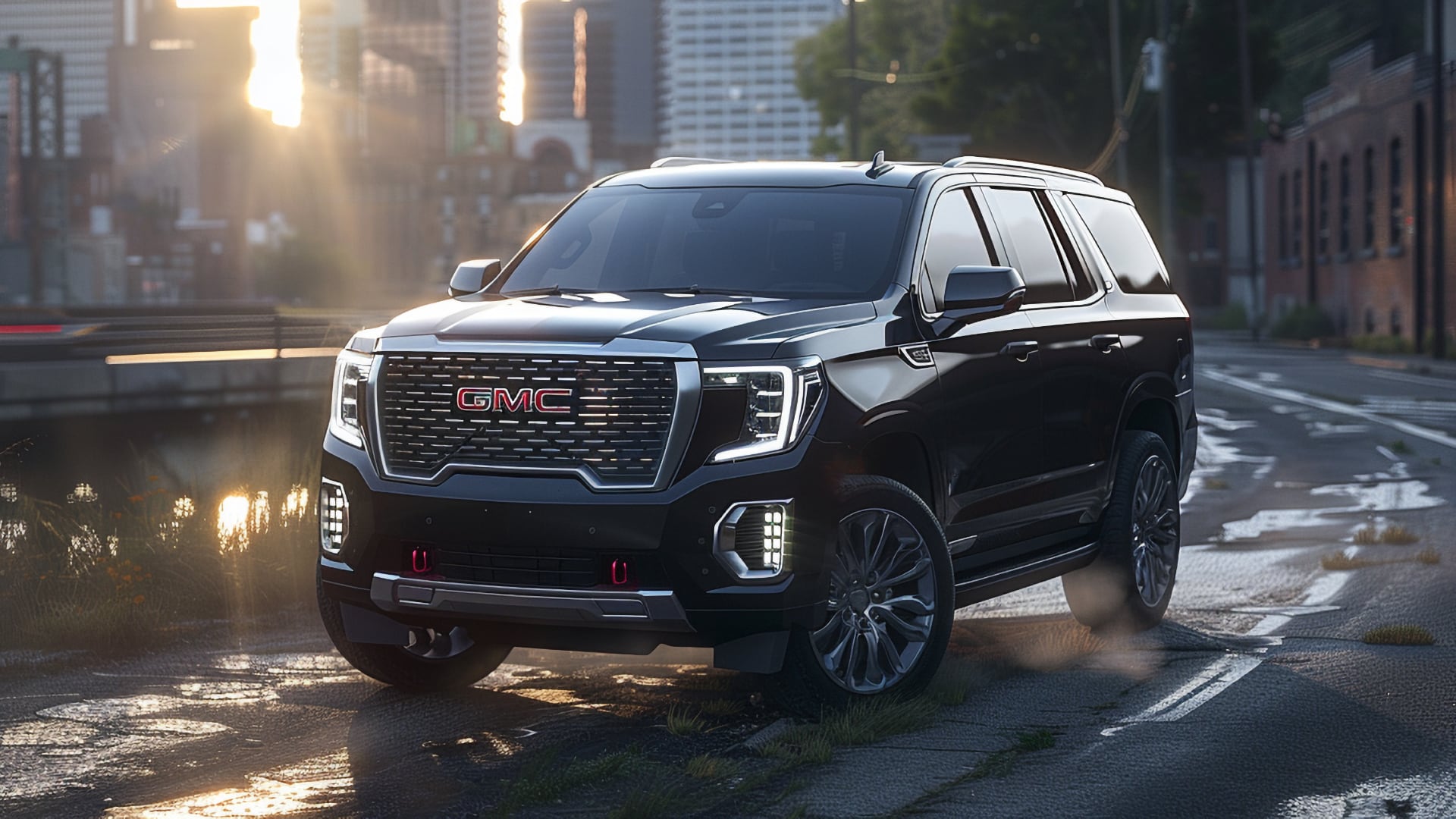
Credit: rerev.com
Comparing Gmc Yukon Xl To Other Suvs
You may wonder how the Yukon XL compares to similar vehicles like the Chevrolet Suburban, Ford Expedition, and Toyota Sequoia. Here’s a quick look:
| Vehicle | Cargo Space (cu ft) | Reliability Score | Common Issues |
|---|---|---|---|
| GMC Yukon XL | 144.7 | 2.7 | Engine, Transmission, Electrical |
| Chevrolet Suburban | 144.7 | 2.9 | Transmission, AC, Electrical |
| Ford Expedition | 121.5 | 3.2 | Turbo, Transmission, Electrical |
| Toyota Sequoia | 120.1 | 3.7 | Suspension, Brakes, Minor Electrical |
The Yukon XL matches the Suburban for space, but the Suburban often has slightly better reliability. The Ford Expedition and Toyota Sequoia have less cargo space, but higher reliability scores and fewer serious engine problems.
One important difference: Toyota Sequoia is known for long-term durability and lower repair costs, but its interior and features are often less modern than the Yukon XL. The Ford Expedition offers a turbocharged engine for better fuel economy and towing, but some owners report turbo reliability issues.
If you need maximum cargo space and luxury, the Yukon XL or Suburban is often the best choice. If reliability and lower long-term costs are more important, consider the Sequoia.
Tips For Avoiding Common Yukon Xl Buyer Mistakes
Many people make mistakes when buying a used Yukon XL. Here’s how to avoid them:
- Don’t rush: Take your time to research and inspect each vehicle.
- Avoid only looking at price: Cheap Yukon XLs from problem years often cost more in repairs.
- Ask about recalls: Make sure all recall repairs are finished.
- Test drive: Always drive the Yukon XL before buying. Listen for unusual noises and check all electronics.
- Use a VIN check: This reveals accident history, title problems, and recalls.
One non-obvious tip: If you find a Yukon XL from a risky year, ask if the engine or transmission has been replaced. Sometimes these replacements fix the original problem and make the SUV reliable.
Another common mistake is not budgeting for higher fuel and repair costs. Yukon XLs are heavy and powerful, so expect to spend more on gas and maintenance than with smaller SUVs. Also, check the tires—replacing four large SUV tires can be expensive.
How To Check Yukon Xl Reliability Yourself
If you want to check a Yukon XL’s reliability:
- Use online databases like the NHTSA (National Highway Traffic Safety Administration) and CarComplaints.com.
- Look for the number of recalls and owner complaints.
- Search forums for real-world experiences. Owners often share tips and warning signs.
- Read expert reviews from trusted sources.
Checking these resources helps you spot risky years and find safer options. For more information, visit NHTSA.
Another tip: Ask mechanics who work on GMCs which years they see most often for big repairs. Their hands-on experience can point you toward the best years to buy.
What To Do If You Already Own A Yukon Xl From A Problem Year
If you already have a Yukon XL from one of the years listed, you still have options:
- Stay on top of maintenance: Change oil, check transmission, and service the SUV regularly.
- Fix recalls as soon as possible: This keeps your vehicle safe.
- Watch for early signs of problems: If you notice strange noises, leaks, or warning lights, get them checked quickly.
- Consider extended warranties: If available, these can cover expensive repairs.
Some owners keep their Yukon XL running smoothly by following strict maintenance schedules and fixing issues early. For example, adding regular oil checks in older models can prevent engine failure. Keeping detailed records of repairs can also help when selling the vehicle later.
If you face repeated major repairs, it may be worth trading in for a more reliable year or a different model. This can save money and stress in the long run.
Frequently Asked Questions
What Year Yukon Xl Is Most Reliable?
The 2012–2013 Yukon XL and 2018–2020 Yukon XL are often rated as the most reliable. They have fewer complaints, better engines, and improved electronics.
Are Yukon Xls Expensive To Repair?
Yes, repairs can be costly. Engine and transmission fixes can run $2,000–$6,000. Regular maintenance helps avoid big bills.
How Many Miles Can A Yukon Xl Last?
With good maintenance, a Yukon XL can last 200,000–250,000 miles. Problem years may break down sooner.
Is The Yukon Xl Better Than The Suburban?
Both are similar in size and features. The Suburban sometimes has better reliability, but the Yukon XL offers more luxury options.
How Do I Check For Recalls On A Yukon Xl?
Visit the NHTSA website and enter your VIN. This shows all current recalls and if they’ve been fixed.
Buying a used Yukon XL is a big investment. By knowing which years to avoid and what to look for, you can enjoy a reliable, spacious SUV without the surprise repair bills. The Yukon XL is a great vehicle when you pick the right model year and stay on top of maintenance.
Use the tips and data above to make your next purchase a smart one.