

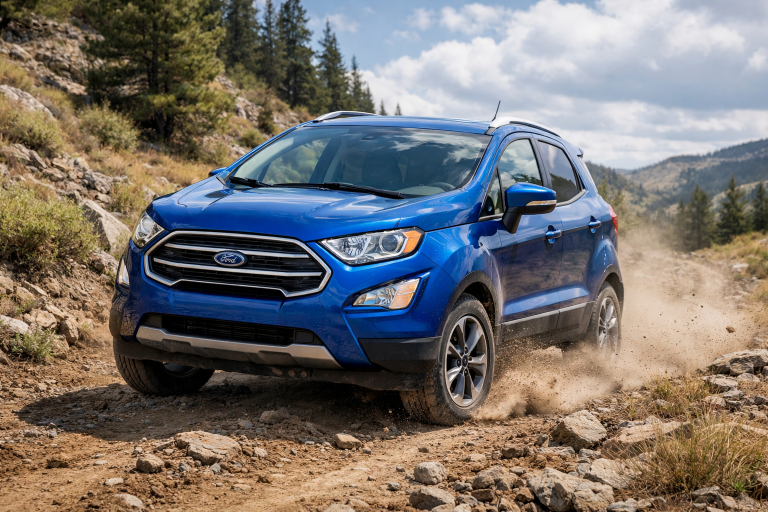
The Ford EcoSport is a compact SUV that first appeared in international markets in 2003 and reached the United States in 2018. Its small size, affordable price, and high driving position caught the attention of many drivers looking for a practical city car with the feel of an SUV. Over the years, the EcoSport has built a reputation for being easy to maneuver and offering good cargo space for its class. However, not all EcoSport model years are created equal. Some have stood out for their reliability and value, while others have been plagued by recurring problems and costly repairs.
If you are thinking about buying a used Ford EcoSport, it’s important to know which years are best to avoid—and why. Making a smart choice can save you thousands of dollars and many headaches down the road. This article dives deep into the EcoSport’s history, highlights the years with the most problems, and explains the issues you might face.
You’ll also find model comparisons, reliability data, and practical tips to help you buy with confidence.
Understanding The Ford Ecosport
The EcoSport started its life in Brazil and was later sold in markets like India, Europe, and North America. Ford positioned it as an entry-level SUV that combined city-friendly dimensions with SUV styling and higher ground clearance. In the U.
S. , it was sold from 2018 to 2022 as Ford’s smallest SUV, slotted below the Escape.
Key Features And Appeal
- Small footprint: Easy to park and maneuver
- Affordable pricing: Lower cost than most SUVs
- Available all-wheel drive: Better traction for rough weather
- Flexible cargo space: Rear seats fold flat for bigger items
While the EcoSport checked many boxes for budget-focused buyers, it has also drawn criticism for its underpowered engines, dated technology, and, in some years, poor reliability.
Ecosport Model Years: Overview
The U.S. market got a taste of the EcoSport starting with the 2018 model year. Internationally, the car saw two main generations:
- First Generation (2003–2012): Never sold in the U.S.; rare as imports.
- Second Generation (2012–2022): Heavily updated for the U.S. in 2018.
Because most readers are interested in used models available in North America, this guide focuses on 2018–2022 EcoSport years—though some insights apply to international versions as well.
Ford Ecosport Years To Avoid: The Most Problematic Models
Some EcoSport years have shown more issues than others. Below are the main years you should be cautious about, with explanations on what went wrong.
1. 2018 Ford Ecosport
The 2018 model was the EcoSport’s first year in the United States. Unfortunately, first-year cars often have more problems as automakers work out design bugs. The 2018 EcoSport is no exception.
Common Problems
- Transmission issues: Many owners reported jerky shifting, hesitation, and, in some cases, full transmission failure under 60,000 miles.
- Electrical glitches: Complaints about the infotainment system freezing, backup camera failures, and warning lights turning on without reason.
- Engine problems: The 1.0-liter turbo engine was especially prone to loss of power and poor acceleration.
Reliability Data
According to CarComplaints and RepairPal, the 2018 EcoSport ranks below average for reliability. Owners often faced high repair costs, especially for transmission repairs ($2,000–$4,000).
Example
One owner reported, “My 2018 EcoSport started jerking between gears at 35,000 miles. The dealer replaced the transmission, but the problem returned after a few months. ”
2. 2019 Ford Ecosport
The 2019 model continued to show several problems, many carried over from 2018.
Common Problems
- Transmission and shifting: Slightly improved but still unreliable for many owners.
- Suspension noises: Clunking sounds from the front end, especially when going over bumps.
- Poor fuel economy: Real-world MPG often fell short of EPA estimates.
Reliability Data
J.D. Power gave the 2019 EcoSport a predicted reliability score of 72/100, which is below the segment average. Consumer Reports also listed it as “Worse Than Average” for major components.
Non-obvious Insight
Many buyers overlook the cost of out-of-warranty repairs for 2019 models. Transmission parts are often on backorder, leading to long repair waits.
3. 2020 Ford Ecosport
While Ford addressed some earlier issues, the 2020 EcoSport still had enough problems to make it a risky used buy.
Common Problems
- Engine stalling: Reports of the engine shutting off while driving, especially at low speeds.
- AC and climate control failures: Expensive repairs (often $800+) were common, even on low-mileage cars.
- Battery drain: Some owners found their EcoSport’s battery died overnight due to parasitic drains.
Reliability Data
RepairPal gives the 2020 EcoSport a reliability rating of 3.0 out of 5.0, which is average, but the frequency of unscheduled repairs is high.
Summary Table: Key Years To Avoid
Here’s a quick comparison of the most problematic years:
| Model Year | Main Problems | Average Repair Cost | Reliability Score |
|---|---|---|---|
| 2018 | Transmission, electrical, engine | $2,000–$4,000 | Below Average |
| 2019 | Transmission, suspension, fuel economy | $1,500–$3,500 | Below Average |
| 2020 | Engine, AC, battery | $800–$2,500 | Average |
Why These Years Struggled: Root Causes
Some people wonder why the EcoSport’s early U. S. years had so many issues. There are several reasons.
New Platform In The U.s.
The EcoSport was already an older design by 2018, but Ford made changes to adapt it for the U.S. market. These changes included new engines, transmissions, and infotainment systems. Unfortunately, these updates introduced new bugs that weren’t found in international models.
Cost-cutting Decisions
Ford aimed to keep the EcoSport’s price low. This meant using lower-grade interior materials and, in some cases, less durable mechanical parts. Over time, these choices led to more complaints about rattles, squeaks, and part failures.
Turbocharged Engines
The 1.0-liter EcoBoost engine was praised for fuel efficiency but often struggled with real-world reliability. Turbo failures and carbon buildup problems became common after 30,000–50,000 miles—long before many buyers expected.
Delayed Problem Recognition
Because the EcoSport was new to the U. S. , Ford’s dealer network was sometimes slow to recognize and address recurring issues. This meant many owners had to return to the shop multiple times before a proper fix was found.
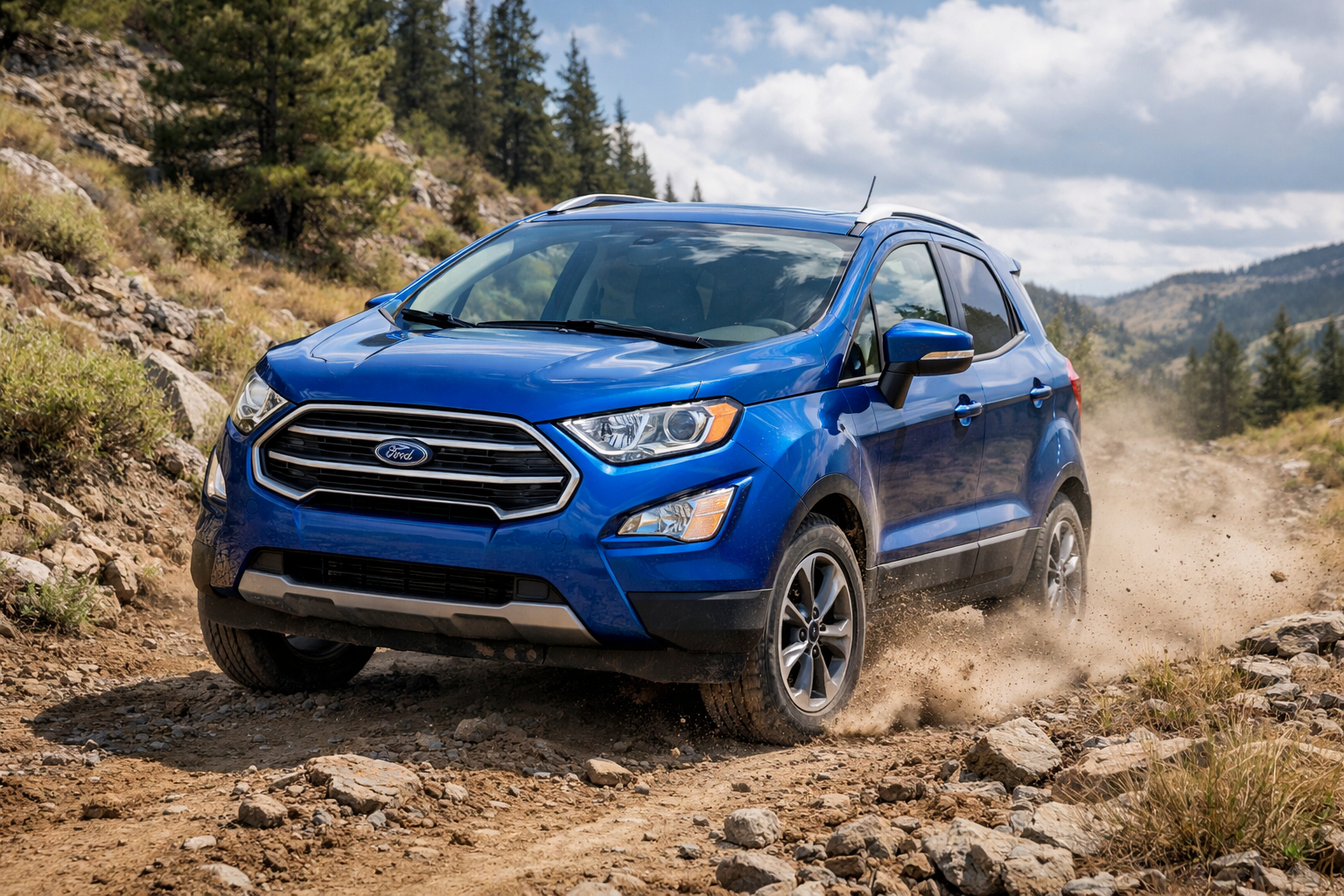
Credit: rerev.com
Less Problematic Years: When The Ecosport Got Better
Not every EcoSport is a problem car. Some years improved in reliability and owner satisfaction.
2021 Ford Ecosport
The 2021 model saw fewer complaints, especially for engine and transmission problems. Ford made minor software updates and improved some parts.
- Transmission: Fewer failures than earlier years.
- Electronics: Infotainment system became more stable.
- Build quality: Slightly better materials and fewer rattles reported.
2022 Ford Ecosport
The final year for the EcoSport in the U.S. market. Ford had ironed out most early bugs, making this the safest choice for used buyers.
- Reliability: Above average for the EcoSport line.
- Fewer recalls: Only a small number of safety recalls compared to earlier years.
- Better resale value: As the last model, it holds value better than other years.
Comparison Table: Better Vs. Problematic Years
This table highlights the main differences between the most reliable and least reliable EcoSport years.
| Model Year | Transmission Problems | Engine Issues | Electrical/Infotainment | Owner Satisfaction |
|---|---|---|---|---|
| 2018 | High | High | High | Low |
| 2019 | High | Medium | Medium | Low |
| 2021 | Low | Low | Low | Medium |
| 2022 | Very Low | Very Low | Very Low | High |
Common Ford Ecosport Problems Explained
If you’re considering a used EcoSport, it’s helpful to understand the most common issues and what they mean in daily driving.
Transmission Problems
- Shuddering or Jerking: Many owners felt a “kick” when the car shifted gears, especially at low speeds. This was often due to software bugs or faulty clutch packs.
- Delayed Engagement: Some cars hesitated to move after the driver pressed the gas pedal.
- Complete Failure: In rare cases, the transmission needed a full replacement, sometimes before 60,000 miles.
Practical tip: Always test drive an EcoSport at city and highway speeds to check for smooth shifting.
Electrical And Infotainment Glitches
- Touchscreen Freezing: The Sync system would sometimes freeze or restart, making navigation and music controls unusable.
- Backup Camera Failure: Some owners lost the rear camera image, especially in cold weather.
- Random Warning Lights: Dash lights, such as ABS or check engine, would turn on without a clear cause.
Non-obvious insight: Electrical issues can be hard to fix and may require multiple dealer visits.
Engine And Turbo Problems
- Loss of Power: The turbocharged 1.0L engine sometimes lost boost, making the car feel sluggish.
- Rough Idle: Some engines ran unevenly at stoplights, which could be a sign of carbon buildup or sensor failure.
Suspension And Noise
- Clunking Sounds: Front suspension components were known to wear out early, causing annoying noises over bumps.
- Squeaks and Rattles: Due to cheaper interior materials, noises inside the cabin were common after a few years.
Practical tip: Listen for unusual noises during your test drive, especially over speed bumps.
Recalls And Safety Concerns
The Ford EcoSport had several recalls during its run. While not all recalls mean a car is unsafe, multiple recalls in one year can signal broader quality issues.
Notable Recalls
- 2018–2019: Recall for faulty brake pedals, which could increase stopping distances.
- 2018–2020: Recall for rear seatbelt anchors not being properly secured.
- 2020: Recall for potential engine stalling due to fuel pump failures.
You can check the recall history of any used EcoSport using the National Highway Traffic Safety Administration (NHTSA) website.
How To Spot A Problem Ecosport
Here are steps and tips for buyers who want to avoid the worst EcoSport years or spot hidden issues in a used car.
- Review Vehicle History Reports
- Services like Carfax and AutoCheck show accident history, maintenance records, and open recalls.
- Check for Recalls
- Enter the car’s VIN on the NHTSA website to check for unresolved recalls.
- Take an Extended Test Drive
- Drive the car in different settings (city, highway, stop-and-go traffic).
- Pay attention to how the transmission shifts and how the engine responds.
- Inspect for Water Leaks
- The EcoSport is known for sunroof and door seal leaks, which can lead to mold.
- Listen for Odd Noises
- Squeaks, clunks, or rattles can signal suspension, interior, or drivetrain issues.
- Ask About Warranty Coverage
- Some dealers offer certified pre-owned programs with extended warranties for peace of mind.
Non-obvious insight: Used EcoSports from rental fleets often show more wear but have complete service histories.
How The Ecosport Compares To Rivals
The EcoSport faces tough competition in the subcompact SUV segment. Let’s see how it stacks up against main rivals.
| Model | Reliability | Owner Satisfaction | Main Weaknesses | Main Strengths |
|---|---|---|---|---|
| Ford EcoSport | Below Average (2018–2020) | Low (Early Years) | Transmission, electronics | Low price, easy to park |
| Honda HR-V | Above Average | High | Weak acceleration | Reliability, resale value |
| Chevrolet Trax | Average | Medium | Interior quality | Low maintenance costs |
| Hyundai Kona | Above Average | High | Firm ride | Warranty, tech features |
Practical tip: If reliability is your top priority, consider the Honda HR-V or Hyundai Kona.
Buying A Used Ford Ecosport: What To Look For
If you decide to buy a used EcoSport, especially from 2021 or 2022, here’s how to get the best value and avoid surprises.
Preferred Trims And Engines
- SE Trim or Higher: These come with more features, better materials, and improved infotainment.
- 2.0L Engine: This larger engine is usually more reliable than the 1.0L turbo.
- All-Wheel Drive: Available on the 2.0L; adds peace of mind in poor weather.
Essential Pre-purchase Checks
- Full Service Records: Ask for proof of regular oil changes and maintenance.
- Warranty Status: Check if the car is still under the original powertrain warranty.
- Certified Pre-Owned: Ford’s CPO program offers extra coverage and inspections.
Negotiation Tips
- Use the model’s reliability history to negotiate price. If you find a 2018 or 2019 EcoSport, be ready to ask for a discount to cover likely repair costs.
- Walk away if the seller can’t provide service records or if the car shows signs of heavy wear.
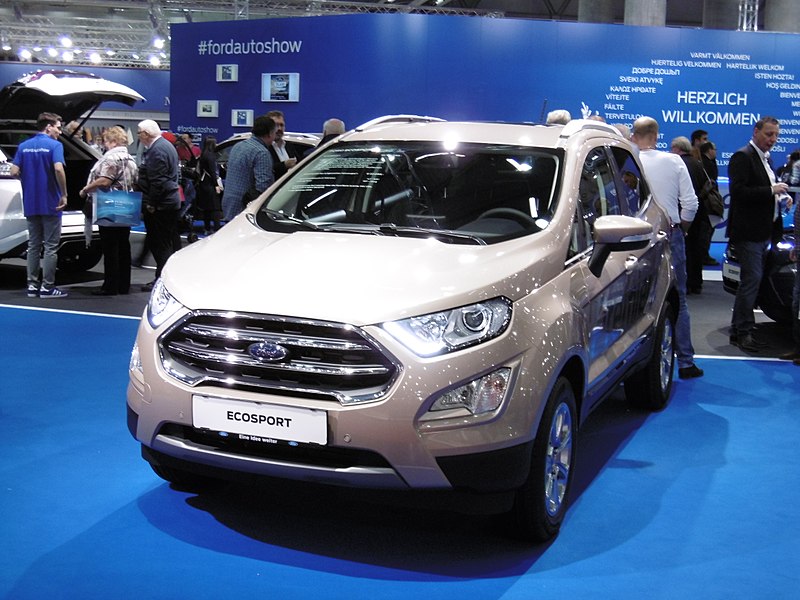
Credit: www.copilotsearch.com
Real-world Owner Experiences
Reading owner reviews can give you real insight into daily life with an EcoSport. Here are examples from actual drivers:
- “I loved the size and price, but my 2018 EcoSport spent more time in the shop than on the road. Transmission was replaced twice in 2 years.”
- “My 2021 EcoSport has been fine so far. No major problems, but the ride is noisy on the highway.”
- “Bought a 2022 for my daughter. It’s not fancy, but it gets her to college and back with no drama.”
Non-obvious insight: Many satisfied owners bought their EcoSport as a second, city-only car, where its small size is a big plus.
Is The Ford Ecosport Right For You?
The EcoSport is not the most reliable subcompact SUV, especially in its early years. However, it can be a good fit if:
- You need an affordable SUV for city driving.
- You’re buying a 2021 or 2022 model with a clean history.
- You don’t mind basic features and can live with a noisier ride.
If you want long-term peace of mind or plan to keep your car for many years, you might be happier with a rival like the Honda HR-V or Hyundai Kona.
Credit: rerev.com
Frequently Asked Questions
What Are The Worst Years For The Ford Ecosport?
The 2018, 2019, and 2020 model years are the worst for the Ford EcoSport due to frequent transmission failures, electrical issues, and engine problems. These years have higher repair costs and lower reliability scores.
Are Later Ecosport Models More Reliable?
Yes, the 2021 and 2022 EcoSport models are more reliable. Ford fixed many earlier issues, making these years the safest choice for used buyers.
Is The Ford Ecosport A Good Used Car?
The EcoSport can be a good used car if you choose a reliable year (2021 or 2022) and verify the car’s service history. For buyers who want the most trouble-free ownership, rivals like the Honda HR-V are better options.
How Does The Ecosport Compare To Other Small Suvs?
The EcoSport is cheaper and easier to park than many rivals, but it has more problems in early years. Cars like the Hyundai Kona and Honda HR-V offer better reliability, comfort, and resale value.
Where Can I Check For Recalls On A Ford Ecosport?
You can search for open recalls using the car’s VIN at the NHTSA official website. This is a free, government-run service and is always up to date.
The Ford EcoSport offers a lot for its price, but not every year is a smart buy. Avoid the problematic early models, check service records, and take your time with research. With the right knowledge, you can find a compact SUV that fits your needs and budget—without unwanted surprises.