

The Ford Transit is one of the most popular vans in the world. It’s trusted by delivery businesses, tradespeople, and families who need plenty of space. But like every vehicle, not all years are equal. Some Ford Transit models have more problems than others.
If you’re thinking of buying a used Transit, knowing which years to avoid can save you money, time, and frustration.
This article dives deep into the Ford Transit’s history. You’ll learn which years are best skipped, why they are risky, and what problems you should expect. We’ll cover real-world examples, data, and compare different model years. Whether you’re buying for work or personal use, you’ll get clear advice to help you make a smart decision.
Understanding The Ford Transit
The Ford Transit has been around since 1965, but most US buyers focus on the models from 2013 onwards. It replaced the older Ford E-Series and quickly became a leader in its segment. You’ll find Transits in many shapes: cargo, passenger, and even camper conversions. There are several engine choices, sizes, and trim levels.
While the Transit is known for reliability and flexibility, some years have serious issues. These range from engine failures to transmission problems and electrical glitches. If you choose the wrong year, repairs can become expensive and frequent.
Common Problems In Ford Transit Vans
Before looking at specific years, it’s helpful to understand the main issues that affect the Transit line:
- Transmission failures: Many owners report sudden transmission breakdowns, especially in early models.
- Turbocharger issues: Turbo engines in some years suffer from oil leaks or complete turbo failure.
- Electrical faults: Problems with wiring and electronics can cause dashboard warnings, lighting failures, or starting issues.
- Rust and corrosion: Older models, and some newer ones, have trouble with rust—especially around the door sills and underbody.
- Door and latch problems: Doors sometimes stick or fail to close properly, leading to safety concerns.
- AC and heating issues: HVAC systems in certain years don’t work reliably, with weak cooling or heating.
These problems aren’t equally spread across all years. Some Ford Transit generations are much worse than others.
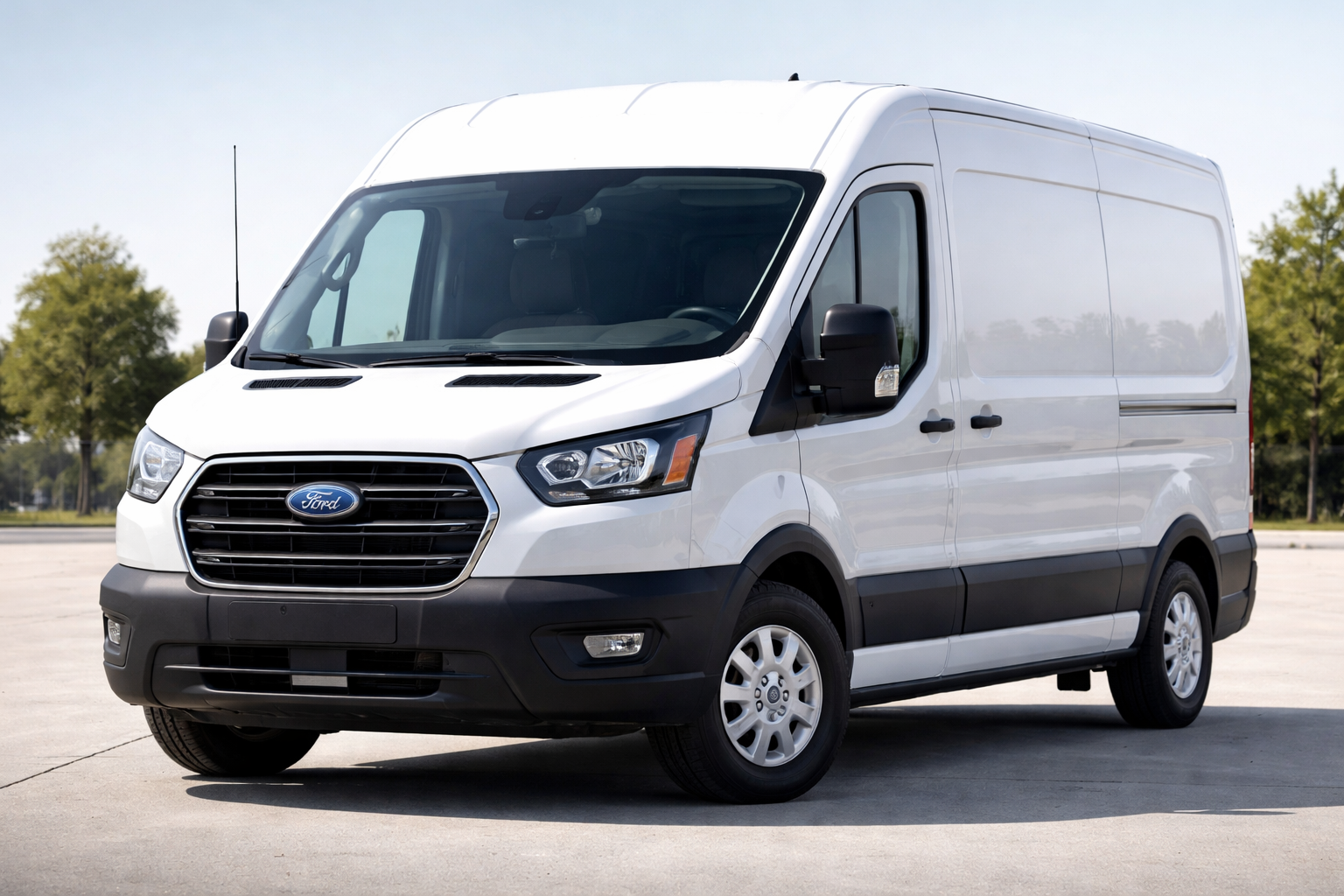
Credit: rerev.com
Ford Transit Years To Avoid
Not every Transit year is risky. But several models stand out for frequent complaints, recalls, and costly repairs. Here’s a breakdown of the main years you should avoid, with details on what makes them problematic.
2015 Ford Transit
The 2015 Ford Transit was the first model year for the US. New designs often bring unexpected problems, and this year is no exception.
Owners report:
- Transmission failures: Many drivers experienced sudden loss of power, rough shifting, and complete transmission breakdowns.
- Turbocharger leaks: The EcoBoost engine is prone to oil leaks and turbo failures.
- Electrical glitches: Dashboard warnings, battery drain, and starting issues are common.
- Sliding door malfunctions: Doors stick or won’t latch, creating safety risks.
The National Highway Traffic Safety Administration (NHTSA) lists dozens of complaints for this year. Repair costs for major issues often run above $3,500.
2016 Ford Transit
The 2016 model still carried over many issues from the launch year.
Problems include:
- Transmission jerking: Shifting is rough, with some vans needing full transmission replacement.
- AC and heating failures: HVAC systems break down, especially in summer and winter extremes.
- Water leaks: Rainwater sometimes enters through the roof or doors, damaging electronics and interior panels.
- Electrical faults: Fuses and relays fail, causing unpredictable problems.
This year was hit by several recalls, including for seat belt and airbag issues. Many owners mention long repair times due to parts shortages.
2017 Ford Transit
Although Ford made some improvements, the 2017 Transit still suffers from:
- Turbo engine problems: Oil leaks and turbo failure remain frequent.
- Door latch recalls: The sliding and rear doors often fail to latch or open unexpectedly.
- Rust development: Corrosion appears quickly, especially in wet climates.
- Transmission problems: Less frequent than earlier years, but still above average.
This year saw multiple recalls for door latches and airbags. Repairs can be expensive, and rust issues may lower resale value.
2018 Ford Transit
The 2018 Transit is better than earlier years, but certain issues persist.
Main complaints:
- Transmission hesitation: Shifting is slow or delayed, causing safety concerns.
- Door and latch failures: Sliding doors sometimes refuse to close, leading to recalls.
- Electrical system errors: Sensors and wiring can fail, causing dashboard warnings.
- AC problems: Cooling performance is weak in hot weather.
Some owners report engine stalling at low speeds. While less severe than 2015–2017, these problems make the 2018 Transit less reliable.
2020 Ford Transit
The 2020 model brought new features, but also fresh problems.
Key issues:
- Transmission shuddering: Many complaints about vibrations and rough shifting.
- Infotainment system glitches: Touchscreen freezes, Bluetooth disconnects, and camera malfunctions.
- Electrical faults: Battery drains and warning lights are common.
- Door sensor failures: Sensors don’t detect closed doors, causing alarms and locking issues.
This year is less risky than earlier models, but electronics are a weak point.
Data Comparison: Problem Rates By Year
Let’s look at complaint and recall rates for the main years to avoid. The table below shows NHTSA data and owner reports.
| Model Year | Owner Complaints | Recalls | Estimated Repair Cost (Major Issues) |
|---|---|---|---|
| 2015 | 210+ | 8 | $3,500–$5,000 |
| 2016 | 185+ | 7 | $2,800–$4,800 |
| 2017 | 135+ | 6 | $2,000–$4,500 |
| 2018 | 90+ | 5 | $2,200–$3,700 |
| 2020 | 65+ | 3 | $1,800–$3,500 |
2015 and 2016 stand out for the most complaints and recalls. Repair costs are also highest for these years.
Comparison: Ford Transit Vs. Other Vans
How does the Ford Transit stack up against other popular vans in terms of reliability? Here’s a quick look.
| Van Model | Avg. Complaints per Year | Avg. Major Repair Cost | Best Years |
|---|---|---|---|
| Ford Transit | 120 | $3,200 | 2019, 2021–2023 |
| Mercedes Sprinter | 95 | $4,000 | 2018–2020 |
| Ram ProMaster | 75 | $2,900 | 2017, 2019–2021 |
| Nissan NV | 60 | $2,500 | 2016, 2018–2020 |
The Ford Transit has more complaints than most competitors, especially in the years to avoid.
Ford Transit Recalls And Technical Service Bulletins
Recalls are official actions by Ford to fix safety or reliability issues. Technical Service Bulletins (TSBs) are guidance for dealers to solve common problems. Here are some major recalls for the years to avoid:
- 2015–2017 door latch recall: Faulty latches cause doors to open unexpectedly.
- 2016 seat belt recall: Seat belts may fail in a crash.
- 2017 airbag recall: Airbags might not deploy or deploy too forcefully.
- 2015–2018 turbocharger recall: Oil leaks can cause engine fires.
You can check recall status for any Transit using the official Ford website or the NHTSA database.
Real Owner Experiences
Many Transit owners share their stories online. Here are a few examples that show why certain years are best avoided:
- John, a delivery driver, bought a 2015 Transit. After 40,000 miles, the transmission failed. Repairs cost $4,200. He also had sliding door issues and dashboard warnings.
- Maria owned a 2016 Transit for her catering business. Water leaks ruined her interior. The AC stopped working twice. Parts took months to arrive.
- Alex drove a 2017 Transit for his plumbing company. He replaced turbochargers twice in three years. Rust appeared on the doors after two winters.
These stories aren’t rare. Many owners face repeated breakdowns and high bills in the years listed above.
Years Worth Considering
Some Ford Transit years are much better. If you want reliability, focus on these:
- 2019: Most early issues fixed, fewer recalls, better electronics.
- 2021–2023: Improved transmission, reliable engines, advanced safety features.
These years have lower complaint rates and higher owner satisfaction.
Ford Transit Engine And Transmission Choices
The Transit offers several engines:
- 3.5L EcoBoost V6: Powerful, but prone to oil leaks in early years.
- 3.7L V6: Reliable, but less fuel efficient.
- 2.0L Turbo Diesel: Good for long-distance, but rare in the US.
Transmissions are mostly 6-speed automatics. Early models have more failures, while newer ones are more dependable.
If you want to avoid trouble, choose the 3.7L V6 engine in post-2019 models.
Key Features And Changes By Year
Ford updates the Transit almost every year. Here are some highlights:
- 2015–2017: Major problems with transmission and turbo engines. Basic safety features.
- 2018–2019: Improved electronics, fewer recalls, moderate reliability.
- 2020: New infotainment, advanced driver aids. Electronics are buggy.
- 2021–2023: Most issues resolved. Best safety, comfort, and reliability.
If you value technology, later models are better. For simple, work-focused vans, 2019 is a good compromise.
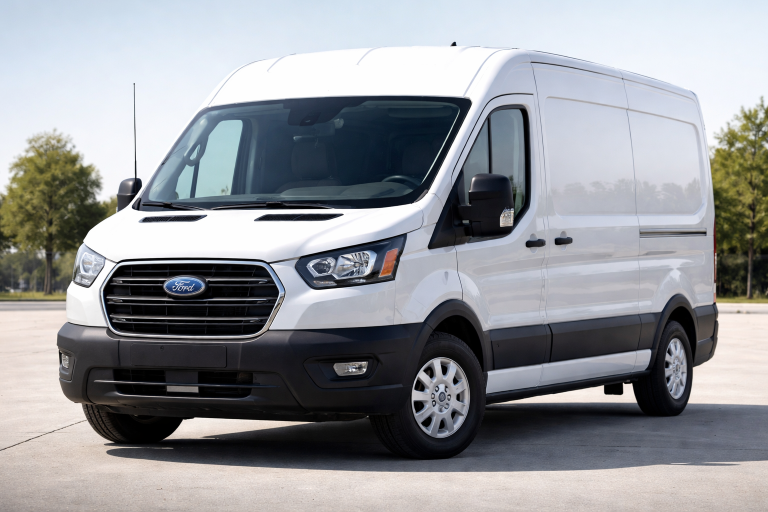
Credit: rerev.com
Buying Tips For Used Ford Transit Vans
When shopping for a used Transit, follow these steps:
- Check the VIN for recalls: Use the Ford or NHTSA websites.
- Inspect for rust: Focus on door sills, underbody, and wheel arches.
- Test all doors and latches: Make sure they open and close smoothly.
- Drive at different speeds: Listen for transmission noises or hesitation.
- Check AC and heating: Test in both hot and cold conditions.
- Review service history: Look for major repairs and regular maintenance.
- Read owner reviews: Focus on real-world experiences for the exact year.
Many buyers skip full inspections. This is a mistake—hidden issues can cost thousands later.
Cost Of Ownership: Repair And Maintenance
The Ford Transit is not cheap to maintain, especially in the problematic years.
- Transmission replacement: $3,000–$5,000
- Turbocharger repair: $1,200–$2,700
- Door latch replacement: $400–$900 per door
- AC system repair: $800–$1,500
- Rust treatment: $500–$2,000, depending on severity
Insurance and registration costs are average for the segment. Fuel economy ranges from 14–18 mpg for most models.
How To Spot A Bad Ford Transit
Some issues are easy to see, others are hidden. Here’s what experienced buyers look for:
- Unusual transmission sounds: Clunks, shudders, or hesitation during shifting.
- Dashboard warning lights: Especially for engine, transmission, or battery.
- Door alignment: Doors that don’t close flush or latch easily.
- Rust patches: Especially at seams and under the van.
- Water stains: Inside roof or doors—shows leaks.
- AC/heater performance: Weak air flow or no temperature control.
If you notice two or more of these, walk away or negotiate a lower price.
What Makes Ford Transit Years Risky?
You might wonder why some years are so much worse. There are a few reasons:
- New model launches: First years after redesigns have more bugs.
- Supplier changes: Ford switched parts suppliers several times, leading to quality drops.
- Complex electronics: Newer features add more things that can break.
- Turbo engines: Early EcoBoost models weren’t fully tested for heavy-duty use.
Manufacturing changes and rushed launches often lead to higher failure rates.

Credit: www.copilotsearch.com
Practical Advice: Should You Buy A Ford Transit?
If you need a van for business or family use, the Ford Transit is still a strong choice—but only in the right years. Avoid 2015–2018 if possible. Choose 2019, 2021–2023 for reliability. Always inspect the van closely and check for recalls.
If your budget is tight and you must buy an older model, plan for higher repair costs. Set aside extra money for transmission or turbo repairs. Consider buying from a dealer with a warranty.
Ford Transit Vs. Mercedes Sprinter: Reliability Showdown
Many buyers compare the Transit to the Sprinter. Here’s a quick data overview:
| Feature | Ford Transit | Mercedes Sprinter |
|---|---|---|
| Transmission Reliability (2015–2018) | Poor | Average |
| Turbo Engine Issues | Frequent | Moderate |
| Rust Problems | Common | Rare |
| Repair Costs | High | Very High |
| Best Years | 2019–2023 | 2018–2020 |
The Transit is easier to repair and cheaper to run, but early model years are much riskier.
Expert Tips For Long-term Reliability
If you own or plan to buy a Ford Transit, follow these tips for fewer problems:
- Change transmission fluid regularly: Don’t rely on “lifetime” fluids.
- Inspect turbo oil lines: Catch leaks early to prevent engine damage.
- Wash underbody after winter: Prevent rust from road salt.
- Update software at dealer: Electronics work better after updates.
- Use OEM parts: Aftermarket parts can cause new issues.
Many beginners miss the importance of regular fluid changes. This alone prevents many transmission failures.
Ford Transit In Business Use
Businesses rely on the Transit for deliveries, transport, and conversions. A van that breaks often costs money in lost jobs. Choosing the wrong year can seriously hurt your business.
- Downtime: Problem years spend more time in the shop.
- Resale value: Rust and frequent breakdowns lower your selling price.
- Fleet management: Repairs and recalls make tracking harder.
Some fleet managers buy only 2019–2023 models to avoid these risks.
Ford Transit Safety Features
Safety is important, especially for passenger and family vans. Early models (2015–2017) have basic features:
- ABS brakes
- Basic airbags
- Standard seat belts
Newer models add:
- Lane keeping assist
- Adaptive cruise control
- Blind spot monitoring
- Advanced airbags
If safety matters, avoid older years and focus on recent models.
Ford Transit For Camper Van Conversion
Many people use the Transit for camper conversions. If you plan to build a camper:
- Avoid 2015–2018: Electrical and water leaks cause big headaches.
- Choose 2019 or newer: Better electronics, more reliable.
- Consider roof height and wheelbase: Longer vans offer more space, but are harder to park.
Some conversion companies refuse to work with 2015–2017 models due to frequent breakdowns.
Environmental Impact And Fuel Economy
Fuel economy is important for anyone driving long distances. The Transit is average for its class:
- 3.5L EcoBoost: 14–16 mpg city, 17–19 mpg highway
- 3.7L V6: 14–15 mpg city, 18 mpg highway
- Diesel: 17–20 mpg
Older models burn more oil and fuel due to engine issues. Newer models are more efficient and cleaner.
Ford Transit: Resale Value Trends
Resale value depends heavily on the model year. Here’s what the market shows:
- 2015–2017: Low resale, high depreciation due to common issues.
- 2018–2019: Moderate resale, fewer complaints.
- 2021–2023: High resale, strong demand.
If you plan to sell your van later, avoid the years with frequent breakdowns.
Where To Find Reliable Ford Transit Data
For official information on recalls, complaints, and repair costs, visit the NHTSA website. This site tracks every safety recall and owner complaint.
Frequently Asked Questions
Is The Ford Transit Reliable Overall?
The Ford Transit is reliable in recent years (2019–2023). Early models (2015–2018) have frequent problems with transmission, turbo engines, and electronics. Choosing the right year is key to avoiding expensive repairs.
Which Ford Transit Engine Is Most Dependable?
The 3.7L V6 engine is the most dependable for most buyers. The EcoBoost engine is powerful but prone to oil leaks and turbo failures in early years. Diesel engines are reliable but rare and costly to maintain.
How Much Does A Ford Transit Transmission Repair Cost?
Transmission repairs can cost $3,000–$5,000 in the years to avoid (2015–2017). Newer models (2019–2023) rarely have transmission issues, so repair costs are much lower.
Are Ford Transits Good For Camper Conversions?
Yes, but choose 2019 or newer for best reliability. Early models (2015–2018) suffer from electrical and water leak issues, which can ruin camper builds.
Where Can I Check Ford Transit Recalls?
You can check recalls on the official NHTSA website. Enter your van’s VIN to see all recalls and safety bulletins.
Choosing the right Ford Transit year is critical. Avoid the models with frequent problems, and inspect carefully before buying. A little research now saves big money and trouble later.