The Dodge Avenger once stood as a popular choice for drivers seeking a mid-size sedan with bold styling and affordable pricing. Its aggressive design and accessible features attracted many buyers over two generations. However, not all Avenger models delivered the same reliability and satisfaction. Some years were plagued with mechanical problems, costly repairs, and owner complaints. If you’re considering a used Avenger, knowing which years to avoid can save you money, time, and stress.
This guide gives you clear, practical advice on the Dodge Avenger years to avoid. It explains the reasons behind certain model years’ bad reputations, compares their issues, and offers tips on choosing a better option. Whether you’re a first-time buyer, a car enthusiast, or just curious, this article helps you make a smart decision.
The Dodge Avenger: A Quick Overview
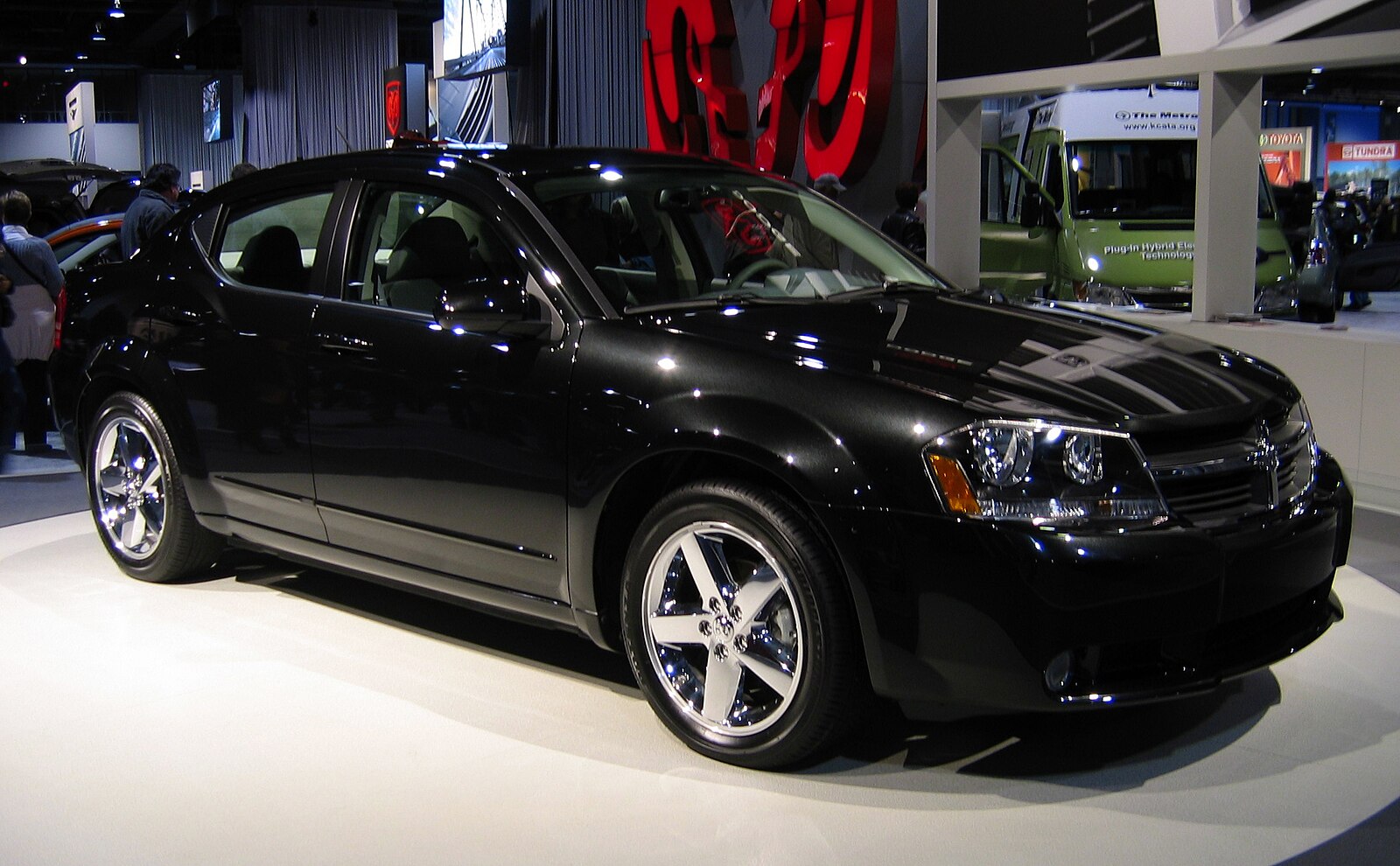
The Dodge Avenger was first introduced in the mid-1990s as a sporty coupe. After a short break, Dodge brought the Avenger back in 2008 as a mid-size sedan, aiming to compete with cars like the Toyota Camry and Honda Accord. The Avenger’s second generation, running from 2008 to 2014, became the more common and widely recognized version.
Buyers liked the Avenger’s muscular looks, comfortable ride, and budget-friendly price. Its engine choices included economical four-cylinders and a more powerful V6. Standard features improved over time, and the car offered good value for the money.
However, Dodge struggled to match the reliability and refinement of Japanese competitors. Some Avenger models earned negative attention for serious mechanical issues, cheap interior materials, and poor resale value. These problems made certain years worth avoiding.
Why Some Avenger Years Should Be Avoided
Not every Avenger is a bad car. Still, several model years stand out for frequent breakdowns, safety problems, and high repair costs. These issues often show up in owner reviews, technical service bulletins, and car reliability ratings.
Common reasons to avoid specific Avenger years include:
- Transmission failures: Some models suffered from early and expensive transmission breakdowns.
- Engine troubles: Engine stalling, oil leaks, or failure to start were repeated complaints.
- Electrical system problems: Issues with the car’s computer, sensors, or wiring led to erratic performance.
- Poor interior quality: Low-grade materials and rattling parts made the driving experience less enjoyable.
- Safety recalls: Certain years faced recalls for airbags, brakes, and other critical systems.
Many of these problems not only cause headaches but also lower the Avenger’s resale value. Repair bills can quickly add up, making a “cheap” used car much more expensive in the long run.
Dodge Avenger Years With The Most Problems
It’s important to understand which model years have the highest risk. Based on data from owner reports, recall history, and expert reviews, the following Avenger years are most often mentioned as ones to avoid.
2008 Dodge Avenger
The 2008 Avenger marked the start of the second generation. While it introduced a fresh look, it also brought many teething problems. Owners reported a high number of issues soon after purchase.
Key problems for 2008:
- Transmission slipping or failing at low mileage
- Electrical gremlins, such as dashboard lights flickering or not working
- Engine stalling or rough idle, sometimes due to faulty sensors
- Poor build quality, with cheap plastics and rattles inside the cabin
Many drivers found themselves returning to the dealer for repeated repairs. This year also saw several recalls, including for airbag malfunctions and brake system defects.
2009 Dodge Avenger
The 2009 Avenger carried over many of the same issues as the 2008 model. In fact, some problems even got worse, as Dodge had not yet fully addressed design and quality control.
Notable complaints:
- Continued transmission issues, often leading to complete failure
- Engine ticking noises and oil leaks
- Air conditioning failures, especially in hot climates
- Paint and clear coat peeling after just a few years
The 2009 model’s engine problems became notorious, with some owners needing a full engine replacement before 100,000 miles.
2011 Dodge Avenger
The 2011 Avenger featured a refreshed interior and improved suspension. However, it still suffered from reliability concerns, making it a risky choice for used buyers.
Typical 2011 issues:
- Electrical system glitches (unresponsive key fobs, malfunctioning gauges)
- Rough shifting from automatic transmission
- Engine overheating, often due to faulty thermostats
- Heater core failures, especially in cold weather
Many of these issues show up after the warranty expires, leaving owners with big repair bills.
2012 Dodge Avenger
The 2012 year saw some improvements, but recurring electrical and engine problems remained. This model was also affected by several recalls, especially for airbag and brake issues.
Common 2012 problems:
- Sudden engine shutoff while driving
- Heater and air conditioning failures
- Suspension noises and premature wear
- Persistent dashboard warning lights
Owners often found the dealer visits frustrating, as some problems were hard to diagnose or fix.
2013 Dodge Avenger
The 2013 Avenger is not as infamous as 2008 or 2009, but it still appears on many “avoid” lists due to lingering reliability issues. By this point, Dodge had fixed some problems but not all.
2013 complaints include:
- Airbag warning lights that won’t turn off
- Engine misfires, sometimes leading to reduced power
- Transmission hesitation or jerking during acceleration
- Occasional electrical failures (stereo, windows, locks)
Not all 2013 models are bad, but the risk of hidden problems is higher than in later years.
Dodge Avenger Years With Fewer Problems
While some Avenger years struggled, others earned better reliability scores. If you like the Avenger’s style and price, these years are generally safer bets.
2010 Dodge Avenger
The 2010 model fixed several early problems. It still had some minor complaints, but major breakdowns became less common.
Why 2010 is better:
- Fewer transmission failures compared to 2008–2009
- Improved build quality and interior materials
- Fewer recalls and service bulletins
Still, it’s smart to check service records and look for a well-maintained car.
2014 Dodge Avenger
The final year for the Avenger, 2014, saw the most improvements. Dodge addressed many long-standing issues before ending production.
Advantages of 2014:
- Updated electronics and safety features
- Better engine reliability, especially the V6
- Fewer complaints about transmission or electrical problems
- Higher owner satisfaction scores
A 2014 Avenger in good condition can be a reasonable used car choice.
Credit: www.copilotsearch.com
Comparing Problem Years: Data Table
To help you compare at a glance, here’s a summary of the Dodge Avenger years to avoid and their most common issues.
| Model Year | Main Problems | Number of Recalls | Estimated Repair Cost (per year) |
|---|---|---|---|
| 2008 | Transmission, electrical, engine | 8 | $650 |
| 2009 | Engine, transmission, AC | 7 | $700 |
| 2011 | Electrical, overheating, heater | 6 | $600 |
| 2012 | Engine, suspension, brakes | 5 | $550 |
| 2013 | Airbags, engine, transmission | 4 | $500 |
Most Common Dodge Avenger Problems Explained
It helps to look more closely at the most common issues affecting the Avenger. This section explains what they are, how serious they can be, and what repairs might cost.
Transmission Problems
Many Avenger owners, especially with 2008–2009 models, faced transmission failure. Symptoms include jerky shifting, slipping gears, or the car refusing to move. Some drivers reported transmission breakdowns before 80,000 miles.
Repairs: Replacing the transmission can cost $2,000–$3,500, depending on the shop and parts used. Sometimes a fluid flush or software update helps, but often the fix is expensive.
Engine Issues
Engine problems ranged from minor annoyances to major failures. Common complaints included:
- Stalling at idle or while driving
- Oil leaks from valve covers or oil pan
- Ticking noises or knocking sounds
In the worst cases, engines had to be rebuilt or replaced. Costs could easily reach $3,000 or more.
Electrical System Glitches
The Avenger’s electrical system was a weak spot in several years. Faulty wiring, bad sensors, or a failing TIPM (Totally Integrated Power Module) caused random issues:
- Unresponsive key fobs
- Power windows or locks failing
- Gauges flickering or going dark
Repairs often required specialized diagnosis. Fixing the TIPM can cost $1,000–$1,500, while simpler electrical fixes might cost $200–$500.
Heater And Air Conditioning Failures
In colder climates, heater core failure was a common complaint, especially in 2011–2012 models. Drivers noticed weak heat, foggy windows, or coolant leaks.
Air conditioning problems, such as the system blowing warm air, also showed up often. Fixing these issues could cost $600–$1,200.
Paint And Interior Quality
Early Avenger models used lower-quality interior plastics. Owners reported rattles, squeaks, and broken trim pieces. Exterior paint sometimes peeled or faded after a few years, requiring costly repairs to maintain appearance.
Credit: solowheelsjourney.com
Owner Satisfaction And Resale Value
A car’s reputation affects more than just repairs. The Avenger’s history of problems hurt its owner satisfaction and resale value. Many owners traded in their cars early or warned others to avoid certain years.
According to major automotive surveys, the Avenger scored below average in long-term reliability. Resale prices for 2008–2012 models are lower than competitors like the Toyota Camry or Honda Accord.
For example: A 2011 Dodge Avenger typically sells for $2,000–$3,000 less than a same-year Toyota Camry with similar mileage and features.
What To Look For When Buying A Used Dodge Avenger
If you’re set on buying an Avenger, focus on the years with better reputations (2010 and 2014). Always check a used car’s history and condition before you buy.
Key Steps For A Smarter Purchase:
- Check service records: A car with regular maintenance is less likely to have hidden problems.
- Inspect for recalls: Make sure all safety recalls have been completed by a certified dealer.
- Get a pre-purchase inspection: Have a trusted mechanic check for engine, transmission, and electrical issues.
- Test all features: Try the AC, heater, windows, locks, and dashboard controls.
- Look for warning lights: Avoid cars with persistent check engine or airbag lights.
Non-obvious tip: Ask the seller about any repairs to the TIPM module. This part controls many electrical functions and is a known weak spot in some Avengers.

Credit: www.ebay.com
Dodge Avenger Vs. Other Mid-size Sedans
How does the Avenger stack up against other choices in the same price range? Here’s a quick comparison of commonly shopped alternatives.
| Model | Reliability | Common Issues | Estimated Resale Value (5 years old) |
|---|---|---|---|
| Dodge Avenger | Below Average | Transmission, electrical, engine | $7,000 |
| Toyota Camry | Above Average | Minor oil leaks, AC issues | $11,000 |
| Honda Accord | Above Average | Brake wear, starter issues | $10,500 |
| Ford Fusion | Average | Steering, transmission (early models) | $8,500 |
Insight: While the Avenger is often cheaper to buy, it may cost more to own due to repairs and faster depreciation.
Common Buyer Mistakes With The Dodge Avenger
Even experienced buyers can make mistakes when shopping for a used Avenger. Watch out for these pitfalls:
- Ignoring recall history: Some sellers skip recall repairs. Always check with the dealer.
- Skipping the inspection: Many Avenger problems are not obvious during a short test drive.
- Assuming all years are equal: Later Avenger models fixed many issues, but early years are much riskier.
- Chasing the lowest price: A “bargain” Avenger may hide expensive problems.
- Overlooking interior wear: Check for rattles and loose trim, especially in 2008–2010 cars.
Practical advice: If you find a used Avenger for much less than similar cars, ask why. A low price may signal hidden issues.
Repair Costs And Ownership Experience
Owning a Dodge Avenger can be affordable if you pick a good year and maintain it well. Still, repair costs for bad years add up quickly.
Average annual repair costs (based on owner surveys):
- 2008–2009: $650–$700
- 2010–2012: $500–$600
- 2013–2014: $400–$500
Non-obvious insight: Many Avenger owners report that small problems, like faulty sensors, can lead to bigger breakdowns if ignored. Timely maintenance is essential.
Expert Opinions On The Dodge Avenger
Car experts and reviewers have mixed opinions about the Avenger. While they often praise its value and style, they warn about reliability.
- Edmunds: Called the Avenger “one of the least reliable sedans in its class” for 2008–2012.
- Car and Driver: Noted improved comfort and features in 2011–2014, but still preferred rivals for long-term ownership.
- Consumer Reports: Consistently rated the Avenger below average for reliability, especially for early second-generation models.
For more technical recall and complaint data, see the National Highway Traffic Safety Administration.
Should You Buy A Dodge Avenger?
If you’re on a budget and want a car with bold looks, the Avenger can be tempting. However, most experts and owner surveys agree: avoid the problematic years (especially 2008 and 2009). Choose a 2010 or 2014 model if you must have an Avenger.
Better yet, compare the Avenger with more reliable rivals like the Toyota Camry or Honda Accord. These cars hold their value better and have fewer common problems.
Frequently Asked Questions
What Is The Worst Year For The Dodge Avenger?
The 2008 Dodge Avenger is widely considered the worst year, due to major transmission, engine, and electrical issues. Owners reported high repair costs and frequent breakdowns, making it a risky choice.
Are Dodge Avengers Expensive To Maintain?
Avenger maintenance costs depend on the year. Problem years like 2008–2009 can average $650–$700 per year in repairs. Later years, such as 2013–2014, are cheaper to maintain, around $400–$500 annually, if well maintained.
Which Dodge Avenger Year Is The Most Reliable?
The 2014 Dodge Avenger is often rated as the most reliable. Dodge fixed many of the earlier issues, and owner satisfaction scores improved. The 2010 model is also a safer choice than earlier years.
Is The Dodge Avenger A Good Used Car?
The Avenger can be a decent used car if you choose a better model year and check its history. However, many competitors offer better reliability and resale value. Research carefully and inspect before buying.
How Do I Check If An Avenger Has Open Recalls?
You can check for open recalls by entering the car’s VIN on the official National Highway Traffic Safety Administration website or by contacting a Dodge dealer. Always confirm recall work was done before buying.
The Dodge Avenger’s story is a mix of style and struggles. If you’re set on this car, focus on the better years, inspect thoroughly, and be prepared for the unique quirks of this American sedan. Choose wisely, and your next used car experience will be smoother and more rewarding.