

The Chevy Spark is known for being one of the most affordable cars in America. It’s small, easy to park, and has low fuel costs. Many first-time buyers and city drivers choose the Spark for these reasons. However, not every Spark is a good choice. Some years have problems that can cost you money and time. Knowing which years to avoid can help you make a smarter decision and save you from headaches later.
If you’re thinking about buying a used Chevy Spark, this article will guide you. You’ll learn which years have the most trouble, what issues you might face, and how to spot a good Spark. We’ll use real owner stories, recall data, and expert insights.
By the end, you’ll feel confident about which Spark is right for you and which ones to skip.
Chevy Spark Overview
The Chevy Spark started in 2013 as a replacement for the Chevrolet Aveo in the US. It was designed to be a low-cost, compact hatchback. The Spark became popular among young drivers, students, and people who wanted a simple city car.
Over the years, the Spark has seen updates in style, features, and technology. Despite its popularity, some models had more issues than others. These problems include engine failures, transmission troubles, and electrical faults. Understanding the Spark’s history helps you see why some years are riskier.
Spark Generations And Key Changes
- First US Generation (2013–2015): The launch years, with basic features and a 1.2L engine. These models were affordable but had more recalls.
- Second Generation (2016–2022): Improved design, better technology, and new safety features. Reliability increased, but some years still had issues.
The Spark was discontinued in the US after 2022, but many used models are still available. When shopping, pay attention to the year and trim level. Even small changes can affect reliability.
Chevy Spark Years To Avoid
Not all Chevy Spark years are equal. Some have high numbers of complaints, recalls, and expensive repairs. Here are the years most experts and owners say to avoid:
2013 Chevy Spark
The 2013 Spark was the first model sold in the US. Many owners reported serious problems. The biggest issues were:
- Transmission failures: The automatic transmission often failed early, leading to expensive repairs ($2,000–$4,000).
- Electrical problems: Dashboard lights, power windows, and infotainment system glitches were common.
- Engine stalling: The engine sometimes stalled without warning, creating dangerous situations.
Recalls for the 2013 Spark included airbag faults, seat belt issues, and radio software bugs. Because it was the first US Spark, some problems were caused by new design and manufacturing mistakes.
2014 Chevy Spark
The 2014 Spark was similar to the 2013 model but had fewer issues. Still, it’s considered a risky year. Problems included:
- Battery drain: Owners reported the battery dying quickly, especially in cold weather.
- Transmission shudder: The CVT automatic transmission sometimes shuddered or slipped.
- Paint peeling: Some Sparks had paint problems, especially on the hood and roof.
While 2014 had fewer recalls, reliability was not much better. Used car experts warn that many 2014 Sparks have hidden electrical and transmission problems.
2015 Chevy Spark
The 2015 Spark continued with the same engine and transmission. Reliability improved a bit, but some problems remained:
- Air conditioning failures: Many owners complained about weak or broken A/C units.
- Steering issues: Some Sparks had loose steering or strange noises when turning.
- Frequent recalls: Airbag and seat belt recalls affected thousands of cars.
If you find a 2015 Spark, check the recall history and look for signs of transmission and steering issues.
2013–2015 Spark Years Compared
Here’s a quick comparison of the first three US Spark years:
| Year | Transmission Issues | Electrical Issues | Average Repair Cost | Recall Count |
|---|---|---|---|---|
| 2013 | High | High | $2,400 | 7 |
| 2014 | Medium | Medium | $1,900 | 5 |
| 2015 | Medium | Medium | $1,700 | 6 |
As you can see, 2013 is the riskiest year, but 2014 and 2015 also have above-average problems.
Other Years With Issues
Most Spark experts agree that 2013–2015 are the main years to avoid. However, some 2016 and 2017 models had problems, especially with the automatic transmission. These issues were less common, but they still affected some owners.
- 2016 Spark: Some reports of transmission hesitation and electrical glitches.
- 2017 Spark: A few cases of engine misfires and infotainment bugs.
If you’re shopping for a Spark, it’s best to focus on 2018 and newer models. These years have fewer complaints and better reliability.
Credit: www.marinmazda.net
Common Chevy Spark Problems
Certain problems show up more often in the years to avoid. Knowing these issues helps you spot trouble before buying.
Transmission Failure
The Spark’s CVT transmission is known for breaking down early, especially in 2013–2015 models. Symptoms include:
- Shuddering or slipping while driving
- Delayed gear changes
- Complete failure (car won’t move)
Repairing or replacing the transmission is expensive. Many owners report costs over $2,000. Some mechanics say the CVT design is weak and struggles in city driving.
Electrical Issues
Electrical faults are common in early Spark models. Problems include:
- Dashboard warning lights turning on for no reason
- Power windows and locks failing
- Infotainment system freezing or shutting off
Electrical repairs can be tricky and hard to diagnose. Some owners report repeated trips to the mechanic, with problems returning after a few weeks.
Engine Stalling
Engine stalling is dangerous. It can happen while driving, causing loss of power and control. Symptoms include:
- Engine shuts off at stop signs
- Car won’t restart immediately
- Check engine light stays on
Stalling problems are mostly found in 2013–2014 Sparks. They are linked to faulty sensors and fuel system issues.
Air Conditioning Problems
Weak or broken A/C is annoying, especially in hot climates. Common complaints:
- A/C blows warm air
- Compressor fails
- Strange noises when turning on the system
A/C repairs can cost $500–$1,200. Some Spark owners say the problem comes back after repair.
Paint And Body Issues
Paint peeling, especially on the hood and roof, is seen in 2013–2015 Sparks. Sun exposure makes the problem worse. While paint issues aren’t dangerous, they affect the car’s look and resale value.
Chevy Spark Reliability By Year
Reliability ratings help you see which Spark years are safer. Here’s a quick overview:
| Model Year | Reliability Score (out of 10) | Owner Satisfaction | Major Complaints |
|---|---|---|---|
| 2013 | 4.5 | Low | Transmission, electrical |
| 2014 | 5.0 | Low | Battery, paint |
| 2015 | 5.5 | Medium | A/C, steering |
| 2016 | 6.5 | Medium | Transmission |
| 2017 | 7.0 | Medium | Engine, infotainment |
| 2018 | 8.0 | High | Minor electrical |
| 2019 | 8.5 | High | Few complaints |
| 2020 | 9.0 | Very High | Very few issues |
| 2021 | 9.0 | Very High | Very few issues |
| 2022 | 9.0 | Very High | Very few issues |
Reliability scores are based on owner surveys, repair data, and expert reviews. The trend is clear: Spark models from 2018 onward are much more reliable.
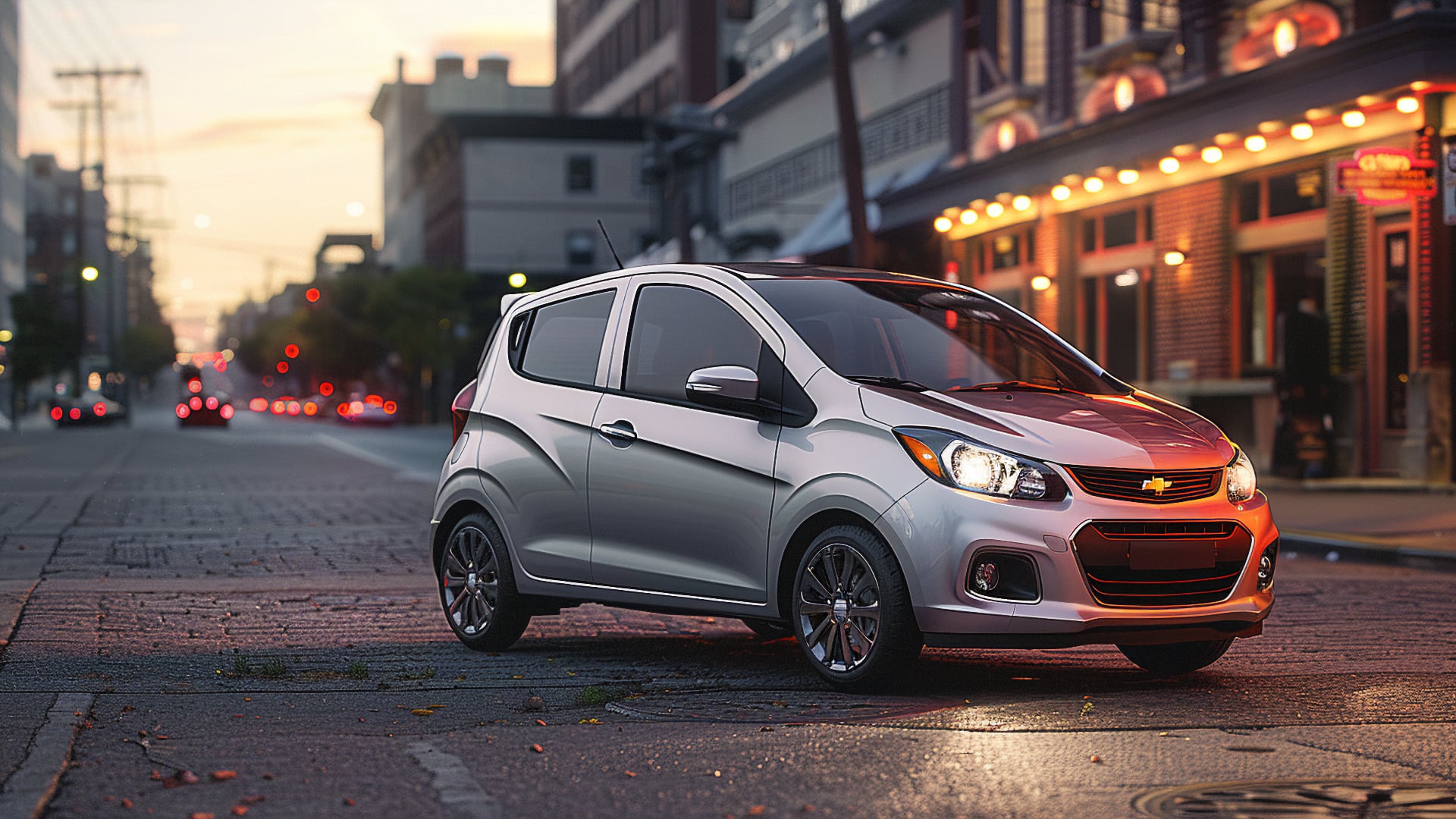
Credit: rerev.com
How To Identify A Problem Chevy Spark
If you’re buying a used Spark, checking for trouble can save you money. Here’s what to look for:
- Check service records: Ask for maintenance history. Look for regular oil changes and repairs.
- Look for recalls: Use the VIN to check recall history. Make sure all recalls were fixed.
- Test drive the car: Listen for strange noises, feel for transmission shudder, and check electrical features.
- Inspect paint and body: Look for peeling paint, rust, and signs of previous damage.
- Check the A/C: Turn on the air conditioning and make sure it works well.
Many buyers forget to check recall records. This is a non-obvious but very important step. Recalls can show serious, hidden problems. You can check recalls on the official NHTSA site or the Chevy website.
Another insight: always check for dash warning lights. Even if the seller says it’s “normal,” flashing or constant lights can mean expensive repairs.
Buying Tips For A Used Chevy Spark
If you want a Spark, but want to avoid trouble, here’s how to shop smart:
Focus On 2018 And Newer Models
The best Spark years are 2018–2022. These models have better reliability, fewer recalls, and updated features. You also get improved safety, better infotainment, and higher resale value.
Avoid High-mileage Cars
Sparks with over 100,000 miles are more likely to have transmission or electrical problems. Try to find a Spark with fewer miles and a good maintenance record.
Get A Pre-purchase Inspection
Always have a trusted mechanic check the car before buying. This can reveal hidden issues and prevent expensive surprises.
Consider Certified Pre-owned (cpo)
Chevy offers Certified Pre-Owned Sparks. These cars are inspected, repaired, and come with a warranty. CPO models cost more, but offer peace of mind.
Negotiate Based On Problems
If you find minor issues, use them to negotiate the price. For example, if the A/C is weak or paint is peeling, ask for a discount or repair before buying.
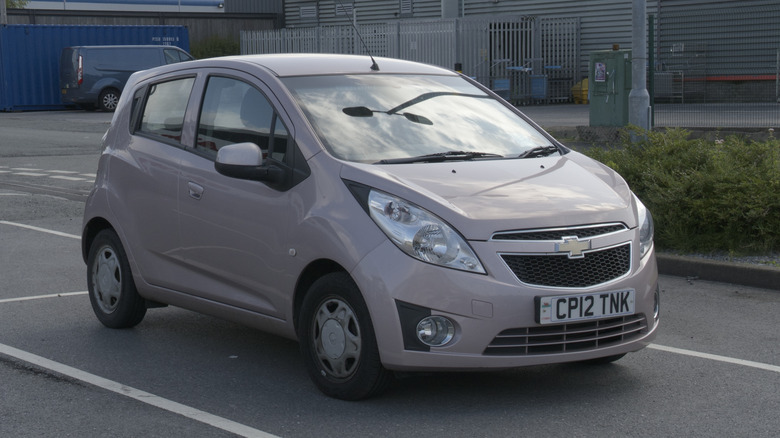
Credit: www.slashgear.com
Chevy Spark Recall History
Recalls are official warnings about safety or quality issues. The Spark has had several recalls, especially in early years. Here are some examples:
- 2013–2015: Airbag, seat belt, electrical system, radio software.
- 2016–2017: Transmission and engine recalls.
- 2018–2022: Few recalls, mostly for minor issues.
You can check recall history using the VIN at the National Highway Traffic Safety Administration (NHTSA) website.
Chevy Spark Owner Stories
Real owners can tell you a lot about the Spark’s problems. Here are some examples:
- 2013 Spark owner: “Transmission failed at 60,000 miles. Dealer wanted $3,000 to fix it. I traded it in for another car.”
- 2014 Spark owner: “Battery kept dying in winter. Mechanics replaced it twice, but problem returned.”
- 2015 Spark owner: “Air conditioning stopped working after two summers. Repair cost $800. Still weak air after fix.”
These stories show why it’s important to check for common Spark problems before buying.
Cost Of Ownership: Chevy Spark Years Compared
Owning a Spark can be cheap or expensive, depending on the year. Here’s a cost breakdown:
| Year | Annual Maintenance Cost | Repair Frequency | Insurance Cost |
|---|---|---|---|
| 2013 | $620 | High | $1,200 |
| 2014 | $550 | High | $1,150 |
| 2015 | $520 | Medium | $1,100 |
| 2018 | $400 | Low | $1,000 |
| 2020 | $370 | Low | $950 |
Older Sparks can cost more to keep running. Insurance is also higher for cars with more claims and recalls.
Chevy Spark Vs. Other Subcompact Cars
If you want a small, affordable car, you might consider alternatives. Here’s how the Spark compares:
- Toyota Yaris: Better reliability, higher resale value, more expensive.
- Honda Fit: More space, strong reliability, costs more.
- Kia Rio: Similar price, better warranty, fewer complaints.
The Spark is cheaper, but not always the best choice for reliability. If you want long-term dependability, consider the Yaris or Fit.
Should You Buy A Chevy Spark?
The Spark is a good choice for city driving, students, and budget buyers. It’s easy to park, uses little fuel, and is cheap to insure. But the wrong year can lead to expensive problems.
Here’s a quick summary:
- Best Years: 2018–2022
- Years to Avoid: 2013–2015 (especially 2013)
- Watch out for: Transmission, electrical, engine, A/C, paint
If you want the Spark, focus on newer models. Always check service records, recalls, and get a mechanic’s opinion. A little research can save you thousands.
Frequently Asked Questions
Is The Chevy Spark A Reliable Car?
The Spark is reliable if you choose newer models, especially 2018–2022. Older Sparks (2013–2015) have more breakdowns and recalls. Reliability improves in later years due to better design and fewer defects.
What Is The Most Common Problem With The Chevy Spark?
The most common issue is transmission failure in early models. Many owners report shuddering, slipping, or complete transmission breakdown. Electrical faults and air conditioning problems are also frequent.
How Long Does A Chevy Spark Last?
A well-maintained Spark can last 120,000–150,000 miles. Newer models often reach higher mileage with fewer repairs. Older Sparks may need major fixes by 100,000 miles, especially if maintenance was skipped.
Are Chevy Spark Repairs Expensive?
Repairs can be costly in older models, especially for the transmission ($2,000–$4,000). Newer Sparks have lower repair bills, but minor issues like A/C or electrical faults can still cost several hundred dollars.
How Can I Check If A Chevy Spark Has Recalls?
You can use the car’s VIN to check for recalls at the National Highway Traffic Safety Administration (NHTSA) site or the Chevy website. Always make sure all recalls were fixed before buying.
Final Advice
Choosing the right Chevy Spark can make your driving experience easy and affordable. But picking the wrong year can lead to costly problems. Focus on Spark models from 2018–2022 for the best reliability. Avoid 2013–2015 models, especially if you see signs of transmission or electrical trouble.
If you’re not sure, ask a mechanic for help and check service records. Consider alternatives like the Toyota Yaris or Honda Fit if you want even better reliability. For more details on Spark recalls and owner complaints, visit the official NHTSA site or resources like Consumer Reports.
With careful research and a smart approach, you can find a Spark that fits your needs and budget—without the worries of breakdowns or expensive repairs.