

If you’re searching for a reliable full-size SUV, the Chevy Tahoe often comes up. It’s been a favorite for families, adventure seekers, and anyone who needs lots of space. But not all Tahoe years are equal. Some models shine for their durability, while others have issues that can lead to expensive repairs and headaches. If you want to avoid buying a problematic Tahoe, it’s smart to know which years to skip and why.
This guide will help you understand which Chevy Tahoe years to avoid, including the specific problems, what causes them, and what to do if you already own one. You’ll get real-world examples, comparisons with other years, and tips for making a smart SUV purchase. Let’s dig in and save you money—and stress—down the road.
Why Chevy Tahoe Popularity Doesn’t Mean Perfection
The Chevy Tahoe is one of the best-selling full-size SUVs in the United States. Its popularity comes from a blend of power, comfort, and versatility. Large families, law enforcement, and even the military use it. It can tow heavy trailers, handle rough weather, and fit up to nine passengers.
But high sales don’t mean every year is a great choice. Over the decades, some Tahoe years have had repeat mechanical problems, poor reliability ratings, or costly repairs. These issues often get overlooked because the Tahoe’s overall reputation is strong.
What Makes A “year To Avoid”?
A year to avoid is a model year with more than the usual amount of problems, safety recalls, or expensive repairs. Common signs include:
- Frequent complaints about the same system (engine, transmission, etc.)
- Multiple recalls, especially for safety issues
- High repair costs for common problems
- Low reliability scores from sources like J.D. Power, Consumer Reports, or NHTSA
Knowing which years are riskier can help you shop smarter and avoid frustration.
Chevy Tahoe Generations: Quick Timeline
Before we list the years to avoid, it helps to understand the Tahoe’s history. Here’s a quick look at its generations:
| Generation | Model Years | Main Changes |
|---|---|---|
| 1st Gen | 1995–1999 | First modern Tahoe, boxy design |
| 2nd Gen | 2000–2006 | More rounded, improved engines |
| 3rd Gen | 2007–2014 | Modern styling, more safety features |
| 4th Gen | 2015–2020 | New chassis, tech upgrades |
| 5th Gen | 2021–present | Independent rear suspension, more space |
Problems often appear when a new generation launches, as new designs and technology can mean more bugs. Let’s look at which years stand out—for the wrong reasons.
Chevy Tahoe Years You Should Avoid
Certain Tahoe model years have a reputation for recurring issues. Here’s a focused look at the years buyers should be most cautious about:
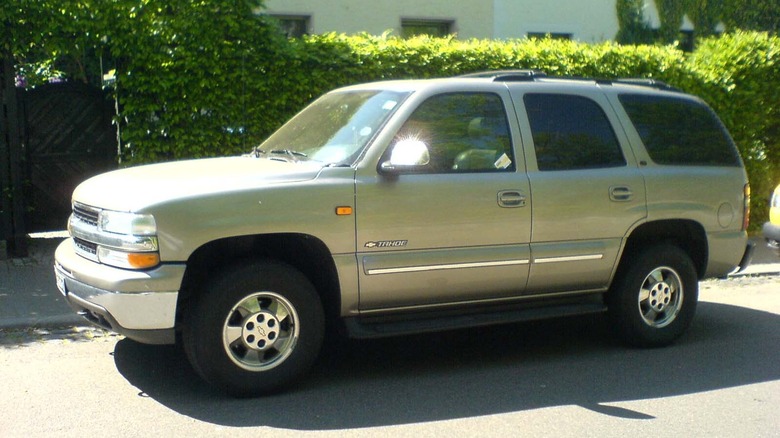
- 1999 Chevy Tahoe
- 2003 Chevy Tahoe
- 2004 Chevy Tahoe
- 2007 Chevy Tahoe
- 2008 Chevy Tahoe
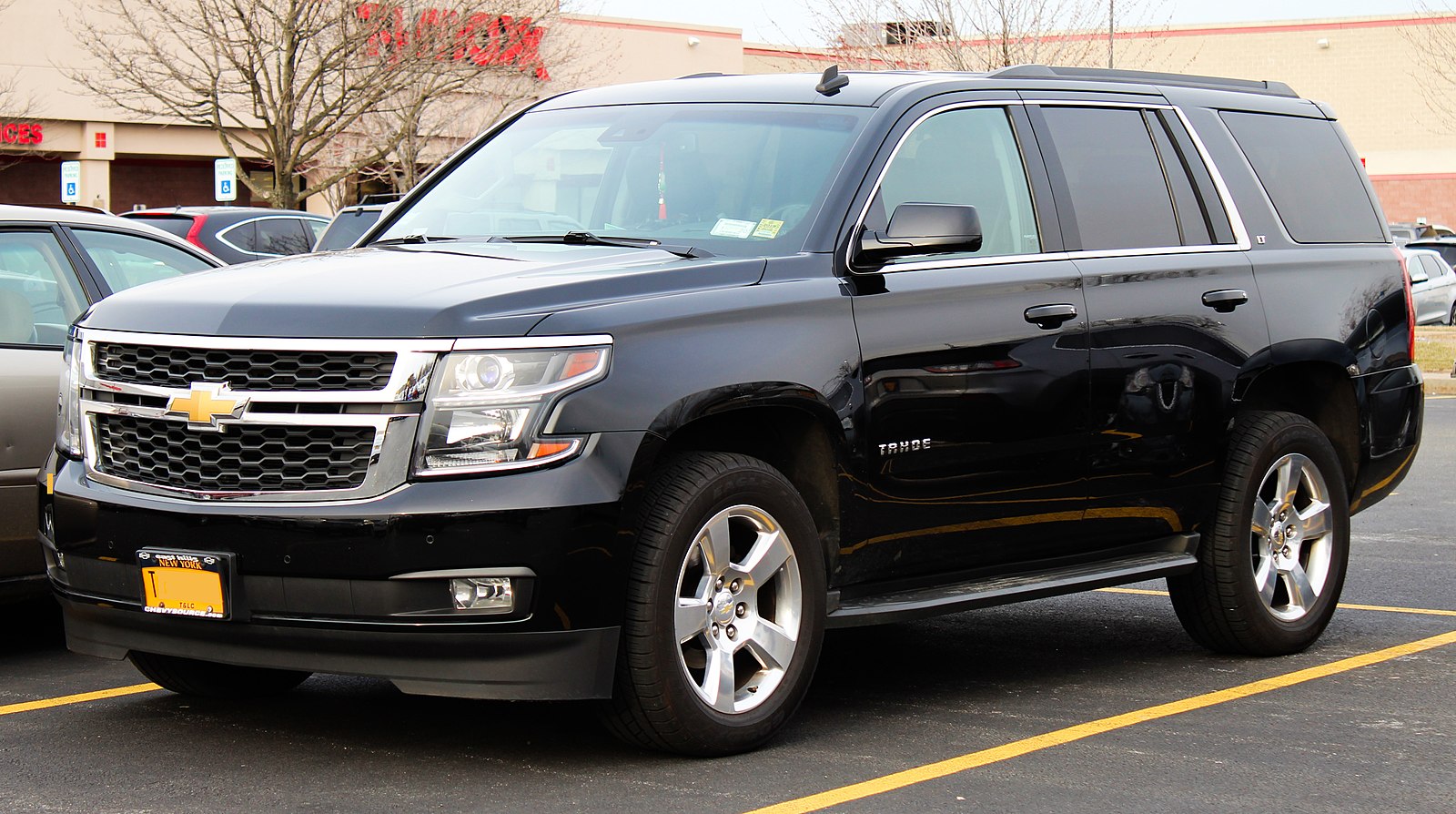
- 2015 Chevy Tahoe
- 2016 Chevy Tahoe
Let’s break down why these years are trouble, with specific examples.
1. 1999 Chevy Tahoe
The 1999 Tahoe is the last of the first generation. Owners report transmission failures and electrical problems. Key issues:
- Transmission may fail as early as 80,000 miles.
- ABS system can malfunction, increasing stopping distance.
- Dashboard lights and gauges often stop working.
Repairs can run from $1,500 to $3,500 for the transmission alone. Electrical issues often require repeated visits to the mechanic.
2. 2003 Chevy Tahoe
The 2003 Tahoe sits in the second generation but had a rough patch. Common complaints include:
- Instrument cluster failures (speedometer and gauges stop working).
- Bad fuel pumps, leading to stalls or no-start situations.
- Failing air conditioning systems.
The instrument cluster problem was so widespread that GM extended the warranty on this part for some vehicles. Still, many owners paid out-of-pocket.
3. 2004 Chevy Tahoe
The 2004 model continued the problems from 2003, with some new ones:
- Persistent instrument cluster failure.
- Brake line corrosion, leading to dangerous brake loss.
- Frequent problems with the fuel system.
The brake line issue is more common in regions where roads are salted in winter. This can make the truck unsafe to drive.
4. 2007 Chevy Tahoe
The 2007 model marked the start of the third generation. It introduced new engines and technology—but also new problems:
- Engine oil consumption—engines burn oil quickly, sometimes 1 quart every 1,000 miles.
- Cracked dashboards, which can create sharp edges and look bad.
- Transmission failures before 100,000 miles.
The oil burning issue is especially expensive. It can lead to engine damage if not caught early.
5. 2008 Chevy Tahoe
Problems continued in the following year:
- Excessive oil consumption persisted.
- Electrical issues, like door locks and windows failing.
- Air suspension system failures in higher trims.
Repairs for the air suspension can cost over $1,000. Electrical issues may appear random and are hard to fix.
6. 2015 Chevy Tahoe
A new generation, new problems. The 2015 Tahoe had:
- Vibrating “shaky” ride at highway speeds, often called the “Chevy shake.”
- Power tailgate failures.
- Transmission problems and hard shifting.
Many dealers struggled to fix the vibration issue, which annoyed many buyers. Transmission repairs are costly.
7. 2016 Chevy Tahoe
This year kept some 2015 issues and added a few more:
- Shaking and vibration continued.
- Faulty brakes—some vehicles had the brake pedal go soft or lose power assist.
- Air conditioning system failures.
The brake issue led to a recall, but not all vehicles were repaired in time.
Common Problems In These Years
Let’s look closer at the main issues behind these “years to avoid. ”
Engine Oil Consumption
Many 2007–2008 models burn oil quickly. GM’s V8 engines in these years use Active Fuel Management (AFM), which sometimes leads to oil getting past piston rings. This can:
- Lower engine life
- Cause engine damage if oil isn’t topped up often
A hidden risk: Many owners didn’t know they needed to add oil every 1,000 miles. This led to engine failure.
Transmission Failures
Tahoes with 4-speed and 6-speed automatics in the “years to avoid” can develop:
- Hard shifts between gears
- Slipping or refusal to go into gear
- Complete transmission failure
These issues sometimes appear as early as 60,000 miles. Rebuilding or replacing a Tahoe transmission is expensive.
Electrical And Instrument Cluster Problems
The instrument cluster is the set of gauges and lights on your dashboard. In the 2003–2004 Tahoes, these often fail. Problems include:
- Speedometer or tachometer stops working
- Fuel gauge reads empty when there’s gas
- Random warning lights
Driving with a failed cluster is frustrating and can be unsafe.
Cracked Dashboards
Third-generation Tahoes (especially 2007–2008) often develop cracks in the dashboard. While this may seem cosmetic, the cracks can:
- Create sharp edges
- Interfere with airbag deployment
Replacement is expensive, and repairs don’t always last.
Air Suspension And Ac Failures
Upper trims with air suspension (like LTZ) in 2008 and later can lose ride height or ride rough. The system is complex and costly to fix. Air conditioning issues are also common, especially in 2015–2016 models, due to faulty compressors or leaking lines.
Brake Problems
2016 models sometimes lose power brake assist, making it hard to stop quickly. This can be dangerous, especially at high speeds.
Credit: www.slashgear.com
How Bad Are The Problems? Comparing Repair Costs
To show how these issues stack up, here’s a quick comparison of repair costs for common problems in the years to avoid:
| Issue | Estimated Repair Cost | Years Most Affected |
|---|---|---|
| Transmission Failure | $2,500–$4,000 | 1999, 2007, 2015, 2016 |
| Instrument Cluster | $400–$700 | 2003, 2004 |
| Engine Oil Burning | $2,000–$5,000 (engine rebuild) | 2007, 2008 |
| Cracked Dashboard | $300–$1,200 | 2007, 2008 |
| Air Suspension | $1,000–$2,500 | 2008, 2015 |
| Brake Booster | $500–$900 | 2016 |
These repairs are not minor. For buyers on a budget, one major failure can ruin the Tahoe experience.
Chevy Tahoe Years With The Fewest Problems
It’s not all bad news. Some model years are known for strong reliability and fewer big problems. If you want a Tahoe, consider these years as safer bets:
- 2001–2002: Fewer electrical issues, solid engines.
- 2009–2014: Most bugs from the 2007–2008 models were fixed, making these years more dependable.
- 2017–2020: Improved brakes, fewer shaking problems, and better electronics.
- 2021–present: New suspension and technology, with good early reliability (though new models can always have surprises).
Buying one of these years doesn’t guarantee a perfect SUV, but you’re less likely to face expensive repairs.
Real-world Owner Stories
To understand what owning a “bad year” Tahoe is like, here are a few owner stories:
- 2007 Tahoe Owner: “At 85,000 miles, my engine started burning oil. I had to add a quart every 1,000 miles. GM said it was ‘normal.’ At 110,000 miles, the engine failed completely.”
- 2015 Tahoe Driver: “After 40,000 miles, my Tahoe developed a vibration I could feel in the steering wheel and seat. The dealer replaced the tires, but it didn’t help. The ‘Chevy shake’ is real.”
- 2004 Tahoe Experience: “My speedometer stopped working at 70,000 miles. The dealer quoted $600 to fix it. A month later, the fuel gauge also died.”
These stories match thousands of complaints on car forums and official databases.
How To Spot A Problem Tahoe Before Buying
If you’re shopping used, you can avoid most problem years by checking:
- Vehicle history report (Carfax or AutoCheck): Look for signs of repeated repairs, accidents, or recalls not completed.
- Service records: Ask for proof of maintenance, especially major repairs like transmission or engine work.
- Recalls: Use the VIN to check for open recalls at the NHTSA website.
- Professional inspection: Always have a mechanic look at the vehicle before buying. They can spot dashboard cracks, suspension leaks, or transmission trouble.
Buying from a private seller? Be extra careful. Dealers sometimes repair major issues before selling, while private sellers might not.
Common Mistakes When Buying A Used Tahoe
- Ignoring Recalls: Some buyers assume recalls are always fixed. Check the VIN with NHTSA to be sure.
- Skipping Test Drives: Always drive the Tahoe at highway speed to feel for vibration or shaking.
- Not Checking the Dashboard: Cracks or warning lights can signal bigger problems.
- Avoiding a Mechanic’s Inspection: Saving $100 on an inspection can cost thousands later.
- Choosing the Cheapest Option: Low price often means high repair costs ahead.
Many buyers focus only on mileage or price. But maintenance history is just as important.
What If You Already Own A Problem Year?
If you already have a Tahoe from a risky year, don’t panic. Here’s what you can do:
- Check for recalls: Sometimes, GM will fix known problems for free, even years later.
- Monitor oil levels: For oil-burning engines, check oil every 1,000 miles and top up as needed.
- Fix electrical issues early: Small problems can lead to bigger ones (like battery drain).
- Replace cracked dashboards: Consider aftermarket covers if the cost of factory replacement is too high.
- Stay ahead on maintenance: Change fluids, belts, and filters on time to minimize risk.
If expensive repairs keep coming, it may be time to trade up to a more reliable year.
Comparing Chevy Tahoe To Other Suvs
How does the Tahoe’s reliability stack up against other full-size SUVs? Here’s a quick comparison:
| Model | Known Problem Years | Common Issues | Reliability Rating (1-5) |
|---|---|---|---|
| Chevy Tahoe | 1999, 2003–2004, 2007–2008, 2015–2016 | Oil use, transmission, electrical | 3 |
| Ford Expedition | 1997–1999, 2004–2006 | Timing chain, spark plugs, suspension | 3.5 |
| Toyota Sequoia | 2001–2002 | Ball joints, minor electrical | 4 |
| GMC Yukon | Same as Tahoe | Same issues as Tahoe | 3 |
The Toyota Sequoia is often seen as more reliable, but the Tahoe is still competitive if you choose the right year.
Why Do Some Years Have More Problems?
Chevy often updates the Tahoe with new engines, transmissions, or electronics. The first few years of a new generation (like 2007, 2015) are more likely to have bugs. After a few years, the factory fixes most issues, and reliability improves.
Another reason: Some years used parts suppliers with quality control problems (like instrument clusters in 2003–2004). When GM switched suppliers, the issues often went away.
Credit: www.copilotsearch.com
Non-obvious Insights Most Buyers Miss
- Not all trims are equal: Higher trims with more features (like LTZ) are more likely to have air suspension, which can fail. Simpler trims often have fewer problems.
- Fleet vehicles are common: Many Tahoes are sold to police or rental fleets. These vehicles can have high miles and harder use, even if they look clean.
- Salt belt rust: If you live in a snowy area, check the underbody for rust—especially brake and fuel lines on 2004 models.
These details can make the difference between a great buy and a money pit.
How To Shop For A Reliable Used Tahoe
Here’s a simple approach:
- Pick the right years: Focus on 2009–2014 or 2017–2020.
- Check service history: Look for regular oil changes, transmission services, and recall work.
- Have a mechanic inspect: Pay for a full inspection, not just a quick look.
- Test drive at highway speeds: Listen and feel for vibrations.
- Check for aftermarket parts: If the suspension or dashboard was replaced, ask for receipts.
Patience pays off—avoid buying the first Tahoe you see.
Credit: 247wallst.com
When Is A High-mileage Tahoe Still A Good Buy?
A Tahoe with 150,000 miles or more can still be a good deal if:
- It has a full maintenance history
- Major repairs (transmission, engine) were already done
- There’s no rust or frame damage
- The price is much lower than average
Avoid high-mileage examples from the “years to avoid” unless they have proof of repairs for known issues.
The Bottom Line: Smart Choices Save Money
The Chevy Tahoe is a powerful, roomy SUV that can last a long time. But a few years are best skipped unless you want to spend more time at the shop than on the road. Knowing which Tahoe years to avoid can help you buy with confidence and avoid headaches. Always check the vehicle’s history, get a pro inspection, and don’t rush. The right Tahoe will serve you well for many years.
For more official data on recalls and complaints, check the National Highway Traffic Safety Administration database.
Frequently Asked Questions
What Are The Worst Years For The Chevy Tahoe?
The worst years for the Chevy Tahoe are 1999, 2003, 2004, 2007, 2008, 2015, and 2016. These years had the most complaints about engine, transmission, electrical, and suspension problems.
Are Newer Chevy Tahoes More Reliable?
Most newer Tahoes (2017 and later) are more reliable than earlier problem years. Chevy fixed many issues with the engine, brakes, and electronics. Still, always check the history and get a pre-purchase inspection.
Can I Fix A Tahoe With High Oil Consumption?
If your Tahoe burns oil, check the level often and top up as needed. Some repairs, like replacing piston rings or updating the PCV system, can help—but they are expensive. In many cases, regular maintenance and watching oil levels are the best solutions.
How Many Miles Will A Chevy Tahoe Last?
With good maintenance, a Tahoe can last 200,000 miles or more. Avoiding the years with known problems increases your chances of reaching high mileage without major repairs.
What’s Better: Chevy Tahoe Or Ford Expedition?
Both are strong full-size SUVs. The Tahoe is known for comfort and towing; the Expedition often has better ride quality and reliability in some years. The best choice depends on the model year and maintenance history. Always compare both before buying.
With this knowledge, you can approach your next Tahoe purchase with confidence—and avoid common mistakes that cost buyers thousands.