

The Chevy Cruze is a compact car that once competed with big names like the Honda Civic and Toyota Corolla. It promised good fuel economy, a comfortable ride, and a modern look. Many buyers found it attractive for daily driving and commuting. However, not every Cruze year delivered the same quality. Some model years stand out for the wrong reasons mainly reliability issues and costly repairs.
If you’re thinking about buying a used Chevy Cruze, knowing which years to avoid can save you time, money, and stress. This article will guide you through the Cruze’s history, highlight the years with serious problems, and explain why these issues matter.
You’ll also learn which years are safer bets and what to watch for when shopping for a used Cruze.
Why Do Some Chevy Cruze Years Have More Problems?
No car model is perfect every year. Some years, manufacturers introduce new engines, electronics, or designs. These changes can lead to unforeseen issues. Other times, cost-cutting or rushed production creates quality problems. For the Chevy Cruze, certain years suffered more because of:
- New engine technologies that weren’t fully tested
- Changes in manufacturing locations and suppliers
- Delayed recall responses
- Software or electronics updates that caused new bugs
These problems often happen when a car company tries to be first with new features. For example, adding a turbocharger or advanced infotainment without enough real-world testing can create trouble for buyers. Suppliers might change to save money, but new parts sometimes fail faster.
Delayed recalls mean that problems go unfixed for longer, putting owners at risk.
Most Cruze problems are well-known now, thanks to owner reports, recall records, and mechanic feedback. But many buyers still overlook these details, focusing only on price or features. Dealers may not mention common issues, and online ads often highlight only the positives.
Another factor is the pace of technology change. As car companies push for better fuel economy or lower emissions, they introduce new engine designs and electronics. This can help the environment, but it sometimes leads to complicated problems that mechanics and owners are not familiar with.
For the Cruze, this happened with the turbocharged engines and advanced sensors, leading to frequent failures in the early years.
Chevy Cruze Model Years To Avoid
Many experts and mechanics agree that some Cruze years bring higher risks. Below is a year-by-year look at the Cruze’s history, focusing on the years you should be most cautious about.
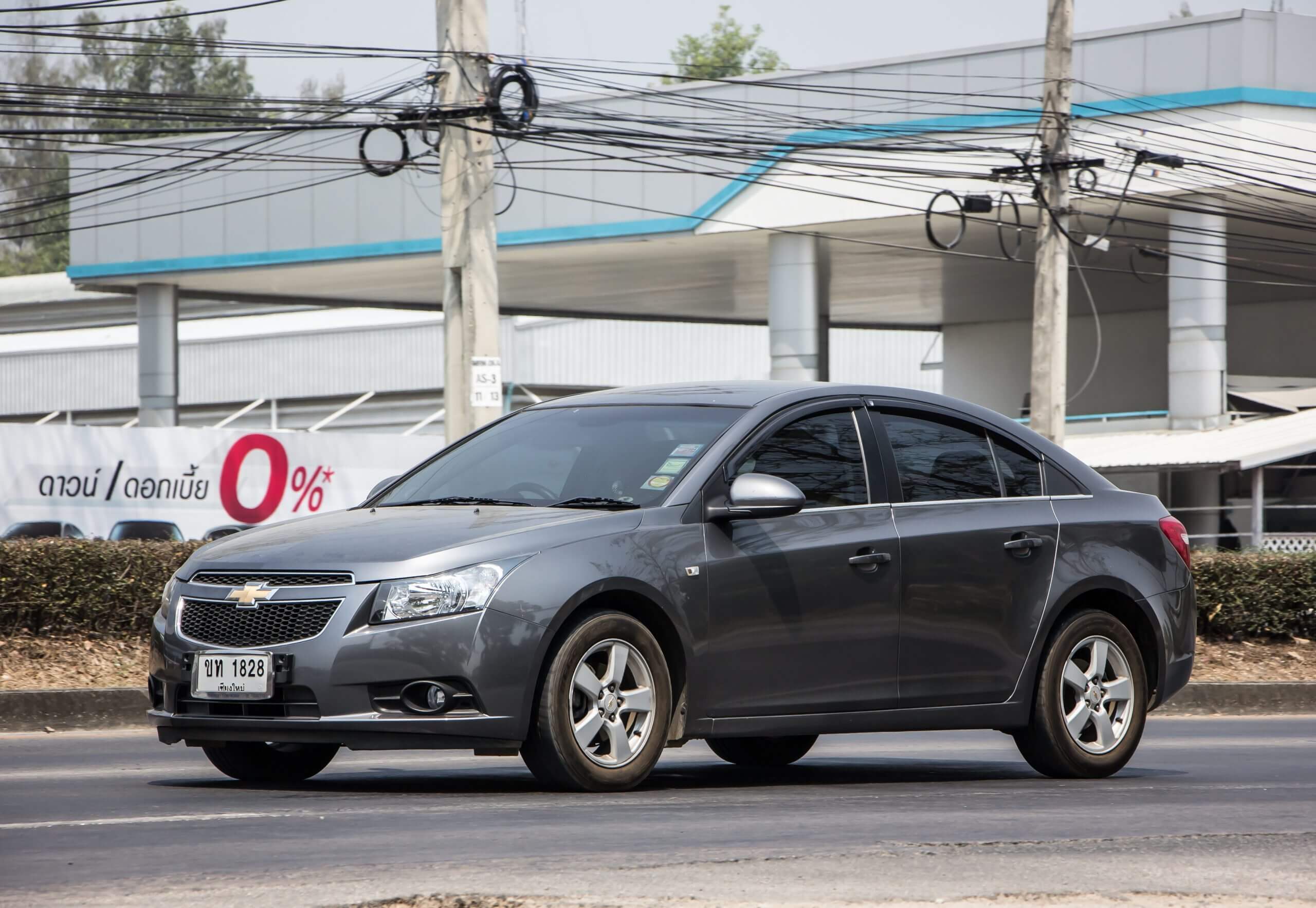
2011 Chevy Cruze
The 2011 Cruze was the first model year in the US. First years often have more problems, and this was no exception.
Common Problems
- Engine overheating: Many owners reported coolant leaks and overheating, sometimes leading to engine failure.
- Water pump failures: The water pump was a weak point, often failing before 60,000 miles.
- Transmission issues: Jerky shifting and early transmission failures were not uncommon.
- Electrical gremlins: Problems with the radio, dashboard lights, and warning systems appeared frequently.
One overlooked issue is the timing belt tensioner. If this part fails, it can cause catastrophic engine damage. Mechanics report that the tensioner sometimes wears out quickly in the 2011 model, especially if oil changes are skipped or the engine is run hot.
Real-world Example
A 2011 Cruze owner shared that the car overheated on the highway just after the warranty ended. The repair bill was over $1,000 for a new water pump and thermostat, and more problems followed later. Another owner reported that the car suddenly lost power and wouldn’t restart, leading to a costly tow and full engine rebuild.
Why To Avoid
The 2011 model was a new design and had not been fully refined. Unless you find one with all major repairs done and a low price, it’s best to skip this year. Even if you see a tempting deal, remember that hidden repairs can cost more than the car’s value.
2012 Chevy Cruze
Many of the same problems from 2011 carried over into 2012.
Common Problems
- Coolant leaks: The engine and turbo continued to suffer from leaks.
- Intake manifold failures: The intake manifold was prone to cracking, causing rough idling and poor performance.
- Turbocharger issues: Turbo failures led to expensive repairs.
- Check engine lights: Frequent warning lights, often linked to emissions or sensor failures.
The 2012 model also saw issues with the engine valve cover gasket, which could leak oil onto engine components. This not only causes messy engine bays but can also lead to fire risk if not fixed quickly.
Notable Recalls
The 2012 Cruze had recalls for engine shield fires and brake assist issues, showing that safety concerns were real. Some recalls affected thousands of cars, and parts availability was sometimes slow. Owners often had to wait weeks for repairs, leading to frustration and inconvenience.
Why To Avoid
High repair frequency and expensive fixes make this year a poor choice for most buyers. In addition, some 2012 Cruzes suffered from repeated recall repairs, showing that the fixes were not always permanent.
2013 Chevy Cruze
While GM fixed some early issues, the 2013 Cruze still had notable weaknesses.
Common Problems
- Coolant system failures: Leaks and overheating problems persisted.
- PCV valve failure: A faulty PCV valve led to oil leaks and engine damage if ignored.
- Transmission hesitation: Shifting delays, especially in the automatic model.
Some owners also reported fuel injector issues. When fuel injectors clog or fail, the engine can run rough, lose power, or stall completely. These problems are harder to spot during a short test drive, so buyers often discover them weeks after purchase.
Owner Insight
Many mechanics say the 2013 is better than 2011 and 2012, but costly engine problems can still appear. Some owners have spent over $2,000 on repairs before 100,000 miles. One owner described needing three different coolant system repairs in less than two years, despite regular maintenance.
Why To Be Careful
Unless you can confirm all repairs have been done, consider a newer model. Ask for detailed service records and check for signs of engine leaks or rough idling during a test drive.
2014 Chevy Cruze
The 2014 model saw improvements, but some problems remained.
Common Problems
- Water pump and thermostat issues: Slightly less common, but still present.
- Diesel engine problems: The 2.0L diesel had its own set of fuel system issues.
- Air conditioning failures: AC compressors often failed early.
A less-discussed issue in the 2014 diesel model is the DEF (diesel exhaust fluid) system. If this system fails, repairs can be expensive and complex. Owners sometimes face warning lights and reduced engine power because of DEF problems.
Notable Positive
This year had fewer major engine failures than earlier models. The interior quality also improved, with fewer complaints about rattling or loose trim.
Should You Avoid It?
2014 is a borderline year. If you find one with full service records and recent repairs, it might be a reasonable buy, but caution is still advised. Consider checking the diesel system and AC before buying.
2015 Chevy Cruze
The 2015 Cruze was more reliable, but not perfect.
Common Problems
- Minor electrical issues: Door locks and infotainment glitches.
- Sensor failures: Some check engine lights were due to faulty sensors rather than real engine problems.
Some owners report headlight condensation. Moisture inside the headlights can lead to bulb failure or reduced visibility, especially in humid climates.
Notable Improvement
Fewer reports of engine overheating and turbo failures. Improved build quality and updated interior features helped boost owner satisfaction.
Should You Avoid It?
2015 is much safer, but if you can afford a 2016 or newer, those are usually better. Still, check for electrical or sensor issues before buying.
The Worst Chevy Cruze Years At A Glance
Below is a comparison of the most problematic Cruze years, based on common owner complaints and recall data.
| Model Year | Major Issues | Average Repair Cost | Recalls | Owner Reports |
|---|---|---|---|---|
| 2011 | Overheating, water pump, transmission | $1,200 | 7 | High |
| 2012 | Coolant leaks, intake, turbo | $1,500 | 6 | High |
| 2013 | Coolant, PCV valve, transmission | $1,000 | 4 | Moderate |
| 2014 | Water pump, diesel issues | $900 | 3 | Moderate |
| 2015 | Electrical, sensor issues | $700 | 2 | Lower |
Repair costs vary depending on location, but these numbers reflect typical bills for major fixes. Owners often pay more when they visit dealerships instead of independent mechanics.
Years With The Most Recalls
Chevy Cruze recalls show which years had serious design or safety problems. Recalls are usually issued after many complaints or accidents.
| Year | Number of Recalls | Common Recall Reasons |
|---|---|---|
| 2011 | 7 | Engine shield fires, steering, brakes |
| 2012 | 6 | Brake assist, engine fires, airbag issues |
| 2013 | 4 | Powertrain, airbags, electrical |
| 2014 | 3 | Fuel system, transmission |
| 2015 | 2 | Airbags, sensors |
The first two years, 2011 and 2012, are clear outliers with the most recalls and safety concerns. For these years, recalls often involved serious risks—such as engine fires or brake failures—which could lead to accidents.
Credit: blog.cartimeauto.com
Most Common Chevy Cruze Problems (and Why They Matter)
Understanding what goes wrong can help you spot trouble before you buy. Here are the most frequent problems and why they should concern you.
Engine Overheating And Coolant Leaks
Overheating is more than an inconvenience. In the Cruze, it often signals a bad water pump, thermostat, or a cracked coolant tank. If ignored, it can lead to a blown head gasket or total engine failure. Repairs can cost over $1,000, and repeated overheating may shorten engine life.
A beginner mistake is thinking that a small coolant leak is “normal. ” In reality, even a slow leak can cause overheating and permanent damage. Always check the coolant level and look for puddles under the car.
Transmission Problems
Some Cruzes, especially from 2011-2013, had automatic transmissions that shifted roughly or failed early. Replacing a transmission can cost $2,000 or more—sometimes more than the car’s value on the used market.
If you notice hesitation or jerky shifting during a test drive, don’t assume it’s just “old age. ” These symptoms often mean bigger problems are coming. Ask the seller about previous transmission repairs and look for service records.
Turbocharger Failures
The Cruze’s 1.4L turbo engine gave good power and fuel economy, but the turbo itself was a weak spot. Turbo replacement is expensive, and if the failure sends debris into the engine, it could cause further damage.
Some buyers don’t realize that turbo repairs require special tools and skills. Regular mechanics may not fix the turbo correctly, leading to repeated breakdowns. If you want a turbo Cruze, budget for possible repairs and ask about previous turbo replacements.
Intake Manifold And Pcv Valve Issues
A cracked intake manifold or failed PCV valve can cause rough running, oil leaks, and check engine lights. These problems are especially common in the 2012 and 2013 models.
Many owners ignore rough idling, thinking it’s just “old car” behavior. But these symptoms can lead to engine damage and costly repairs. Always check for smooth engine operation and ask about PCV valve replacements.
Electrical And Sensor Faults
Electrical gremlins are frustrating and hard to diagnose. Common symptoms include random warning lights, radio shutdowns, and power window problems. While not always expensive, they can lead to failed inspections or safety issues.
Modern cars depend on sensors for emissions, safety, and performance. If a sensor fails, the car may run poorly or not pass emissions tests. Make sure all dashboard lights turn off after starting the car.
Air Conditioning Failures
Losing AC in a hot climate is more than an annoyance. Cruze AC compressors and system leaks can be costly to fix.
Some buyers think AC repairs are “cheap. ” In the Cruze, fixing the compressor or evaporator can cost hundreds of dollars, so check that the system works during your test drive.
How To Spot Trouble In A Used Chevy Cruze
If you still want a Cruze, it’s important to check any used car carefully. Here’s what to do:
- Check for Recalls: Visit the NHTSA website or ask a dealer if all recalls have been fixed.
- Review Service Records: Look for recent water pump, turbo, and transmission repairs.
- Inspect for Leaks: Any sign of coolant or oil under the car is a red flag.
- Test Drive: Notice any hesitation, rough shifts, or warning lights.
- Professional Inspection: Pay a trusted mechanic to inspect the car before you buy.
Many buyers skip the professional inspection to save money, but this often leads to much higher repair bills later. Ask the mechanic to check for hidden leaks, timing belt wear, and signs of overheating. A thorough inspection should include checking all sensors, AC operation, and listening for strange noises under the hood.
Another practical tip: bring a friend who knows cars, or use a mobile inspection service. Small upfront costs can prevent big losses later.
Chevy Cruze Years Worth Considering
Not all Cruze models have problems. After 2015, reliability improved.
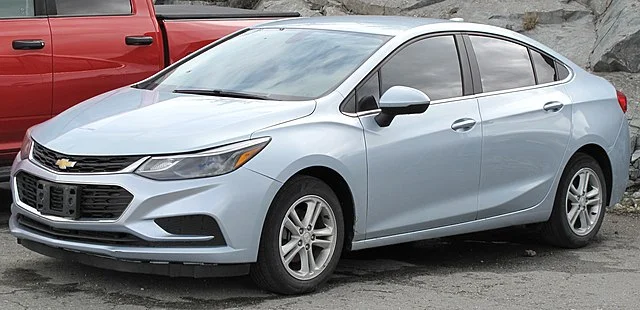
2016 Chevy Cruze
This was the first year of the second generation Cruze. It brought a new engine and better build quality.
- Fewer recalls
- Improved fuel economy
- More reliable electronics
Owners report smoother rides and fewer breakdowns. The 2016 model also added more safety features, such as side airbags and stability control, which make it a safer choice for families.
2017-2019 Chevy Cruze
These later models are even better, with updated infotainment, more safety features, and fewer major complaints.
- Low repair costs
- Good owner satisfaction
- Less risk of engine or transmission failure
Another benefit is improved resale value. These models hold their value better and are easier to sell later. Features like Apple CarPlay, Android Auto, and advanced driver aids make the 2017-2019 Cruze more modern and enjoyable to drive.
Comparing Good And Bad Chevy Cruze Years
Here’s a quick look at which years are usually safe and which are best avoided.
| Year | Buy with Caution | Safer Choice |
|---|---|---|
| 2011 | Yes | No |
| 2012 | Yes | No |
| 2013 | Yes | No |
| 2014 | Maybe | No |
| 2015 | Maybe | Yes |
| 2016-2019 | No | Yes |
Credit: www.fixdapp.com
Two Insights Many Buyers Miss
1. Used Car Prices Don’t Always Match Reliability
A low price on a 2011-2012 Cruze might seem like a deal, but repair costs can erase your savings. Many buyers focus only on the purchase price, not the total cost of ownership. Always budget for possible repairs.
A second insight: insurance costs and registration fees can be higher for cars with frequent recalls or accident history. Ask your insurer for a quote before buying.
2. Recalls Don’t Mean Problems Are Fixed
Some owners assume a recalled part was replaced during regular service. In reality, many cars are sold with open recalls. Always check the recall history and confirm repairs with the seller.
Another detail: recall repairs sometimes use the same flawed parts, so problems can return. Always ask for paperwork showing which parts were replaced and when.
What To Do If You Already Own A Problematic Cruze
If you have a Cruze from a “bad” year, don’t panic. Preventive maintenance can keep problems from getting worse.
- Change coolant and oil on time
- Replace worn hoses and belts
- Fix small leaks immediately
- Keep records of all repairs
If you face a major repair, compare the cost to the car’s value. Sometimes, it makes more sense to sell or trade in the car rather than pay for a new engine or transmission.
Another tip: consider extended warranties if you plan to keep the car. These can help cover big repairs and give peace of mind.
Credit: www.copilotsearch.com
Are All Used Chevy Cruzes A Bad Choice?
Not at all. The Cruze offers good value when you pick the right year. Later models have fewer problems and more modern features. Buying from a private seller with full records, or a dealer with a warranty, is safer. If you need a reliable, fuel-efficient car, the 2016-2019 Cruze is worth a look.
It’s smart to compare the Cruze’s features and price with other cars in the same class. Look at owner reviews and ratings online to see how the car performs in real life.
Alternative Cars To Consider
If you’re not sure about the Cruze, here are some alternatives in the same price range and class:
- Toyota Corolla: Famous for reliability and low running costs.
- Honda Civic: Sporty feel, strong resale value.
- Mazda3: Fun to drive, good safety scores.
- Hyundai Elantra: Long warranty, improving reliability.
- Ford Focus: Watch for transmission issues in 2012-2016 models.
These cars have their own pros and cons, but they generally avoid the Cruze’s early engine and cooling system problems. For example, the Corolla rarely has overheating issues, and the Civic’s transmission is more durable.
Another alternative is the Kia Forte, which has a strong warranty and modern features at a competitive price.
Frequently Asked Questions
What Is The Most Reliable Chevy Cruze Year?
The 2016 Chevy Cruze is often seen as the most reliable. It launched a new generation with fewer problems, better engines, and updated features. The 2017-2019 models also score well for reliability and owner satisfaction.
Why Are The 2011 And 2012 Cruze Models So Problematic?
These were the first US Cruze models. They had unproven engines, weak water pumps, and lots of electronics bugs. GM fixed many issues in later years, but early models were hit with recalls and expensive repairs.
How Can I Check If A Cruze Has Open Recalls?
Use the National Highway Traffic Safety Administration (NHTSA) website. Enter the car’s VIN to see if any recalls are still active. You can also ask a Chevy dealer to check. For more details, visit the NHTSA’s official recall database.
Are Chevy Cruze Diesel Models More Reliable?
Diesel Cruzes (2014-2015) have unique problems, especially with fuel systems and emissions controls. While they offer good mileage, repair costs can be high. Most experts suggest the gas models, especially from 2016 onward, are less risky.
What’s The Biggest Mistake Used Cruze Buyers Make?
Many buyers skip a mechanic’s inspection before buying. This can hide costly problems like engine leaks or turbo issues. Always get a pre-purchase inspection—it’s the best way to avoid buying a “bad” Cruze.
If you’re searching for a used compact car, knowing which Chevy Cruze years to avoid is critical. With the right information, you can find a reliable vehicle and avoid unwanted surprises down the road.