Choosing a used Chevrolet Traverse can be a smart move for families who need space, comfort, and power. However, not every Traverse model is built the same. Some years have costly issues and reliability problems that can turn your dream SUV into a headache. If you want to avoid expensive repairs and enjoy a reliable ride, it’s crucial to know which Traverse years to avoid and why.
This guide gives you a complete look at the years to avoid, the common problems, and what makes some models better than others. Whether you’re shopping for your first Traverse or trading in your old SUV, these insights will help you buy with confidence.
Why Chevrolet Traverse Attracts Families
The Chevrolet Traverse is a midsize SUV that stands out for several reasons:
- Three-row seating for up to eight passengers
- Spacious cargo area for luggage, groceries, and gear
- Smooth ride that feels comfortable even on long trips
- Strong V6 engine for good acceleration and towing
Chevrolet launched the Traverse in 2009 as a practical option for families who want a mix of minivan convenience and SUV style. Over the years, the Traverse has earned a reputation for comfort and utility. However, reliability varies widely between model years.
The Main Chevrolet Traverse Years To Avoid
Not all Chevrolet Traverse models are created equal. Some years have a long list of complaints, recalls, and known issues. Based on owner reports, expert reviews, and reliability data, the main years to avoid are:
- 2009
- 2010
- 2011
- 2012
- 2013
- 2018
Let’s look closer at why these years stand out—and what problems you might face if you choose them.
Detailed Look: Problem Years And Their Common Issues
2009 Chevrolet Traverse
The first year of any new car model often brings more issues, and the 2009 Traverse is no exception.
Common problems:
- Transmission failure: Many owners report the transmission slipping, hard shifting, or total failure, often before 100,000 miles. This repair can cost $3,000 or more.
- Timing chain wear: Premature stretching leads to engine warning lights, rough running, and sometimes complete engine failure.
- Power steering failure: Loss of steering assist, especially at low speeds. Repairs can be expensive and dangerous if left untreated.
Why to avoid: The 2009 model has the highest number of complaints and is less reliable than later years. Early production issues and design flaws lead to more frequent and expensive repairs.
2010 Chevrolet Traverse
The 2010 model carried over many of the same problems as the 2009.
Main complaints:
- Transmission issues: Still common, with many units failing before 100,000 miles.
- Engine problems: Excessive oil consumption and timing chain failures persist.
- Electrical issues: Malfunctions in the power locks, windows, and infotainment systems.
Why to avoid: This year saw only minor improvements over 2009. The risk of big, costly repairs remains high.
2011 Chevrolet Traverse
Chevrolet made some updates, but the 2011 Traverse still has reliability concerns.
Frequent problems:
- Air conditioning failures: Many owners report the AC stops working, often due to leaky hoses or failed compressors.
- Continued transmission and timing chain issues
- Excessive oil consumption: The engine burns oil faster than normal, which can lead to engine damage if not closely monitored.
Why to avoid: Most of the major mechanical problems from previous years were not fixed. Repair bills can add up quickly.
2012 Chevrolet Traverse
The 2012 model saw a slight drop in complaints but still suffers from serious issues.
Notable problems:
- Power steering failure: Sudden loss of steering assist is common.
- Engine and transmission issues: Both remain frequent sources of frustration for owners.
- Interior electronics: Problems with dashboard lights, sensors, and displays.
Why to avoid: While slightly better, the 2012 Traverse still falls short in reliability.
2013 Chevrolet Traverse
2013 brought a facelift and some new features, but mechanical issues continued.
Key concerns:
- Transmission trouble: Hard shifting, hesitation, and failures remain.
- Infotainment glitches: The new MyLink system often freezes or fails to connect.
- Air conditioning and heating: Blower motors and controls are known to break.
Why to avoid: Cosmetic improvements can’t hide the ongoing reliability issues.
2018 Chevrolet Traverse
Chevrolet redesigned the Traverse for 2018, but early models of any new generation often have growing pains.
Common complaints:
- Electrical system faults: Problems with dashboard displays, sensors, and driver-assist features.
- Transmission hesitation: Rough or delayed shifting, especially at low speeds.
- Brake system problems: Premature wear or failure, sometimes causing warning lights.
Why to avoid: The first year of the second generation, the 2018 Traverse, had more recalls and complaints than later years. Waiting for the bugs to be fixed in following years is the safer bet.
How These Years Compare: Complaints And Recalls
Here’s a comparison of major problems and recall counts for the main years to avoid.
| Model Year | Top Reported Issues | Estimated Repair Cost* | Recalls |
|---|---|---|---|
| 2009 | Transmission failure, timing chain, power steering | $3,000+ | 6 |
| 2010 | Transmission, engine, electrical | $2,500+ | 5 |
| 2011 | Air conditioning, transmission, oil consumption | $2,300+ | 4 |
| 2012 | Steering, engine, interior electronics | $2,200+ | 3 |
| 2013 | Transmission, infotainment, HVAC | $2,500+ | 3 |
| 2018 | Electrical, transmission, brakes | $1,800+ | 5 |
*Estimated based on average repair shop prices for major issues.
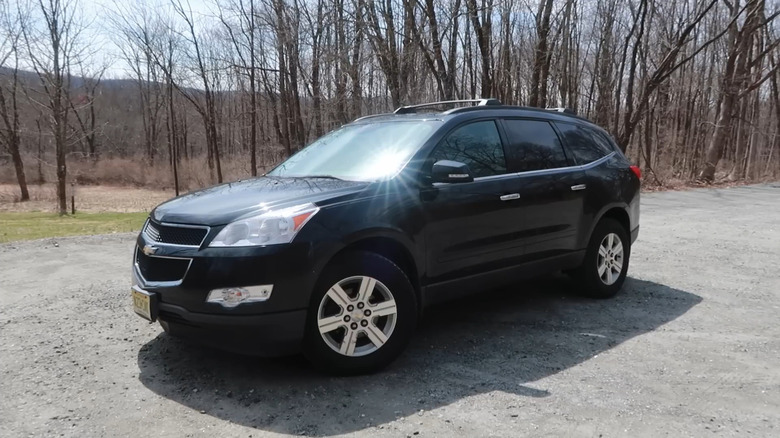
Credit: www.slashgear.com
Other Years With Notable Issues
While the years above are the most problematic, a few other models have specific complaints:
- 2014 Traverse: Some early 2014s have reported transmission and electrical issues, but these are less frequent than earlier years.
- 2015-2017 Traverse: Reliability improved, but a few owners mention minor infotainment glitches and air conditioning problems.
- 2019 Traverse: Some owners report electronic and brake issues, but these are not as widespread.
If you find a Traverse from these years, review its service history and get a pre-purchase inspection for peace of mind.
Why These Problems Matter For Used Buyers
Buying a used car is always a risk, but certain Traverse years make the risk much higher. Here’s why:
- High repair costs: Major problems like transmission or engine failure can cost thousands, sometimes more than the car’s value.
- Safety concerns: Steering and brake failures can put your family at risk.
- Resale value: Cars with a history of expensive problems lose value faster and are harder to sell.
A Traverse from a problematic year may seem like a good deal, but hidden repair costs can quickly erase your savings.
Years Of The Chevrolet Traverse To Consider
Not all Traverse models have trouble. Some years stand out for reliability, comfort, and value. If you want a Traverse, consider these years instead:
- 2014 (late models)
- 2015
- 2016
- 2017
- 2019
- 2020
- 2021
- 2022
These years have fewer complaints, better reliability ratings, and more advanced safety features. Many owners report high satisfaction and fewer trips to the repair shop.
Why These Years Are Better
- Fewer major mechanical issues
- Improved transmissions and engines
- Better electronics and infotainment systems
- Upgraded safety features
Chevrolet made steady improvements after the early years, especially from 2015 onward. These changes cut down on the most expensive and frustrating problems.
Comparing Good Vs. Bad Traverse Years
To help you see the differences, here’s a side-by-side look at two important factors: reliability and owner satisfaction.
| Model Year | Reliability Rating (out of 5) | Owner Satisfaction (out of 5) |
|---|---|---|
| 2010 | 2.0 | 2.1 |
| 2013 | 2.5 | 2.3 |
| 2016 | 3.5 | 3.6 |
| 2019 | 4.2 | 4.3 |
| 2021 | 4.4 | 4.5 |
*Data from Consumer Reports and owner surveys.
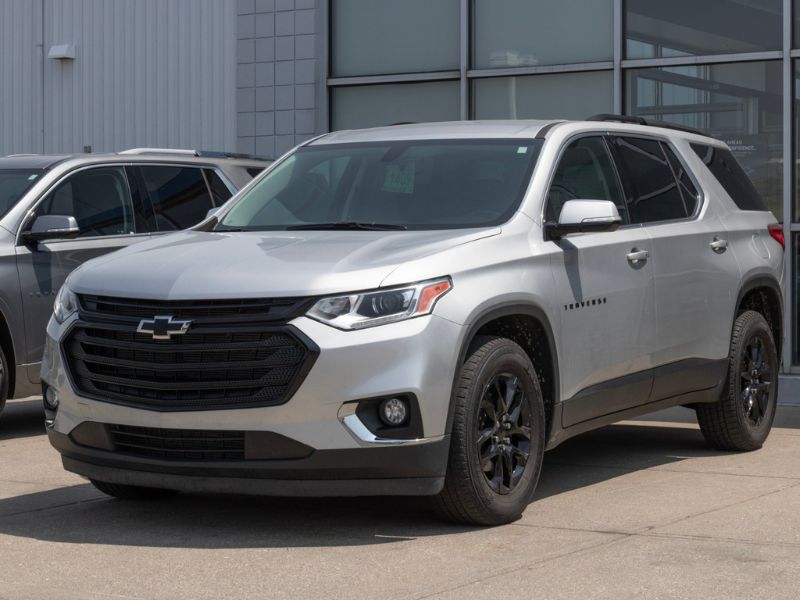
Credit: www.fixdapp.com
The Most Costly Traverse Problems Explained
Understanding the most expensive and frustrating Traverse issues can help you know what to look for and avoid. Here’s a closer look at the top three:
Transmission Failure
The 6-speed automatic transmission in early Traverse models is a weak point. Symptoms include:
- Hard or delayed shifting
- Slipping between gears
- Warning lights on the dashboard
If the transmission fails, the car may not move or could stop driving suddenly. Rebuilding or replacing a transmission typically costs between $2,500 and $4,000.
Non-obvious insight: Many Traverse owners report that regular transmission fluid changes (every 40,000 miles) can reduce failure risk, but GM did not include this in the early maintenance schedule.
Timing Chain Problems
The timing chain controls the engine’s valves and pistons. In problem years, the chain stretches or wears out early, causing:
- Engine misfires
- Warning lights
- Rough running
If the chain breaks, the engine can be destroyed. Repairs cost $1,500 to $3,000. This issue is most common in the 2009–2012 models.
Non-obvious insight: Engines that burn oil often have more timing chain wear. Checking oil regularly and topping it off can help prevent bigger problems.
Power Steering Failure
Losing power steering makes the Traverse hard to control, especially at low speeds or when parking. Symptoms include:
- Whining or groaning noises
- Heavy steering feel
- Sudden loss of assist
Repairing the steering system can cost $1,200 or more. This problem is common in 2009–2012 models.
What Causes These Reliability Problems?
Most of the Traverse’s problems come from:
- Rushed design changes: The Traverse was built quickly on GM’s Lambda platform, with some components not fully tested.
- Supplier issues: Some early parts came from suppliers with quality control problems, especially in the transmission and timing chain.
- Delayed recalls: GM sometimes waited to issue recalls, so problems weren’t fixed quickly.
It’s important to note that Chevrolet improved quality control in later years, which is why newer models are more reliable.
How To Spot A Problematic Traverse
If you’re looking at a used Traverse, here’s how to avoid a lemon:
- Check the VIN for recalls at the official NHTSA website.
- Ask for service records to see if major repairs were done.
- Test drive at different speeds to check for shifting, steering, or braking issues.
- Have a trusted mechanic inspect the car before you buy.
Most sellers will let you take the car for an inspection if you offer a refundable deposit.
What To Do If You Own A Problem Year Traverse
If you already own a Traverse from a year with known issues, don’t panic. Here’s how to protect your investment:
- Keep up with maintenance: Follow the recommended service schedule and change fluids often.
- Check for open recalls: Free repairs may be available if your car is included.
- Watch for warning signs: If you hear new noises or see warning lights, act quickly.
- Consider extended warranties: For costly repairs, a warranty can help reduce out-of-pocket costs.
Comparing The Traverse To Other Midsize Suvs
How does the Chevrolet Traverse stack up against competitors for reliability? Here’s a quick look:
| Model | Best Years | Worst Years | Reliability (out of 5) |
|---|---|---|---|
| Chevrolet Traverse | 2015–2017, 2019–2022 | 2009–2013, 2018 | 3.5 |
| Toyota Highlander | 2014–2019 | 2008–2013 | 4.5 |
| Honda Pilot | 2016–2021 | 2009–2011 | 4.2 |
| Ford Explorer | 2017–2019 | 2011–2016 | 3.0 |
Compared to rivals like the Toyota Highlander or Honda Pilot, the Traverse has more ups and downs in reliability. But newer Traverse models are much improved and offer strong value.
Best Practices When Shopping For A Used Traverse
To get the most value and avoid trouble, use these tips:
- Focus on later model years (2015 or newer)
- Look for one-owner vehicles with complete service history
- Buy from reputable dealers who offer warranties and return policies
- Test all features (air conditioning, infotainment, safety systems) before buying
- Negotiate price based on any needed repairs or open recalls
If you’re buying online, ask for a vehicle history report and extra photos.
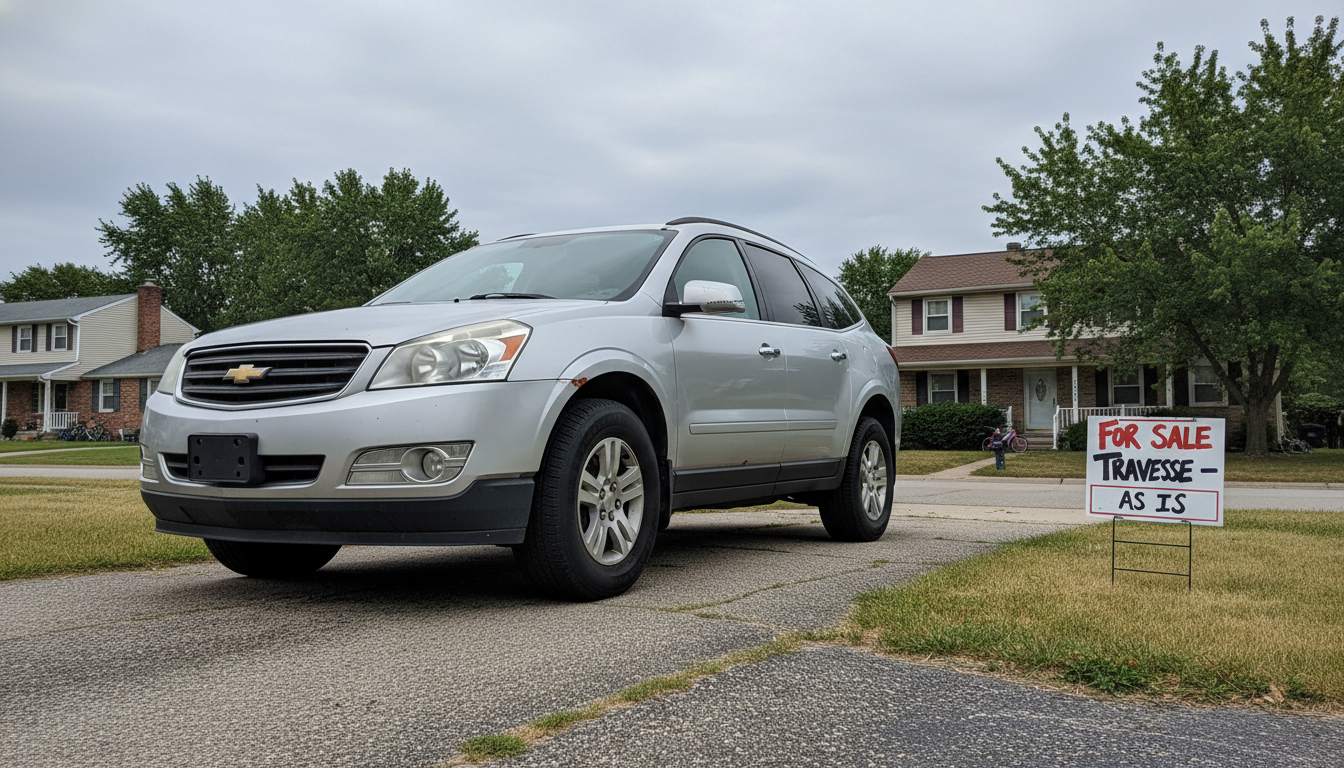
Credit: vehiclefixation.com
Common Buyer Mistakes To Avoid
Many buyers make the same mistakes when shopping for a used Traverse. Here’s what to watch out for:
- Ignoring recalls: Some sellers skip recall repairs, leaving you with the problem.
- Skipping the pre-purchase inspection: Small problems can hide big costs.
- Being blinded by low price: Cheap cars often have hidden damage or expensive repairs coming soon.
- Not checking for leaks: Oil or coolant leaks are warning signs in older Traverses.
Real-world Owner Stories
Hearing from real Traverse owners can help you understand what it’s like to live with these SUVs.
- Jessica, 2011 Traverse: “I loved the space for my kids, but after two transmission repairs and power steering failure before 90,000 miles, I traded it for a newer model.”
- Mike, 2016 Traverse: “It’s been super reliable. Just regular maintenance so far, and it’s comfortable on long trips.”
- Samantha, 2018 Traverse: “Lots of tech features, but had to get the backup camera fixed twice under warranty. Otherwise, it’s been a great family car.”
How To Find Out If A Traverse Has Recalls
Every car has a unique Vehicle Identification Number (VIN). You can check for recalls by entering the VIN at the official NHTSA site or at the National Highway Traffic Safety Administration website.
Frequently Asked Questions
What Is The Worst Year For The Chevrolet Traverse?
The 2009 Chevrolet Traverse is widely considered the worst year due to frequent transmission failures, timing chain problems, and power steering issues. Repair costs are high, and reliability is low.
Are All Early Traverse Models Unreliable?
While 2009–2012 models have the most problems, the 2013 Traverse also has frequent complaints. Some late 2014 models improved, but it’s best to start with 2015 or newer for peace of mind.
Is The Chevrolet Traverse A Good Family Car?
Yes, newer Traverse models (2015 and newer) are very good family cars. They offer spacious seating, good safety ratings, and modern technology. Just avoid the problematic years for the best experience.
What Should I Check Before Buying A Used Traverse?
Check for open recalls, review service history, and have a mechanic inspect the car. Pay attention to how the transmission shifts, listen for any steering noise, and test all electronics.
How Does The Traverse Compare To Other Midsize Suvs?
The Traverse offers more interior space and a smoother ride than many rivals. However, its early models have more reliability issues. Later models compete well with the Toyota Highlander and Honda Pilot for comfort and safety.
Final Thoughts
The Chevrolet Traverse can be an excellent family SUV if you choose the right year. Avoid 2009–2013 and 2018 models to sidestep the most common and costly problems. Always do your homework: check the VIN, review service records, and get a trusted mechanic’s opinion before you buy. The Traverse’s best years (2015 and newer) offer comfort, safety, and reliability that make them a smart choice for busy families. With careful shopping, you can enjoy all the benefits of a spacious, powerful SUV—without the worry of expensive surprises.