The Chevy Bolt has been a game-changer in the world of electric vehicles (EVs). With its compact design, impressive electric range, and affordability, it quickly became popular among drivers looking to switch from gasoline. But, like all vehicles, not every model year is perfect. Some years stand out for their reliability, while others have faced recalls and major issues. If you’re thinking about buying a used Chevy Bolt, knowing which years to avoid can save you from headaches and expensive repairs.
This guide offers a practical look at Chevy Bolt years to avoid, explains the reasons behind their problems, and highlights the best years to consider instead. You’ll find real examples, key data, and essential advice to help you make a confident choice. Whether you’re new to EVs or just want a Bolt that won’t let you down, this article gives you everything you need in clear, easy-to-understand language.
What Makes A Chevy Bolt Year “one To Avoid”?
Not all issues are equal. Sometimes, a car year gets a bad reputation because of a few well-known problems. Other times, it’s because many owners report serious faults—like batteries catching fire or key components failing.
A Chevy Bolt year is generally seen as one to avoid if it has:
- Frequent recalls for major safety issues
- High repair costs
- Battery fires or severe electrical faults
- Poor reliability ratings from trusted organizations
- Low resale value due to these issues
It’s important to understand that even in problematic years, not every single Bolt will have problems. But your chances of facing trouble are higher, and fixing these issues can be expensive.
Overview Of Chevy Bolt Model Years
The Chevy Bolt was launched in the US for the 2017 model year. It quickly earned praise for its affordable price and long driving range. Over the years, Chevrolet made updates to technology, interior quality, and safety features. But the Bolt’s history is also marked by one of the largest battery recalls in EV history.
Here’s a brief overview of each Bolt model year:
| Model Year | Main Updates | Key Issues |
|---|---|---|
| 2017 | First production year | Early battery, software glitches |
| 2018 | Minor updates | Battery recall, electrical issues |
| 2019 | More driver-assist features | Battery recall, charging problems |
| 2020 | Range boost, new colors | Battery recall, build quality |
| 2021 | Refreshed design | Battery recall continues |
| 2022 | Bolt EUV introduced, safety tech | Battery recall resolved |
| 2023+ | Improved features, lower price | Few widespread issues |
Chevy Bolt Years To Avoid: The Critical Years
Some Chevy Bolt years have gained a reputation for major problems—mainly due to the battery recall and related safety risks. Let’s look at these years in detail.
2017 Chevy Bolt
The 2017 Chevy Bolt was exciting because it was Chevrolet’s first widely available EV, but it also came with “first-year” issues. Owners reported:
- Battery defects leading to recalls and fire risk
- Software glitches that caused the car to shut down unexpectedly
- Charging problems at public stations
The biggest issue was the battery. General Motors (GM) discovered that certain battery modules could catch fire, even when the car was parked. This led to a massive recall and a warning to park Bolts outside and away from buildings.
2018 Chevy Bolt
The 2018 model continued many of the same problems. Battery defects remained, and more cases of battery fires were reported. Some owners experienced:
- Sudden loss of power while driving
- Dashboard warning lights that wouldn’t reset
- Trouble charging to full capacity
Chevrolet issued software updates to help, but these only reduced the chance of fire—they didn’t fix the root problem.
2019 Chevy Bolt
The 2019 Bolt came with more safety features, but also more battery-related complaints:
- The recall expanded to include these vehicles
- Some owners had to wait months for replacement batteries
- Reduced range after software updates, as a temporary safety measure
A common frustration was that the car’s advertised range (up to 238 miles) dropped significantly after recall software was installed. Owners felt they were paying for a problem they didn’t cause.
2020 Chevy Bolt
The 2020 Bolt saw a range increase (up to 259 miles), but the battery recall still affected these cars. Problems included:
- Battery replacements delayed by supply chain issues
- Build quality complaints, like rattling trim and misaligned panels
- Infotainment glitches
The 2020 year was especially confusing for buyers, because some cars had the improved battery, but others still had the older, fire-prone ones.
2021 Chevy Bolt
The 2021 model continued to be affected by the battery recall. Even though Chevrolet refreshed the design, battery problems were still being discovered. Key issues:
- Recall fatigue—owners tired of repeated fixes
- Value drop in the used car market
- Ongoing safety concerns
GM did cover the cost of battery replacements, but the process was slow and stressful for many drivers.
The Battery Recall: What Happened?
The battery recall is the single biggest issue in the Bolt’s history. Here’s a closer look:
- Reason: Defects in battery modules made by LG Chem could cause fires, even when the car was off.
- Scope: Over 140,000 Bolts were recalled (2017–2022).
- Response: GM warned owners to park outside, limit charging, and avoid draining the battery below 70 miles.
- Fix: Replacement of faulty battery modules for free.
This was one of the largest and most expensive recalls in EV history. It made headlines and hurt the Bolt’s reputation. Even after the recall, some buyers were nervous about used models from these years.
| Model Years Affected | Number of Vehicles | Key Recall Action |
|---|---|---|
| 2017-2019 | 68,000+ | Battery module replacement |
| 2020-2022 | 72,000+ | Battery module replacement |

Credit: www.reddit.com
Why Are These Years Still On The Used Market?
Many 2017–2021 Chevy Bolts are still for sale, often at low prices. Some sellers advertise them as “recall fixed” or “battery replaced.” While this can be a good deal, buyers should be cautious.
Here’s why these cars are still available:
- Some owners replaced the battery under warranty, but others did not
- Not all recalls have been completed
- Lower resale values attract budget shoppers
A car with a brand new battery can be a smart buy—if you have proof the work was done. If not, you risk buying a car with hidden safety problems.
How To Check For Battery Recall Repairs
Before buying a used Bolt from a “problem year,” always check if the recall work was completed. Here’s how:
- Ask for documentation—the seller should provide service records showing battery module replacement.
- Check the VIN—use the National Highway Traffic Safety Administration (NHTSA) VIN lookup tool to see if recalls are open.
- Contact a Chevy dealer—they can check the car’s history in their system.
Never buy without proof. If the seller can’t show the battery was replaced, walk away.
Other Common Problems In Chevy Bolt Years To Avoid
The battery recall was the biggest issue, but not the only one. Here are other problems reported in the worst years:
- Infotainment system failures: Touchscreen freezing or not turning on
- Charging port failures: Public station connections sometimes failed
- Build quality issues: Squeaks, rattles, and water leaks in early models
- Brake problems: Some owners reported “spongy” brakes or warning lights
Most of these faults are not unique to the Bolt, but their frequency was higher in the problem years.
Not All Bolts Are Bad: Years With Fewer Issues
After the recall, Chevrolet improved the Bolt’s design and manufacturing. Some years stand out for their reliability and owner satisfaction. If you want a Bolt but want to avoid headaches, consider these years:
2022 Chevy Bolt
The 2022 Bolt and new Bolt EUV (a slightly larger version) marked a turning point. Main benefits:
- All battery modules replaced or built new
- More advanced safety features (like lane keep assist)
- Improved interior quality
- Few widespread recalls
This year is seen as a “safe bet” for used buyers.
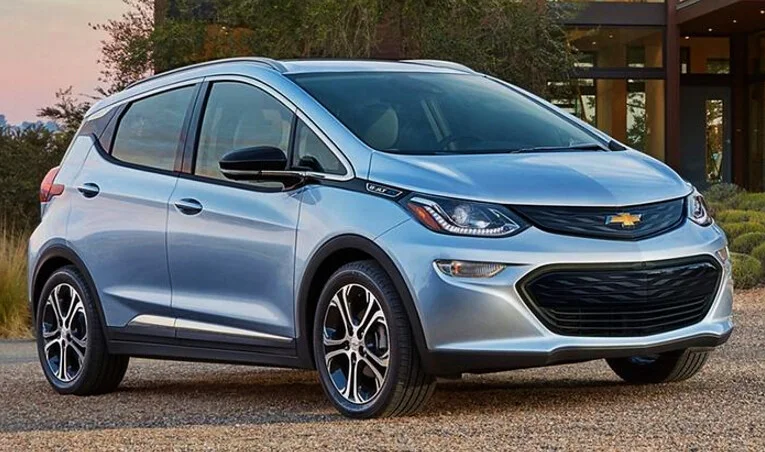
2023 And 2024 Chevy Bolt
The 2023 and 2024 models offered lower prices, better features, and the fewest reports of major problems. Advantages include:
- Modern infotainment
- Comfortable ride
- Strong value for money
These years are rarely affected by the issues that troubled earlier models.
Credit: www.copilotsearch.com
Comparing Problem Years Vs. Reliable Years
To help you decide, here’s a side-by-side comparison of Bolt years to avoid and years to consider:
| Year | Major Problems | Average Used Price (2024) | Best For |
|---|---|---|---|
| 2017 | Battery recall, software glitches | $13,000–$16,000 | Bargain hunters (if recall fixed) |
| 2018 | Battery recall, charging issues | $14,000–$17,000 | Bargain hunters (if recall fixed) |
| 2019 | Battery recall, reduced range | $15,000–$18,000 | Bargain hunters (if recall fixed) |
| 2022 | Few widespread issues | $19,000–$24,000 | Most buyers |
| 2023 | Very few issues | $22,000–$26,000 | Most buyers |
Non-obvious insight: Buying a 2017–2019 Bolt with a new battery can sometimes be a better deal than a newer model, because you get a “fresh” battery with zero miles.
What To Do If You Already Own A Bolt From A Problem Year
If you have a 2017–2021 Bolt, don’t panic. Most cars that had the battery replaced are now safe. Here’s what you should do:
- Check recall status: Make sure all work was done by an authorized Chevy dealer.
- Monitor battery health: Watch for warning lights or sudden range changes.
- Keep service records: These help with resale and warranty claims.
- Stay updated: GM sometimes issues new updates, even after recalls are completed.
If you have trouble with the dealer or the recall process, contact GM customer service directly. They can help you get the repair you need.
Is It Safe To Buy A Used Chevy Bolt?
Many buyers wonder if it’s risky to buy a used Bolt at all. The answer depends on the year and the car’s history. A Bolt with a new battery and complete service records can be a great value.
Tips for buying a used Bolt:
- Prioritize 2022 and newer models for peace of mind.
- For 2017–2021, only buy with proof of battery module replacement.
- Test drive the car and check for infotainment, brake, and charging problems.
- Ask a trusted mechanic or EV specialist to inspect the car, if possible.
Common mistake: Some buyers focus only on price and ignore battery recall history. This is risky—safety and reliability should always come first.
Pros And Cons Of Chevy Bolt Ownership
It’s easy to focus on the negatives, but the Bolt also has strong points. If you choose the right year, you get an affordable, efficient EV with low running costs.
Pros:
- Excellent electric range (up to 259 miles)
- Affordable used prices
- Spacious for a small car
- Quiet, smooth driving experience
- Eligible for some state/local EV incentives
Cons:
- Risk of buying a recall-affected car
- Limited fast charging speed (up to 55 kW)
- Some build quality complaints
- Lower resale value compared to Tesla or Nissan Leaf
Non-obvious insight: Insurance costs for the Bolt can be higher than average because of past recall history. Always get a quote before buying.

Credit: www.reddit.com
Alternative Electric Vehicles To Consider
If you’re worried about Bolt reliability, there are other small EVs worth a look:
- Nissan Leaf: Not as much range, but strong reliability and low prices.
- Hyundai Kona Electric: Similar price, better warranty, more features.
- Kia Niro EV: Good value, high owner satisfaction.
- Tesla Model 3 Standard Range: More expensive, but strong performance and supercharger access.
Every EV has trade-offs. The key is to compare real-world reliability, battery history, and after-sales support.
How Chevy Bolt Compares To Rivals
Let’s see how the Bolt compares with two popular competitors:
| Model | Range (miles) | Fast Charging | Reliability (Consumer Reports 2023) | Average Used Price (2024) |
|---|---|---|---|---|
| Chevy Bolt | 238–259 | 55 kW | Average | $16,000–$25,000 |
| Nissan Leaf | 150–215 | 50 kW | Above Average | $11,000–$22,000 |
| Hyundai Kona Electric | 258 | 75 kW | Above Average | $21,000–$28,000 |
The Bolt offers great range for the price, but its fast charging is slower than some competitors. Kona Electric stands out for reliability and charging speed.
Should You Buy A Bolt From A “year To Avoid”?
The answer depends on your situation:
- If the car has a new battery (with proof), it can be a good deal, especially if you plan to keep it for years.
- If the car hasn’t had the recall work done, it’s best to walk away.
- If you want zero hassle, choose a 2022 or newer Bolt, or look at other EVs.
Real-world example: Many 2017–2019 Bolt owners who got new batteries now enjoy the peace of mind and even improved range, since the new packs use updated technology.
The Future Of The Chevy Bolt
Chevrolet announced plans to end Bolt production in 2023, but after strong demand, they decided to develop a next-generation Bolt using Ultium batteries. These new models are expected to fix past problems and offer even better value.
For now, the Bolt remains one of the most affordable used EVs in the US. Its history is a lesson in the importance of battery safety and the value of choosing the right model year.
Key Takeaways
- 2017–2021 Chevy Bolt years are known for battery recalls and should be avoided unless you have proof of battery replacement.
- 2022 and newer models are much safer and more reliable.
- Always check recall history before buying a used Bolt.
- Consider rivals like the Hyundai Kona Electric or Nissan Leaf if you want more peace of mind.
- The Bolt still offers excellent value for the right buyer.
For more recall history and safety data, visit the National Highway Traffic Safety Administration.
Frequently Asked Questions
What Is The Main Chevy Bolt Year To Avoid?
The main years to avoid are 2017, 2018, 2019, 2020, and 2021. These years are most affected by battery recalls and fire risk. Only consider them if you have proof that the battery was replaced under the recall.
How Can I Check If A Used Chevy Bolt Has Had The Recall Fix?
Ask the seller for service records showing battery module replacement. You can also use the NHTSA VIN lookup tool or contact a Chevy dealer to confirm recall completion.
Are Newer Chevy Bolts (2022 And 2023) Safe To Buy?
Yes. The 2022 and 2023 models were built after the recall, with improved battery modules and fewer widespread issues. These are the best choices for most buyers.
Is The Chevy Bolt A Good Value Compared To Other Evs?
The Bolt offers strong electric range and affordable prices, especially if you get a model with a new battery. However, rivals like the Hyundai Kona Electric or Nissan Leaf may offer better reliability or features.
Can I Trust A 2017–2021 Bolt If The Battery Was Replaced?
Yes, if you have official proof of battery replacement, these Bolts can be a smart buy. The new battery may even offer better performance and safety than the original.
Chevy Bolt buyers need to be careful, but with the right research, you can find a reliable, affordable electric vehicle that fits your needs.