

The Chevrolet Corvette has always been a symbol of American performance, and the C4 Corvette, produced from 1984 to 1996, is no exception. It marked a dramatic change from the previous generation, with a new chassis, modern styling, and innovative technology for its time. However, not every C4 model year is equally desirable. Some years are known for mechanical problems, confusing electronics, or design missteps that make them risky choices for buyers and collectors. If you’re considering a C4 Corvette, understanding which years to avoid can save you money, time, and frustration.
This guide breaks down the specific C4 Corvette years you should approach with caution. We’ll look at why these years stand out, what issues they have, and how they compare to better alternatives. You’ll also find real-world examples, technical data, and practical tips that most beginners miss.
By the end, you’ll have a clear roadmap to making a smart C4 purchase.
Why The C4 Corvette Matters
When the C4 debuted in 1984, it was a leap forward. The car was lower, wider, and more aerodynamic than its predecessor. It introduced digital dashboards, advanced suspension, and a focus on handling. But, as with any major redesign, there were growing pains. Early C4s, especially, suffered from reliability issues as Chevrolet engineers tried to balance innovation with durability.
Today, C4 Corvettes are popular for their affordability and classic ‘80s look. However, buying the wrong year could mean dealing with hard-to-fix electronics, underpowered engines, or poor build quality. Some years are best left for enthusiasts who love a challenge—or avoided altogether.
The 4 C4 Corvette Years To Avoid
After decades of owner reports, service bulletins, and expert reviews, four model years stand out as the riskiest: 1984, 1985, 1986, and 1990. Each has its own set of issues. Let’s break down why these years are best avoided, with detailed explanations and comparisons.
1984: The First C4—and Its Many Flaws
The 1984 Corvette was the first year of the C4 generation. While it was exciting at the time, it’s now seen as a “beta test” for the new platform.
Key Problems
- Cross-Fire Injection Engine: The 205-hp L83 V8 engine used a Cross-Fire Injection system, which was complex and unreliable. Owners often report hard starting, rough idling, and poor acceleration. Mechanics sometimes call the system “Cease-Fire” for its tendency to break down.
- Harsh Ride: The new suspension was so stiff that it made daily driving uncomfortable. Even in good condition, the ride is bumpy and unforgiving compared to later years.
- Digital Dash Issues: The all-digital dash was futuristic, but the early design was dim, hard to read in sunlight, and failure-prone.
- Build Quality: As the first of a new line, 1984 models had more rattles, squeaks, and fit-and-finish issues.
Real-world Example
Many 1984 Corvettes change hands for less than $10,000, but the low price is a warning sign. Owners often spend more on repairs than they paid for the car.
Comparison To Other Years
| Year | Engine | Horsepower | Fuel Injection | Known Issues |
|---|---|---|---|---|
| 1984 | L83 5.7L V8 | 205 hp | Cross-Fire | Engine trouble, rough ride |
| 1985 | L98 5.7L V8 | 230 hp | Tuned-Port | Early TPI issues |
| 1986 | L98 5.7L V8 | 235 hp | Tuned-Port | Electrical bugs |
| 1992 | LT1 5.7L V8 | 300 hp | Multi-Port | OptiSpark issues |
Non-obvious Insight
Many buyers think the “first year” of a new generation is collectible. But with the C4, the 1984 is usually the least desirable. Parts for the Cross-Fire system are getting harder to find, and few mechanics know how to fix it properly.
1985: Growing Pains With The New Engine
The 1985 Corvette improved on many of the 1984’s mistakes but created some new problems.
Key Problems
- Early Tuned-Port Injection (TPI): Chevrolet replaced the Cross-Fire system with Tuned-Port Injection. While it offered more power (230 hp), the early TPI units were prone to vacuum leaks and sensor failures.
- Weak Valve Springs: Some engines had weak valve springs that led to poor performance and, in rare cases, engine damage.
- Electrical Gremlins: 1985 models still suffered from unreliable electronic dashboards and power accessories.
- Transmission Issues: The 4+3 manual transmission (a four-speed with automatic overdrive) can be expensive to repair and is not as robust as later six-speeds.
Real-world Example
A common story among 1985 owners is chasing engine roughness or a “check engine” light that never seems to go away, often traced to minor vacuum leaks or failing mass air flow sensors.
Comparison: 1985 Vs. Later C4s
| Year | Transmission | Fuel Injection | Major Drawback |
|---|---|---|---|
| 1985 | 4+3 Manual/4L60 Auto | Tuned-Port | TPI reliability, electronics |
| 1989 | 6-Speed Manual/4L60 Auto | Tuned-Port | Improved reliability |
| 1990 | 6-Speed Manual/4L60 Auto | Tuned-Port | Airbag, new dash bugs |
Non-obvious Insight
The 4+3 transmission is unique to early C4s and is often misunderstood. Many mechanics will avoid working on it, which drives up repair costs. Also, the TPI system can become brittle with age, leading to more frequent and expensive repairs compared to later multi-port systems.
1986: Electrical Bugs And Safety Concerns
The 1986 Corvette is notable for being the first year with a factory convertible since 1975, but it came with its own set of headaches.
Key Problems
- Electrical System Faults: 1986 saw a wave of electrical problems, including failing power windows, door locks, and digital dash displays. The wiring harnesses were not fully sorted, leading to intermittent failures.
- Pass Key System: Chevrolet introduced the Pass Key security system, which sometimes disables the car if the chip in the key is worn or damaged. Replacement keys can be hard to find or expensive.
- ABS Glitches: Anti-lock brakes became standard, but the system was new to GM and often triggered false warning lights or engaged incorrectly.
- Convertible Chassis Flex: The convertible, while desirable, suffers from chassis flex that affects handling and creates rattles over time.
Real-world Example
Owners often report chasing mysterious electrical issues, like dash lights flickering or the car refusing to start because of a faulty security system. These problems can be difficult to diagnose and expensive to fix.
Comparison: 1986 Vs. Other Convertibles
| Year | Convertible Offered | Major Problems | Security System |
|---|---|---|---|
| 1986 | Yes | Electrical faults, ABS bugs | First Pass Key |
| 1989 | Yes | Fewer electrical issues | Improved Pass Key |
| 1992 | Yes | OptiSpark only | Second-gen Pass Key |
Non-obvious Insight
Many buyers don’t realize that the Pass Key system, which was cutting-edge in 1986, can now leave a car stranded if the resistor in the key fails. There are workarounds, but most require electrical knowledge or custom wiring.
1990: Rushed Changes And New Technology Problems
The 1990 Corvette was supposed to be a step forward, introducing driver airbags, a new dashboard, and improved safety features. But being a transition year, it is known for teething problems.
Key Problems
- First Year Airbag: The driver-side airbag was new for 1990, and some units have failed or needed expensive recalls. Airbag systems from this era are difficult to repair and costly to replace.
- Digital-Analog Dash: Chevrolet switched from the old all-digital dash to a hybrid analog-digital cluster. Early production had software glitches, dead pixels, and sensor failures.
- Climate Control Bugs: The new automatic climate control system often fails, with replacement parts hard to find.
- Build Inconsistency: 1990 saw many mid-year production changes, making it hard to identify the right parts or fix common problems.
Real-world Example
It’s not uncommon to find a 1990 Corvette with a dead airbag warning light or a dash cluster that partially works. These are expensive to fix and may require specialist help.
Comparison: 1990 Vs. 1991+
| Year | Dash Type | Airbag | Reliability |
|---|---|---|---|
| 1990 | Analog-Digital Hybrid | Driver Only | Problematic |
| 1991 | Analog-Digital Hybrid | Driver Only | More stable |
| 1992 | Analog-Digital Hybrid | Driver Only | Improved further |
Non-obvious Insight
Many 1990 parts are “one year only,” so finding replacements is harder than for 1989 or 1991 models. This can make even minor repairs expensive. Also, the airbag system is now over 30 years old and may not work at all, which is a hidden safety risk.
Credit: www.carlogos.org
Why These Years Stand Out
Each of these four years—1984, 1985, 1986, and 1990—represents a period of rapid change or first-generation technology. Early C4s were Chevrolet’s learning curve, and their problems are now well known among collectors and mechanics. Later C4s, especially from 1992 to 1996, are generally more reliable and offer better performance.
What Makes A “bad Year” For C4 Corvettes?
- Unreliable Technology: First-year features like Cross-Fire Injection, early digital dashes, and primitive ABS are prone to failure.
- Hard-to-Find Parts: Unique systems or one-year-only parts make repairs difficult.
- Poor Build Quality: Rushed assembly and new manufacturing processes led to more defects.
- Expensive Repairs: Electronic and mechanical repairs can exceed the car’s value.
Common Buyer Mistakes With C4 Corvettes
Many buyers are drawn to low prices or the novelty of owning a classic Corvette. But there are common mistakes that lead to regret:
- Ignoring Model Year Differences: Not all C4s are equal—choosing the wrong year means more time in the shop.
- Underestimating Repair Costs: Electronics and specialty parts are much more expensive than buyers expect.
- Assuming Problems Are “Minor”: Seemingly small issues (like a flickering dash or rough idle) can indicate deeper, costly problems.
- Not Checking for Recalls or Service Bulletins: Many C4s have open recalls, especially for airbags, ABS, and security systems.
- Overvaluing “Low Miles”: A low-mile 1984 with the Cross-Fire Injection is still less desirable than a higher-mileage, later C4.
What To Look For Instead
If you want a C4 Corvette, it’s smart to focus on years with improved reliability and performance. Here’s what to prioritize:
- 1992–1996 Models: These come with the LT1 or LT4 engines, better electronics, and more refined interiors.
- Manual Transmission (6-Speed): Later C4s offer better shifting and more robust gearboxes.
- Service History: Look for cars with documented maintenance, especially for electronics and drivetrain.
The Best C4 Years: A Quick Overview
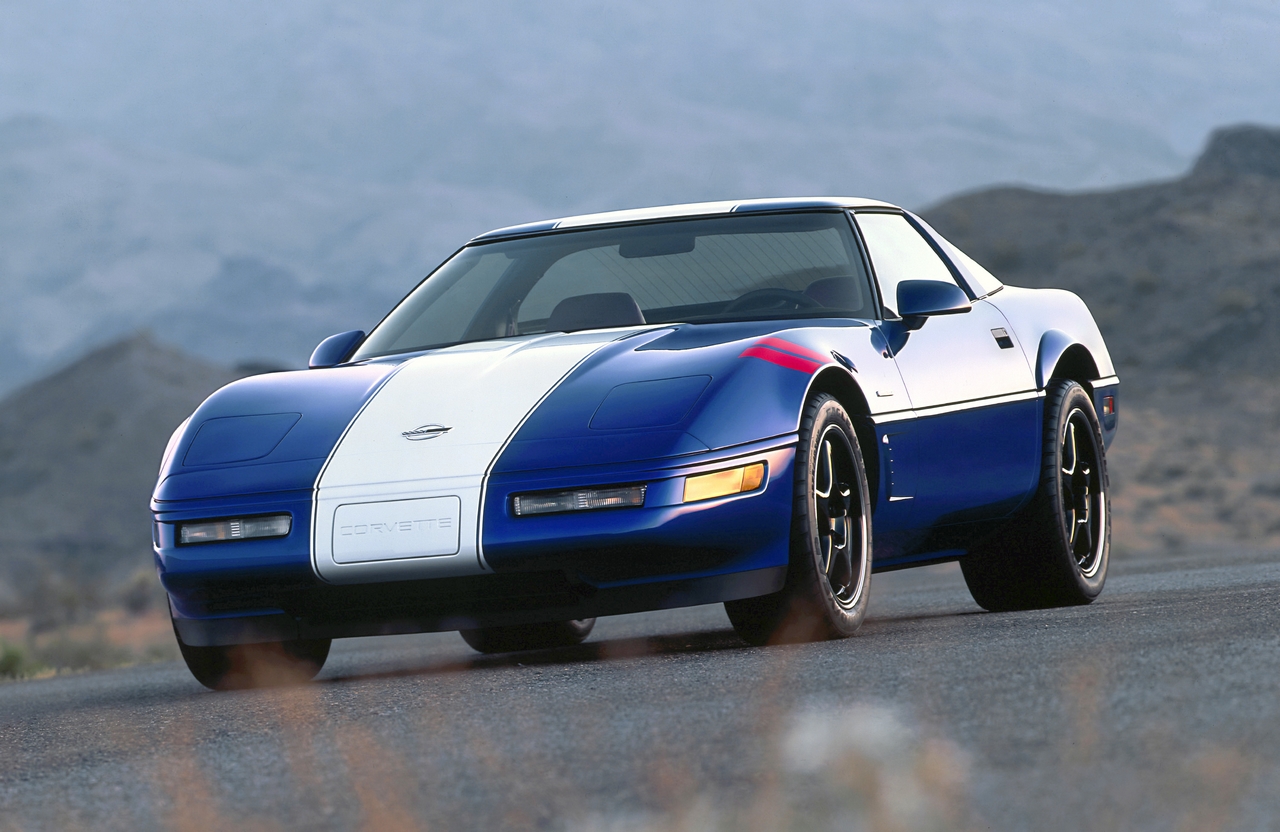
While this article focuses on years to avoid, it’s helpful to know which years are best. The 1992–1996 models are usually the most reliable, with the 1996 Grand Sport being especially collectible.
Highlights of the best C4 years:
- LT1/LT4 Engines: More power, better reliability.
- Improved Electronics: Fewer dash and accessory problems.
- Better Build Quality: Lessons learned from earlier years show in better fit, finish, and durability.
Credit: www.corvsport.com
C4 Corvette Value Trends
The market for C4 Corvettes is stable, but the years to avoid are often the cheapest for a reason. Buyers may pay less up front but can end up spending thousands more on repairs.
Average prices (as of 2024):
- 1984–1986: $7,000–$14,000 (lower for rough examples)
- 1990: $10,000–$18,000
- 1992–1996: $15,000–$30,000 (higher for Grand Sport or ZR-1)
Note: Well-kept, low-mile examples can fetch much more, but always check service records.
How To Spot Problem Years When Shopping
If you’re looking at a used C4, here’s how to spot the years to avoid:
- VIN Check: The 10th digit of the VIN indicates the model year. For example, “E” is 1984, “F” is 1985, “G” is 1986, and “L” is 1990.
- Dash Design: Early digital dashes (1984–1989) are obvious. The hybrid dash appears from 1990 on.
- Engine Bay: The Cross-Fire Injection system is easy to spot—two throttle bodies on top of the engine.
- Owner’s Manual: Always check for service bulletins or recall stickers.
Practical Tips For First-time C4 Buyers
- Bring a Scan Tool: Early OBD systems can reveal hidden electronic faults.
- Test All Electronics: Try every switch, window, lock, and gauge. If something doesn’t work, it may be a sign of bigger problems.
- Check for Water Leaks: Early convertibles and Targa tops are prone to water intrusion, which leads to mold and electrical faults.
- Look Under the Car: Rust is rare but possible, especially on poorly stored cars.
- Ask About Security System: Make sure the owner has working keys and remotes, especially for 1986 and later.
Should You Ever Buy A “bad” C4 Year?
Some enthusiasts enjoy the challenge of restoring or modifying early C4s. If you have deep mechanical or electrical knowledge, a 1984–1986 or 1990 Corvette can be an affordable project. But for most buyers, the headaches outweigh the low price.
Restoring a Cross-Fire engine to reliable condition, or fixing a 1990 dash, can easily cost more than buying a better model year. Unless you’re looking for a rare color or body style, it’s usually smarter to shop for a later C4.

Credit: cartalk.pandahub.com
How These Years Affect C4 Collectibility
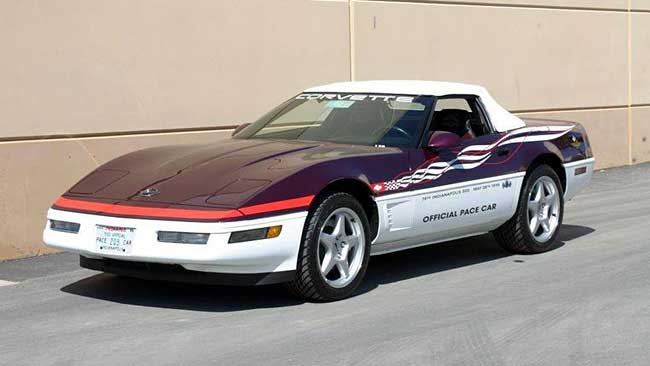
Collectors tend to avoid 1984, 1985, 1986, and 1990 models unless they are in show-quality condition or have unique provenance. Special editions (like the 1986 pace car convertible) can be exceptions, but only if fully restored.
Insurance companies also rate these years as higher risk, which can mean higher premiums.
Where To Learn More
The C4 Corvette community is large and active. Forums, clubs, and online resources can help you learn more about specific years and common problems. The National Corvette Museum and the Corvette Action Center are great places to start. For in-depth technical data and owner reviews, visit the Wikipedia C4 Corvette page.
Frequently Asked Questions
What Makes The 1984 Corvette A Bad Choice?
The 1984 Corvette is known for its unreliable Cross-Fire Injection engine, rough ride, and many first-year build quality problems. Parts are hard to find, and repairs are expensive. Most buyers are better off with a later C4.
Are 1985 And 1986 Corvettes Always Problematic?
Not every 1985 or 1986 is a disaster, but they are riskier due to early TPI engine issues, electrical faults, and the introduction of new, sometimes unreliable, features. If you find one with full service records and recent repairs, it may still be a decent buy.
Why Avoid The 1990 Corvette If It Looks Modern?
The 1990 Corvette introduced airbags and a new dashboard, but both systems were not fully developed. Many parts are unique to 1990, making repairs expensive. Software glitches and electrical failures are common.
Can I Fix A C4 Corvette’s Electronic Problems Myself?
Some repairs, like replacing switches or relays, are possible for DIYers. But fixing digital dashes, airbags, or the Pass Key system usually needs specialist knowledge and equipment.
Are Later C4 Corvettes (1992–1996) Much Better?
Yes, later C4s are more reliable, faster, and easier to maintain. The LT1 and LT4 engines, improved electronics, and better build quality make them the top choice for most buyers.
The C4 Corvette offers classic American performance at a reasonable price, but only if you pick the right year. Avoiding the problematic 1984, 1985, 1986, and 1990 models will save you time, money, and frustration. If you’re patient and do your homework, you’ll find a C4 that delivers the excitement you expect—without the headaches you don’t.