

Thinking about buying a Buick Lacrosse? Many people are attracted to its smooth ride, quiet cabin, and value for money. But not every year is equal. Some Lacrosse models have had issues that could cost you more in repairs and frustration. Choosing the right year can make a big difference in ownership experience and long-term costs.
This article will help you understand which Buick Lacrosse years to avoid, why those models have problems, and which years are safer bets. We’ll look at real data, owner reports, and expert opinions. You’ll find practical advice, comparison tables, and answers to the most common questions. If you want a reliable used Lacrosse, read on before you buy.
Why Certain Buick Lacrosse Years Are Best Avoided
Car models change over time. Some years, manufacturers add new technology or update engines. Sometimes these changes cause unexpected problems. With the Buick Lacrosse, a few model years stand out for frequent complaints and expensive repairs.
Common Issues In Problematic Years
Owners and mechanics point to several types of trouble:
- Transmission failures: Sudden loss of power, jerky shifting, or complete breakdown.
- Electrical problems: Malfunctioning power windows, faulty dashboard lights, and navigation system glitches.
- Engine troubles: Stalling, oil leaks, or timing chain failure.
- Suspension and steering issues: Clunking noises, uneven tire wear, or loss of steering control.
- Interior and accessory failures: Broken seat adjusters, climate control problems, and touchscreen malfunctions.
While no car is perfect, some Lacrosse years have far more complaints and major repairs than others.
How We Identified The Years To Avoid
This guide uses several sources:
- Owner complaints from NHTSA and CarComplaints.com
- Reliability ratings from J.D. Power and Consumer Reports
- Repair costs and frequency from RepairPal and real-world mechanic reports
We also consider recall history and the severity of reported problems, not just the number of complaints.
Buick Lacrosse Years To Avoid: The Most Troubled Models
Let’s look at the model years you should think twice about if you want to avoid headaches. Below is a summary table of the worst years and their major problems:
| Model Year | Main Issues | Estimated Repair Cost |
|---|---|---|
| 2008 | Transmission failure, power steering leak | $2,500–$4,000 |
| 2009 | Engine stalling, electrical faults | $1,500–$3,000 |
| 2011 | Timing chain failure, transmission issues | $1,800–$3,500 |
| 2012 | Electrical glitches, engine hesitations | $1,000–$2,800 |
| 2014 | Infotainment system bugs, steering problems | $900–$2,200 |
Let’s break down what went wrong with these years.
2008 Buick Lacrosse
The 2008 Lacrosse is one of the most complained-about models. Many owners report transmission failure around 80,000–110,000 miles. This often leads to expensive rebuilds or replacements.
Another major issue is the power steering leak. Fluid loss causes stiff steering and, sometimes, sudden loss of control—a safety risk. Some drivers also mention electrical gremlins, like dashboard lights flickering or power accessories stopping.
A hidden insight: Many buyers miss early signs of transmission trouble, like rough shifting or delayed engagement. Catching these early can save thousands, but many people ignore them until a full failure occurs.
2009 Buick Lacrosse
The 2009 model continued some of the previous year’s problems but added new headaches. Engine stalling is a top concern, sometimes happening at highway speeds. Owners also report electrical faults—from window switches failing to radios cutting out.
This year’s model had several recalls, including for faulty ignition switches. While some repairs were covered, many owners faced out-of-pocket costs when problems appeared after warranty.
One mistake buyers make is assuming a recall fix always solves the root issue. In reality, some 2009 Lacrosse owners had repeat failures even after recall work.
2011 Buick Lacrosse
The 2011 Lacrosse introduced more advanced engines and tech, but reliability took a hit. The most serious issue is timing chain failure in the 3.6L V6 engine. If the chain stretches or breaks, it can destroy the engine, often before 100,000 miles.
Transmission issues—especially delayed or rough shifting—are also common. Some owners report the car won’t shift out of park or slips between gears. This year has a higher-than-average number of electrical and climate control problems, too.
A detail many miss: The 3.6L engine requires regular oil changes with the right oil type. Skipping or delaying maintenance increases timing chain risk.
2012 Buick Lacrosse
The 2012 model saw updates, but many electrical and engine complaints continued. Owners mention infotainment glitches, screens freezing, and backup cameras failing. Engine hesitation—a lag when accelerating—is another frequent issue.
There are also reports of the hybrid “eAssist” system malfunctioning, causing warning lights or sudden battery failure. While some of these problems are minor, repeated trips to the dealer add up in cost and frustration.
A common misconception: Some buyers expect hybrid Lacrosse models to be more reliable, but the early eAssist systems were not trouble-free.
2014 Buick Lacrosse
The 2014 Lacrosse was supposed to fix past issues, but new tech brought fresh challenges. The infotainment system is a big complaint, with touchscreens becoming unresponsive or rebooting randomly. Steering problems—like clunks or loss of power assist—also appear.
This year also had a high number of recalls, especially for airbags and electrical systems. While the overall engine and transmission are improved, the electronics remain a weak spot.
One overlooked issue: Aftermarket or non-GM parts for the infotainment system often cause more problems. Sticking with genuine parts is crucial for this year.
Years With Fewer Problems (and Why They’re Better)
Not every Lacrosse is a problem car. Some years stand out for above-average reliability, fewer owner complaints, and lower repair costs.
| Model Year | Key Strengths | Average Reliability Rating |
|---|---|---|
| 2010 | Refined ride, fewer major repairs | 4.0/5 |
| 2013 | Improved electronics, solid engine | 4.2/5 |
| 2016 | Updated design, reliable drivetrain | 4.4/5 |
| 2017 | Redesigned, strong safety scores | 4.5/5 |
| 2018–2019 | Fewest complaints, modern tech | 4.6/5 |
These years are not perfect, but they have fewer reports of expensive failures. The 2017–2019 models, in particular, benefit from a full redesign, improved materials, and better electronics.
How To Spot Trouble In Used Buick Lacrosse Models
Buying a used Lacrosse? You can avoid many headaches by knowing what to look for before you buy.
Steps To Take Before Buying
- Check for recalls: Look up the car’s VIN on the NHTSA site to see if all recalls are fixed.
- Review service records: Ask for proof of oil changes, transmission fluid service, and repairs.
- Inspect electronics: Test every button, screen, and light. Pay attention to slow or unresponsive systems.
- Test drive carefully: Listen for clunks, rattles, or odd shifting. Accelerate gently and hard to check for hesitation.
- Get a pre-purchase inspection: Let a trusted mechanic check for hidden problems, especially with the engine and transmission.
Red Flags To Watch Out For
- Warning lights that stay on after startup.
- Rough shifting or hesitation when accelerating.
- Leaking fluids under the car, especially red (transmission) or green (coolant).
- Unresponsive infotainment system or flickering screens.
- Unusual noises from the suspension or steering.
Many buyers focus only on mileage or visible condition, but electronics and hidden mechanical issues can be more costly than a few dents.
Buick Lacrosse Reliability By Generation
Understanding the different Lacrosse generations helps you spot patterns in reliability.
| Generation | Model Years | Major Changes | Reliability Trend |
|---|---|---|---|
| First (2005–2009) | 2005–2009 | Basic tech, older engines | Mixed, more problems in later years |
| Second (2010–2016) | 2010–2016 | New V6, hybrid option, more features | Improved, but 2011–2012 weaker |
| Third (2017–2019) | 2017–2019 | Full redesign, advanced safety | Strong reliability |
The first generation started simple but had more issues as tech increased. The second generation brought better engines but suffered from early hybrid and electronic problems, especially 2011–2012. The third generation is the most reliable, with modern features and fewer complaints.
Common Problems: Symptoms, Costs, And Solutions
Let’s take a closer look at the most frequent Lacrosse issues, how to spot them, and what repairs cost.
Transmission Failure
- Symptoms: Hard shifts, gear slipping, hesitation, “check engine” light.
- Repair Cost: $2,500–$4,000 for rebuild or replacement.
- Prevention: Regular fluid changes and prompt attention to shifting issues.
Timing Chain Failure
- Symptoms: Rattling noise at startup, “service engine” light, engine won’t start.
- Repair Cost: $1,800–$3,500, sometimes full engine replacement.
- Prevention: Change oil on schedule with correct type, don’t ignore warning noises.
Electrical System Glitches
- Symptoms: Dashboard lights flicker, power windows stop, infotainment resets.
- Repair Cost: $200–$1,200, depending on part.
- Prevention: Look for water leaks (sunroof drains), avoid aftermarket electronics.
Steering And Suspension Issues
- Symptoms: Clunking when turning, loose steering, uneven tire wear.
- Repair Cost: $400–$1,200 for power steering parts or suspension repair.
- Prevention: Regular alignment checks, replace worn bushings or mounts early.
Infotainment And Interior Failures
- Symptoms: Frozen screens, unresponsive buttons, AC not blowing cold.
- Repair Cost: $300–$1,500, higher if touchscreen or module replacement needed.
- Prevention: Update software when available, avoid spills on controls.
Real-world Owner Experiences
Hearing from actual Lacrosse owners helps you see what living with these cars is really like.
- Tom, 2011 Lacrosse: “Loved the ride, but at 85,000 miles my engine died from a timing chain failure. Dealer said it was a common issue. Cost me $3,000.”
- Sandra, 2014 Lacrosse: “The touchscreen froze all the time. Dealer replaced it twice, but still had problems. I started using my phone for music instead.”
- Jerry, 2010 Lacrosse: “No major problems in 120,000 miles. Just regular maintenance. Bought because I read the 2010s were better.”
- Maria, 2018 Lacrosse: “Best car I’ve owned. Quiet, comfortable, and no big repair bills. Would buy again.”
These stories show the risk of problematic years, but also the rewards of picking a reliable one.
Tips For Buying A Used Buick Lacrosse
- Research the VIN history: Use Carfax or AutoCheck to spot past accidents or flood damage.
- Prefer private sellers with service records: Dealers may hide issues, but a detailed record from an owner gives peace of mind.
- Budget for repairs: Even reliable models may need $500–$1,000/year in maintenance.
- Consider certified pre-owned: These cars get extra inspection and warranty, reducing risk.
- Negotiate based on common problems: If a car is from a trouble year, ask for a lower price or proof that major repairs are done.
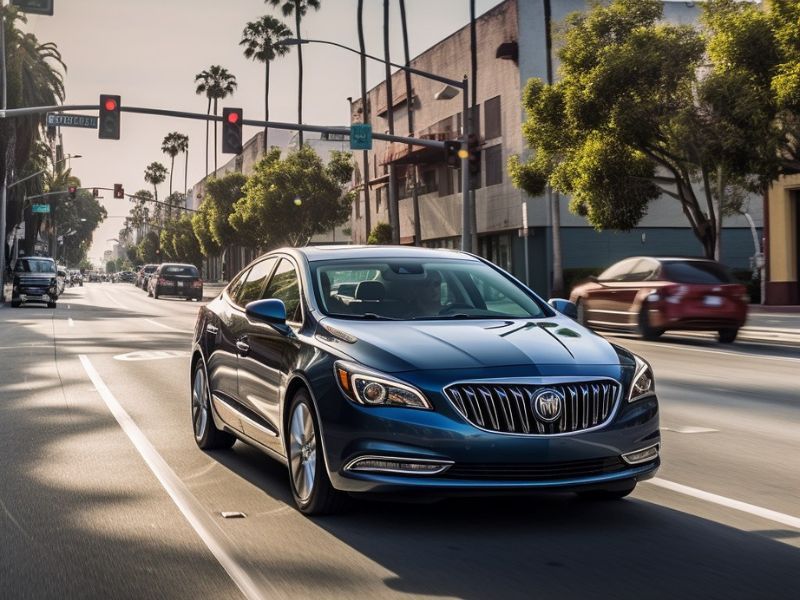
A unique insight: Many buyers forget to test features like sunroofs, heated seats, or navigation during a test drive. Checking every feature prevents surprises after purchase.
Credit: www.fixdapp.com
What Makes Some Buick Lacrosse Years More Reliable?
Several factors set the best years apart:
- Improved manufacturing quality: Later years benefited from better assembly and parts.
- Updated engines and electronics: Fewer bugs and design flaws.
- More owner feedback: Issues from earlier years were addressed in recalls or service bulletins.
- Better materials: Interior and exterior parts last longer and resist wear.
Still, even a “good year” Lacrosse needs regular care. Skipping maintenance or using cheap parts leads to the same problems seen in “bad” years.
How Buick Lacrosse Compares To Similar Sedans
If you’re considering a Lacrosse, you might also look at rivals like the Toyota Avalon, Ford Taurus, or Chevrolet Impala.
Here’s a quick comparison of reliability and ownership cost:
| Model | Reliability Rating | Annual Maintenance Cost | Common Issues |
|---|---|---|---|
| Buick Lacrosse | 3.5–4.6/5 | $550–$700 | Transmission, electronics |
| Toyota Avalon | 4.7/5 | $440 | Suspension, minor electronics |
| Ford Taurus | 3.8/5 | $650 | Transmission, interior trim |
| Chevrolet Impala | 4.0/5 | $560 | Electrical, steering |
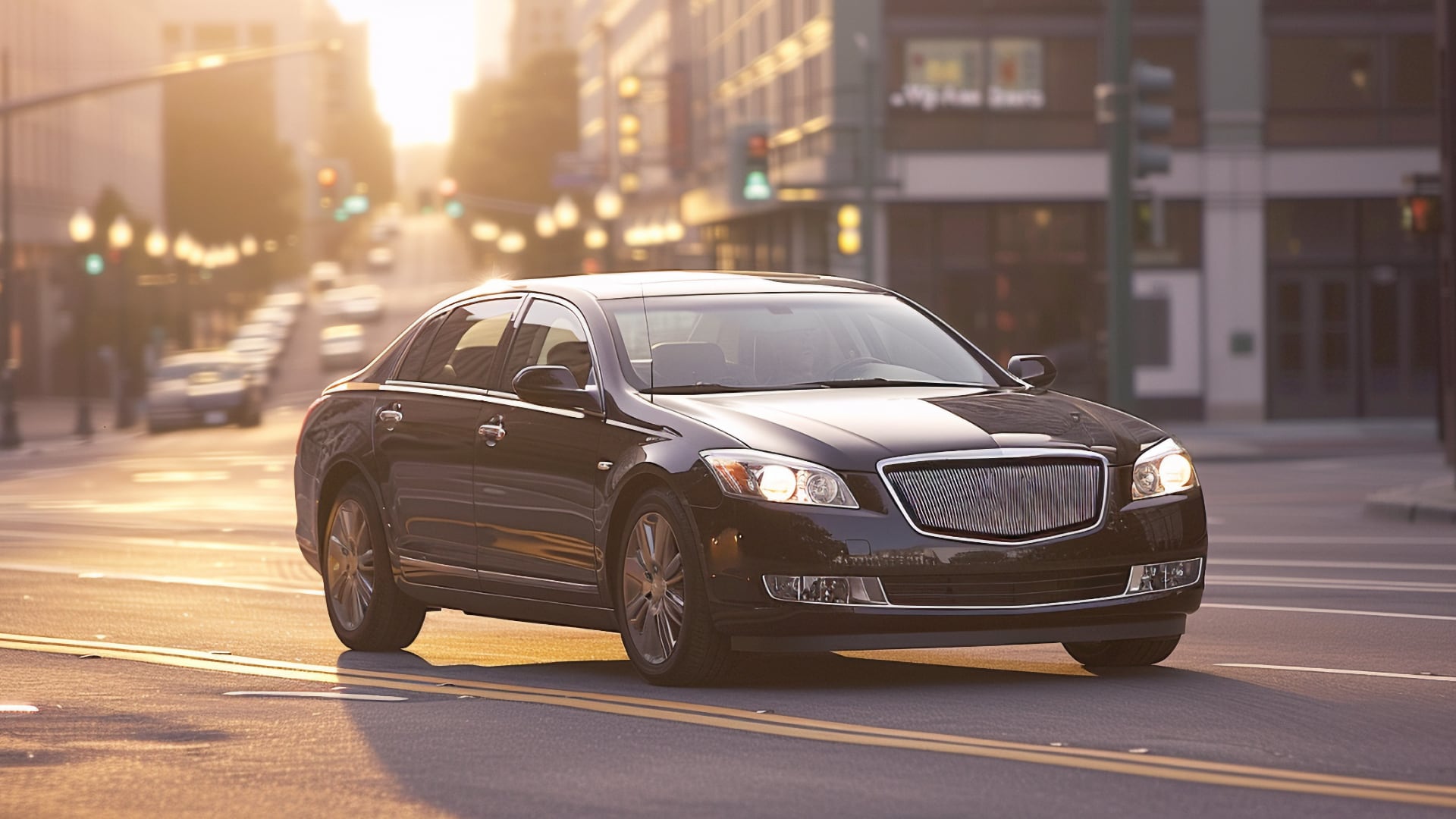
The Lacrosse offers good comfort and value but is slightly behind the Avalon in long-term reliability.
Credit: rerev.com
Should You Avoid All Buick Lacrosse Models?
No, but being careful about the year you choose is critical. The worst years—2008, 2009, 2011, 2012, and 2014—have patterns of expensive, repeated problems. Picking a 2010, 2013, 2016, or newer model greatly improves your chances of trouble-free ownership.
A few buyers avoid all Lacrosse models due to fear of repairs, but this can be an overreaction. Well-maintained, good-year examples often last 150,000+ miles with proper care.
Frequently Asked Questions
What Is The Most Reliable Buick Lacrosse Year?
The 2017–2019 Lacrosse models are considered the most reliable. They feature a redesigned platform, fewer complaints, and improved electronics. The 2010 and 2013 models are also strong choices for buyers on a budget.
What Is The Worst Year For Buick Lacrosse?
The 2011 Lacrosse is often rated the worst due to frequent timing chain failures and expensive transmission issues. Many owners faced engine replacements before 100,000 miles.
How Many Miles Can A Buick Lacrosse Last?
With proper maintenance, a well-kept Lacrosse from a reliable year can last 150,000 to 200,000 miles. Regular oil changes, fluid checks, and attention to warning signs are essential for long life.
Are Buick Lacrosse Repairs Expensive?
Repair costs are average for the class. Expect to pay $550–$700 per year for maintenance and minor repairs. Major repairs (like transmission or engine) can cost several thousand dollars, especially in the worst years.
Where Can I Check For Buick Lacrosse Recalls?
The best place to check is the official NHTSA recall site: NHTSA. Enter the car’s VIN for accurate recall info.
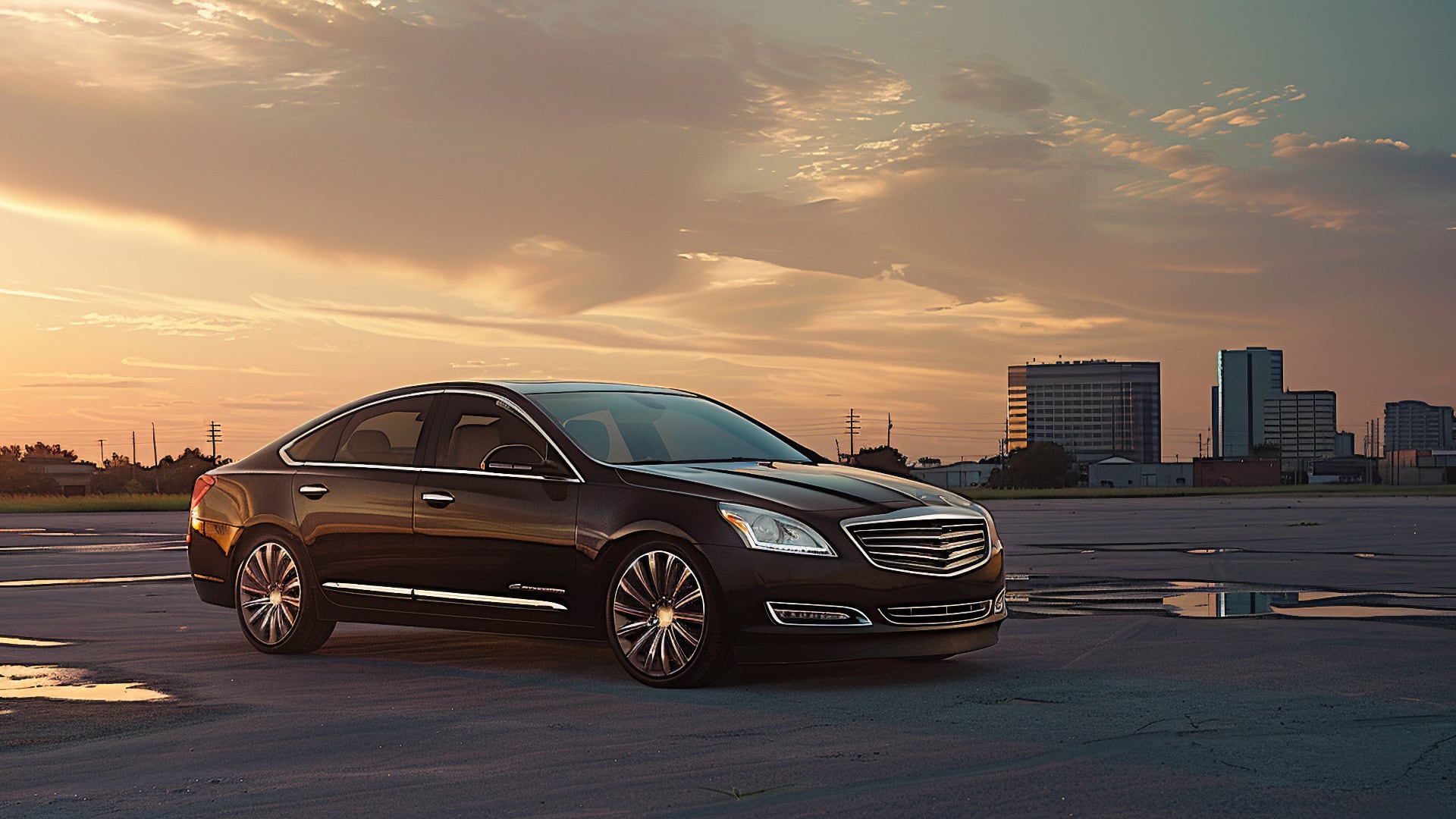
Credit: rerev.com
Final Thoughts
Buying a used Buick Lacrosse can be a smart move if you pick the right year. Avoiding the most problematic models saves money, time, and stress. Always check service history, get a pre-purchase inspection, and don’t rush into any deal. The best years offer comfort and value, making the Lacrosse a strong choice among full-size sedans. For more details on model history and reliability, the Wikipedia Buick LaCrosse page is a useful resource.
Choose wisely, and your next Lacrosse could deliver many miles of quiet, enjoyable driving.