

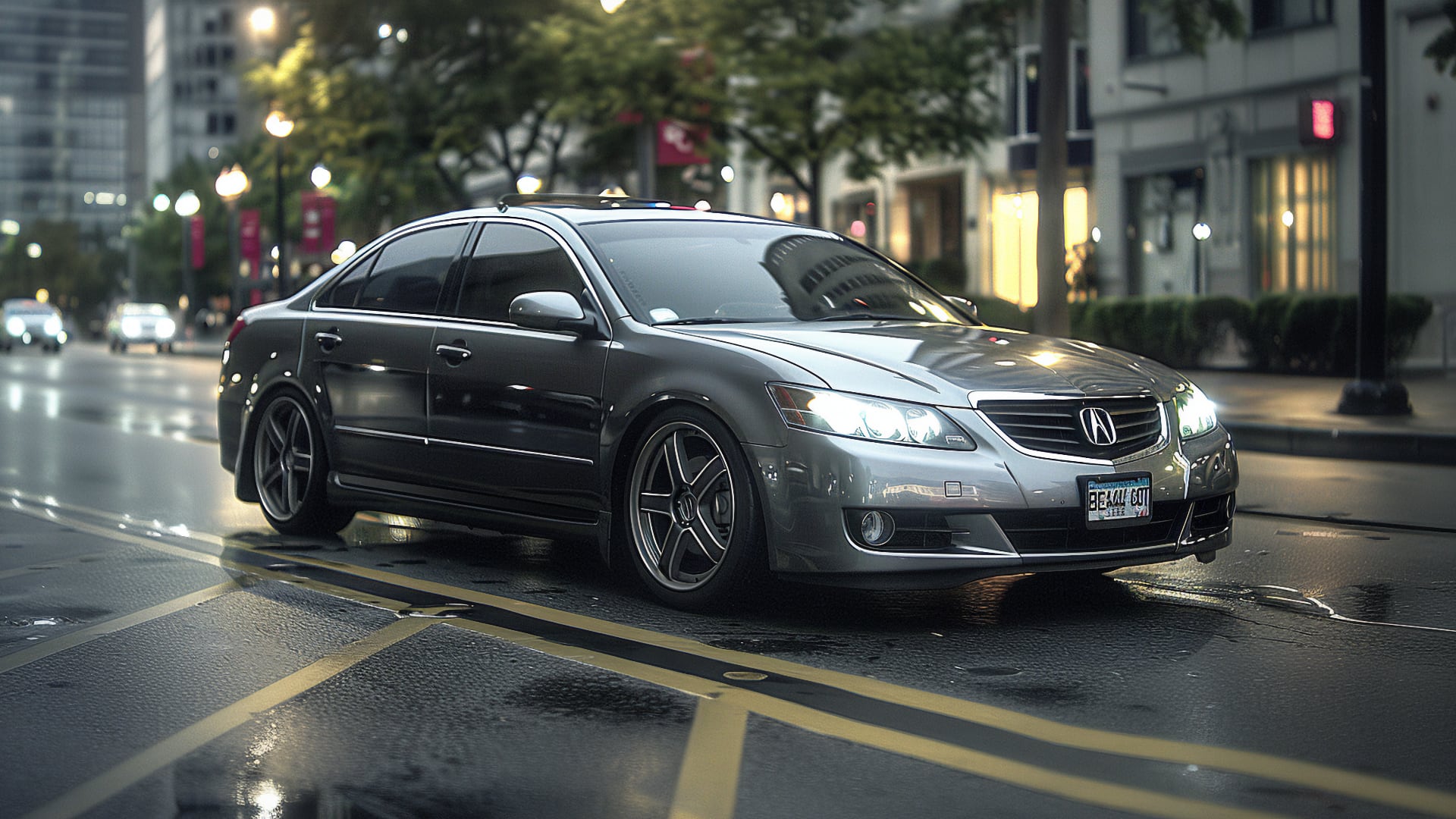
Buying a used luxury car often feels like a smart choice—especially if you’re looking at an Acura RL. This sedan, once Acura’s flagship, offers comfort, technology, and reliability, all wrapped in a handsome design. However, not every Acura RL year is created equal. Some models are praised for durability, while others have left owners with costly repairs and disappointment. If you’re considering the RL, knowing which years to avoid is essential to protect your wallet and peace of mind.
Many buyers are drawn in by the RL’s reputation and attractive price as a used vehicle. But a great deal can quickly turn sour if you accidentally choose a problematic model year. This guide will walk you through the Acura RL years to avoid, explain why certain years have issues, and help you make a confident, informed purchase. You’ll also learn what makes a good RL, how to spot trouble, and what alternatives might suit your needs if you decide to look elsewhere.
Understanding The Acura Rl Legacy
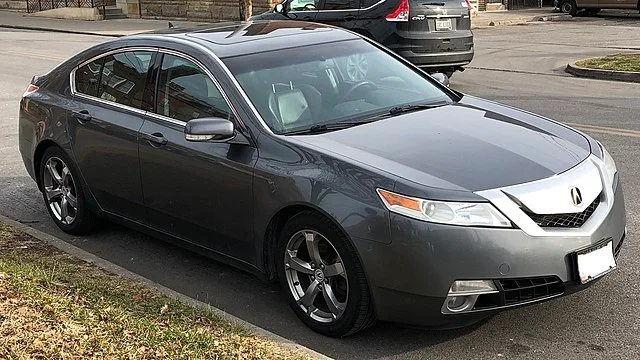
The Acura RL was produced from 1996 to 2012 and served as Acura’s top sedan before the RLX replaced it. It was known for its smooth ride, quiet interior, and advanced features like all-wheel drive and navigation—especially impressive in its day. The RL was built to compete with European luxury sedans but with Honda’s reputation for reliability.
There were two generations:
- First generation (1996–2004): Focused on comfort and a traditional luxury experience.
- Second generation (2005–2012): Emphasized technology, including Super Handling All-Wheel Drive (SH-AWD) and advanced safety features.
While both generations have their fans, some model years stand out for the wrong reasons. Understanding the RL’s development helps explain why some versions are more trouble-prone.
Why Some Acura Rl Years Are Best Avoided
Even reliable brands like Acura can have off years. Problems can come from new technology, cost-cutting, supplier mistakes, or just bad luck. For the RL, common issues in certain years include:
- Transmission problems
- Electrical system failures
- Expensive suspension repairs
- Premature rust or paint issues
- Difficult-to-fix engine problems
Many of these issues show up after the car has some miles, so early owners may not notice. But for used buyers, these can lead to big repair bills.
Acura Rl Years To Avoid: The Most Problematic Models
After looking at owner reports, mechanic opinions, and recall data, a few RL years stand out as models to avoid. Here’s a closer look at these years and their main issues.
1. 1996 Acura Rl
The RL’s first year was a learning experience for Acura. While it replaced the well-liked Legend, the 1996 RL had:
- Transmission issues: Hard shifting and early failure were too common.
- Electrical glitches: Problems with power windows and central locking were frequent.
- Climate control failures: The air conditioning system was not reliable, and repairs were costly.
Owners often faced repairs above $2,000 for these problems, making the 1996 RL risky for used buyers.
2. 2005 Acura Rl
The 2005 RL launched the second generation with bold new technology, but it brought headaches:
- SH-AWD failures: The all-wheel-drive system sometimes failed, leading to expensive repairs.
- Navigation system bugs: Freezing screens, lost GPS signals, and malfunctioning controls.
- Premature suspension wear: Shocks and bushings often needed early replacement.
Repair bills for SH-AWD could reach $3,000+, and navigation repairs were labor-intensive.
3. 2006 Acura Rl
Many hoped Acura would fix 2005’s problems for 2006, but most issues remained:
- Electrical system faults: Dashboard warning lights, battery drain, and keyless start problems.
- Transmission shudder: Some cars developed rough shifting or slipping.
- Water leaks: Sunroof drains and door seals sometimes failed, causing mold or interior damage.
These issues frustrated owners who expected luxury-level quality.
4. 2007 Acura Rl
By 2007, some improvements arrived, but serious issues lingered:
- Navigation and audio failures: The display and speaker system remained unreliable.
- Power steering leaks: Hoses and pumps often failed around 80,000 miles.
- Rust on underbody parts: Not as common in earlier years, but several 2007 models suffered frame rust, especially in cold climates.
5. 2011 Acura Rl
Near the end of its run, the 2011 RL should have been a safe bet, but:
- Oil consumption problems: Some engines burned oil quickly, risking damage if not checked.
- Failed timing belt tensioners: A broken tensioner could ruin the engine.
- Electronic sensor failures: ABS, VSA, and airbag sensors sometimes failed, turning on warning lights and disabling safety systems.
Repair costs for oil and timing belt issues often topped $2,500.
Summary Table: Acura Rl Years To Avoid
Here’s a quick side-by-side look at these problem years:
| Model Year | Main Issues | Typical Repair Costs |
|---|---|---|
| 1996 | Transmission, electrical, climate control | $1,500–$2,500+ |
| 2005 | SH-AWD, navigation, suspension | $2,000–$3,500+ |
| 2006 | Electrical, transmission, water leaks | $1,800–$3,000+ |
| 2007 | Navigation/audio, power steering, rust | $1,500–$2,800+ |
| 2011 | Oil consumption, timing belt, sensors | $2,000–$2,700+ |
Why These Years Had More Problems
The main trouble with these years often comes from new technology and manufacturing changes. For example, 2005 was the first RL with SH-AWD and a complex navigation system—both exciting but not fully tested. Early versions of new tech often have “teething problems” that get fixed in later years.
Another common issue is parts supplier changes. In the mid-2000s, Acura changed suppliers for several key components, sometimes leading to lower-quality parts or design flaws. Also, the first year after a major redesign (like 1996 and 2005) tends to have more problems, as real-world use reveals issues missed during development.
Credit: www.copilotsearch.com
Acura Rl Years Worth Considering
Not all RLs are risky. Several years are praised for their durability and value. If you want a used RL, these years are usually safer:
1999–2004 Acura Rl
Late first-generation RLs are known for:
- Strong reliability: Fewer transmission and electrical issues.
- Simple technology: Fewer gadgets mean less that can break.
- Good value: Lower prices and repair costs.
2008–2010 Acura Rl
These years saw many earlier problems fixed:
- Improved SH-AWD: More reliable and less prone to failure.
- Better electronics: Navigation and audio systems became more stable.
- Refined interior: Fewer squeaks and rattles, higher-quality materials.
2012 Acura Rl
The final RL model is often recommended:
- Most reliable: Fewest complaints and recalls.
- Best features: All updates and improvements included.
- Good resale value: Still modern enough for daily driving.
Key Problems In Acura Rl Years To Avoid
Understanding the specific issues can help you spot red flags if you’re shopping for a used RL. Here are the most common and costly problems in the years to avoid.
Transmission Failures
Several RLs, especially from 1996, 2005, and 2006, had automatic transmission failures. Symptoms include:
- Hard shifting or slipping
- Delayed engagement when shifting into gear
- Shuddering at highway speeds
Repairs usually involve rebuilding or replacing the transmission, which can cost $2,000–$4,000.
Sh-awd System Issues
The Super Handling All-Wheel Drive system set the RL apart, but in early years (2005–2007), it sometimes failed:
- Warning lights on the dashboard
- Clicking noises during turns
- Loss of rear-wheel power
A failed SH-AWD unit is expensive to fix, and many independent shops won’t work on it.
Electrical And Electronics Failures
From navigation screens to window switches, electrical problems were common:
- Dashboard lights staying on or flickering
- Malfunctioning climate control or audio systems
- Dead battery due to parasitic drain
These issues are hard to diagnose and often need dealership-level repairs.
Suspension And Steering Problems
Many RLs, especially 2005–2007, suffered from:
- Noisy or worn-out shocks and struts
- Power steering fluid leaks
- Loose or clunky steering feel
Ignoring these problems can make the car unsafe and cause uneven tire wear.
Engine And Timing Belt Issues
In 2011, some RLs began burning oil or had timing belt tensioner failures:
- Blue smoke from the exhaust
- Low oil warning between changes
- Engine noise or sudden failure
Replacing a timing belt or repairing internal engine damage can be very costly.
Credit: rerev.com
How To Identify Trouble When Shopping Used
If you’re set on an Acura RL, knowing how to spot a risky car is critical. Here’s what to do:
- Check the VIN for recalls: Use the car’s VIN at the National Highway Traffic Safety Administration’s site to see if major issues were fixed.
- Read owner reviews: Look for patterns of complaints about the same problem.
- Ask for service records: Well-kept RLs have records showing regular maintenance and repairs.
- Get a pre-purchase inspection: A trusted mechanic can spot hidden problems, especially in the transmission or AWD system.
- Test all electronics: Make sure the navigation, stereo, climate, and power features work properly.
Don’t rush—an extra hour of research can save you thousands in repairs.
Acura Rl Compared To Its Competitors
You might wonder: if some RL years are so risky, how does it compare to other used luxury sedans? Here’s a quick look:
| Model | Typical Reliability | Common Issues | Repair Costs |
|---|---|---|---|
| Acura RL (2005–2007) | Below average | SH-AWD, electronics, suspension | High |
| Lexus GS (2005–2007) | Above average | Water pump, dashboard cracks | Medium |
| Infiniti M35/M45 (2005–2007) | Average | Timing chain, electrical | Medium-High |
| BMW 5 Series (E60, 2004–2010) | Below average | Electronics, cooling system, oil leaks | High |
As you can see, the RL’s worst years are no worse than some European rivals, but they don’t match the reliability of Lexus.

Credit: www.copilotsearch.com
Non-obvious Insights For Rl Buyers
When researching Acura RLs, many buyers focus on miles and price. But that’s not enough. Here are two important insights most beginners miss:
- A well-maintained “bad year” can be better than a neglected “good year.” If the owner has full records and big-ticket items (like the transmission or SH-AWD) were repaired, even a risky year can be a smart buy at the right price.
- Rust and water leaks are often overlooked. Buyers in cold or wet climates should check under the car and inside the trunk for signs of rust or water damage. These can be deal-breakers, even on a “good” year.
Common Buyer Mistakes When Choosing An Acura Rl
Even smart shoppers make mistakes. Here’s how to avoid the most common ones:
- Ignoring the pre-purchase inspection: Skipping this step is risky, especially for complex luxury cars.
- Trusting only the test drive: Not all problems show up right away. Ask for a cold start, and drive on the highway and in stop-and-go traffic.
- Overlooking expensive gadgets: Navigation, audio, and climate systems are costly to fix. Make sure you test every button.
- Assuming all RLs are reliable: Acura’s reputation is strong, but the RL has some weak years. Treat each car as unique.
Practical Tips For Getting The Best Acura Rl
If you still want an RL after all this, here are steps to get the best possible car:
- Focus on 1999–2004, 2008–2010, or 2012 models for the best mix of reliability and value.
- Look for a one-owner car with full service history, ideally serviced at an Acura dealer.
- Budget for repairs: Even the best RLs are over a decade old. Set aside $1,000–$2,000 for unexpected fixes in your first year.
- Negotiate price based on known issues: If the car needs timing belt service, SH-AWD repair, or new electronics, ask for a discount.
- Consider an extended warranty if available—especially for 2005–2007 models.
Is The Acura Rl Still Worth Buying?
The RL is no longer made, but it offers a unique mix of comfort, features, and Honda engineering. For buyers who want luxury without the high costs of European brands, a good RL can be a bargain. Still, the wrong year or a poorly maintained car can erase those savings quickly.
If you’re open to other choices, consider the Lexus GS or Infiniti M35, which have similar features and often better reliability. If you love the RL’s style and technology, do your homework, get a thorough inspection, and be ready for some extra maintenance.
Where To Find More Reliable Information
For more detailed owner experiences and technical service bulletins, check trusted automotive sources like the Acura RL Wikipedia page. Manufacturer forums and the NHTSA site are also helpful for checking recalls and common complaints.
Frequently Asked Questions
What Is The Most Reliable Acura Rl Year?
The 2012 Acura RL is often considered the most reliable. It had the fewest complaints, included all the latest updates, and is newer, so parts are less likely to be worn out.
How Long Can An Acura Rl Last?
With proper maintenance, an Acura RL can last 200,000 miles or more. Regular timing belt changes and transmission service are key to long life.
Are Acura Rl Repairs Expensive?
Yes, repairs can be costly, especially for the all-wheel drive system, navigation, or engine issues. Expect higher costs compared to a Honda Accord, but lower than European luxury cars.
Is The Acura Rl Good In Winter?
With SH-AWD, the RL handles snow and rain very well. However, make sure the system works before you buy, as repairs are expensive.
What Is The Main Reason To Avoid Certain Rl Years?
The main reason is high repair risk due to known issues like transmission failure, SH-AWD problems, or electrical faults. These can turn a bargain into a money pit if not caught early.
Buying a used luxury sedan like the Acura RL can be rewarding if you know what to look for and which years to avoid. Take your time, trust your research, and you’ll drive away with confidence.