

The BMW Z3 is a car that sparks excitement in many car lovers. Its classic roadster style, smooth curves, and sporty handling make it a favorite for those who want open-top fun without breaking the bank. But like any used car, not every year and model of the Z3 is a good choice. Some years are known for more problems, higher repair costs, or design issues that make owning them less enjoyable. Knowing which BMW Z3 years to avoid can save you money, time, and frustration.
This guide will help you understand which Z3 years to be careful about, why these years have issues, and what to look out for when buying a used Z3. If you are a first-time buyer or a seasoned BMW fan, this article will give you practical advice and insights you may not find elsewhere.
The Bmw Z3: A Brief Look
BMW launched the Z3 in 1995 as a two-seater roadster. It was the first modern BMW model built outside Germany, with production in Spartanburg, South Carolina. The Z3 quickly became popular, even making an appearance in the James Bond movie “GoldenEye.
” Its combination of classic looks, strong engines, and rear-wheel drive made it a hit for driving enthusiasts.
The Z3 was produced from 1996 to 2002 in the United States. Over these years, BMW offered different engines, trims, and special editions. These include four-cylinder and six-cylinder engines, coupe and roadster body styles, and the high-performance M versions. While the Z3 is generally reliable, some years are known for more mechanical problems and expensive repairs.
Why Certain Years Are Problematic
Not all used cars age the same way. Some years of the Z3 have more complaints and common issues. These problems come from changes in engine design, new technology, or quality control issues. BMW made updates during the Z3’s life, which means that earlier models often have more problems. Some later models also have issues with specific engines or features. Understanding the main trouble spots will help you avoid costly mistakes.
Bmw Z3 Years To Avoid: The Big Three
Car experts and owners agree that there are three Z3 years you should be cautious about:
- 1996 BMW Z3
- 1997 BMW Z3
- 2000 BMW Z3
Each year has its own reasons for being on this list. Let’s look at them in detail.
1996 Bmw Z3
The 1996 model year was the very first year the Z3 was sold in the U. S. It’s common for the first year of a new car model to have more issues. Manufacturers often work out problems in later years, but early buyers can face more headaches.
Common Problems In 1996
- Cooling system failures: The plastic parts in the cooling system, such as the radiator and thermostat housing, often crack or fail. Overheating can lead to expensive engine damage.
- Electrical glitches: Owners often report problems with the power windows, central locking, and dashboard warning lights. These issues are annoying and sometimes hard to fix.
- Interior quality: The early Z3s have more reports of cheap-feeling plastics, squeaks, and rattles. Seats and door trims may wear out faster.
- Suspension issues: The bushings and rear shock mounts wear out quickly, leading to a rough ride and less stable handling.
Why Avoid The 1996 Z3?
The first-year Z3 is tempting because it is usually the cheapest. But these savings often disappear after repair bills. Parts were not as well made, and BMW updated many systems in later years. If you want to enjoy your Z3 and spend less time in the shop, the 1996 model is best avoided.
Non-obvious Insight
Many people miss that the earliest Z3s lack important safety updates. The side airbags and improved crash protection found in later models are not present. This makes the 1996 Z3 not just less reliable, but also less safe.
1997 Bmw Z3
BMW made some improvements in 1997, but this year still sees many of the same problems as the 1996 version. It’s the second year, but not enough updates were made to fix the main trouble spots.
Common Problems In 1997
- Persistent cooling system issues: The same plastic components continue to fail. Owners report overheating even after repairs, since new parts were not always improved.
- Soft top leaks: Many 1997 Z3s have problems with water leaking into the cabin during rain. This can cause mold, electrical problems, and bad smells.
- Transmission problems: Some automatic transmission models have harsh shifting or fail early. Replacing a transmission in a Z3 is costly.
- Paint quality: Some owners notice the paint fades or peels much faster than expected, especially on cars kept outside.
Why Avoid The 1997 Z3?
Most of the biggest Z3 issues were still present in 1997. If you want a more reliable car, choose a later year when BMW had more time to address these problems. The 1997 models are also less likely to have modern features like traction control, which improve safety and driving confidence.
Non-obvious Insight
A detail many buyers overlook: the seat bushings in 1997 models are known to fail, causing the seats to rock back and forth. This is not just annoying but also a safety concern during hard braking or in a crash.
2000 Bmw Z3
By 2000, BMW had solved many of the early Z3 problems. However, this year introduced new engines and technology, and with them, new problems appeared—especially in the 2.5i and 3.0i models.
Common Problems In 2000
- VANOS unit failures: The variable valve timing system (VANOS) in the newer engines can fail, causing rough running, poor power, and high repair costs.
- Cooling system still a weak point: Even with updated parts, some 2000 models see water pump or thermostat failures.
- Electrical system bugs: Owners report problems with the central locking, radio, and dashboard lights.
- Window regulators: The power windows in 2000 Z3s are more likely to fail, leaving the window stuck open or closed.
Why Avoid The 2000 Z3?
The 2000 Z3 is often more expensive than older models, but it’s not always more reliable. The new engines are powerful but need careful maintenance. If the VANOS system or the cooling system fails, the repair bill can be shocking.
Unless you know the car’s service history is perfect, it’s safer to pick another year.
Non-obvious Insight
Many buyers think the 2000 Z3 is the best because it has more power and features. But the VANOS repair is easy to miss during a test drive—it may show up only after a few months of use. If you are not careful, you could face a $1,000+ repair soon after buying.
Comparing Z3 Years: Problems And Reliability
To make things clearer, here’s a comparison of the main issues found in the years to avoid versus better years:
| Year | Main Issues | Estimated Repair Cost (Yearly) | Overall Reliability |
|---|---|---|---|
| 1996 | Cooling system, electrics, interior, suspension | $1,500 – $2,500 | Poor |
| 1997 | Cooling system, leaks, transmission, paint | $1,300 – $2,200 | Poor |
| 2000 | VANOS, cooling, electrics, windows | $1,200 – $2,000 | Below Average |
| 1998-1999 | Minor cooling, electrics | $900 – $1,400 | Average |
| 2001-2002 | Minor issues | $700 – $1,200 | Good |
Key Takeaway: The 1996, 1997, and 2000 Z3s cost more to keep running and have more frequent, serious problems. Later years are safer choices.
Why Do These Years Have More Problems?
BMW is known for constant improvement. As a result, the earliest Z3s were like “beta versions. ” BMW used cheaper materials for some parts, and some designs were not tested enough for real-world use.
In 2000, the Z3 got new engines with more advanced technology. This gave better performance, but also new maintenance headaches. BMW’s variable valve timing (VANOS) is powerful but needs special care and can be expensive to fix.
Another reason is that as cars age, weak parts become more obvious. Early Z3s are now over 25 years old, and if maintenance has been skipped, problems are worse.
What About Other Years? The Best Z3 Choices
While this article focuses on years to avoid, it’s helpful to know which Z3 years are considered safer bets.
1998 and 1999 Z3s are much improved over the earliest models. BMW fixed many cooling and electrical problems. The engines are still simple, and repair costs are lower.
2001 and 2002 Z3s are the most reliable. These years have the last updates, better materials, and improved safety. The six-cylinder engines are well-proven, and build quality is higher.
Here is a quick comparison of features across the Z3 years:
| Year | Engine Options | Key Features | Notable Issues |
|---|---|---|---|
| 1996-1997 | 1.9L I4 | Basic features | Cooling, electrics |
| 1998-1999 | 1.9L I4, 2.8L I6 | Improved safety, better engines | Minor cooling |
| 2000 | 2.5L I6, 3.0L I6 | New engines, more power | VANOS, electrics |
| 2001-2002 | 2.5L I6, 3.0L I6 | Best reliability, updated design | Few issues |
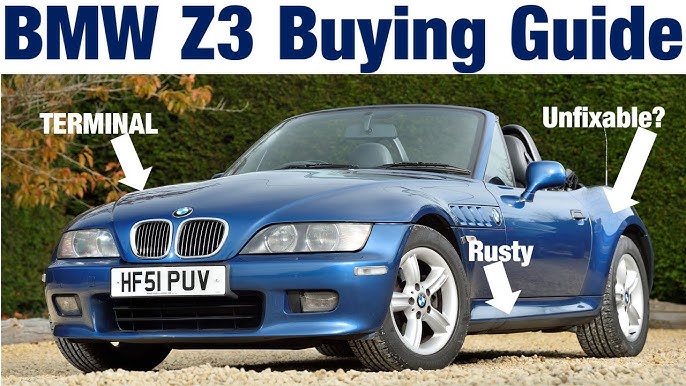
Credit: www.youtube.com
What To Check When Buying A Used Bmw Z3
Even if you avoid the risky years, buying any used Z3 requires careful inspection. These cars are fun to drive, but their age means problems can hide. Here’s what to look for:
- Cooling System: Check for leaks, ask if the radiator, water pump, and thermostat have been replaced.
- Suspension and Steering: Listen for clunks or rattles. Worn bushings or shock mounts are common.
- Electrical Items: Test all windows, locks, lights, and the radio. Many small electrical gremlins can ruin the experience.
- Soft Top Condition: Inspect for tears, leaks, or mold. Replacing a roof is expensive.
- Service Records: A Z3 with a full history of regular maintenance is a much safer buy than a neglected one.
- VANOS Operation: On 2000 and newer cars, listen for rattling or rough idling—this may mean VANOS problems.
- Transmission: If it’s automatic, check for smooth shifting. If manual, the clutch should not slip or feel soft.
- Rust: Early Z3s can rust under the body, around the trunk, and in the floor.
Common Buyer Mistakes
Many Z3 buyers get excited by the style and price, then make costly mistakes. Here are some common errors:
- Ignoring Pre-Purchase Inspections: Skipping a professional inspection often leads to expensive surprises later.
- Assuming All Z3s Are the Same: Different years have different parts and problems.
- Focusing Only on Mileage: A low-mile Z3 can still have many issues if it wasn’t well cared for.
- Overlooking Convertible Top Problems: Fixing leaks or replacing the roof can cost more than you expect.
- Not Checking for Recalls: Some years had recalls for airbags or fuel systems. Make sure these are done.
How To Spot A Well-maintained Z3
A good Z3 will feel tight and solid, with no odd noises from the suspension or engine. All switches should work, the top should seal well, and the car should not overheat or have warning lights. Ask the seller for recent maintenance records, especially for the cooling system and VANOS (for 2000+).
Ownership Costs: What To Expect
Owning a Z3 is not as expensive as many other BMWs, but repairs can add up fast if you choose a bad year. Here’s a breakdown of typical costs for common repairs:
| Repair | Estimated Cost | Frequency (in problem years) |
|---|---|---|
| Radiator replacement | $400 – $700 | Every 3-5 years |
| Water pump/thermostat | $300 – $600 | Every 4-6 years |
| VANOS repair (2000+) | $900 – $1,500 | Once in car’s life, if at all |
| Soft top replacement | $800 – $1,200 | Once every 10 years |
| Window regulator | $250 – $400 | Every 5-7 years |
Tip: A well-maintained Z3 from a good year can be affordable to keep on the road. But if you buy one with hidden issues, costs rise quickly.

Credit: www.bmwblog.com
Should You Buy A Z3 From An Avoid Year?
If you find a 1996, 1997, or 2000 Z3 in great shape, should you consider it? Sometimes, a car has had all its problems fixed already. Look for:
- Evidence that the cooling system, VANOS (if 2000+), and suspension have been replaced recently
- Clear maintenance history from a BMW specialist
- No leaks, warning lights, or odd noises
If all major issues have been solved, the car may be a good buy—but only at a lower price than a better year. Factor in possible future repairs, and do not pay a premium.
Alternatives To The Z3: Other Fun Roadsters
If you want a fun two-seater but are worried about Z3 reliability, consider these alternatives:
- Mazda MX-5 Miata: Famous for low cost, great handling, and reliability.
- Porsche Boxster (986): More expensive to fix, but offers a true sports car feel.
- Mercedes-Benz SLK: Offers a hardtop convertible, smooth engines, and good comfort.
- Honda S2000: High-revving engine, strong reliability, but usually more expensive.
Each car has its own strengths and weaknesses. The Z3 offers BMW’s classic look and rear-drive fun, but it’s not the only choice.
Real Owner Experiences
Many Z3 owners love their cars, but those with the avoid years often share stories of frustration. Here are some real-world examples:
- 1996 Z3 owner: “After three overheating issues and a leaking top, I spent over $3,000 in repairs in two years. I wish I’d bought a 2001 instead.”
- 2000 Z3 2.5i owner: “The VANOS failed at 70,000 miles. The car lost power, and the repair was $1,200. It’s fun to drive, but expensive to maintain.”
- 1998 Z3 owner: “Had some small issues, but overall very reliable. I replaced the cooling system as a precaution, and it’s been great.”
These stories show how picking the right year makes a big difference in ownership satisfaction.
Resources For Bmw Z3 Buyers
If you want to learn more, visit the BMW Z3 Wikipedia page for a full history, engine specs, and details. Also, online forums like Bimmerfest and ZRoadster.net are great for real-world advice from owners.

Credit: blog.bramanbmwjupiter.com
Frequently Asked Questions
What Is The Most Reliable Bmw Z3 Year?
The 2001 and 2002 Z3s are the most reliable. They have updated engines, better materials, and fewer known problems. If you want a worry-free Z3, these years are your best bet.
Are The Early Bmw Z3s Bad Cars?
Not all early Z3s are “bad,” but the 1996 and 1997 models have more problems than later versions. If they have been well maintained and updated, they can still be good, but most buyers are safer with newer Z3s.
How Long Will A Bmw Z3 Last?
With good care, a Z3 can last over 200,000 miles. The key is regular maintenance—especially the cooling system and, for 2000 and newer, the VANOS. Skipping services will shorten its life.
Are Bmw Z3 Parts Expensive?
Parts for the Z3 are not as expensive as newer BMWs, but some repairs—like the VANOS or cooling system—can add up. Basic maintenance is affordable, especially if you use independent mechanics.
Is The Z3 A Good First Bmw?
The Z3 can be a great first BMW if you choose the right year and check the car carefully before buying. Avoid the problem years, and you’ll enjoy a classic roadster that is fun and not too hard to own.
The BMW Z3 is a car with a lot of character and potential. By knowing which years to avoid and what to check, you can find a Z3 that gives you years of driving joy instead of headaches. Take your time, inspect carefully, and enjoy the hunt for your perfect roadster.