The Chevrolet HHR (Heritage High Roof) is a vehicle with a unique look and a practical side, but not every year of its production is equally reliable. If you are thinking about buying a used HHR, it’s important to know which model years to avoid.
This guide dives deep into the Chevy HHR’s history, highlights the most problematic years, explains why they should be avoided, and helps you make a smarter buying decision. Along the way, you’ll see real-world data, expert insights, and tips that even many seasoned car buyers miss.
Chevy Hhr: A Quick Look Back
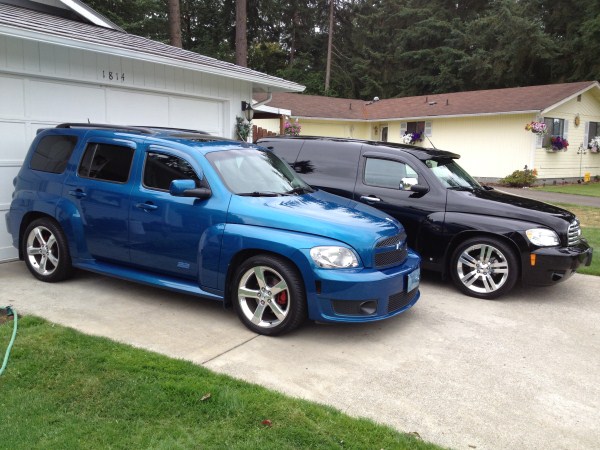
The Chevy HHR made its debut in 2006. It was designed as a compact wagon with retro styling, inspired by Chevrolet’s 1949 Suburban. The HHR was built to compete with vehicles like the Chrysler PT Cruiser and quickly gained attention for its distinctive design and versatile interior. It was available with both four-cylinder and turbocharged engines, and offered in multiple trims, including the sporty SS version.
Production lasted until 2011, after which the HHR was discontinued. During its run, the HHR built a loyal following but also developed a reputation for certain mechanical and safety issues. Some years are known for significant problems, while others are considered relatively trouble-free.
Which Chevy Hhr Years To Avoid
Not all HHRs are created equal. Some model years have a much higher rate of complaints, recalls, and serious issues than others. Here are the HHR years you should think twice about before buying:
1. 2006 Chevy Hhr
The very first year of the HHR is often considered the most problematic. Owners and automotive experts agree that the 2006 HHR suffers from a wide range of issues, especially with the electrical system, interior accessories, and engine.
Common Problems:
- Electrical problems: Faulty power locks, window regulators, and dashboard lights failing unexpectedly.
- Ignition switch failures: The vehicle sometimes shuts off while driving, which is a serious safety concern.
- Power steering failure: Sudden loss of power steering, often at low mileage.
- Interior quality issues: Cheap plastic parts that break easily, especially the door handles and glove box.
- Engine stalling: Reports of the engine randomly stalling while driving.
Notable Recalls:
The 2006 HHR was part of a massive General Motors ignition switch recall that affected millions of vehicles. This defect was linked to numerous accidents and injuries.
Owner Complaints:
According to data from CarComplaints.com and NHTSA, the 2006 HHR receives the highest number of complaints of any model year, especially for electrical and steering issues.
2. 2007 Chevy Hhr
While some improvements were made over the launch year, the 2007 HHR is still plagued by many of the same issues. Reliability remained a problem, especially as the vehicle aged.
Common Problems:
- Power steering motor failure: Sudden, unexpected loss of steering assist.
- Electrical system glitches: Problems with remote entry, radio, and instrument cluster.
- Ignition switch problems: Still present from the previous year.
- Paint and body: Chipping paint and rust, especially around the wheel wells and door sills.
Key Points:
- Recalls for ignition switch and power steering motor.
- Some owners report repeated repairs for the same issues, leading to high maintenance costs.
3. 2008 Chevy Hhr
The 2008 HHR saw a slight reduction in complaints, but persistent issues with steering, electrical components, and interior quality remained. This year is often included in “years to avoid” lists by automotive experts.
Common Problems:
- Steering column noise and failure: Clicking sounds, followed by loss of power steering.
- Air conditioning malfunctions: AC stops working suddenly, often requiring expensive repairs.
- Engine issues: Premature timing chain wear and oil leaks.
Notable Recalls:
- Repeated recalls for ignition and steering problems.
- Some units had airbag sensor failures, which could prevent airbags from deploying in a crash.
4. 2010 Chevy Hhr
While some improvements were made by 2010, the 2010 HHR still has its share of trouble, especially with the engine and transmission.
Common Problems:
- Transmission failure: Slipping or complete failure, sometimes before 100,000 miles.
- Timing chain issues: Causing rough idle or engine shutdown.
- Persistent electrical problems: Locks, windows, and dashboard electronics malfunction.
Owner Feedback:
Many 2010 owners report costly repairs and multiple visits to the mechanic for the same unresolved issues.
Hhr Years With The Most Complaints
To help visualize the trouble spots, here is a comparison of owner complaints across each model year, based on data from leading automotive complaint databases:
| Model Year | Total Complaints | Most Common Issue |
|---|---|---|
| 2006 | 1,250+ | Electrical/Steering |
| 2007 | 950+ | Steering/Electrical |
| 2008 | 700+ | Steering/Engine |
| 2009 | 500+ | Electrical |
| 2010 | 400+ | Transmission/Engine |
| 2011 | 280+ | Minor Issues |
This data shows the first three years (2006–2008) are the riskiest. The 2010 model also stands out for expensive repairs.
Why Are These Years So Problematic?
Understanding why certain HHR years are best avoided can help you spot warning signs and ask the right questions when shopping.
Ignition Switch Defects
The ignition switch defect is the most notorious problem with early HHRs. This issue caused the vehicle to lose power while driving, disabling power steering, brakes, and even airbags. This was so serious that it led to a recall of over 2.6 million GM vehicles and was linked to many accidents and injuries.
Power Steering Failures
Many HHRs, especially from 2006–2008, suffer from electric power steering motor failure. When this happens, drivers suddenly lose steering assist, making the car difficult to control. In tight spaces or at low speeds, this can be dangerous.
Electrical System Gremlins
The HHR’s complex electrical system has a reputation for random failures. Issues range from malfunctioning door locks and windows to dashboard displays going blank. In some cases, these problems are linked to faulty wiring harnesses and poor-quality connectors.
Poor Interior Quality
Owners often complain about cheap interior materials. Door handles, glove boxes, and dashboard plastics break easily, leading to annoying and sometimes expensive repairs. While not a safety risk, it does affect daily comfort.
Engine And Transmission Concerns
Later HHRs (especially 2010) are prone to timing chain wear and transmission failures. These repairs are costly and may not be worth the investment in a used vehicle.
Rust And Paint Problems
Early HHRs are known for paint peeling and rust, especially in areas with salted winter roads. This not only looks bad but can also lead to more serious body damage over time.
Which Chevy Hhr Years Are Safer To Buy?
While the HHR has its share of bad years, some models are considered more reliable by owners and mechanics.
2009 Chevy Hhr
The 2009 HHR saw improvements in build quality and fewer complaints about major systems. While some electrical issues still exist, they are less severe and less common.
2011 Chevy Hhr
The last model year, 2011, is often regarded as the best of the bunch. Most of the serious design flaws had been addressed by then, and owner complaints dropped sharply.
Why 2011 Is Better
- Fewer recalls and technical service bulletins.
- Lower rate of major repairs.
- Improved quality control from GM.
Here’s a quick comparison of the best and worst years for the HHR:
| Model Year | Reliability Rating | Common Issues |
|---|---|---|
| 2006 | Low | Electrical, Steering, Ignition |
| 2009 | Medium-High | Minor Electrical |
| 2011 | High | Few Minor Issues |

Credit: www.youtube.com
Signs Of Trouble When Shopping For A Used Hhr
If you’re considering a used HHR, here are some practical steps to avoid buying a lemon:
1. Check For Recalls
Always check if the car has any open recalls. You can do this on the official NHTSA website using the vehicle identification number (VIN). This is especially important for the 2006–2008 models.
2. Test All Electrical Features
Make sure to test every electrical component: locks, windows, lights, dashboard, radio, and air conditioning. Watch for flickering, slow operation, or total failure.
3. Inspect For Rust
Look closely at the wheel wells, door sills, and lower body panels. HHRs are prone to rust in these areas, which can be expensive to repair.
4. Listen For Steering Noises
During your test drive, turn the wheel fully to each side and listen for clicking or grinding noises. This could signal a failing steering column or motor.
5. Ask About The Ignition Switch
If you’re looking at a 2006–2008 HHR, ask if the ignition switch has been replaced as part of the GM recall. If not, avoid the car or factor in the cost of repair.
6. Check Service Records
A well-maintained HHR is less likely to have hidden issues. Ask for service records to see if regular maintenance and major repairs have been done.
7. Scan For Codes
If possible, use an OBD-II scanner to check for stored trouble codes. Some electrical and engine issues may not be obvious during a short test drive.
Pro Tip
Many buyers focus only on mileage, but for the HHR, year and maintenance history are even more important. A low-mileage 2006 HHR can be riskier than a higher-mileage 2011 with good care.
Common Repairs And Their Costs
If you’re considering a problematic HHR year, it helps to know what repairs might cost. Here’s a breakdown of average repair costs for major issues:
| Repair Type | Estimated Cost | Common Years Affected |
|---|---|---|
| Ignition Switch Replacement | $200–$400 | 2006–2008 |
| Power Steering Motor Replacement | $500–$900 | 2006–2008 |
| Transmission Repair/Replacement | $1,800–$3,200 | 2010 |
| Timing Chain Replacement | $1,200–$1,800 | 2010 |
| Rust Repair (per panel) | $400–$1,200 | 2006–2008 |
| Interior Trim Repair | $100–$400 | 2006–2008 |
Unexpected insight: Many owners don’t realize that repeated small repairs (like window regulators or door handles) can add up quickly and often cost more than one big repair.
Credit: www.chevyhhr.net
Real-world Owner Experiences
Hearing directly from HHR owners can provide valuable context. Here are some real owner stories that highlight both the struggles and the appeal of the HHR:
- Anna from Ohio: Bought a 2007 HHR with 60,000 miles. Within a year, the power steering failed and the ignition switch needed replacement. She spent over $1,500 in repairs.
- Mike from Texas: His 2011 HHR has gone 120,000 miles with only minor issues. He praises its cargo space and fuel economy, and says he would buy another if Chevy still made them.
- Lisa from Michigan: Her 2006 HHR had constant electrical problems, including dead batteries and malfunctioning door locks. Even after several mechanic visits, the issues kept coming back.
These stories show how much the model year can influence your ownership experience.
How Does The Chevy Hhr Compare To Similar Cars?
If you’re looking at the HHR, you might also be considering the Chrysler PT Cruiser, Scion xB, or other compact wagons. Here’s a side-by-side comparison of reliability for the HHR and two popular alternatives:
| Vehicle | Average Reliability (2006–2011) | Common Issues |
|---|---|---|
| Chevy HHR | Below Average | Electrical, Steering, Transmission |
| Chrysler PT Cruiser | Below Average | Engine, Electrical, Cooling System |
| Scion xB | Above Average | Minor Interior, Suspension |
Non-obvious tip: While the HHR and PT Cruiser have similar reputations, the Scion xB generally offers better reliability and fewer costly repairs.
What To Do If You Already Own A Problematic Hhr Year
If you already have an HHR from one of the trouble years (especially 2006–2008), there are steps you can take to reduce problems and extend its life:
- Stay on top of recalls: Make sure all recall repairs have been done. This is often free at a Chevy dealer.
- Regular maintenance: Change fluids, check for leaks, and keep up with scheduled services.
- Proactive repairs: Replace worn ignition switches and power steering motors at the first sign of trouble, not after a failure.
- Electrical care: Avoid installing aftermarket electronics that can stress the system.
- Protect against rust: Wash the undercarriage regularly in winter, and repair chips before they spread.
What Matters Most When Choosing A Used Hhr
If you’re set on the HHR, focus on these factors:
- Model year: Avoid 2006–2008, and be cautious with 2010.
- Service history: Look for a car with well-documented maintenance.
- Recall completion: Insist on proof that recalls have been addressed.
- Test drive results: Don’t ignore odd noises or warning lights during your test drive.
- Professional inspection: Consider having a trusted mechanic check the car before you buy.
Hidden insight: Many buyers skip a professional inspection for cheap cars, but with an HHR, this step can save you hundreds or even thousands in future repairs.
Final Thoughts: Should You Buy A Chevy Hhr?
The Chevy HHR is a unique vehicle with lots of cargo space and retro charm. However, not every year is a good buy. The 2006, 2007, 2008, and 2010 models have a history of expensive and sometimes dangerous problems. Later years, especially 2011, are safer bets if you want the HHR experience.
If you find an HHR you like, make sure to do your homework: check for recalls, review service records, and get a professional inspection. Don’t let a low price distract you from the potential for high repair bills. For many buyers, alternatives like the Scion xB offer similar practicality with fewer headaches.
If you want more detailed recall and safety data, you can visit the Chevrolet HHR Wikipedia page.
Making a smart used car purchase isn’t just about the price—it’s about choosing a year and model that will serve you well for years to come.
Frequently Asked Questions
What Is The Worst Year For The Chevy Hhr?
The 2006 Chevy HHR is generally considered the worst year due to ignition switch failures, electrical problems, and power steering issues. It has the highest number of owner complaints and was involved in major recalls.
Are There Any Good Years For The Chevy Hhr?
Yes, the 2011 HHR is considered the best year, with fewer complaints and improved reliability. The 2009 model is also a safer choice compared to earlier years.
How Can I Check If A Used Hhr Has Any Recalls?
You can check for open recalls by entering the vehicle’s VIN on the NHTSA website. This will show any recalls that still need to be fixed, and most recall repairs are done free of charge by Chevrolet dealers.
What Are The Most Expensive Repairs On The Hhr?
Transmission repairs (especially for 2010 models) and timing chain replacements can cost over $1,500. Power steering and ignition switch repairs are also common but less expensive.
Should I Buy A Chevy Hhr Or Look For An Alternative?
If you want unique style and cargo space, a later HHR (2009 or 2011) can be a good choice if well maintained. However, if reliability is your top priority, alternatives like the Scion xB usually offer fewer problems and lower repair costs.

Credit: www.consumerreports.org