The Jeep Cherokee Trailhawk has built a strong reputation among SUV lovers who crave off-road adventure with daily driving comfort. Its blend of rugged capability and modern features attracts many buyers. Yet, not all Trailhawk years are created equal. Some model years have more problems, higher repair costs, or design flaws that can turn your dream ride into a headache.
If you’re thinking about buying a used Jeep Cherokee Trailhawk, knowing which years to avoid is critical. This guide will help you spot risky years, understand the issues behind them, and steer you towards smarter choices.
What Makes The Jeep Cherokee Trailhawk Special?
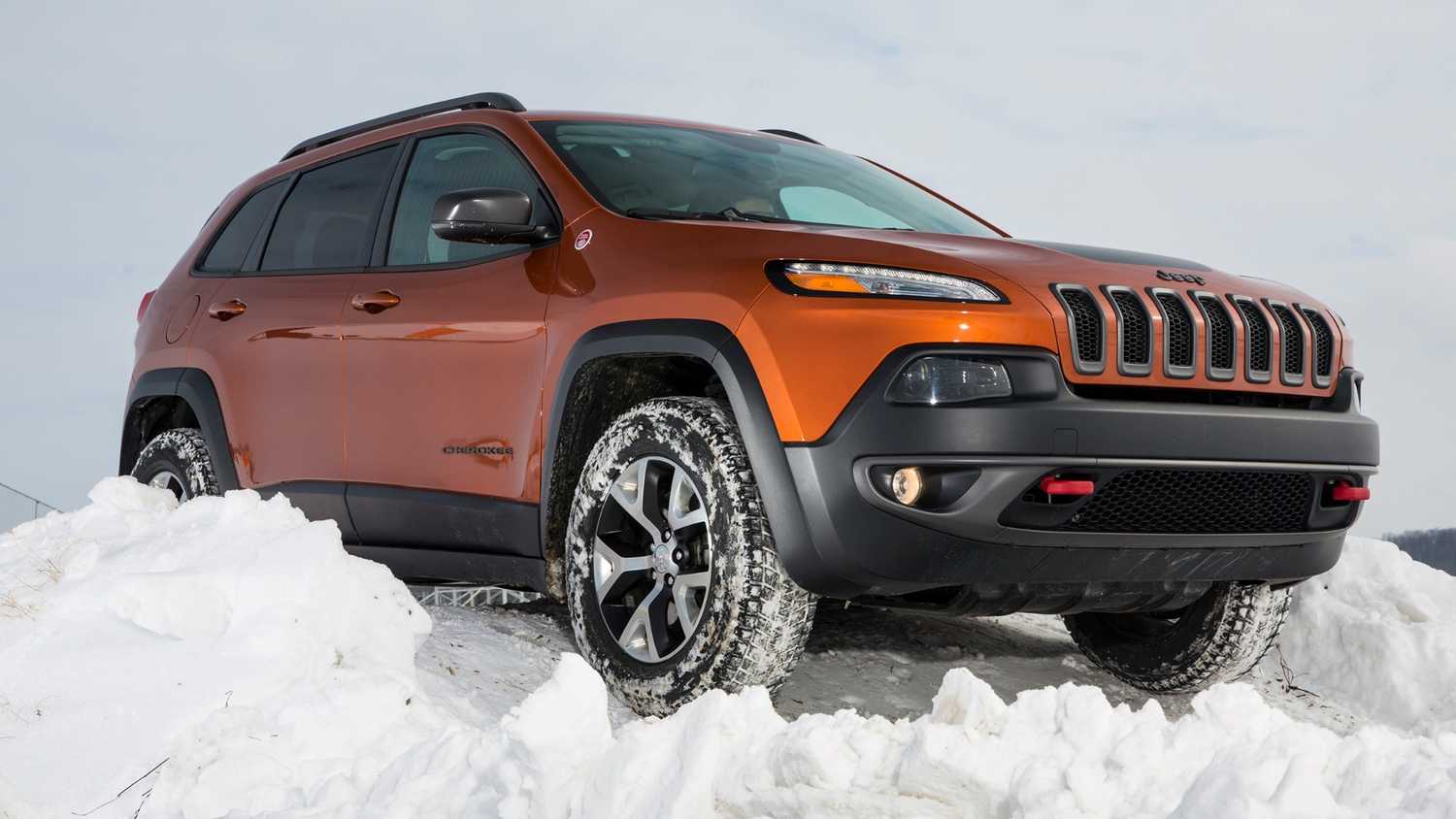
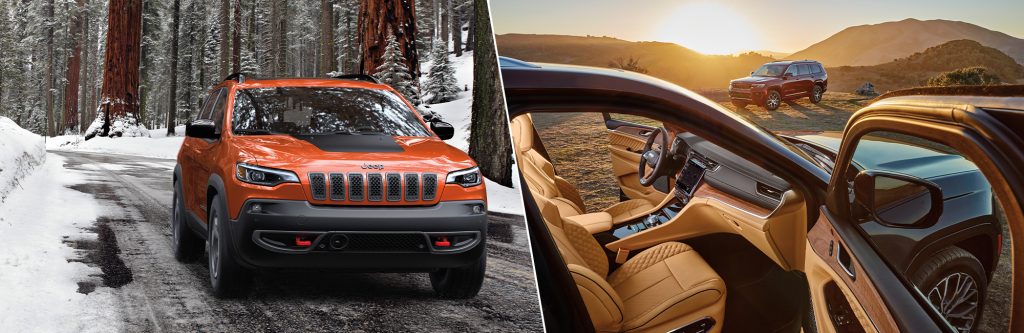
The Jeep Cherokee Trailhawk isn’t just another SUV. It’s the off-road-focused trim of the regular Cherokee, designed to go where many rivals can’t. Here’s what sets it apart:
- Trail Rated® badge: Jeep gives this to models that pass tough off-road tests.
- Active Drive Lock 4×4 system: Advanced all-wheel drive for rock, mud, snow, and sand.
- Higher ground clearance: Handles rough terrain with less risk of undercarriage damage.
- Off-road suspension and skid plates: Protects the car’s vital parts.
- Aggressive approach/departure angles: Makes climbing and descending obstacles easier.
While these features make the Trailhawk attractive, they also mean more complex parts that can go wrong, especially in certain years.
Jeep Cherokee Trailhawk: Quick Model Year Overview
The Trailhawk trim joined the Cherokee lineup in 2014. Since then, each model year has brought updates or changes, some positive and some negative.
| Model Year | Key Updates/Changes | Known Issues |
|---|---|---|
| 2014 | Trailhawk debut; 9-speed auto; V6 option | Transmission, engine stalling |
| 2015 | Minor updates; new tech features | Transmission, electrical |
| 2016 | Uconnect update; minor mechanical tweaks | Transmission, electronics |
| 2017 | Safety upgrades; better infotainment | Transmission, engine sensors |
| 2018 | Active safety features standard | Fewer issues, still some transmission |
| 2019 | Refresh: turbo engine, exterior redesign | Engine, transmission complaints |
| 2020-2022 | Refined powertrains, interior quality | Fewer problems, recalls for safety |
| 2023-2024 | Latest tech, safety, and reliability | Too new for long-term data |

Credit: www.copilotsearch.com
Why Some Trailhawk Years Are Best Avoided
Not every Cherokee Trailhawk year is a troublemaker, but a few stand out for all the wrong reasons. Why? Key factors include:
- Transmission Problems: The 9-speed automatic transmission, especially in early years, is famous for rough shifting, hesitation, and even failure.
- Engine Issues: Stalling, poor sensors, and oil consumption can be expensive to fix.
- Electronics and Infotainment: Malfunctions in the Uconnect system and electrical gremlins create frustration and sometimes safety risks.
- Recall History: Some years have multiple recalls for serious issues, from powertrain to airbags.
As a buyer, you want to avoid years with the worst track records to save money, time, and stress.
Jeep Cherokee Trailhawk Years To Avoid: The Most Problematic Models
While every car can have isolated problems, data from owners, mechanics, and automotive experts point to a few years you should be extra cautious about. Let’s look at the main years to avoid and why.
2014 Jeep Cherokee Trailhawk
The 2014 model marked the debut of the Trailhawk. While the new features drew attention, they also brought serious teething issues.
Common Problems:
- 9-Speed Transmission Troubles: Owners report rough, delayed, or unpredictable shifting. Some experience complete failure, often before 50,000 miles. Transmission software updates sometimes help but don’t always solve the problem.
- Engine Stalling: Sudden loss of power without warning, even at highway speeds, creates obvious safety risks.
- Electrical Gremlins: Malfunctioning infotainment, random warning lights, and power window failures are common.
Repair Costs: Transmission repairs can cost $2,000–$4,000. Engine sensor or stalling fixes range from $400 to $1,200.
Recalls: Multiple recalls for transmission, powertrain, and airbags.
Hidden Insight: Early Trailhawks used several untested components, so even routine maintenance can be tricky. Parts might be harder to source, too.
2015 Jeep Cherokee Trailhawk
The 2015 model tried to fix 2014’s problems, but many issues remained or just changed form.
Common Problems:
- Transmission Still an Issue: Slight improvements, but shifting and hesitation are still widespread. Some owners need multiple dealer visits for updates.
- Electrical System: Infotainment freezes, backup camera failures, and random battery drains.
- Sunroof Leaks: Water can enter the cabin, damaging electronics and causing mold.
Repair Costs: Sunroof leaks can cost $500–$1,500 to fix, depending on water damage.
Hidden Insight: Dealers sometimes recommend software updates as a “fix,” but hardware problems often remain.
2016 Jeep Cherokee Trailhawk
Improvements arrived in 2016, but not enough for total confidence.
Common Problems:
- Transmission Issues Linger: Reports of jerky shifting, especially at low speeds.
- Uconnect System Bugs: Screen blackouts, GPS failures, and Bluetooth connection drops.
- Check Engine Light: Sometimes linked to transmission or emission sensor problems.
Repair Costs: Uconnect repair or replacement can cost $700–$1,200.
Hidden Insight: 2016’s reliability seems better on paper, but many complaints center on how “fixes” don’t last. Some owners end up in a cycle of repeated dealer visits.
2019 Jeep Cherokee Trailhawk
The 2019 refresh brought a new turbocharged engine and modern features. Sadly, it also brought new headaches.
Common Problems:
- Turbo Engine Issues: Early turbo engines sometimes burn oil quickly or develop misfires. Repairs are expensive and can include turbo replacement.
- Transmission Software: Despite hardware changes, owners report lurching and hesitation.
- Active Safety System Glitches: Lane-keep assist and adaptive cruise control can malfunction.
Repair Costs: Turbo engine fixes can cost $1,500–$3,000.
Hidden Insight: The 2019 Trailhawk’s advanced tech means more things can go wrong. Complex sensors and computers may not be DIY-friendly.
Why Not All Older Trailhawks Are Bad
It’s easy to think all early Trailhawks are risky, but that’s not always true. Many 2017 and 2018 models show fewer complaints, likely due to better quality control and dealer support. However, always check maintenance records and get a pre-purchase inspection to catch hidden problems.
Problem Comparison: Which Years Are Safest?
To help you quickly spot which years are riskier, here’s a summary comparing the main problem areas for 2014–2020 Trailhawks:
| Model Year | Transmission | Engine | Electrical/Infotainment | Other Major Issues |
|---|---|---|---|---|
| 2014 | High | High | Medium | Recalls, airbag |
| 2015 | High | Medium | High | Sunroof leaks |
| 2016 | Medium | Medium | High | Check engine |
| 2017 | Low | Low | Medium | Minor recalls |
| 2018 | Low | Low | Low | Few issues |
| 2019 | Medium | High | Medium | Safety systems |
| 2020 | Low | Low | Low | Few recalls |
Common Problems To Watch For In All Trailhawk Years
Even in “good” years, some issues can pop up more often because of the Trailhawk’s design and tech. Here’s what to check when buying used:
- 9-Speed Automatic Transmission: Listen for rough shifts during a test drive. Check for lag or “hunting” for gears, especially at lower speeds.
- Infotainment and Electronics: Test all Uconnect features, backup camera, Bluetooth, and safety systems.
- Engine Sensors: Watch for check engine lights, especially if the car has the 3.2L V6 or 2.0L turbo.
- 4WD System: Make sure the Active Drive Lock system works in all modes. Off-road features should engage smoothly.
- Suspension and Undercarriage: Since Trailhawks are used off-road, check for damage, bent parts, or worn bushings.
How To Spot A Risky Trailhawk Before You Buy
Avoiding a problem year is smart, but it’s just as important to inspect any used Trailhawk carefully. Here’s how:
- Request Service Records: A well-documented history means the owner cared for the SUV.
- Get a Pre-Purchase Inspection: A trusted mechanic can check for hidden faults, especially in transmission and electronics.
- Check for Recalls: Look up the VIN at the NHTSA website to see if all recalls are complete.
- Test Every Feature: Don’t just drive around the block—test all 4WD modes, Uconnect, safety tech, windows, and sunroof.
- Drive at Different Speeds: Transmission problems often show up at low speeds or when accelerating quickly.
Pro Tip: If the seller is uncomfortable with a full inspection or won’t show records, walk away.
Are Any Trailhawk Years Actually Reliable?
While some years are best avoided, others are safer bets. Models from 2017, 2018, and 2020 onward generally have fewer complaints and better reliability. Here’s why:
- Transmission improvements: Software and hardware updates solved many shifting issues.
- Fewer recalls: Later models have fewer and less severe recalls.
- Modern safety tech: Reliability of electronics and safety features improved with each update.
- Better owner support: Jeep dealers and independent shops have more experience fixing common Trailhawk problems.
Still, even the best years benefit from careful shopping and thorough inspections.
How Jeep Addressed The Trailhawk’s Early Problems
Jeep didn’t ignore the early complaints. Over the years, the company made several important changes:
- Transmission Software Updates: Jeep released new software to smooth out shifting and fix hesitation.
- Hardware Redesigns: By 2017, internal parts of the 9-speed transmission were improved.
- Infotainment Upgrades: The Uconnect system became more stable and user-friendly.
- Better Quality Control: Later models show a clear drop in complaints and major repairs.
However, it’s important to remember that software updates can only do so much if the original design was flawed. Some early models still suffer from hard-to-fix hardware issues.
Buying A Used Trailhawk: Smart Steps
If you’re set on a used Jeep Cherokee Trailhawk, here’s how to reduce your risk:
- Prefer 2017, 2018, or 2020+ models: These years have the best reliability.
- Avoid base models with few features: More basic Trailhawks often lack important updates and are harder to resell.
- Look for certified pre-owned (CPO): CPO vehicles go through stricter checks and often include warranties.
- Budget for repairs: Even reliable Trailhawks can need $1,000–$2,000 in repairs over a few years.
- Negotiate on known faults: If a mechanic finds minor issues, use this as leverage to lower the price.
Non-obvious insight: Some buyers overlook the importance of tire condition. Trailhawks use unique off-road tires that are costly to replace. Check for uneven wear, which can signal suspension or alignment problems.
Trailhawk Vs. Other Cherokee Trims: Is It Worth The Risk?
Many buyers wonder if the Trailhawk’s off-road features are worth the potential trouble. Here’s a quick comparison:
| Feature | Trailhawk | Latitude/ Limited/ Overland |
|---|---|---|
| 4×4 System | Advanced (Active Drive Lock) | Basic or None |
| Ground Clearance | 8.7 inches | 7.9 inches |
| Skid Plates | Standard | Optional/None |
| Off-road Suspension | Yes | No |
| Reliability | Lower (certain years) | Generally higher |
If you need true off-road capability, the Trailhawk is unmatched in its class. But if your driving is mostly on pavement, other Cherokee trims offer better reliability and lower repair costs.
Jeep Cherokee Trailhawk: Real-world Owner Experiences
Reading forums and owner reviews gives a clearer picture than sales brochures. Here are some real-world insights:
- 2014 Owner Story: “Bought mine with 30,000 miles. Transmission replaced at 45,000. Infotainment froze during road trip. Still love the off-road feel, but repairs are stressful.”
- 2016 Owner Story: “Minor shifting issues, but dealer fixed with software update. No major problems in 60,000 miles.”
- 2019 Owner Story: “Turbo engine is fun but started burning oil at 20,000 miles. Dealer replaced turbo under warranty.”
- 2020 Owner Story: “No real problems in 40,000 miles. Drives smooth, all systems work.”
What stands out is that owner experience varies widely—even within the same year. How the vehicle was maintained and where it was driven matter as much as the model year.
Credit: carbuzz.com
Key Questions To Ask Before Buying
- Has the transmission ever been replaced or repaired?
- Are all recalls completed and documented?
- Has the Uconnect system ever been updated or fixed?
- Has the car been used for heavy off-roading?
- Are there service records for regular maintenance (oil changes, fluid flushes, etc. )?
Asking these questions helps you avoid hidden surprises.
Practical Buying Tips For Non-native English Readers
If you’re shopping in the US but don’t speak fluent English, use these tips:
- Bring a friend: Have someone fluent in English help you with the test drive and paperwork.
- Use translation apps: Google Translate can help you understand service records.
- Ask for written estimates: When negotiating repairs or price, get everything in writing.
- Check online forums: Many Jeep forums have sections for international or non-native speakers.
How The Trailhawk Compares To Rival Suvs
Wondering if you should skip the Trailhawk for another off-road SUV? Here’s a brief comparison with two close competitors:
| Model | Off-road Capability | Reliability | Repair Costs |
|---|---|---|---|
| Jeep Cherokee Trailhawk | Excellent | Mixed | High (early years) |
| Toyota RAV4 Adventure/TRD | Good | High | Medium |
| Subaru Outback Wilderness | Very Good | High | Medium |
The Trailhawk is the best for serious off-roading, but Toyota and Subaru rivals are usually more reliable and cheaper to fix.
Recalls And Technical Service Bulletins (tsbs): Why They Matter
When buying a used Trailhawk, it’s easy to focus on big repairs and forget about recalls or TSBs. These can be just as important.
- Recalls: Legal orders for dealers to fix safety or emissions issues for free.
- TSBs: Manufacturer advice for dealers about known problems and how to fix them, often at the owner’s cost.
Non-obvious insight: Sometimes a car with all recalls done is actually a safer bet, because the weak parts have been replaced.
Always check the VIN for open recalls on the official NHTSA site or ask your dealer.
Final Thoughts: Should You Avoid The Trailhawk Altogether?
The Jeep Cherokee Trailhawk is not a “bad” vehicle, but some years are much riskier than others. If you crave off-road adventure and can handle occasional repairs, later models (especially 2017, 2018, and 2020+) can be great choices. But if you want the lowest cost and least trouble, avoid the 2014, 2015, 2016, and 2019 Trailhawks.
Do your homework, get inspections, and don’t be afraid to walk away if something feels wrong.
For more details on recalls and reliability, you can check the NHTSA official site.
Frequently Asked Questions
What Is The Worst Year For The Jeep Cherokee Trailhawk?
The 2014 model year is widely considered the worst. It suffered from major transmission problems, engine stalling, and multiple recalls. Owners often faced expensive repairs and repeated dealer visits.
Is The Jeep Cherokee Trailhawk Reliable After 2017?
Yes, reliability improved a lot after 2017. Jeep fixed many transmission and electrical issues. Models from 2017, 2018, and 2020 onward have fewer complaints and better owner satisfaction.
How Do I Check If A Used Trailhawk Has Open Recalls?
Use the vehicle’s VIN (Vehicle Identification Number) and search on the NHTSA website. This will show any open recalls and if repairs are complete.
Are Repairs For The Trailhawk More Expensive Than Other Suvs?
Yes, repairs—especially for the transmission, turbo engine, and electronics—can be higher than average. Off-road features add complexity and cost to repairs.
Can I Use The Trailhawk For Daily Driving, Or Is It Only For Off-road?
You can use the Trailhawk for daily driving. It offers comfort and technology for city and highway use. But, its off-road suspension and tires may make the ride slightly firmer and noisier than other trims.
The Jeep Cherokee Trailhawk can be a rewarding SUV for the right buyer, but knowing the years to avoid and what to look for makes all the difference.
Credit: www.cdjrhenderson.com