Buying a used car is always a big decision. When it comes to the Audi A3, many people love its sporty design, strong performance, and high-quality interior. The A3 has been on the market since the mid-1990s and is popular worldwide. But not every year is equal. Some years of the Audi A3 have more problems, higher repair costs, or serious reliability issues. If you are thinking of buying a used Audi A3, knowing which years to avoid can save you money, stress, and time.
This guide is written for people who want clear advice, simple explanations, and real-world examples. We’ll focus on three specific Audi A3 years to avoid. For each, you’ll see why it is risky, what problems to expect, and how it compares with other years. We’ll also show data, repair costs, and tips for safer buying. By the end, you’ll have the confidence to make the right choice and avoid common mistakes.
Why Certain Audi A3 Years Are Risky
Not every Audi A3 is a bad buy. In fact, many models are reliable and enjoyable to drive. However, some years have clear issues that make them poor choices for buyers:
- Frequent mechanical breakdowns
- High repair costs
- Serious safety recalls
- Electrical failures
These problems often come from design errors, rushed production, or new technology that is not tested well. In some cases, Audi made big changes from one year to the next, and the first year with new parts or systems is often the riskiest.
Car review sites, owner forums, and industry reports help us identify the worst years. You will see that the years to avoid are not random; they have real, proven reasons behind them.
Sometimes, problems only show up after a car has been on the road for a few years. Early buyers become “testers” for new parts. That’s why newer technology or big redesigns can lead to issues. For example, when Audi switched to direct injection engines or added complex infotainment systems, problems increased in the first years.
Another reason some years are risky is how Audi handled recalls and repairs. In some cases, fixes were slow or didn’t solve the problem completely, leaving owners frustrated and with repeated trips to the shop.
Audi A3 Years To Avoid
After researching expert reviews, recall data, and owner experiences, there are three main Audi A3 years you should avoid if you want reliability and low maintenance costs:
- 2006 Audi A3
- 2009 Audi A3
- 2015 Audi A3
Each year has unique problems. Let’s look at them closely.
2006 Audi A3: Mechanical And Electrical Headaches
The 2006 Audi A3 is one of the most complained-about models. Many owners report problems soon after buying, and repair shops confirm these issues are real.
Common Problems
- Transmission failure: Many owners say the DSG automatic transmission stops working suddenly. This leads to expensive repairs, often costing $2,000 or more.
- Electrical issues: The 2006 model has recurring problems with window regulators, door locks, and central wiring. These failures make daily use frustrating.
- Water leaks: Poor door seals cause water to enter the cabin, damaging electronics and interior materials.
- Turbo failure: The turbocharger on the 2.0T engine is known for breaking down early, leading to weak performance and high repair bills.
You may also see dashboard lights flashing or error messages about airbags and brakes, even if nothing is wrong. These are often linked to wiring problems, which can be hard to diagnose and fix.
Owner Complaints And Data
According to CarComplaints. com and NHTSA data, 2006 is one of the worst years for the A3. Over 100 complaints are recorded, mostly about the transmission and electrical system. Owners report repairs that cost $1,500–$3,000 per issue.
Often, these problems happen just after warranty expires, so owners must pay out of pocket. Some owners say they fixed one problem, only to have another appear soon after.
| Common Issue | Repair Cost (Avg.) | Frequency |
|---|---|---|
| Transmission Failure | $2,000 | High |
| Window Regulator | $350 | Medium |
| Turbocharger | $1,800 | Medium |
| Water Leaks | $600 | Medium |
Safety Recalls
There were several recalls for the 2006 A3, mostly for airbag deployment issues and fuel system leaks. These recalls are serious, as they affect driver safety. Even after repair, some owners say the problems return.
For example, the fuel leak recall involved replacing fuel delivery lines, but a few owners reported smelling gasoline again a year later. Likewise, airbag warning lights sometimes came back on, suggesting the original fix was not perfect.
Comparison With Other Years
The 2005 and 2007 models have fewer complaints and lower repair costs. In comparison, the 2006 A3 stands out for its number of failures and the cost to fix them. It’s not just more expensive to maintain—it also spends more time in the shop, which is frustrating if you need a reliable car for daily use.
Non-obvious Insight
If you see a cheap 2006 Audi A3 for sale, check if the transmission was replaced. Many sellers do not mention this unless you ask. Also, water leaks can cause hidden mold under the seats, which is hard to spot but expensive to fix.
Another hidden issue: electrical problems can drain the battery overnight. If a car needs a jumpstart after sitting for a day or two, there may be a wiring fault that’s costly to repair.
2009 Audi A3: Engine And Fuel System Trouble
The 2009 Audi A3 looks modern and sporty, but under the hood, it has big problems. This year is famous for engine issues and fuel system failures.
Common Problems
- Carbon buildup: The direct injection engine has a design flaw. Carbon deposits build up in the intake valves, causing rough idle, loss of power, and expensive cleaning (usually $900–$1,200).
- Fuel pump failure: The high-pressure fuel pump often breaks before 60,000 miles, leaving owners stranded.
- Timing chain tensioner: The tensioner is weak and can fail, causing engine damage. Repair costs can reach $2,500.
- Air conditioning issues: Many owners report the AC fails in hot weather. Repairs cost $600–$1,000.
You may also notice warning lights for “check engine” or codes for fuel pressure. These are early signs of problems. If ignored, the engine can misfire, stall, or not start at all.
Owner Complaints And Data
In 2009, Audi tried new technology in the A3, but it was not reliable. Over 80 NHTSA complaints focus on engine and fuel system failures. Consumer Reports rates the 2009 A3 as “below average” for reliability.
Some owners say the car runs fine at first, but after a few years, repairs become frequent and expensive. The resale value drops quickly for this reason.
| Issue | Estimated Repair Cost | Reported Miles |
|---|---|---|
| Carbon Buildup | $1,000 | 40,000–60,000 |
| Fuel Pump Failure | $900 | 55,000–65,000 |
| Timing Chain Tensioner | $2,500 | 50,000–70,000 |
| AC Failure | $800 | 60,000–80,000 |
Safety Recalls
There was a major recall for the fuel system. Audi said the fuel pump could cause the engine to stall while driving, creating a safety risk. Dealers replaced pumps, but some owners had repeat failures.
It’s also important to check if the timing chain tensioner was updated, as a failure can destroy the engine. Most cars with this problem need an engine rebuild or a replacement.
Comparison With Other Years
The 2008 and 2010 models have fewer engine problems. The 2009 stands out for its engine and fuel system headaches. It’s not just about repair costs—these issues can leave you stranded and cause long-term engine damage if not fixed early.
Non-obvious Insight
If you buy a 2009 A3, ask for proof that the intake system was cleaned recently. Carbon buildup returns every 40,000 miles, so maintenance history is critical. Also, check the air conditioning on a hot day—the compressor can fail without warning.
Another tip: if the car hesitates or makes rattling noises at startup, walk away. These are signs of timing chain or fuel system problems that are expensive to repair.
2015 Audi A3: Electronics And Infotainment Frustrations
The 2015 Audi A3 started a new generation, with modern features and advanced electronics. But this year is known for electrical and infotainment system failures.
Common Problems
- Infotainment system malfunction: The MMI screen freezes or goes black, sometimes needing expensive replacement (up to $2,000).
- Bluetooth and connectivity issues: Many owners cannot connect phones, and the system drops calls or music.
- Sensor failures: The backup camera, parking sensors, and lane-keeping assist often fail.
- Engine stalling: There are reports of the engine stopping suddenly, usually due to faulty sensors.
Another common issue is with keyless entry and push-button start. Sometimes the car doesn’t recognize the key, leaving drivers unable to start the engine. This can be a software or antenna problem and may require module replacement.
Owner Complaints And Data
According to NHTSA and owner forums, the 2015 A3 has over 70 complaints about the infotainment system. Repair shops report that replacing the MMI screen or fixing sensors costs $1,500–$2,500.
Some owners also mention that software updates from the dealer are not always free and may only offer temporary fixes. Over time, the cost of repairs can add up quickly.
| Problem | Repair Cost | Frequency |
|---|---|---|
| MMI Screen Failure | $2,000 | High |
| Bluetooth Issues | $500 | Medium |
| Sensor Failures | $1,500 | Medium |
| Engine Stalling | $1,800 | Low |
Safety Recalls
Audi recalled the 2015 A3 for airbag deployment problems and electrical short circuits. These recalls are serious, but some owners had issues even after repair.
A few owners shared that even after recall repairs, the infotainment or sensors failed again, sometimes just outside warranty. Repairs for these systems are not cheap and often require special diagnostic tools.
Comparison With Other Years
The 2014 and 2016 A3 models have fewer electronic problems. The 2015 stands out for its unreliable infotainment and sensor systems.
Another difference: the 2016 model received software updates and improved parts, making it more dependable for daily use.
Non-obvious Insight
If you are test-driving a 2015 A3, check all electronics carefully. Try the backup camera, parking sensors, Bluetooth, and infotainment screen. Problems often show up during use. Also, ask if the car had any software updates—older software can cause more failures.
Also, keep in mind that replacing electronic modules often requires “coding” at the dealer, adding extra cost. Ask if previous repairs included proper reprogramming.
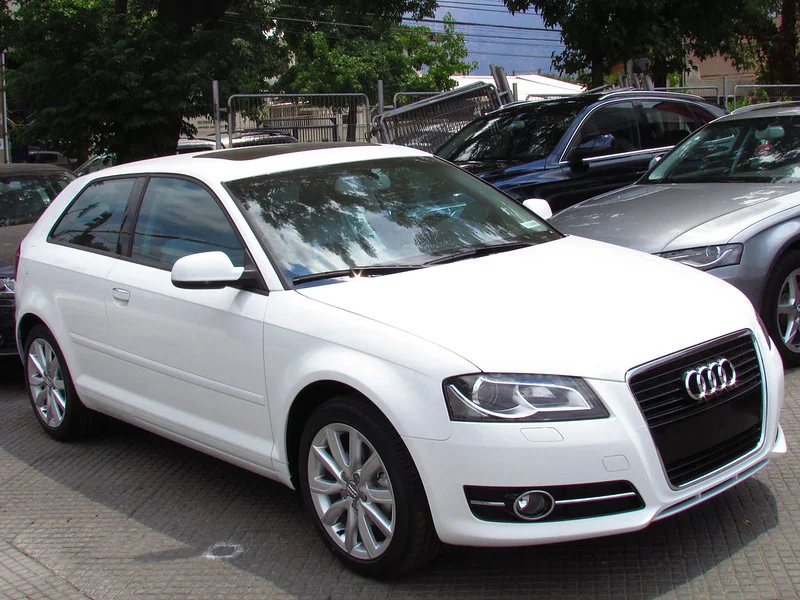
Credit: www.copilotsearch.com
Comparing Audi A3: Problem Years Vs Good Years
It’s useful to see how the years to avoid stack up against the safer years. Here’s a quick comparison of key factors:
| Model Year | Main Problems | Average Repair Cost | Owner Satisfaction |
|---|---|---|---|
| 2006 | Transmission, Electrical | $2,100 | Low |
| 2009 | Engine, Fuel System | $1,800 | Low |
| 2015 | Electronics, Sensors | $2,000 | Low |
| 2017 | Minor | $900 | High |
| 2018 | Minor | $850 | High |
Key insight: Models from 2017 and newer have fewer problems, lower costs, and higher owner satisfaction. If you want a used Audi A3, these years are safer.
Another reason newer models are better: Audi improved their parts suppliers and focused on software updates after 2016. This means fewer recalls and a smoother ownership experience.
How To Spot Problem Years When Buying
You don’t need to be a mechanic to spot risky Audi A3 models. Here are practical steps:
- Check VIN for recalls: Enter the car’s VIN on the official NHTSA recall website to see past and current recalls.
- Ask for repair history: Make sure the seller shows all service records, especially for transmission, engine, and electronics.
- Test all electronics: Try the infotainment system, sensors, AC, and windows. Problems show up with use.
- Look for water damage: Check under seats and carpets for mold or wet spots, especially in the 2006 model.
- Listen for engine noise: On the 2009 model, rough idle or ticking sounds can mean carbon buildup or timing chain issues.
- Check owner forums: Read real owner stories for the year you want. This gives you honest feedback.
Extra tip: Bring a trusted mechanic for a pre-purchase inspection. They can spot hidden problems and save you from a bad buy.
Also, do a test drive of at least 20 minutes. Some issues, like engine overheating or electronic glitches, only appear after the car warms up.
Real-world Repair Costs For Problem Years
One thing many buyers miss is the true cost of repairs. The Audi A3 is not cheap to fix, especially for the years with known issues.
- 2006 Audi A3: Transmission replacement costs $2,000–$3,500. Electrical repairs are $300–$900 per issue. Water damage can cost $600–$1,200.
- 2009 Audi A3: Engine cleaning (carbon buildup) is $900–$1,200. Fuel pump replacement is $800–$1,000. Timing chain repairs are up to $2,500.
- 2015 Audi A3: MMI screen replacement is $1,500–$2,000. Sensor repairs are $1,200–$1,500. Bluetooth fixes are $300–$500.
Compare this to safer years (like 2017–2018), which have average repair costs under $1,000 for normal maintenance.
Another cost to consider: if a major system like the engine or transmission fails, some repair shops may not even recommend fixing it due to high cost. This can make the car almost worthless if you need a reliable vehicle.
What Makes A Good Audi A3 Year?
A good Audi A3 year has:
- Few recalls and complaints
- Lower repair costs
- Strong owner satisfaction
- Tested technology
- Reliable performance
For example, the 2017 and 2018 A3 models score high for reliability. They use improved engines, better electronics, and have fewer recalls.
These models also have better resale value, since buyers trust their reliability. Many owners report driving over 100,000 miles with just standard maintenance like oil changes and brakes.
Another positive sign: insurance rates are often lower for these years, as they are less likely to be involved in accidents caused by mechanical failure.

Credit: www.youtube.com
Common Buyer Mistakes
Many buyers make these mistakes when shopping for an Audi A3:
- Ignoring recall history: Some people skip checking the recall record, missing serious safety risks.
- Not asking for repair records: Without service history, you don’t know if problems were fixed.
- Trusting low prices: Cheap cars often have hidden issues. A low price may mean high repair costs later.
- Skipping test drives: Always test all features, especially electronics and engine.
- Not checking forums: Owner stories are valuable. They highlight problems before you buy.
Another mistake is assuming all repairs are covered by warranty. Many used cars are sold “as-is,” and expensive problems become your responsibility after purchase.
Practical Tips For Audi A3 Buyers
If you want to buy a used Audi A3, follow these steps:
- Research the year: Use sites like Consumer Reports, NHTSA, and owner forums.
- Inspect the car: Bring a mechanic or use a trusted inspection service.
- Ask for full records: Demand all service and recall history before buying.
- Negotiate: Use repair history and recall info to negotiate price.
- Consider warranty: A third-party warranty can protect you from expensive repairs.
Extra tip: If you want a reliable A3, focus on models from 2017 and later. They have fewer problems and lower costs.
Also, ask about extended warranties or certified pre-owned programs. These can give you peace of mind and protect you from unexpected costs.

Credit: www.youtube.com
Should You Avoid All Audi A3s?
No, you should not avoid every Audi A3. Many years are reliable, fun to drive, and have low maintenance costs. The key is to avoid the 2006, 2009, and 2015 models. With smart research and careful inspection, you can find a good A3 that fits your needs.
Audi A3s are known for their strong engines, comfortable ride, and stylish look. If you choose the right year, they can be affordable to own and enjoyable for many years.
Where To Find Reliable Information
It’s important to use trusted sources when researching used cars. Official recall sites, car review magazines, and owner forums are great places to start. For example, the Audi A3 Wikipedia page offers a history of model years and changes.
You can also visit sites like Edmunds, Kelley Blue Book, and NHTSA for detailed reports and owner ratings. These sources provide real-world reliability data, recall details, and expert opinions.
Frequently Asked Questions
What Are The Worst Years For The Audi A3?
The 2006, 2009, and 2015 Audi A3 models are considered the worst years due to frequent mechanical failures, expensive repairs, and serious safety recalls. These years have more owner complaints and higher costs than other models.
How Much Does It Cost To Fix Common Audi A3 Problems?
Repair costs depend on the issue and the year. For the years to avoid, transmission repairs can be $2,000–$3,500, engine cleaning $900–$1,200, and electronic fixes $1,500–$2,000. Safer years usually cost under $1,000 for most repairs.
Is It Safe To Buy A Used Audi A3 From 2006, 2009, Or 2015?
It is not recommended. These years have higher risks of breakdowns and expensive repairs. If you must buy one, make sure all common issues are fixed, and get a full inspection.
Are Newer Audi A3 Models More Reliable?
Yes, models from 2017 and later have fewer complaints, lower repair costs, and improved technology. These years are safer and offer better owner satisfaction.
How Can I Check If An Audi A3 Has Recalls?
Enter the car’s VIN on the official NHTSA recall website. This shows all recall history, including repairs and open issues. Always check before buying any used Audi A3.
Choosing the right Audi A3 year makes all the difference. With smart research, careful inspection, and attention to problem years, you can enjoy a sporty, reliable car without unexpected costs. Remember, avoid the risky years, check all records, and trust your research.
Your next Audi A3 can be a great investment if you follow these steps.