

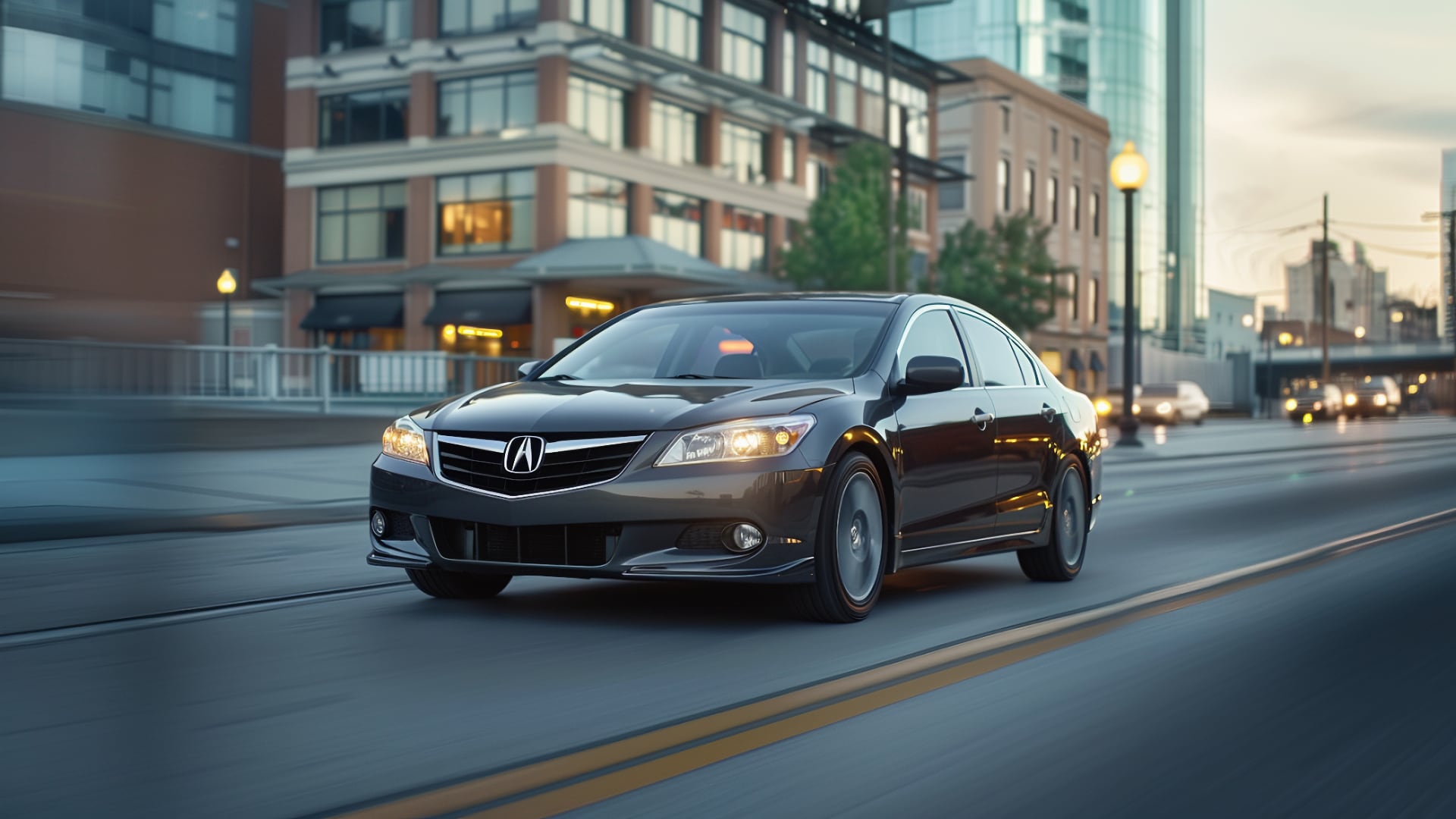
Buying a used car is always a big decision, especially when it comes to sporty sedans like the Acura TSX. This model, known for its reliability, sharp handling, and luxury touches, has attracted many drivers over the years. But not all TSX years are equal. Some have hidden issues that can turn a dream ride into a costly headache. If you’re thinking about owning an Acura TSX, it’s smart to learn which years to avoid and why. Let’s dive deep and discover what every buyer should know before making a choice.
The Acura Tsx: What Makes It Popular?
The Acura TSX was introduced in 2004 as a compact executive car. It quickly gained fame for its combination of Honda reliability and upscale features. Many owners love the TSX for its:
- Smooth 4-cylinder engines
- Precise steering
- Comfortable interiors
- Strong resale value
- Sporty appearance
Acura designed the TSX to compete with European sedans, but with lower ownership costs. It became popular among those who wanted a fun, practical car with a touch of luxury.
One detail that sets the TSX apart is its balance between sport and comfort. The suspension is tuned for sharp cornering but still absorbs bumps well. The seats are supportive for long drives, and the cabin materials feel higher quality than most rivals in its price range.
Many owners mention that the TSX delivers a driving experience similar to much more expensive cars, but with fewer expensive surprises.
A less obvious reason for its popularity is its understated styling. Unlike some flashy cars, the TSX looks elegant but not over-the-top. This appeals to buyers who want a sophisticated vehicle without drawing too much attention. The TSX’s design has aged gracefully, making even older models look modern.
However, even the most reliable brands can have problematic years. The TSX is no exception. Some model years show more issues than others, due to design flaws, recalls, or parts that don’t last. Understanding which years to skip can save you money and stress.
Acura Tsx Generations And Key Changes
Before looking at specific years to avoid, it helps to understand the two main generations of the TSX:
| Generation | Years Produced | Main Features |
|---|---|---|
| First Generation | 2004–2008 | 2.4L engine, manual/automatic, sporty suspension |
| Second Generation | 2009–2014 | Updated styling, optional V6, improved tech |
The first generation TSX was praised for its handling and simplicity. It featured Honda’s well-known K24 engine, which is famous for lasting hundreds of thousands of miles if maintained well. Enthusiasts often highlight its crisp manual transmission and responsive steering, making it a favorite among those who enjoy driving.
The second generation added more features and power, but also brought new challenges. Acura introduced more advanced electronics, a bigger body, and an optional 3. 5L V6 engine. The V6 model, while powerful, came with higher fuel consumption and slightly more expensive maintenance.
The interior was upgraded with better technology and improved comfort, but the added complexity sometimes led to reliability concerns. For example, touchscreen navigation and Bluetooth systems became standard in later years, but these features didn’t always work perfectly.
One subtle change was the move towards quieter cabins and softer ride quality in the second generation. This made the TSX feel more luxurious, but some longtime fans missed the “raw” sporty character of the original model. Still, many buyers appreciated the improved sound insulation and smoother ride, especially on highways.

Credit: solowheelsjourney.com
Acura Tsx Years To Avoid: Clear Guidance
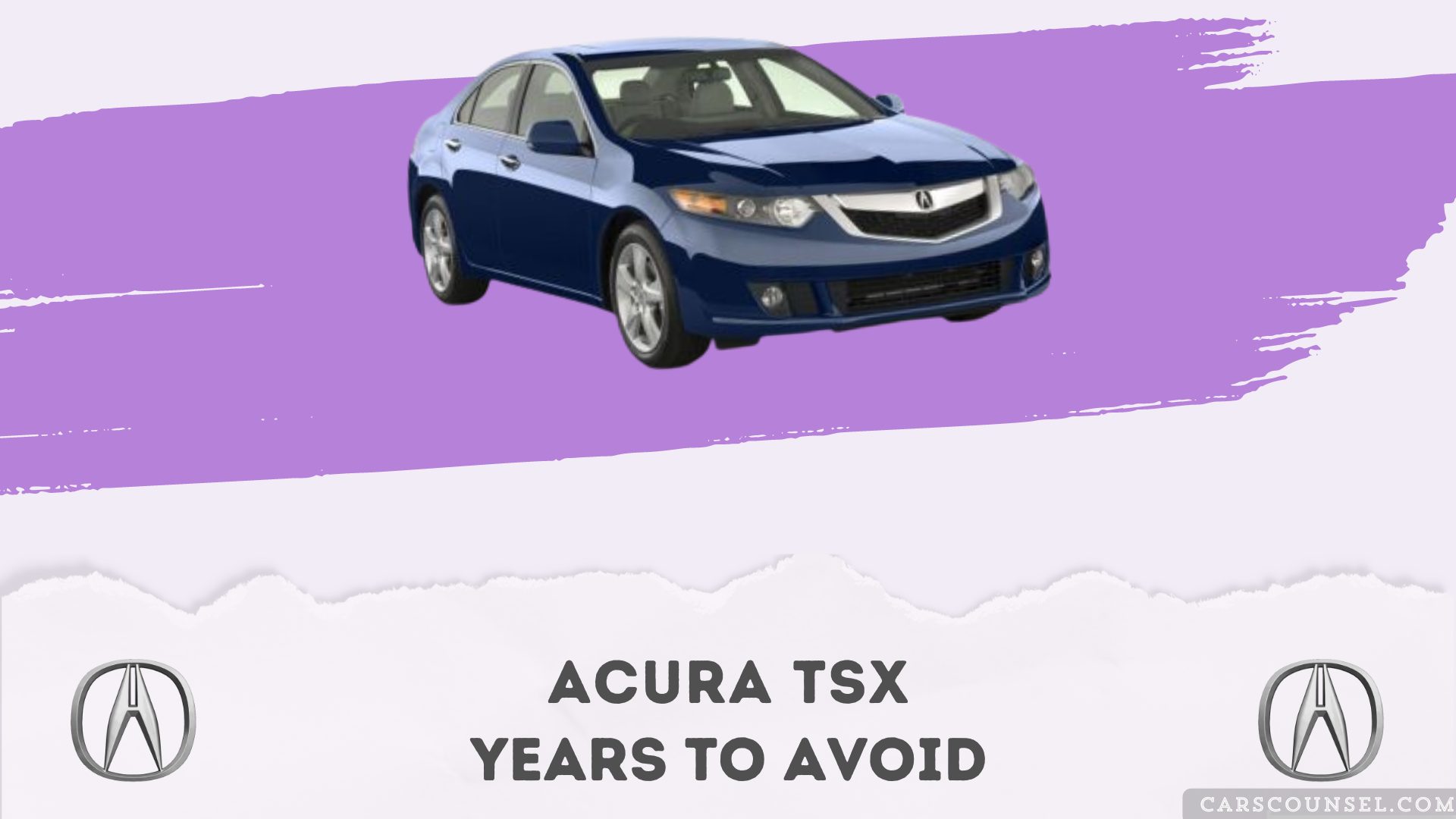
Some TSX years have more complaints, recalls, or expensive repairs than others. Here are the Acura TSX years to avoid, based on owner reports, reliability data, and expert reviews:
- 2004 Acura TSX
- 2005 Acura TSX
- 2010 Acura TSX
- 2011 Acura TSX
Let’s look closely at each problematic year and why you should think twice before buying.
2004 Acura Tsx: First-year Problems
The 2004 TSX was the model’s debut. With any new car, first-year issues are common. Owners report:
- Transmission failures: Some experience rough shifts, delayed engagement, or full breakdowns.
- Electrical issues: Dashboard lights, radio, and climate controls can malfunction.
- Suspension noise: Squeaks and rattles are frequent, especially as mileage grows.
Another concern is premature wear of the interior materials. Some 2004 owners mention that the leather seats and dashboard trim crack or fade quickly, especially in hot climates. This can make the car look older than it really is and lower its resale value.
Because Acura was still refining the TSX, many problems were fixed in later years. But in 2004, reliability was not as strong.
2005 Acura Tsx: Similar Concerns
The 2005 TSX continued many of the same issues as 2004, with added complaints:
- Power steering leaks: A common and expensive fix. Some owners face sudden loss of steering assist.
- Premature brake wear: Brakes may need replacement sooner than expected.
- Air conditioning failures: The compressor and controls can fail, leading to costly repairs.
One extra issue that can surprise buyers is faulty window regulators. Some 2005 TSX owners reported windows that got stuck or wouldn’t close properly. This can be annoying and expensive to fix, especially if water gets inside the car.
While Honda and Acura improved some parts, the 2005 TSX still had enough problems to make buyers wary.
2010 Acura Tsx: Technology Troubles
The 2010 TSX marked the second generation’s peak in complaints. Main concerns include:
- Excessive oil consumption: Some engines burn oil quickly, needing frequent top-ups.
- Bluetooth and navigation glitches: The tech upgrades in 2010 were unreliable, causing frustration.
- Premature battery drain: Electronics may drain the battery, leading to sudden failures.
A less obvious issue is the “check engine” light coming on for minor sensor faults. These can be hard to diagnose and may require multiple trips to the mechanic. Many owners mention that the advanced electronics make it harder to fix simple problems yourself.
Many owners expected the newer TSX to be better, but 2010 models show that technology doesn’t always mean reliability.
2011 Acura Tsx: Engine And Interior Issues
For the 2011 TSX, problems shifted to new areas:
- Engine ticking or knocking: Some engines make unusual noises, signaling potential trouble.
- Interior trim and seat wear: Materials wear faster than expected, hurting resale value.
- Headlight condensation: Moisture builds up inside headlights, reducing visibility and requiring replacement.
Another complaint is weak paint durability. In some climates, the paint fades or chips easily, making the car look worn out. This is more than just a cosmetic problem—it can lead to rust if left unchecked.
While not as severe as earlier years, 2011 still stands out for more complaints than its neighbors.
Why These Years Stand Out: Data And Details
It’s not enough to just list years to avoid. Understanding the reasons helps buyers make smarter choices.
Owner Complaints And Repair Costs
The TSX years to avoid share some clear patterns:
- High repair frequency: Owners report visiting mechanics more often.
- Expensive fixes: Repairs like transmission or power steering can cost over $2,000.
- Safety recalls: Some years have recalls for airbags, steering, or electronics.
For example, CarComplaints.com shows the 2004 TSX with over 100 owner complaints, mostly about the transmission. The 2010 TSX has frequent reports of oil consumption and tech failures.
In addition, some repair shops charge extra for TSX-specific parts. For instance, the 2004–2005 power steering pumps are unique and cost more than similar Honda models. This is something buyers often miss when budgeting for maintenance.
Reliability Ratings
Independent sources like J.D. Power and Consumer Reports rate these years lower. Reliability scores for 2004 and 2010 TSX models often fall below 3/5, compared to higher scores for other years.
It’s worth noting that these ratings are based on thousands of surveys and real-world data. If a model year consistently scores low, it’s not just a few unlucky owners—it’s a pattern that affects many people.
Recalls And Technical Service Bulletins
Recalls are official notices from Acura about serious problems. The years listed above had more recalls than usual, especially for:
- Airbags
- Power steering
- Transmission issues
Technical Service Bulletins (TSBs) are advice for mechanics on common repairs. 2004, 2005, and 2010 TSX models have more TSBs than average, hinting at widespread problems.
A practical insight: If you see a TSX with a lot of TSBs for the same issue (like transmission or steering), it’s a sign the problem is common and possibly hard to fix.
Common Acura Tsx Problems: What To Watch For
Even outside the years to avoid, the TSX has some issues that can affect any model. Here are the most common problems:
- Power steering pump leaks: Can cause loss of steering control.
- Excessive oil consumption: Especially in second-generation models.
- Transmission slipping or failure: Often seen after 100,000 miles.
- Electronic glitches: Dashboard, radio, and navigation malfunctions.
- Premature brake wear: Brakes may need frequent replacement.
- Suspension noises: Rattles and squeaks, especially in older cars.
An overlooked detail is the sunroof mechanism. Some TSX owners report that the sunroof can get stuck or leak, especially after many years. This is not always mentioned in common problems lists but can lead to water damage inside the cabin.
Knowing these issues helps you inspect any TSX before buying, no matter the year.
Acura Tsx Years Worth Considering
Not all TSX models are problematic. Some years stand out for reliability and owner satisfaction. If you want a safer bet, focus on:
- 2006 Acura TSX
- 2007 Acura TSX
- 2008 Acura TSX
- 2012 Acura TSX
- 2013 Acura TSX
- 2014 Acura TSX
These models have fewer complaints, better reliability scores, and lower repair costs. They also hold their value well.
A tip many buyers miss: The 2006–2008 TSX is often favored by enthusiasts who value driving feel and simplicity. The 2012–2014 models are best if you want newer tech and comfort. Both groups have their advantages, so choose based on your priorities.
Comparing Tsx Years: Reliability And Repair Costs
To help you compare, here’s a table showing average reliability scores and repair costs for key TSX years:
| Model Year | Reliability Score (out of 5) | Avg. Annual Repair Cost ($) |
|---|---|---|
| 2004 | 2.5 | 800 |
| 2005 | 2.7 | 750 |
| 2006 | 4.1 | 480 |
| 2010 | 2.9 | 900 |
| 2012 | 4.3 | 420 |
As you can see, repair costs and reliability scores improve in recommended years.
An extra point: Insurance rates also tend to be lower for TSX models from reliable years. That’s because insurance companies track claim frequency and cost. If you want to save on long-term costs, choosing the right year can help.
Buying Tips For Used Acura Tsx
If you’re shopping for a used TSX, here are practical steps to avoid trouble:
- Check the VIN for recalls: Use Acura’s website or the NHTSA database.
- Ask for maintenance records: A well-documented service history is a good sign.
- Inspect power steering and transmission: These are known weak points.
- Look for oil leaks and consumption: Check the dipstick and under the car.
- Test electronics: Try all dashboard buttons, radio, and navigation.
- Check suspension and brakes: Listen for noises and test stopping power.
A mistake many buyers make is forgetting to check tire wear. Uneven tires can signal suspension or alignment issues, which are expensive to fix. Always inspect the tires closely and ask when they were last replaced.
An often-missed tip: Hire a trusted mechanic to inspect the car before buying. Even if you pay $100 for the inspection, it can save you thousands later.
How Acura Tsx Compares To Similar Models
The TSX is often compared to other sporty sedans. Here’s a quick comparison with similar cars:
| Model | Reliability | Avg. Repair Cost ($) | Performance |
|---|---|---|---|
| Acura TSX | Good (except years to avoid) | 600 | Sporty, comfortable |
| BMW 3 Series | Fair | 850 | Very sporty, higher costs |
| Lexus IS | Excellent | 500 | Luxury, reliable |
| Infiniti G35 | Good | 650 | Powerful, decent reliability |
The TSX offers strong value, but only if you skip the years with known issues.
One thing to remember: The Lexus IS, while more reliable, can feel less sporty than the TSX. The BMW 3 Series often needs more expensive repairs, especially after 5–7 years. The TSX strikes a balance between performance, cost, and comfort, making it a smart choice for many used car buyers.
Acura Tsx Maintenance: What Owners Often Forget
Many buyers think the TSX is “maintenance-free” because of its Honda roots. But regular care is vital. Two often-missed points:
- Fluid changes: Power steering fluid, transmission fluid, and coolant need regular replacement. Skipping these can lead to big repairs.
- Timing chain tensioner: Some TSX engines need tensioner checks, especially after 100,000 miles. Neglecting this can cause engine damage.
Another tip: Use genuine Acura parts for replacements. Aftermarket parts may be cheaper but can cause new problems.
Don’t overlook the cabin air filter. This simple part needs changing every 20,000–30,000 miles. If ignored, it can affect air conditioning performance and cabin comfort. Many owners forget this, but it makes a noticeable difference in air quality.
Credit: rerev.com
Real Owner Experiences: What Buyers Say
Reading real owner stories gives you a clearer picture. For example:
- One 2004 TSX owner faced a $2,500 transmission repair just after 90,000 miles.
- A 2010 TSX driver had to add oil every 1,000 miles and spent $1,000 fixing Bluetooth issues.
- A 2012 TSX owner reports no major problems after 120,000 miles, only standard maintenance.
Another owner of a 2007 TSX shared that the car felt lively and reliable even past 150,000 miles, with only basic maintenance needed. This shows the model’s potential when you choose the right year.
These examples show the importance of choosing the right year.
Acura Tsx Resale Value: Which Years Hold Up?
Some TSX years keep their value better than others. If you plan to sell later, consider:
- 2006–2008 models: Hold value well, thanks to reliability.
- 2012–2014 models: Newer tech, fewer issues, higher resale prices.
Buying a problematic year can lead to lower resale value and difficulty finding buyers.
A smart strategy is to check local prices on used TSX models. If you notice one year is much cheaper, it could be a sign of hidden problems. The best years often cost more up front, but save money over time.
Signs Of A Good Used Tsx
When you inspect a TSX, look for these signs:
- Clean maintenance records: Show regular oil changes and repairs.
- Smooth shifting: No jerks or delays in transmission.
- Quiet suspension: No rattles or squeaks.
- No dashboard warning lights: Indicates healthy electronics.
- No oil leaks: Both under the car and in the engine bay.
If you find these, the car is likely in good shape.
One extra check: Open and close all doors, windows, and the sunroof. If anything sticks or makes noise, it could be a sign of hidden wear.
How To Negotiate Price For A Tsx
If you discover minor issues, don’t hesitate to negotiate. Tips:
- Use repair estimates: Get quotes for needed repairs and subtract from asking price.
- Mention common issues: Sellers often know about TSX weaknesses.
- Be ready to walk away: If the seller won’t budge, there are other cars.
Negotiation is easier when you know what to expect from each TSX year.
A less obvious tactic: If the car needs new tires or brakes soon, ask the seller to include these in the deal or lower the price. These are real costs you’ll face soon after buying.
Credit: attf.jp
Is The Acura Tsx A Good Buy Overall?
The TSX is a great car for many, but only if you avoid the worst years. It offers:
- Sporty driving
- Good fuel economy
- Luxury features
- Strong reliability (in most years)
But buying a problematic year can lead to costly repairs and stress. With careful research, you can enjoy all the benefits without the headaches.
If you value a mix of fun and practicality, and you’re willing to check for common issues, the TSX is a smart choice. Just remember: a few hours of research can save years of frustration.
Frequently Asked Questions
What Is The Worst Acura Tsx Year?
The 2004 Acura TSX is often considered the worst due to first-year transmission, electrical, and suspension problems. It has the highest number of owner complaints and expensive repairs.
Are Acura Tsx Cars Expensive To Maintain?
Maintenance costs for the TSX are moderate compared to other luxury sedans. Years to avoid can have much higher repair bills, especially for transmission and power steering. Reliable years usually cost around $400–$600 yearly.
Is The Acura Tsx Good For High Mileage?
A well-maintained TSX can handle high mileage (150,000+ miles) with few issues, especially from reliable years. But problematic models may struggle after 100,000 miles, so check maintenance records closely.
What Engine Issues Are Common In Tsx?
Common engine issues include excessive oil consumption (especially 2010–2011), timing chain tensioner problems, and engine knocking. Regular oil changes and checks help prevent major damage.
Where Can I Check For Recalls On Acura Tsx?
You can check for recalls using the official Acura recall lookup tool or the NHTSA database. Enter the VIN to see current recalls. For more details, visit NHTSA Recalls.
Final Thoughts
Buying a used Acura TSX can be a smart move if you know which years to avoid. By focusing on reliable models, checking for common problems, and doing careful inspections, you’ll enjoy a sporty sedan with luxury features and strong value. Don’t rush—research, inspect, and negotiate to get the best deal. With the right TSX, you’ll get years of enjoyable driving and minimal headaches.