

When it comes to protecting your car’s paint, you want a solution that truly works and lasts. You’ve probably heard about Xzilon and ceramic coatings, but which one is right for your vehicle?
Choosing between these two can feel confusing, especially when you want the best protection without wasting money or time. You’ll discover the key differences, benefits, and what to expect from both Xzilon and ceramic coating. By the end, you’ll feel confident about which option suits your needs and keeps your car looking fresh for years to come.
Keep reading to make an informed decision that protects your investment perfectly.

Credit: www.xzilon.com
Xzilon Coating Lifespan
The lifespan of Xzilon coating varies based on several factors. Its durability is often linked to the vehicle’s age, environment, and how well it is maintained. Understanding these elements helps car owners set realistic expectations for how long the coating will protect their paint.
Warranty Periods For New Vs Pre-owned Cars
Xzilon coating on new cars usually comes with a warranty of up to five years. For pre-owned cars, the warranty period is shorter, often around three years. These warranties cover issues like fading or oxidation. The difference in coverage reflects the condition of the vehicle at the time of application.
Factors Affecting Durability
The type of vehicle plays a major role in how long Xzilon lasts. Environmental conditions such as road salt, acid rain, and harsh washing methods can wear down the coating faster. Application quality is critical; professional installation ensures better bonding. Proper aftercare like gentle washing helps maintain the coating’s strength. The product formula, which includes ceramic and graphene elements, adds heat and flexibility resistance.
User Experience On Longevity
Many users report that Xzilon can last from six months to several years. Some experience the full warranty period, while others notice a decline sooner. Dealership installations often back the product with coverage against fading. Warranty terms sometimes have exclusions, making claims difficult. Users advise understanding these details before purchase. Feedback shows the product performs well but may be oversold by some sellers.
Ceramic Coating Durability
Ceramic coatings provide a strong shield for vehicle paint. Their durability is a key factor for many car owners. Knowing how long they last and how to maintain them helps protect your investment. This section explores the lifespan, care tips, and performance of ceramic coatings under tough conditions.
Typical Lifespan Expectations
Ceramic coatings usually last between two and five years. The exact time depends on the brand and application quality. Professional installation often extends the coating’s life. Poor application can reduce protection quickly. Regular checks help spot any wear early.
Maintenance For Extended Protection
Gentle washing keeps ceramic coatings strong. Use pH-neutral shampoos and avoid harsh chemicals. Dry the surface with a soft cloth to prevent water spots. Avoid automatic car washes with stiff brushes. Regular upkeep can add months or years to the coating’s life.
Performance In Harsh Environments
Ceramic coatings resist UV rays, acid rain, and road salt. They help prevent fading and oxidation in sunny or cold climates. Heavy dirt and grime wash off more easily. Still, extreme conditions may wear down the coating faster. Extra care is needed in salty or dusty areas.
Formula And Technology
The formula and technology behind Xzilon and ceramic coatings define their protection quality. These coatings use advanced materials to shield car paint. Understanding their composition helps in choosing the right product for vehicle care.
Xzilon’s Ceramic And Graphene Blend
Xzilon combines ceramic with graphene in its formula. This mix creates a strong, flexible layer on the car’s surface. Graphene adds heat resistance and durability. The ceramic component offers hardness and chemical resistance. Together, they form a protective coating that bonds tightly to the clear coat.
Ceramic Coating Composition
Ceramic coatings mainly consist of silicon dioxide (SiO2). This creates a hard, glass-like layer on the paint. It resists scratches, dirt, and water. Some formulas include other chemicals to improve gloss and durability. The coating cures by bonding to the paint’s clear coat. It forms a shield that lasts for years with care.
Comparison With Graphene And Ppf
Graphene coatings are newer and offer better heat and scratch resistance than standard ceramic. They also repel water and dirt more efficiently. Paint Protection Film (PPF) uses a thick, clear plastic layer. PPF protects against chips and physical damage better than coatings. Coatings offer shine and chemical resistance but less impact protection. Graphene coatings combine benefits of both ceramic and some PPF features.

Credit: www.youtube.com
Application And Warranty
The application and warranty of Xzilon and ceramic coatings differ significantly. Both products protect your vehicle’s paint but require careful installation. Warranty coverage depends on how well the product is applied and maintained. Understanding these factors helps you choose the right option for your car’s protection.
Proper application ensures the coating bonds correctly with the paint. Warranties usually cover defects but have specific conditions. Knowing these details helps avoid unexpected issues down the road.
Professional Installation Importance
Both Xzilon and ceramic coatings need professional installation. Trained technicians prepare the surface by cleaning and polishing. This step removes dirt and old wax, allowing better bonding.
Incorrect application can cause uneven coverage or peeling. Professionals use precise tools and techniques for a smooth finish. Their work extends the life of the coating and maximizes protection.
Dealership Warranty Details
Xzilon often comes with a warranty of up to five years for new cars. Pre-owned vehicles usually get a shorter warranty, around three years. The warranty covers fading and oxidation but may exclude other damage.
Ceramic coatings vary widely by brand and installer. Some offer warranties from one to five years. Dealership warranties may require regular maintenance checks to remain valid.
Common Warranty Limitations
Warranties usually exclude damage from accidents or improper washing. Harsh chemicals or abrasive tools can void coverage. Environmental factors like acid rain or road salt might also limit protection.
Many warranties demand professional reapplication if the coating fails early. Skipping this step can result in lost coverage. Always read the fine print before committing to any product.
Protection Performance
Protection performance is the key factor when choosing between Xzilon and ceramic coating. It determines how well the coating defends your vehicle’s paint against daily wear and tear. Both products offer strong protection, but their strengths vary in different areas. Understanding these differences helps in picking the right option for your needs.
Resistance To Oxidation And Fading
Xzilon forms a strong bond with the vehicle’s clear coat. This bond helps prevent oxidation and fading caused by sun exposure. Ceramic coatings also provide excellent UV protection. They create a shield that blocks harmful rays and slows down paint deterioration. Both coatings keep your car looking new for longer.
Scratch And Chip Protection
Xzilon offers moderate resistance to minor scratches and chips. Its flexible formula absorbs some impact without cracking. Ceramic coatings are harder and more durable. They create a tough layer that resists scratches and small chips more effectively. For heavy protection, ceramic coating may be the better choice.
Heat And Flexibility Resistance
Xzilon uses ceramic and graphene in its formula, adding heat resistance and flexibility. It withstands temperature changes without breaking down. Ceramic coatings also handle heat well but tend to be less flexible. They may crack if the surface expands or contracts too much. Xzilon’s flexibility helps it last longer under harsh conditions.
Maintenance And Aftercare
Proper maintenance and aftercare play a big role in keeping Xzilon and ceramic coatings effective. Both coatings protect your vehicle, but they need careful care to last long. Neglecting maintenance can reduce their lifespan and shine. Understanding how to clean and protect the coated surface helps you enjoy the benefits longer.
Recommended Washing Techniques
Use gentle washing methods to protect the coating. Hand washing is best, using a soft sponge or microfiber cloth. Avoid automatic car washes with harsh brushes. Use pH-neutral car shampoo to prevent damage. Rinse the car thoroughly before washing to remove loose dirt. Dry with a clean microfiber towel to avoid scratches.
Use Of Non-abrasive Waxes
Choose waxes that do not harm the coating. Non-abrasive waxes add extra protection and shine. Avoid waxes with harsh chemicals or abrasives. Apply wax sparingly and gently buff with a soft cloth. This helps maintain the smooth surface and water repellency of both Xzilon and ceramic coatings.
Avoiding Common Coating Damages
Prevent damage by avoiding harsh chemicals and rough tools. Do not use strong solvents or acidic cleaners on the coating. Stay away from abrasive pads or brushes that can scratch the surface. Avoid parking under trees to reduce sap and bird droppings. Clean contaminants quickly to protect the coating’s integrity.
Cost And Value Comparison
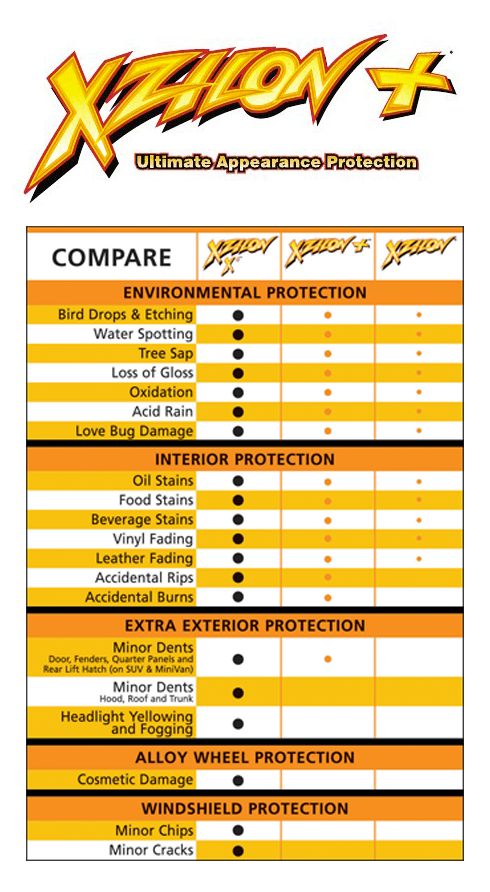
Comparing the cost and value of Xzilon and ceramic coatings helps buyers make smart choices. Both offer paint protection but differ in price and benefits. Understanding these differences can save money and ensure the right investment for your vehicle. Here is a breakdown of the main cost and value factors between Xzilon and ceramic coatings.
Pricing Differences Between Xzilon And Ceramic
Xzilon usually costs less upfront than traditional ceramic coatings. Dealerships often offer Xzilon as a package with new cars. Ceramic coatings tend to have higher prices due to their complex formulas and longer application times. Professional installation of ceramic coatings also adds to the cost. For budget-conscious buyers, Xzilon presents a more affordable option. Those seeking premium protection may lean toward ceramic coatings despite the higher price.
Long-term Value Assessment
Ceramic coatings typically last longer, often five years or more with proper care. Xzilon warranties new vehicles for up to five years, but actual durability may be shorter. Factors like weather and maintenance affect both coatings’ lifespan. Ceramic coatings resist scratches and stains better, reducing repainting needs. Xzilon’s value lies in its easier application and moderate protection. Over time, ceramic coatings often provide better return on investment by preserving paint quality.
Market Perceptions And Hype
Ceramic coatings enjoy strong market trust and popularity. Consumers view them as high-quality and reliable. Xzilon has mixed reviews; some praise its convenience, others question its longevity. Dealerships sometimes hype Xzilon to boost sales, leading to skepticism. Research and user feedback help cut through marketing claims. Real-world performance remains the best guide for choosing between these options.
Credit: www.dahlford.com
Advanced Alternatives
Advanced alternatives to Xzilon and ceramic coatings offer innovative ways to protect vehicle surfaces. These options combine durability and technology to extend paint life and maintain shine. Understanding these alternatives helps car owners pick the best protection for their needs.
Graphene Coatings Benefits
Graphene coatings provide strong protection against scratches and chemicals. They form a thin, flexible layer that resists heat and water. This coating helps keep cars cleaner for longer periods. Graphene also improves gloss, giving paint a deeper shine. Its lightweight nature does not add bulk to the vehicle’s surface. These coatings cure fast and last longer than many traditional options.
Paint Protection Film Advantages
Paint protection film (PPF) acts as a physical shield on car paint. It absorbs impacts from stones, debris, and minor collisions. The film is clear and nearly invisible after installation. PPF also resists yellowing and cracking over time. It can self-heal small scratches with heat exposure. This film is removable without damaging the paint underneath. It suits drivers who want robust, long-term protection.
Choosing The Right Protection
Select protection based on driving habits and environment. For daily city use, coatings may be enough. Off-road or highway drivers may need paint protection film. Consider budget, maintenance effort, and desired appearance. Professional application ensures the best results. Match the protection to your vehicle’s age and condition. Proper care extends the life of any protective layer.
Frequently Asked Questions
How Long Does Xzilon Coating Last?
Xzilon coating lasts up to five years on new cars and three years on pre-owned vehicles under warranty. Actual durability depends on application, environment, and maintenance. Some users report effectiveness lasting six months to one year. Proper care and professional application maximize its lifespan.
Is Xzilon Paint Protection Better Than Ceramic Coating?
Xzilon offers durable protection with a ceramic-graphene formula but ceramic coatings typically provide longer-lasting, fuller coverage. Ceramic coatings resist wear better and protect paint more comprehensively than Xzilon. Choose ceramic coating for superior, extended paint protection and enhanced vehicle appearance.
What Is Better Than Ceramic Coating?
Graphene-infused coatings like Xzilon offer better heat resistance and flexibility than standard ceramic coatings. They last longer with proper care.
Is Xylan Coating Worth It?
Xylan coating offers good protection and durability, lasting up to five years with proper care. It resists heat, oxidation, and fading, but costs and warranty terms vary. Quality application and maintenance affect its value, making it worth considering for long-term paint protection.
What Is The Main Difference Between Xzilon And Ceramic Coating?
Xzilon uses ceramic and graphene, while ceramic coating mainly uses silica-based formulas.
Conclusion
Choosing between Xzilon and ceramic coating depends on your needs. Xzilon offers a strong bond with the clear coat and lasts up to five years under ideal conditions. Ceramic coatings provide durable protection and resist heat and chemicals well. Both require proper application and care to perform their best.
Consider your vehicle type, environment, and budget before deciding. Regular maintenance helps extend any coating’s life. Protect your car wisely for lasting shine and defense.