

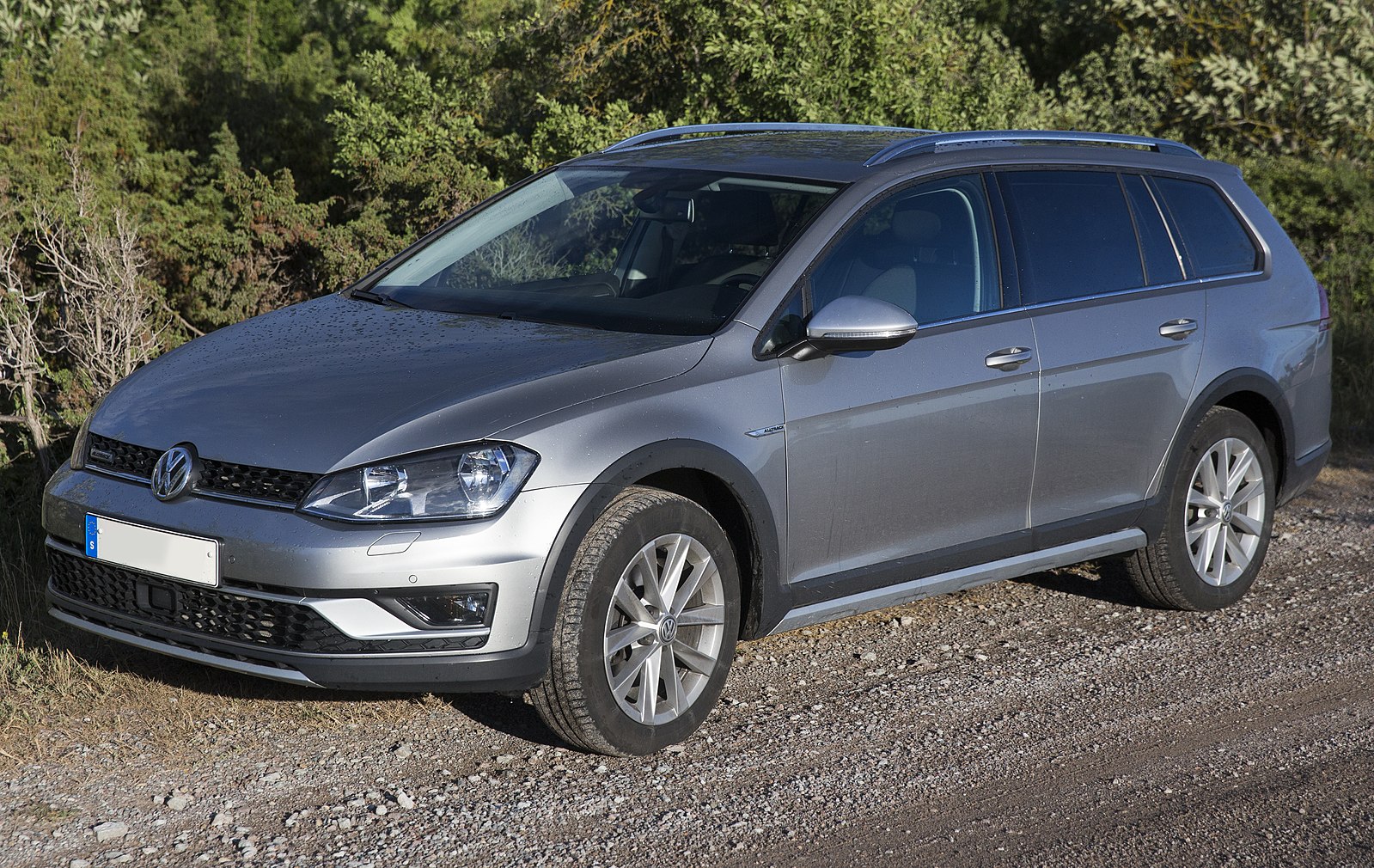
The Volkswagen Golf is one of the most recognized compact cars globally. For decades, it has attracted drivers with its reliable performance, practical design, and European flair. However, not every Golf year is built equally. While many models deliver a solid experience, some have significant issues that can lead to headaches and costly repairs.
If you are considering buying a used VW Golf, knowing which years to avoid can save you both money and frustration.
This article breaks down the VW Golf years that are best skipped, explains why these years have problems, and offers alternatives for buyers who want the best value. You will find real-world examples, data from owners, and expert advice. Whether you are a first-time Golf shopper or a longtime fan, this guide will help you make an informed decision.
Why Vw Golf Years Matter
Car models change from year to year. Manufacturers update engines, electronics, safety features, and even the look of the car. Sometimes, these changes bring improvements, but other times they introduce new problems.
For the Volkswagen Golf, certain years are known for poor reliability, high maintenance costs, or safety concerns. These issues often show up after the cars have been on the road for a few years, which is when used car buyers start to feel the impact.
Understanding which years have the most complaints or recalls helps you avoid buying a car that could become a money pit. Skipping the problem years and choosing a more reliable model saves you time, stress, and cash in the long run.
The Most Problematic Vw Golf Years
After reviewing owner reports, expert reviews, and reliability data, several VW Golf years stand out as ones you should avoid. Here are the main years that consistently get negative feedback.
1. 2000–2002 Golf (fourth Generation)
Early 2000s Golfs are often criticized for electrical issues and poor build quality. The fourth generation was modern for its time, but owners faced many small and large problems.
- Common problems: Window regulators failing, coil pack issues, faulty door locks, and dashboard lights.
- Engine troubles: Many suffered from misfires due to weak ignition coils.
- Electrical gremlins: Central locking systems and power windows often stopped working.
- Rust: Surface rust was more common than in later models.
These issues led to expensive repairs, especially as the cars aged. Many mechanics reported that repairs for window regulators and electrical faults could cost hundreds of dollars each.
2. 2006–2007 Golf And Gti (fifth Generation)
The fifth generation introduced a new 2.0T FSI engine and a modern design, but not all changes were positive.
- Timing chain tensioner failures: This problem could lead to engine damage if not fixed quickly.
- High-pressure fuel pump failures: Some owners faced sudden engine shut-offs.
- DSG transmission problems: The Direct Shift Gearbox (DSG), while advanced, was prone to mechatronic unit failures and expensive repairs.
- Cam follower wear: This small part could cause big engine issues if not checked regularly.
In these years, buyers often reported spending thousands of dollars on engine and transmission repairs. The cost of fixing a failed DSG transmission could easily exceed $2,000.
3. 2010–2013 Golf And Gti (sixth Generation)
The sixth generation brought improvements, but several years were hurt by engine and electronics issues.
- Water pump leaks: The 2.0T engines were known for leaking water pumps, often before 60,000 miles.
- Carbon buildup: Direct-injection engines suffered from intake valve carbon deposits, causing rough idling and reduced power.
- Turbocharger failures: Some GTI models had early turbo failures.
- Airbag recalls: Certain years were affected by the Takata airbag recall, requiring dealer replacement.
While not every sixth-gen Golf had these issues, the chance of expensive repairs was higher during these years.
4. 2015 Golf Tdi (seventh Generation)
The 2015 Golf TDI became infamous because of the Volkswagen diesel emissions scandal (“Dieselgate”).
- Emissions cheating: VW programmed these cars to cheat emissions tests, leading to recalls and federal investigations.
- Buybacks and fixes: Many cars were bought back by Volkswagen, and others received software updates that reduced performance and fuel economy.
- Resale value: Uncertainty about legal status and future emissions regulations made the 2015 TDI a risky choice.
While some buyers got good deals on used TDIs, the long-term reliability and value were unpredictable.
5. 2016 Golf (seventh Generation)
The 2016 model year seemed promising but had several transmission and electrical issues.
- Transmission shudder: Owners reported the automatic transmission would shake or hesitate, especially at low speeds.
- Infotainment glitches: The new touchscreen systems frequently froze or crashed.
- Start-stop system malfunctions: The automatic engine start-stop system sometimes failed to restart the engine smoothly.
- Sunroof leaks: Panoramic sunroofs developed leaks, leading to water damage inside the cabin.
Repairing electrical and sunroof issues often required dealer visits, which could be costly.
Problems That Made These Years Risky
The years listed above are not just random. Each one has unique problems that make ownership difficult or costly. Let’s look deeper at the main types of issues and why they matter.
Engine And Transmission Issues
Many of the “bad” Golf years struggled with engine and transmission reliability. Problems like timing chain failures, worn cam followers, or failing DSG transmissions can lead to engine damage or complete breakdowns. For example, a failed timing chain can ruin the engine, leaving you with a repair bill that exceeds the car’s value.
Electrical And Electronics Problems
Volkswagen Golfs are known for advanced features, but these can cause trouble. Power windows, door locks, infotainment systems, and even headlights sometimes stop working due to faulty wiring or control modules. Small electrical problems are annoying, but when they affect the car’s main systems, repairs can become very expensive.
Cooling System Faults
The Golf’s water pump is a weak spot, especially in models from 2010–2013. A leaking water pump can cause the engine to overheat, leading to warped cylinder heads or blown head gaskets. These are not simple or cheap repairs.
Recalls And Legal Issues
A major reason to avoid certain Golf years is the presence of recalls or legal problems. The 2015 TDI is the best example. Because of the emissions scandal, these cars were subject to buybacks, software changes, and ongoing legal uncertainty. Even cars that passed emissions fixes sometimes lost power or fuel economy.
Vw Golf Years With The Most Complaints And Recalls
Some years have more complaints and recalls than others. Here is a comparison of problem areas for the main years to avoid:
| Model Year | Main Problems | Major Recalls | Estimated Repair Cost |
|---|---|---|---|
| 2000–2002 | Electrical, ignition coils, window regulators | Airbags, electrical system | $500–$1,800 |
| 2006–2007 | Timing chain, DSG transmission, fuel pump | Fuel system, airbags | $1,000–$3,000 |
| 2010–2013 | Water pump, turbo, electronics | Airbags (Takata), fuel system | $800–$2,500 |
| 2015 TDI | Emissions, software, resale value | Emissions, airbags | Varies, up to $2,500 |
| 2016 | Transmission, infotainment, sunroof leaks | Electrical, airbags | $600–$2,000 |
This table shows why skipping these years makes sense for most buyers. The risk of expensive repairs and recalls is higher, and owners often report more downtime and frustration.
Credit: www.copilotsearch.com
Common Symptoms Of A Problematic Vw Golf
Even if you are not a car expert, you can spot signs that a Golf from one of these years may have problems. Here are some symptoms to watch for when shopping for a used Golf:
- Check engine light stays on or flashes
- Unusual engine noises (rattling, ticking)
- Hesitation or jerking during gear changes
- Electrical features not working (windows, locks, stereo)
- Water stains on the headliner (from sunroof leaks)
- Noticeable drop in fuel economy
- Reports of repeated dealer visits in the car’s service history
If you see these signs, it is best to walk away or have a trusted mechanic inspect the car before buying.
Owner Experiences: Real-world Examples
It helps to hear from actual VW Golf owners who have dealt with these issues. Here are two real experiences:
Case 1: 2007 Golf GTI
Mark bought a 2007 GTI with 60,000 miles. Within a year, the car developed a timing chain rattle. The local shop found the tensioner was failing, and the repair cost $1,400. Six months later, the DSG transmission started to slip, adding another $2,000 to the bill.
Mark sold the car soon after, taking a loss.
Case 2: 2015 Golf TDI
Sara was excited to buy a used 2015 TDI for its fuel savings. A year later, she received a recall notice for emissions. After the software update, her fuel economy dropped from 45 mpg to 38 mpg, and the car felt slower.
She later had to replace a failed EGR valve, which cost $1,100.
These examples are not rare. Many owners report similar patterns, especially with the years listed above.
Better Vw Golf Years To Consider
Not every Golf model is risky. In fact, many years are praised for their reliability and value. If you want a used Golf, look for these years instead:
- 2003–2005 (Fourth Generation): After early problems were fixed, later fourth-gen Golfs became more reliable.
- 2009 (Fifth Generation): The last year of this gen had fewer engine and transmission issues.
- 2014 (Seventh Generation): This year marked a big improvement in build quality and reliability.
- 2017–2019 (Seventh Generation): These models have updated engines, better electronics, and fewer complaints.
These years have lower maintenance costs and better owner satisfaction. Always check a car’s maintenance history, but starting with a reliable model year gives you a much better chance of happy ownership.
Key Factors When Shopping For A Used Vw Golf
If you are serious about buying a used Golf, pay attention to these important factors:
Maintenance History
A full service history shows the car was well cared for. Look for records of oil changes, timing belt/chain service, water pump replacement, and transmission fluid changes. Missing records can mean trouble.
Pre-purchase Inspection
Always have a trusted mechanic check the car before buying, especially if it is from one of the risky years. They can spot hidden problems that you might miss.
Recalls And Software Updates
Check if all recalls have been completed. For example, many 2010–2015 models need airbag or emissions recall work. You can check recall status on the NHTSA website using the car’s VIN.
Price Vs. Condition
Some risky years are cheap for a reason. A low price does not always mean a good deal if you have to spend thousands on repairs. Balance cost with condition and maintenance.
Model And Trim
Higher trims like the GTI or Golf R offer more power and features but often have more complex engines and transmissions. These can be more expensive to maintain than base models.
Understanding Vw Golf Generations And Their Changes
The Golf has gone through several generations, each with its own strengths and weaknesses. Knowing the generation helps you spot patterns in reliability and features.
| Generation | Years Sold (US) | Main Features |
|---|---|---|
| Fourth (Mk4) | 1999–2005 | Classic design, basic electronics, simpler engines |
| Fifth (Mk5) | 2006–2009 | New engines, DSG transmission, more safety features |
| Sixth (Mk6) | 2010–2014 | Updated styling, direct-injection engines, better ride |
| Seventh (Mk7) | 2015–2021 | Modern infotainment, turbo engines, lighter body |
Understanding these generations helps you compare cars more easily and choose models with fewer known problems.
Non-obvious Insights Most Buyers Miss
Many first-time Golf buyers focus only on price, mileage, and appearance. But there are some less obvious things to consider:
- Parts Availability: Older Golfs (especially 2000–2005) may have fewer replacement parts available, making repairs take longer and cost more.
- Aftermarket Warranty: Some dealers offer extended warranties. However, many do not cover common Golf issues like timing chain failures or electrical faults. Always read the fine print before buying a warranty.
Another hidden factor: models with sunroofs often have more leak problems, and repairs can run into the thousands. Consider skipping the sunroof if you want fewer headaches.
Common Mistakes When Buying A Used Vw Golf
Even experienced buyers can make mistakes. Here are a few to avoid:
- Ignoring warning lights during a test drive: If a car has a check engine or ABS light on, do not ignore it. It could signal a major repair.
- Buying without a pre-purchase inspection: Hidden engine or transmission problems can cost more than the car itself.
- Choosing a risky year just for a lower price: The savings rarely make up for the potential repair bills.
- Assuming all Golfs are the same: Model, engine, and year make a big difference in reliability.
Avoid these mistakes and your Golf ownership experience will be much smoother.
Comparing Maintenance And Repair Costs
Volkswagen Golfs are not always the cheapest cars to maintain, especially during the risky years. Here is a breakdown of typical repair costs for common Golf problems:
| Repair Type | Estimated Cost (USD) | Years Most Affected |
|---|---|---|
| DSG Transmission Repair | $1,700–$3,200 | 2006–2007 |
| Water Pump Replacement | $600–$1,200 | 2010–2013 |
| Timing Chain/Tensioner | $1,200–$1,800 | 2006–2007 |
| Turbocharger Replacement | $1,500–$2,500 | 2010–2013 |
| Window Regulator Repair | $300–$600 | 2000–2002 |
As the data shows, repairs can be expensive, especially if the car has not been well maintained. This is why choosing the right year is so important.

Credit: www.reddit.com
The Role Of Regular Maintenance
One non-obvious way to avoid problems with any used Golf is to keep up with regular maintenance. Changing the oil, using high-quality parts, and replacing the timing belt or chain on schedule can prevent many costly failures.
Owners who follow the maintenance schedule often report far fewer problems, even with models from “bad” years. This is not a guarantee, but it does reduce the risk.
What About The Golf Gti, Golf R, And Other Variants?
Performance versions like the Golf GTI and Golf R are fun to drive but have special risks. Their turbocharged engines and advanced transmissions need extra care.
- GTI models from 2006–2013 are known for timing chain, turbo, and DSG issues.
- Golf R models are rare but can be expensive to repair due to all-wheel-drive systems and high-performance parts.
If you want a sporty Golf, look for models from 2014 onward, which have improved reliability and fewer major issues.
Resources For Checking Vw Golf Reliability
Before buying, it’s smart to check independent reviews and owner forums. Websites like CarComplaints, NHTSA, and Consumer Reports track problems, recalls, and owner satisfaction.
You can also visit the Volkswagen Golf Wikipedia page for more on model history and technical details.
Frequently Asked Questions
What Is The Worst Vw Golf Year To Buy?
The 2015 Golf TDI is often considered the worst year to buy, mainly because of the diesel emissions scandal, legal uncertainty, and software updates that hurt performance and value. Other bad years include 2006–2007 and 2010–2013, which had engine and transmission problems.
Are Newer Vw Golfs More Reliable?
In general, 2017–2019 Golf models are more reliable than older years. Volkswagen improved engines, electronics, and build quality. Always check for a full service history and completed recalls for the best results.
What Is The Most Reliable Vw Golf Year?
Many experts and owners agree that 2014 and 2019 are among the most reliable VW Golf years. These models have fewer complaints, fewer recalls, and better owner satisfaction scores.
How Expensive Is It To Repair A Vw Golf From A Bad Year?
Repairs can be costly, especially for major engine or transmission problems. For example, fixing a DSG transmission can cost up to $3,200. Even smaller repairs like water pumps or window regulators can run from $500–$1,200. This is why it is best to avoid risky years if you want to keep costs down.
How Can I Check If A Vw Golf Has Open Recalls?
You can check for open recalls on the NHTSA website using the car’s VIN. This service is free and shows if any safety or emissions recalls are still outstanding.
Credit: www.copilotsearch.com
Final Thoughts
The VW Golf is a popular car for a reason: it offers a great mix of driving fun, practicality, and style. But not every Golf year is a smart buy. By avoiding the most problematic years—especially 2000–2002, 2006–2007, 2010–2013, 2015 TDI, and 2016—you can save yourself from costly repairs and frustration. Instead, look for well-maintained models from more reliable years like 2003–2005, 2009, 2014, and 2017–2019.
Remember, no used car is perfect. Always do your homework, check maintenance history, and get a trusted mechanic’s opinion before you buy. With the right approach, you can enjoy all the benefits of owning a VW Golf—without the headaches.