Buying a used SUV can be a smart move, especially when you want comfort, space, and reliability. The Honda Pilot often stands out as a top choice in the midsize SUV segment. It offers three rows of seating, strong safety scores, and a reputation for long-term dependability. But like all vehicles, not every year of the Honda Pilot is equal. Some model years have more problems than others, which can turn a good deal into a headache. If you’re thinking about buying a used Honda Pilot, knowing which years to avoid is essential. This guide will help you make a confident decision, save money on repairs, and enjoy your SUV for years to come.
Why The Honda Pilot Is Popular
The Honda Pilot first arrived in 2003 and quickly won families over. Its roomy interior, V6 engine, and smooth ride gave it an edge over many competitors. Honda focused on safety, reliability, and value, which helped the Pilot build a loyal following. Over the years, the Pilot has become known for:
- Spacious seating for up to eight passengers
- Strong resale value
- Good fuel economy for its class
- Family-friendly features like rear-seat entertainment and advanced safety systems
- Solid performance in safety tests
Still, the Pilot is not perfect. Some years come with problems that can mean expensive fixes and frustration. Understanding which years to avoid can save you thousands in the long run.
Common Issues With Used Honda Pilots
Before diving into the specific years to avoid, it helps to understand what problems tend to show up in used Honda Pilots. Most used cars have some wear, but the following issues are more serious and more common in certain Pilot models:
- Transmission failure: Especially in older models, leading to high repair costs.
- Engine misfires: Can cause rough driving and costly repairs.
- Excessive oil consumption: Some years burn oil faster than normal.
- Electrical problems: Including faulty sensors and dashboard lights.
- Timing belt/tensioner failure: Can cause engine damage if not addressed.
These issues don’t appear in every Pilot, but certain years have a higher risk. Let’s look at which years you should be cautious about.
Honda Pilot Years To Avoid
Not all used Pilots are created equal. Some model years have well-documented problems, often confirmed by owner complaints and recall data. Here are the Honda Pilot years most experts and mechanics recommend avoiding:
2003 Honda Pilot
The very first year for the Pilot came with teething problems. While it set the tone for what the Pilot could be, many owners faced early transmission failure. The transmission could slip, hesitate, or fail entirely, often before 100,000 miles. Replacing the transmission in a 2003 Pilot can cost $3,000 or more. Other issues included:
- Faulty ignition switches
- Premature brake wear
- HVAC control problems
Because of these problems, the 2003 model is one of the riskiest used Pilots you can buy.
2005 Honda Pilot
Although a few improvements came after the launch, the 2005 Pilot still struggled with transmission woes. Many owners reported rough shifting, slipping gears, and sometimes complete failure. There were also reports of:
- Excessive oil consumption
- Problems with the air conditioning system
- Premature timing belt wear
If you’re looking at a 2005 Pilot, be sure to check maintenance records closely, especially for transmission and engine work.
2009 Honda Pilot
Honda redesigned the Pilot for 2009, bringing a new look and more features. Unfortunately, this year also brought a new set of problems. The most common issue was engine misfires, which often triggered the check engine light and caused rough running. This was linked to a problem with the Variable Cylinder Management (VCM) system. Additional problems included:
- Excessive oil consumption
- Faulty ignition coils
- Difficulty shifting gears
These issues were so common that Honda issued a technical service bulletin (TSB) to address them, but not all vehicles were fixed.
2011 Honda Pilot
The 2011 Pilot suffered from both new and familiar problems. Many owners reported excessive oil burning, sometimes as early as 60,000 miles. The VCM system was again a culprit, leading to engine wear and misfires. Other complaints included:
- Transmission shuddering or hard shifting
- Air conditioning system failures
- Faulty rear brakes
These issues often appeared after the warranty expired, leaving owners with costly bills.
2013 Honda Pilot
While not as problematic as some earlier models, the 2013 Pilot had enough issues to make it a year to approach with caution. The main complaint was high oil consumption, which often led to engine trouble if not checked. Other problems included:
- Failing rear brakes
- Suspension noises
- Problems with the infotainment system
The 2013 Pilot is not the worst, but better years are available with fewer risks.
2016 Honda Pilot
Honda introduced the third generation of the Pilot in 2016, with a modern look and more tech. But first-year models often have bugs, and the 2016 Pilot is no exception. The most reported problems were electrical glitches, including:
- Faulty automatic start/stop system
- Infotainment and navigation screen freezing
- Issues with the keyless entry and ignition
Some owners also reported problems with the 9-speed automatic transmission, including rough or delayed shifting. These issues can be expensive to fix, and some required multiple dealer visits.
2017 Honda Pilot
Many hoped the 2017 model would fix the 2016’s troubles, but some problems lingered. The most notable were:
- Transmission hesitation and jerking
- Continued infotainment bugs
- Air conditioning system failures
While not as severe as in 2016, these issues still make the 2017 Pilot a riskier choice compared to other years.
Problem Comparison: High-risk Years
To make it easier to compare, here’s a look at the main issues for the riskiest Honda Pilot years.
| Model Year | Main Problems | Average Repair Cost |
|---|---|---|
| 2003 | Transmission failure, brake wear, ignition switch | $2,500–$3,500 |
| 2005 | Transmission issues, oil consumption, A/C problems | $1,800–$3,000 |
| 2009 | Engine misfires, oil burning, ignition coils | $1,200–$2,500 |
| 2011 | Oil burning, transmission shudder, A/C failure | $1,500–$2,800 |
| 2013 | Oil consumption, rear brakes, infotainment | $1,200–$2,000 |
| 2016 | Electrical issues, transmission, infotainment | $1,500–$3,200 |
| 2017 | Transmission, infotainment, A/C | $1,400–$2,700 |
Why Certain Years Had More Problems
It’s normal for new car generations to have issues, but some years stand out for specific reasons:
- Early models (2003–2005) suffered from first-generation design flaws and weak transmissions.
- 2009–2011 models had trouble with the VCM system, leading to engine and oil problems.
- 2016–2017 models were affected by new tech and transmission bugs, often linked to rushed rollouts.
Honda did address many of these issues in later years, but some problems only became clear after many vehicles were sold.
Signs Of Trouble: What To Watch For When Shopping
When looking at a used Honda Pilot—especially from the years above—there are warning signs you should never ignore. Here’s what to check before buying:
- Transmission behavior: Test drive the car and feel for slipping, rough shifting, or hesitation. If the transmission feels odd, walk away.
- Check engine light: This can signal engine misfires, VCM issues, or other expensive problems. Have a mechanic scan for codes.
- Oil levels and consumption: Ask for maintenance records. Low oil or frequent top-ups can point to excessive oil burning.
- Electrical features: Test all dashboard screens, infotainment, and electronic systems. Glitches may mean deeper electrical issues.
- Air conditioning and HVAC: Run the A/C and heat at all settings. Weak airflow or strange noises can mean costly repairs.
- Braking and suspension: Listen for grinding, squeaking, or clunking noises. These may point to worn parts.
Don’t just rely on a quick test drive. If possible, have a trusted mechanic inspect the Pilot before you buy.

Credit: www.copilotsearch.com
Honda Pilot Years That Are Generally Reliable
While some years are best avoided, others have a strong track record. If you want to enjoy the Pilot’s strengths with less risk, consider these years:
- 2008: Many first-generation problems were fixed, and owner complaints are low.
- 2012: After the VCM issues of 2009–2011, Honda improved reliability in 2012.
- 2014–2015: These late second-generation models have good reliability scores and fewer complaints.
- 2018–2021: Most electrical and transmission bugs from earlier third-gen Pilots were ironed out.
These years tend to have fewer serious issues and better owner satisfaction.
Second-generation Vs. Third-generation Pilots
Understanding the differences between second-generation (2009–2015) and third-generation (2016–present) Pilots can help you choose the right one.
| Generation | Years | Common Features | Typical Problems |
|---|---|---|---|
| Second | 2009–2015 | Boxy design, V6 engine, simpler infotainment | VCM issues, oil consumption, rear brake wear |
| Third | 2016–present | Modern styling, advanced safety, more tech | Electrical glitches, transmission problems (early years) |
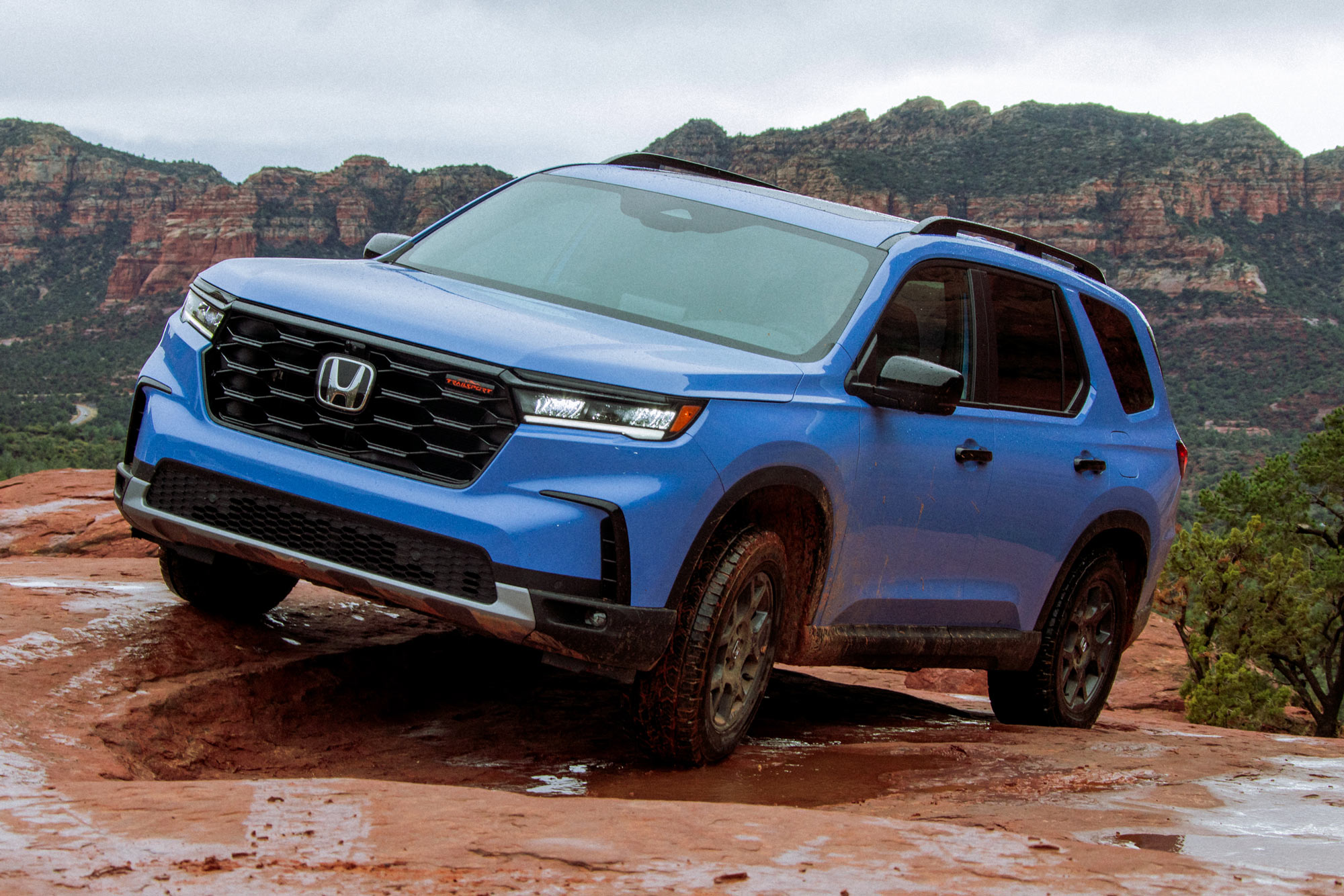
If you prefer simple, proven technology, a late second-generation Pilot is often a better bet. If you want the latest features and styling, choose a 2018 or newer third-generation Pilot.
Credit: www.capitalone.com
Mileage And Maintenance: What Matters Most
Beyond the model year, how a Honda Pilot was cared for matters just as much. Here are some tips for evaluating a used Pilot’s condition:
- Regular maintenance: Look for records of oil changes, timing belt replacement (if needed), and brake work.
- Lower mileage: Under 100,000 miles is ideal, but a well-maintained higher-mileage Pilot can still be a good buy.
- Accident history: Avoid Pilots with major accident damage, as repairs can hide deeper issues.
- Number of owners: Fewer owners usually means better care and fewer surprises.
Some buyers focus too much on model year and forget about maintenance. A well-cared-for 2013 Pilot may be a better choice than a poorly maintained 2015.
Cost Of Repairs: What To Expect
Used SUVs can be costly to fix if something goes wrong. Here’s what you might pay for common Honda Pilot repairs:
| Repair Type | Estimated Cost | When Needed |
|---|---|---|
| Transmission replacement | $2,500–$4,000 | Common in 2003–2005, 2016–2017 |
| Engine repair (misfire, oil) | $1,200–$2,500 | 2009–2011, 2013 |
| Air conditioning fix | $800–$1,500 | 2011, 2017 |
| Electrical system repair | $500–$1,800 | 2016–2017 |
| Timing belt replacement | $600–$1,000 | Every 60,000–100,000 miles |
These costs highlight why it’s smart to avoid high-risk years. Even a bargain price can turn into a money pit if big repairs are needed soon after purchase.
Non-obvious Insights Most Buyers Miss
When shopping for a used Honda Pilot, most people focus only on price, mileage, and model year. Here are two important factors many miss:
- Dealer maintenance vs. independent shops: Pilots with a full dealer service history are often in better shape than those serviced at random shops. Dealer records also help with any potential warranty claims.
- Software updates and recalls: Newer Pilots rely heavily on software for transmission, infotainment, and safety features. Some issues can be fixed with a dealer software update—so always check for completed recalls and updates. Many owners never do this, leaving easy fixes undone.
Paying attention to these details can mean a smoother ownership experience and fewer surprises.
What To Do If You Want A High-risk Year
Sometimes, a deal is too good to pass up, or you find a Pilot from a risky year that you really like. Here’s how to protect yourself:
- Get a pre-purchase inspection: A trusted mechanic can spot hidden problems before you buy.
- Check for recent repairs: If the transmission, timing belt, or engine has already been fixed or replaced, the risk may be lower.
- Negotiate price: Use the known issues as a bargaining chip to get a lower price.
- Budget for repairs: Set aside $1,000–$2,000 in case problems appear after you buy.
This approach isn’t for everyone, but with careful research, you can sometimes make a risky year work.
Tips For A Smart Used Honda Pilot Purchase
- Research VIN-specific recalls: Use the car’s VIN to check for open recalls at the official NHTSA recall website.
- Ask for maintenance records: The more detailed, the better.
- Test all electronics: Infotainment, cameras, sensors, and all dashboard functions.
- Listen for unusual noises: Clicking, grinding, or buzzing can signal big problems.
- Check for leaks: Look under the car after a test drive for oil or coolant leaks.
- Review tire wear: Uneven wear can point to suspension or alignment issues.
- Be patient: Don’t rush. The right used Pilot is worth waiting for.
Frequently Asked Questions

Credit: www.pauletteauto.com
What Is The Worst Year For The Honda Pilot?
Most experts agree the 2003 Honda Pilot is the worst year to buy used. It had widespread transmission failures and other costly problems. Owners often faced big repair bills before reaching 100,000 miles.
Are Newer Honda Pilots (2016–2017) Safe To Buy?
The 2016 and 2017 Pilots had many first-year problems, especially with transmissions and electronics. While not every car is bad, these years carry higher risk. If you must buy one, make sure all recalls and updates are completed and get a full inspection.
How Do I Know If A Used Pilot Has The Vcm Problem?
Look for signs like engine misfires, rough idling, or excessive oil burning. The check engine light may be on. The VCM (Variable Cylinder Management) issue was common in 2009–2011 Pilots. Always ask the seller if the VCM system has been serviced or repaired.
What Are The Best Used Honda Pilot Years To Buy?
The best years to consider are 2008, 2012, 2014–2015, and 2018–2021. These have lower rates of major problems and higher owner satisfaction. They also have better safety and technology features.
How Many Miles Will A Honda Pilot Last?
With regular maintenance, a Honda Pilot can easily last 200,000 miles or more. Key is timely oil changes, timing belt replacement, and fixing small issues before they become big problems. Maintenance records are a good sign the SUV was cared for.
Buying a used Honda Pilot can be a great investment—if you choose wisely. By avoiding the risky years and paying close attention to maintenance and known issues, you can enjoy years of comfortable, reliable driving. Take your time, do your research, and trust your instincts.
The right Honda Pilot is out there, and with the right knowledge, you’ll find it.