

The Toyota Prius is known around the world for its reliability, fuel efficiency, and leading role in the hybrid car market. Since its launch in the late 1990s, millions of drivers have chosen the Prius for its low running costs and environmental benefits. However, not every Prius model year is equally reliable. Some years have shown more problems, higher repair costs, or issues that can make ownership stressful and expensive.
If you’re thinking about buying a used Prius, it’s important to know which years are best avoided and why. This guide will give you clear, practical advice on the Toyota Prius years to avoid, backed by real data and examples. You’ll learn about common issues, the reasons behind them, and smart alternatives if you want a dependable hybrid.
Why Some Prius Model Years Are Risky
Toyota is known for quality, but even the best automakers have occasional missteps. Some Prius years stand out for frequent breakdowns, expensive repairs, or design flaws. These problems can come from rushed redesigns, new technology that wasn’t fully tested, or changes in suppliers.
For the Prius, hybrid system components, battery reliability, and electronic issues are common trouble spots. Some years also had recalls for safety problems. Understanding these patterns helps you avoid costly mistakes.
Main Problem Years: Toyota Prius Models To Avoid
Let’s look at specific years where the Prius had more complaints, recalls, or costly repairs. This section will help you spot red flags before you buy.
2001-2003: Early Generation Growing Pains
The very first Prius models (2001-2003 in the US) broke new ground for hybrids, but they also had teething problems.
- Battery Failures: The hybrid battery was less mature, and many owners saw battery life drop after 100,000 miles—sometimes much sooner.
- Electrical Issues: Dashboard warning lights, inverter failures, and problems with the Multi-Function Display (MFD) were common.
- Costly Repairs: Early hybrid system repairs can cost $2,000 or more, making these years risky for budget-minded buyers.
While some examples still run well, it’s hard to predict when expensive repairs may hit. If you find a first-generation Prius for sale, check for recent battery replacement and full service records.
2004-2009: Second Generation Surprises
The second-generation Prius (2004-2009) made big improvements in comfort, space, and efficiency. However, some years had more problems than others.
2004-2005: Electrical Gremlins And Stalling
- Stalling Problems: Some 2004-2005 Priuses suddenly stalled while driving, sometimes at highway speed. The cause was usually inverter or transaxle failure.
- Software Recalls: Toyota issued recalls to update the hybrid control software, but not all cars were fixed.
- Display Failures: The Multi-Function Display (MFD) often failed, leaving drivers without access to climate controls or backup camera.
2006-2009: Headlight And Brake Issues
- HID Headlight Failures: Many 2006-2009 models with HID headlights experienced sudden light loss. Replacements were costly, and Toyota only covered some repairs.
- Brake Actuator Problems: The brake actuator sometimes failed, causing warning lights and reduced braking power. This is a complex, expensive fix.
- Hybrid Battery Issues: While improved over the first generation, battery life can still be a concern, especially in high-mileage cars.
Overall, 2004-2009 Priuses are better than the earliest models, but certain years and options (like HID headlights) carry extra risk.
2010-2014: Third Generation Trouble Spots
The third-generation Prius (2010-2015) is popular for its style and improved mpg, but it’s not immune to problems.
2010-2011: Excessive Oil Consumption
- Oil Burning: Some 2010-2011 cars burn oil quickly, even before 100,000 miles. Ignoring this can lead to engine damage.
- Piston Ring Issues: The root cause is often poor piston ring design, which lets oil slip into the combustion chamber.
- Head Gasket Failure: High oil consumption can lead to overheating and head gasket problems—a major, costly repair.
2012-2014: Inverter And Brake Recalls
- Inverter Failure: The hybrid inverter can overheat and fail, sometimes causing sudden loss of power. Recalls addressed this, but not all cars were fixed.
- Brake Booster Faults: Problems with the brake booster caused a recall. Symptoms include a hard brake pedal and warning lights.
General Concerns
- EGR System Clogging: The exhaust gas recirculation (EGR) system can clog, especially in 2010-2014 models. This leads to rough running or engine damage if ignored.
- Water Pump Issues: The electric water pump sometimes fails, causing overheating risks.
These years brought modern features, but also more complexity—and repair costs when things go wrong.
2015-2017: Fewer Complaints, But Not Perfect
The late third-generation and early fourth-generation (2015-2017) saw fewer issues, but a couple of weak spots remain.
- Brake Booster Issues Continue: Some 2015-2017 cars still had brake booster or actuator failures, though less often than earlier years.
- Infotainment Glitches: Touchscreen and connectivity problems are more common, though not as severe as drivetrain issues.
If you want a newer Prius, these years are safer, but checking for software updates and recall completion is wise.
Data Snapshot: Prius Years With Most Complaints
To see the pattern, here’s a comparison of the most problematic Prius years based on owner complaints and NHTSA recall records.
| Model Year | Top Issues | Estimated Repair Cost | Common Mileage When Problems Occur |
|---|---|---|---|
| 2001-2003 | Battery, Electrical | $2,000 – $4,000 | 80,000 – 120,000 |
| 2004-2005 | Stalling, Display | $1,500 – $3,000 | 60,000 – 110,000 |
| 2006-2009 | Headlights, Brakes | $1,200 – $2,500 | 70,000 – 130,000 |
| 2010-2011 | Oil Use, Head Gasket | $2,000 – $5,000 | 90,000 – 150,000 |
| 2012-2014 | Inverter, Brakes | $1,800 – $3,500 | 80,000 – 140,000 |
Why These Problems Matter
Many drivers choose the Prius for its reputation for low maintenance and long life. But the years listed above can bring unexpected costs that erase those savings. For example:
- Hybrid battery failure is not a simple fix—replacement costs can be $2,000 or more.
- Brake actuator problems make the car unsafe to drive and are costly to repair.
- Head gasket and engine failure can mean repairs that cost more than the car’s value.
Newer Prius models (especially 2018 and newer) show far fewer complaints, partly due to better technology and Toyota’s response to earlier issues.
Credit: www.copilotsearch.com
Prius Years That Are Generally Safe Bets
Not all Prius years are risky. Some stand out for strong reliability, low repair rates, and happy owners. If you want the benefits of a hybrid without the headaches, these years are worth a closer look.
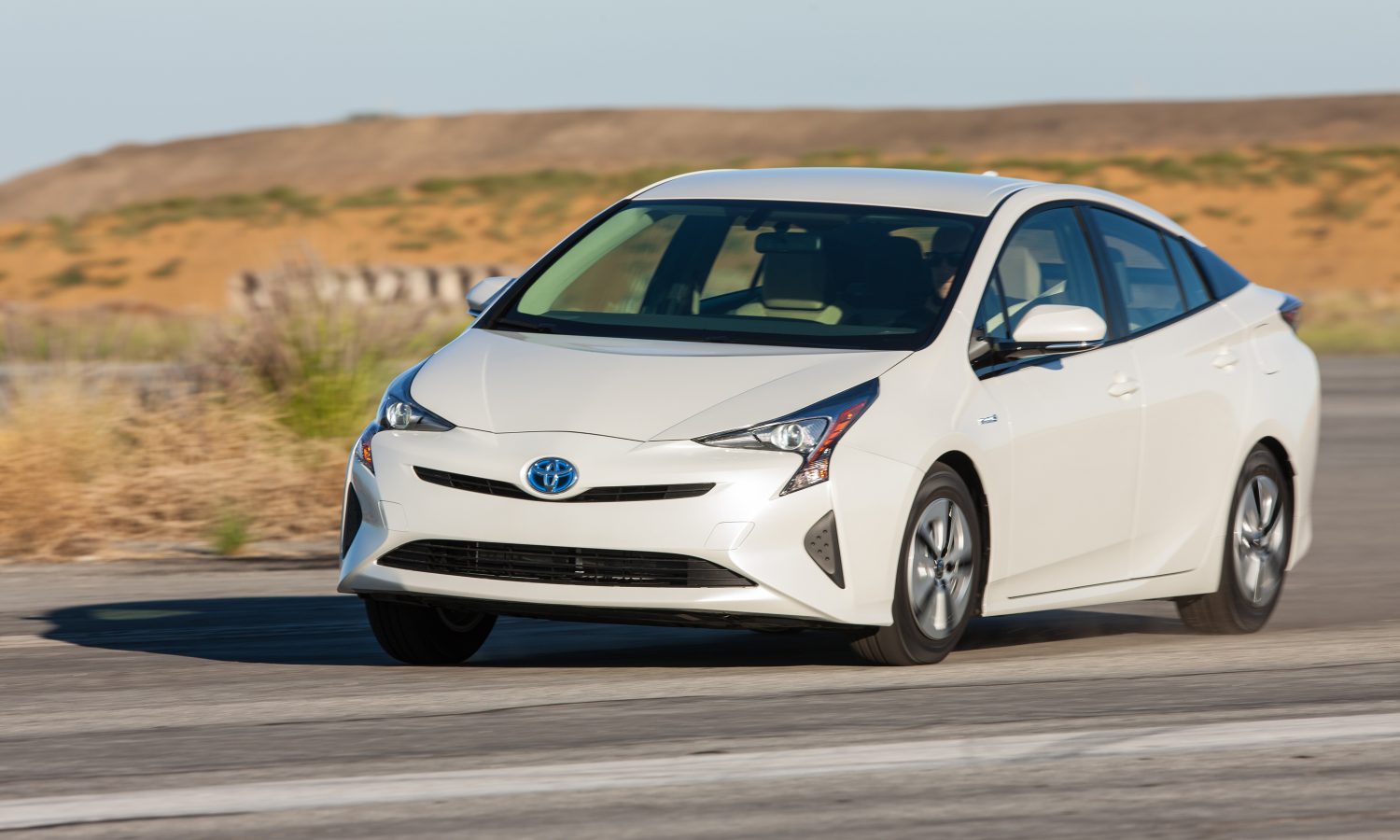
2015, 2017, 2018, 2019, And Newer
- 2015 Prius: Marked the end of the third generation, with most known problems addressed.
- 2017-2019 Prius: Early fourth-generation models with updated hybrid systems and improved reliability.
- 2020 and newer: Latest technology, best safety features, and very few common issues.
If your budget allows, focus your search on these years.
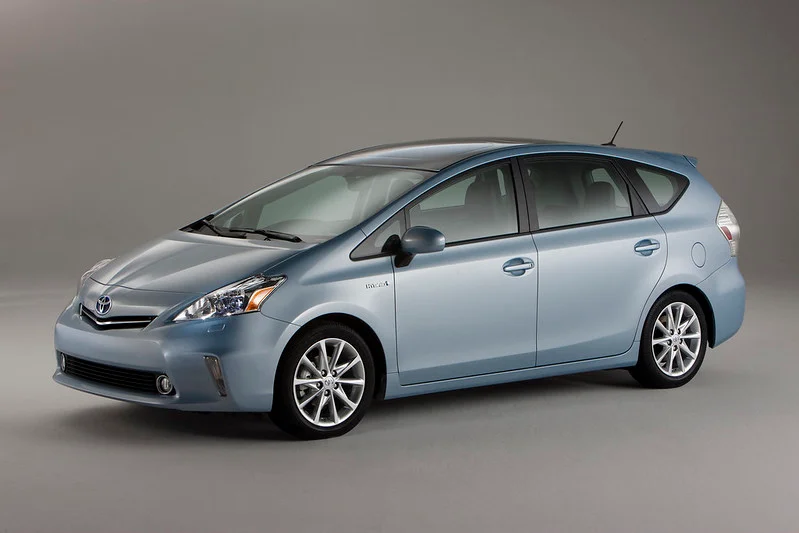
Prius C And Prius V: Fewer Problems
Toyota also made smaller (Prius c) and larger (Prius v) hybrids. These models often avoid the main Prius’s worst years.
- Prius c (2012-2019): Simple design, fewer hybrid system complaints.
- Prius v (2012-2017): More space, most drivetrain issues fixed.
Common Problems In Risky Prius Years
Let’s look closer at what goes wrong in the years you should avoid. This will help you spot warning signs and ask the right questions when shopping.
Hybrid Battery Failure
The hybrid battery is the heart of the Prius. In some years, it fails early or without warning. Signs include:
- Reduced fuel economy
- Warning lights (“Check Hybrid System”)
- Trouble starting or running
If the battery fails, you’ll need a replacement. New batteries can cost $2,000–$3,500. Used or refurbished options are cheaper but may not last as long.
Inverter And Powertrain Problems
The inverter manages the flow of power between the battery and the electric motor. In years with inverter recalls, sudden failure is possible. This can cause:
- Loss of power while driving
- Warning lights
- Expensive repair bills ($1,500–$2,000)
Toyota has recalled many affected vehicles, but always check if recall work was done.
Brake System Failures
Some Prius years suffer from brake actuator or brake booster failures. Symptoms are:
- Hard brake pedal
- Reduced braking power
- ABS and brake warning lights
This is a safety issue and repairs can run $1,500–$2,500.
Oil Consumption And Engine Damage
2010-2011 Priuses are known for burning oil quickly. If oil is not checked and topped up, the engine can overheat, leading to:
- Head gasket failure
- Engine knocking or misfiring
- Complete engine breakdown
Head gasket repairs or engine replacements are major expenses.
Headlight And Display Failures
2006-2009 models with HID headlights may lose both lights at once, making night driving dangerous. The Multi-Function Display (MFD) can also fail, disabling key controls.
How To Check A Used Prius For These Issues
If you’re shopping for a used Prius, you can avoid many headaches with a careful inspection and smart questions.
- Ask for Service Records: Make sure the hybrid battery, brake system, and inverter have been serviced or replaced if needed.
- Check for Recalls: Use the car’s VIN to see if all recalls have been done. Toyota’s official website can help.
- Test Drive for Warning Lights: Watch for the “Check Hybrid System,” ABS, or brake lights during your test drive.
- Listen for Engine Noises: Knocking, ticking, or rough running can signal oil consumption or head gasket issues.
- Inspect Headlights and Displays: Test all lights and check that the touchscreen and climate controls work.
Prius Alternatives: Other Reliable Hybrids
If you’re worried about risky Prius years, consider these alternative hybrids:
- Honda Insight: Known for reliability, especially in the 2019 and newer models.
- Toyota Camry Hybrid: Shares hybrid tech with the Prius, but with fewer complaints.
- Hyundai Ioniq Hybrid: Modern features, strong warranty, and good owner reviews.
These models give you hybrid benefits with less risk of expensive repairs.
What To Do If You Already Own A Problem Year
If you have a Prius from a risky year, you’re not alone. Here’s how to protect your investment:
- Stay on Top of Maintenance: Regular oil changes, coolant flushes, and brake inspections help avoid bigger problems.
- Check for Recalls: Even years later, some Toyota recalls are still open. Get them done for free at the dealer.
- Consider Extended Warranty: For high-mileage or older cars, a warranty can cover expensive hybrid system repairs.
- Find a Hybrid Specialist: Not all mechanics know hybrids well. Use a shop that understands the Prius.
You can keep a risky-year Prius running for years with extra care and attention.
How Prius Reliability Compares To Other Hybrids
While some Prius years are risky, the car is still one of the most reliable hybrids overall. Here’s a simple comparison with other common hybrid models:
| Model | Best Years | Years to Avoid | Major Issues |
|---|---|---|---|
| Toyota Prius | 2015, 2017-2019 | 2001-2003, 2010-2011 | Battery, Inverter, Oil Use |
| Honda Insight | 2019-2022 | 2010-2014 | Battery, Transmission |
| Toyota Camry Hybrid | 2015-2021 | 2007-2009 | Battery, Brake Actuator |
| Hyundai Ioniq Hybrid | 2017-2022 | Few Known Issues | Software, 12V Battery |
Credit: www.motorbiscuit.com
Two Insights Most Buyers Miss
Most Prius buyers focus only on hybrid battery health, but two overlooked issues can cause just as much trouble:
- Brake System Repair Costs: Even if the battery is fine, a failed brake actuator or booster can be just as expensive—and affects safety.
- EGR and Engine Clogging: The EGR system can clog in third-generation models, leading to engine damage and high repair costs. Many buyers don’t know to check or clean this system.
Ask sellers about both when shopping, and budget for preventive cleaning or repairs.
How Toyota Handled These Problems
Toyota has issued multiple recalls and service campaigns for the Prius over the years. In many cases, these repairs are free at the dealer, even for older cars. Not all owners know this, so it’s worth checking by VIN on Toyota’s recall site.
Some owners report good will from Toyota, covering repairs partially or fully even after warranty. A polite conversation with the service manager, especially if you have full service records, can help.
For official recall information, visit the NHTSA recall search.
Practical Steps Before You Buy
Here’s how to buy a used Prius with confidence:
- Research Specific Years: Avoid 2001-2003, 2004-2005, 2010-2011, and check for issues in 2006-2009, 2012-2014.
- Request a Hybrid Health Report: Many Toyota dealers can scan the hybrid system and battery.
- Look for Recent Battery Replacement: Newer batteries last longer and are less likely to fail.
- Check for Service History: Well-maintained cars, even from risky years, are safer bets.
- Get a Pre-Purchase Inspection: Choose a mechanic who knows hybrids.
The Bottom Line: Is The Prius Still A Good Used Car?
Despite some years with problems, the Toyota Prius is still one of the best choices for a used hybrid. If you avoid the years with known issues and do your homework, you’ll get a car that saves money on fuel and lasts for many years.
But if you choose a model from a risky year without checking for past repairs or open recalls, you might face expensive surprises. Smart shopping, regular maintenance, and knowing what to watch for make all the difference.
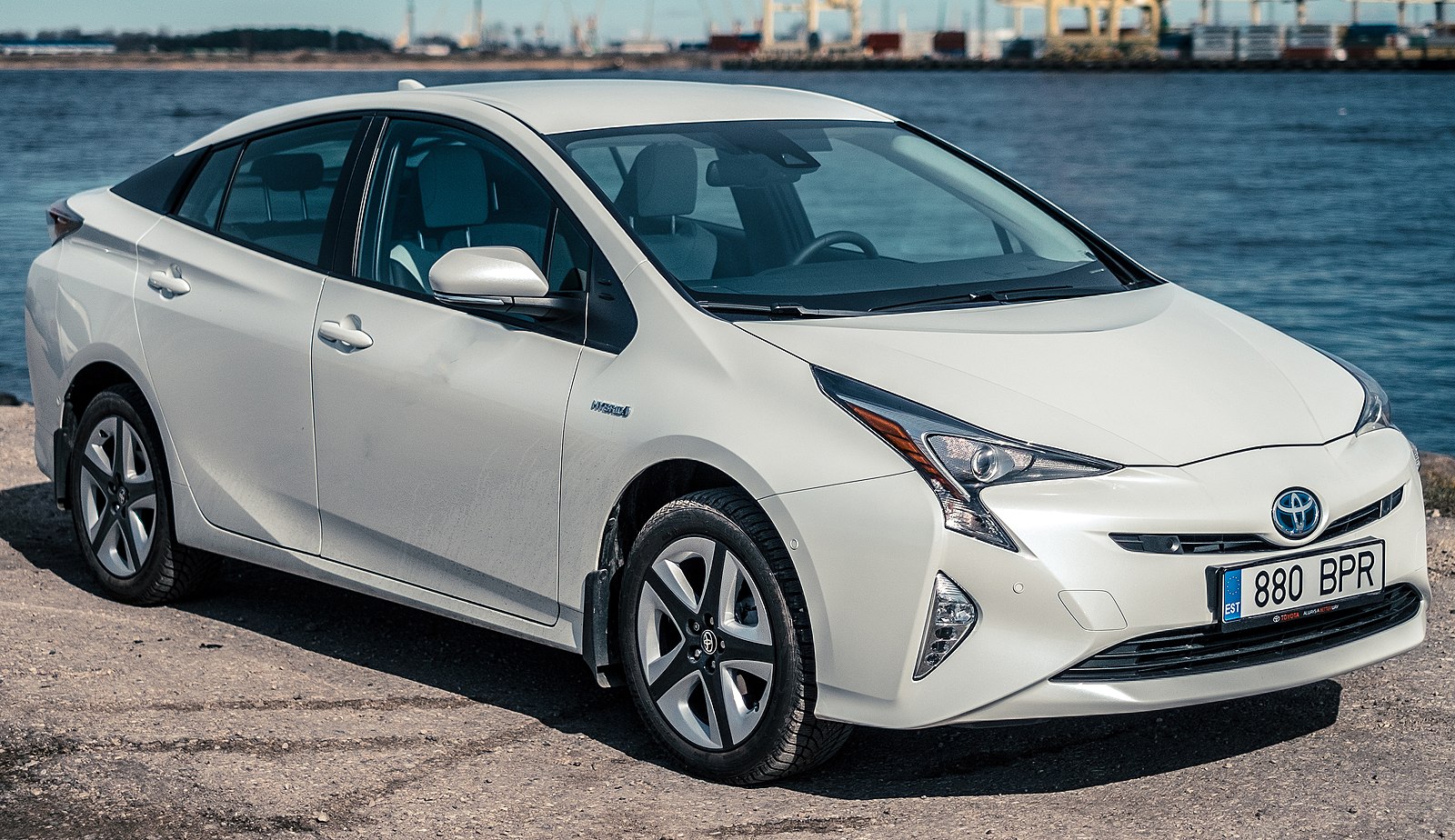
Credit: www.copilotsearch.com
Frequently Asked Questions
What Is The Worst Toyota Prius Year To Avoid?
The 2010 Prius is often called the worst year due to high oil consumption, head gasket failures, and expensive repairs. The 2001-2003 and 2004-2005 models also have more problems than most other years.
How Long Does A Toyota Prius Hybrid Battery Last?
Most Prius batteries last 8–10 years or 100,000–150,000 miles. In some early or problem years, batteries can fail much sooner. Replacements are available, but they are expensive.
Is It Worth Buying A High-mileage Prius?
It can be, especially from the best years (2015 or newer) with good service history. Avoid high-mileage Priuses from 2010-2011 unless the hybrid battery, EGR, and head gasket have been replaced.
What Is The Most Reliable Toyota Prius Year?
The 2015, 2017, and 2019 Prius are among the most reliable years. These models have fewer reported issues and improved hybrid system components.
Can I Replace A Prius Hybrid Battery Myself?
It’s possible for skilled DIY mechanics, but most owners should use a professional. Improper installation can cause damage or safety risks. Always use a genuine or high-quality battery for best results.
The Toyota Prius is a smart, reliable hybrid—if you choose the right year and stay informed. With this guide, you can shop with confidence and enjoy many miles of worry-free driving.