

The Toyota Avalon has built a reputation as a reliable, comfortable, and well-equipped full-size sedan. For many drivers, it represents a step above the popular Camry, offering a smoother ride, more space, and a touch of luxury—often at a used car price that seems like a bargain. However, not every year of the Avalon is created equal. Some model years stand out for their longevity and satisfaction, while others have been plagued by problems that can lead to frustration and expensive repairs.
If you’re considering a used Avalon, understanding which years to avoid can save you time, money, and headaches. This guide dives deep into the Toyota Avalon years to avoid, explores the reasons behind their issues, and helps you spot the best alternatives. Even if you’re not a car expert, you’ll find clear explanations, practical tips, and real-world examples to help you make a smart decision.
Why Some Toyota Avalon Years Are Risky
Not all used cars age the same way. While the Avalon’s reputation for quality is well earned, a few years have seen significant issues due to design changes, manufacturing errors, or problematic parts suppliers. These issues can lead to:
- Mechanical breakdowns that are costly to fix
- Safety recalls that may not be fully resolved
- Lower resale value due to known problems
It’s not just about how many problems a model year has, but also how serious those issues are. Some Avalons may only suffer from small annoyances, but others can face engine or transmission failures that cost thousands of dollars to repair.
Toyota Avalon Overview: Generations And Key Changes
Before diving into the trouble years, it helps to understand how the Avalon has evolved. Each generation brought new technologies, designs, and sometimes, new risks.
| Generation | Model Years | Main Features |
|---|---|---|
| First (XX10) | 1995-1999 | V6 engine, simple design, very reliable |
| Second (XX20) | 2000-2004 | Updated styling, improved safety, minor tech |
| Third (XX30) | 2005-2012 | More luxury features, larger size, 3.5L V6 |
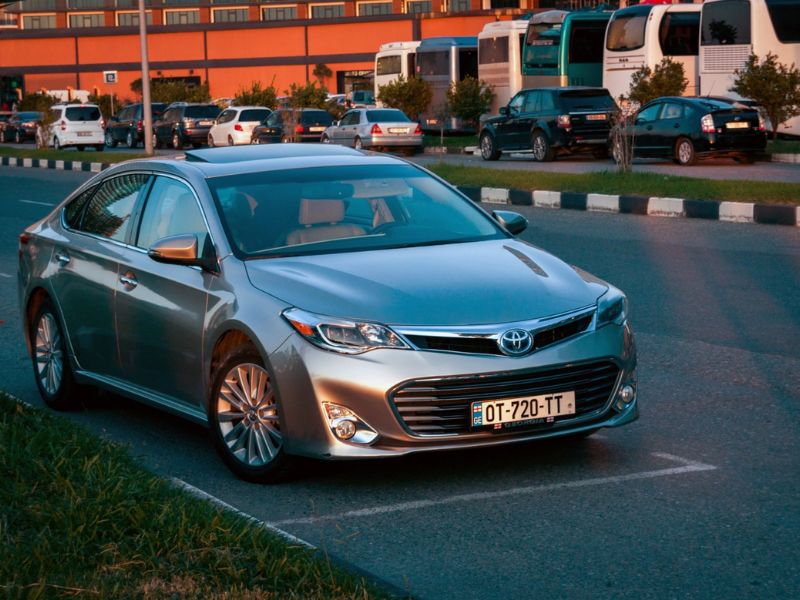
| Fourth (XX40) | 2013-2018 | Modern design, advanced safety, hybrid option |
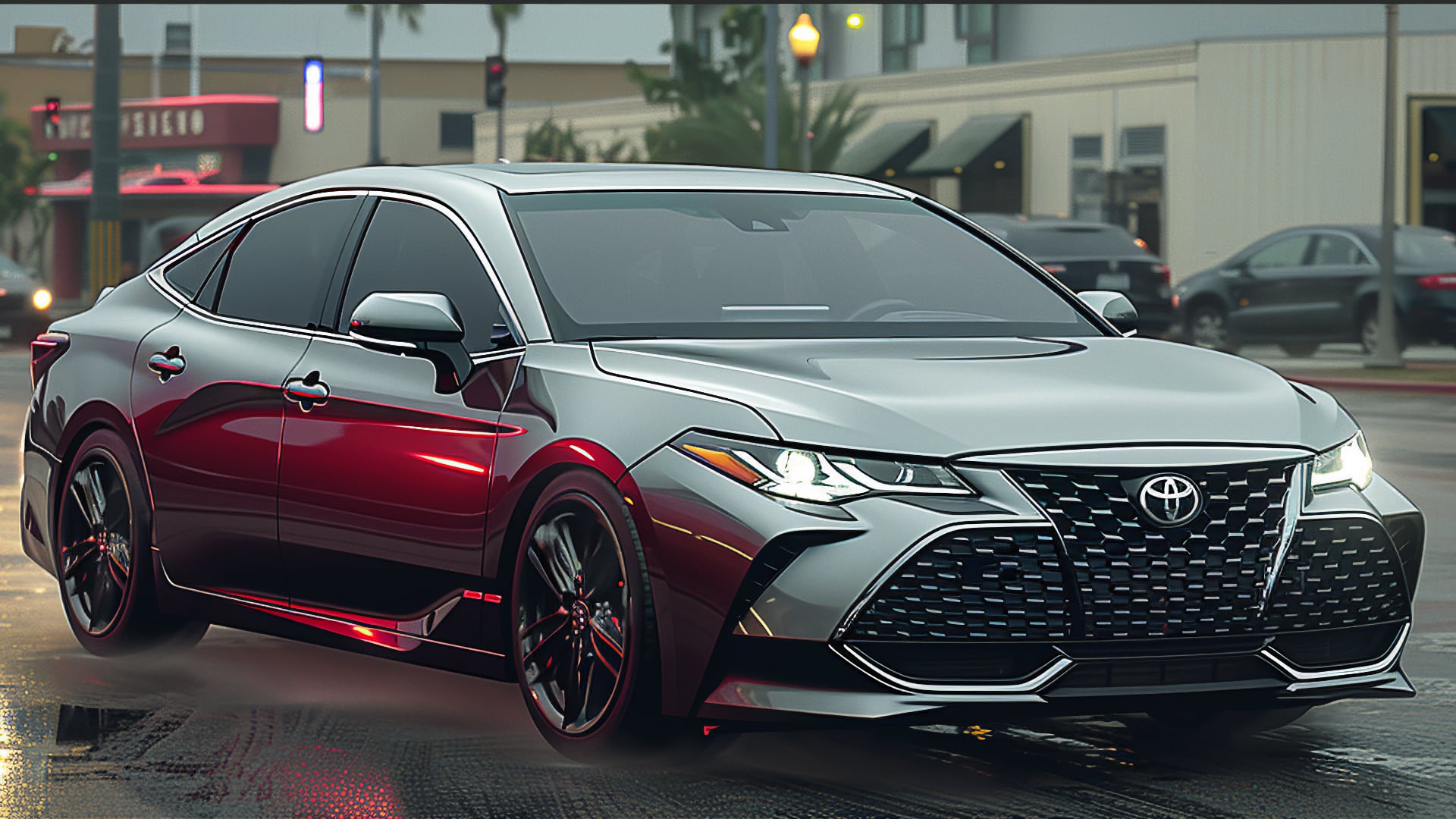
| Fifth (XX50) | 2019-2022 | Sleek styling, more tech, sportier handling |
Each generation has its strengths and weaknesses. Some common Avalon traits are a smooth ride, quiet interior, and a strong V6 engine. The problems, however, tend to cluster around certain years, especially when new designs or engines are introduced.
Toyota Avalon Years To Avoid: The Main Offenders
After reviewing owner complaints, safety recalls, and expert mechanic feedback, several Avalon years stand out as riskier. Here’s what you need to know about each one.
1. 2006 Toyota Avalon
The 2006 Avalon is often cited as one of the most problematic. Owners have reported major issues with the engine, especially related to oil leaks and burning oil. The most serious problems include:
- Oil leaks from the engine (especially the valve cover gasket)
- Excessive oil consumption
- Engine misfire and stalling, sometimes at highway speeds
- Dashboard melting in hot climates
These issues can lead to engine failure if not caught early. Repair costs can run from $1,000 to over $3,500 for engine work. The dashboard melting problem, though not mechanical, is unsightly and can affect resale value.
2. 2007 Toyota Avalon
While similar to the 2006 model, the 2007 Avalon continued to struggle with oil and engine issues. Additional problems surfaced with the transmission and steering, such as:
- Hard shifting or slipping transmission
- Steering clunk or knocking sound, especially over bumps
- Premature water pump failure
The transmission problems are particularly concerning, as a new or rebuilt transmission can cost over $4,000. Some owners also noted persistent air conditioning failures, adding to repair costs.
3. 2008 Toyota Avalon
The 2008 model saw some improvements, but engine oil leaks and steering issues remained. A new problem appeared: defective accelerator pedals. In rare cases, the pedal could stick, causing sudden acceleration.
- Sticky accelerator pedal (subject to a recall)
- Continued engine oil leaks
- Steering column noise
- Airbag sensor problems
While Toyota eventually recalled the accelerator pedal, not all cars have been fixed. If you’re considering this year, check for recall completion.
4. 2011 Toyota Avalon
The 2011 Avalon is sometimes overlooked, but it had a spike in complaints about the brake system and electrical gremlins. Issues include:
- Unresponsive or “soft” brakes
- Premature battery failure
- Navigation system glitches
- Bluetooth connectivity problems
While some problems are minor, brake system failures are a serious safety issue. Repairs can range from a few hundred to over $1,500.
5. 2013 Toyota Avalon
The 2013 model marked the start of a new generation with a bold redesign. Unfortunately, it brought several new problems:
- Suspension noise (clunking, especially in cold weather)
- Rough ride due to stiff shocks
- Infotainment system freezing
- Interior trim peeling (especially on door panels)
The suspension issues are more than just annoying—they can shorten the life of tires and other parts. Some owners report having to replace shocks and struts at 40,000 miles or less.
6. 2014 Toyota Avalon
The 2014 Avalon carried over most of the 2013 issues, with suspension and interior complaints still common. New for this year, however, were:
- Rapid brake wear
- Poor paint quality leading to chipping and fading
- Persistent infotainment bugs
The cost to repair suspension and brake issues can add up, especially if you drive in rougher climates.
7. 2019 Toyota Avalon
The latest generation Avalon is mostly reliable, but the 2019 model had a surprising number of complaints in its first year. The most common problems are:
- Transmission hesitation (delayed shifting, rough engagement)
- Unresponsive adaptive cruise control
- Infotainment system lag
- Wind noise at highway speeds
First-year models of any redesign are often riskier because of new technology and untested parts. While the 2019 Avalon is not as bad as some older years, it’s worth being cautious.
Why These Years Stand Out: Data And Owner Stories
Looking at owner reviews and repair statistics, certain patterns emerge for these Avalon years. For example, CarComplaints. com has logged hundreds of engine and transmission issues for the 2006-2008 models. JD Power’s reliability ratings also show dips in these years.
Here’s a quick comparison of reported problems for the most troublesome years:
| Model Year | Engine Problems | Transmission Issues | Electrical/Other | Total Recalls |
|---|---|---|---|---|
| 2006 | High | Medium | Medium | 6 |
| 2007 | High | High | Low | 7 |
| 2008 | Medium | Medium | Medium | 5 |
| 2011 | Low | Low | High | 2 |
| 2013 | Low | Low | Medium | 3 |
| 2014 | Low | Low | Medium | 2 |
| 2019 | Low | Medium | Medium | 2 |
Notice that the 2006–2008 models have the highest reports of engine and transmission trouble, while 2013–2014 and 2019 have more issues with new technology and comfort features. This pattern is common when Toyota makes big changes to the Avalon’s design or electronics.
What Makes These Problems So Serious?
Some car issues are just annoyances, like a sticky button or a noisy window. Others, however, can lead to safety risks or very high repair bills. Here’s why the Avalon issues listed above matter:
- Engine oil leaks: If left untreated, they can cause engine damage. Some cases result in a seized engine, which may require a full replacement.
- Transmission slipping: Can leave you stranded or create dangerous driving conditions, especially if the car won’t shift properly at speed.
- Brake system failures: Directly impact your ability to stop safely. Even a “soft” pedal can mean longer stopping distances.
- Electrical glitches: Modern cars rely on electronics for everything from airbags to cruise control. Unfixed problems can be expensive and time-consuming to repair.
Another insight: Fixing these problems often costs more than buyers expect. For example, an Avalon that needs a new transmission could wipe out the money you saved by choosing a used car.
Common Mistakes When Buying A Used Avalon
Many buyers focus only on mileage or price, but with the Avalon, the model year and maintenance history matter just as much. Here are some common mistakes:
1. Ignoring Recalls
Some Avalons have open recalls for major safety issues. Always check the VIN with Toyota or the NHTSA website before buying.
2. Assuming All Toyotas Are Trouble-free
The Avalon is very reliable, but the problem years are real. Don’t buy blindly just because it’s a Toyota.
3. Not Getting A Pre-purchase Inspection
A mechanic can spot hidden engine leaks, worn suspension parts, or electrical gremlins. This $100–$200 check can save thousands.
4. Skipping Maintenance Records
Cars with regular oil changes and repairs are much less likely to have big problems. Ask for records—or walk away if none are available.
5. Overlooking “first-year” Models
The first year after a redesign is always riskier. Features may not be fully tested, and problems often show up after the car is sold.
Credit: www.fixdapp.com
Toyota Avalon Years Worth Considering
If you’re looking for a used Avalon, don’t be discouraged. There are many years with excellent reliability, comfort, and value. Some of the best choices include:
- 2009–2010: These years had fewer engine and transmission complaints, and most issues from the 2006–2008 models were fixed.
- 2012: The last year of the third generation, with mature tech and few major problems.
- 2015–2018: These years offer a good balance of modern features, safety, and reliability.
- 2020–2022: The latest models, with the fewest problems and advanced tech, but at a higher price.
How To Check If An Avalon Is A Good Buy
Buying a used car is always a risk, but you can reduce your chances of getting a problem vehicle by following a few smart steps:
1. Research Owner Reviews
Sites like Edmunds, Consumer Reports, and CarComplaints. com let you see what real owners say. Look for patterns—if many owners complain about the same issue, it’s likely real.
2. Ask For A Vehicle History Report
A report from Carfax or AutoCheck can show accidents, flood damage, or odometer rollbacks. This is especially important with older Avalons.
3. Inspect For Known Problems
Focus on the main trouble spots for the year you’re considering. For example:
- 2006–2008: Check for oil leaks, transmission shifts, and dashboard condition
- 2013–2014: Listen for suspension noise and test all electronics
- 2019: Drive at highway speeds to check for wind noise and test the infotainment system
4. Take A Long Test Drive
Don’t rush. Drive the car in the city and on the highway. Pay attention to:
- Transmission shifts (should be smooth)
- Steering feel (no clunks or looseness)
- Brake pedal (should be firm)
- Ride quality (no rattles or harshness)
5. Get A Mechanic’s Opinion
Even if you know cars, a trained mechanic can spot problems you might miss. They can look for hidden leaks, worn bushings, or electrical issues.
Practical Tips: Avoiding Costly Mistakes
Here are two insights that even experienced used car buyers might overlook:
- Avalon Hybrids are not immune: While Toyota’s hybrid systems are reliable, the 2013–2014 Avalon Hybrid models share some of the same suspension and electronics problems as the regular version. Don’t assume a hybrid is trouble-free just because of the powertrain.
- Check for TSBs (Technical Service Bulletins): Sometimes, problems don’t lead to a recall but are still widely known. A TSB is Toyota’s way of telling dealers how to fix common issues. Ask the seller if TSB work has been done on the car—especially for the years listed above.
Avalon Vs. Competitors: Is It Still A Good Choice?
The Avalon’s main rivals are the Honda Accord, Nissan Maxima, and Chevrolet Impala. While each has its own strengths, the Avalon is often chosen for its smooth ride and high resale value. However, the problem years above can put it behind rivals in reliability.
Here’s a quick comparison of recent reliability ratings:
| Model | Best Years | Worst Years | Average Repair Cost (per year) |
|---|---|---|---|
| Toyota Avalon | 2012, 2015-2018 | 2006-2008, 2013-2014 | $420 |
| Honda Accord | 2013-2017 | 2008, 2010 | $400 |
| Nissan Maxima | 2011, 2014-2017 | 2004-2006 | $500 |
| Chevy Impala | 2012-2014 | 2005-2008 | $470 |
As you can see, the Avalon’s average repair cost is lower than the Maxima or Impala, but only if you avoid the problem years.
How Toyota Responded: Fixes And Recalls
Toyota has a good record of responding to problems, especially those that affect safety. For example, the sticky accelerator pedal issue in the 2008 Avalon led to a global recall. Other issues, like melting dashboards and oil leaks, were addressed through extended warranties or service campaigns.
However, not all cars receive these fixes—especially if the owner didn’t bring them to the dealer. This is why it’s important to check service records and recall completion before buying.
For more information on recalls and service campaigns, the official NHTSA website is a trusted source.
Should You Buy An Avalon From A “year To Avoid”?
Buying a car from a risky year doesn’t always mean you’ll have problems. Some owners have driven 2006 or 2007 Avalons for years with no major issues—especially if they were well maintained. However, you’re taking a bigger risk, and resale value will likely be lower.
If the car has all service records, recent repairs for known issues, and a clean inspection report, it might still be a good value. Just be sure you’re getting a lower price to make up for the extra risk.
Credit: rerev.com
What To Do If You Already Own A “problem” Avalon
If you already own one of the Avalon years to avoid, don’t panic. Many problems can be managed with regular maintenance and early repairs. Here’s what you can do:
- Stay on top of oil changes: This helps prevent engine problems.
- Check for recalls and TSBs: Make sure all safety fixes are done.
- Fix leaks and noises early: Small problems get much worse (and more expensive) if ignored.
- Keep detailed records: If you sell the car, showing repairs and maintenance can help reassure buyers.
And if you’re facing a big repair bill, get quotes from several shops. Sometimes, independent mechanics can fix Avalons for less than the dealer.
Frequently Asked Questions
What Is The Most Reliable Toyota Avalon Year?
The 2012 Toyota Avalon is widely considered the most reliable. It marks the end of the third generation, with few reported engine or transmission issues and mature technology. Other strong years include 2015–2018.
Are Toyota Avalons Expensive To Fix?
Compared to luxury sedans, the Avalon is affordable to repair. The average annual repair cost is about $420. However, if you buy a model with known problems (like 2006–2008), you could face a $3,000+ bill for engine or transmission work.
Is The Avalon Better Than The Camry?
The Avalon is larger, quieter, and more luxurious than the Camry. It also comes with a stronger V6 engine. However, it costs more to buy and may have higher repair bills in problem years. For reliability, the Camry is often a safer bet.
How Can I Tell If An Avalon Has Had Recall Work Done?
Use the car’s VIN number to check for open recalls on the Toyota or NHTSA websites. Ask the seller for service records showing recall work. Most dealers can also look up the car’s recall status for free.
Do Toyota Avalon Hybrids Have The Same Problems?
While the hybrid powertrain is reliable, 2013–2014 Avalon Hybrids share many of the same suspension, infotainment, and interior issues as the regular V6 models. Always check for problems with electronics and comfort features before buying.
The Toyota Avalon remains a smart choice for used car buyers who value comfort, reliability, and a smooth ride. However, knowing which years to avoid—and why—can protect you from costly mistakes. Take your time, do your research, and you’ll find an Avalon that delivers years of dependable service.

Credit: www.youtube.com