

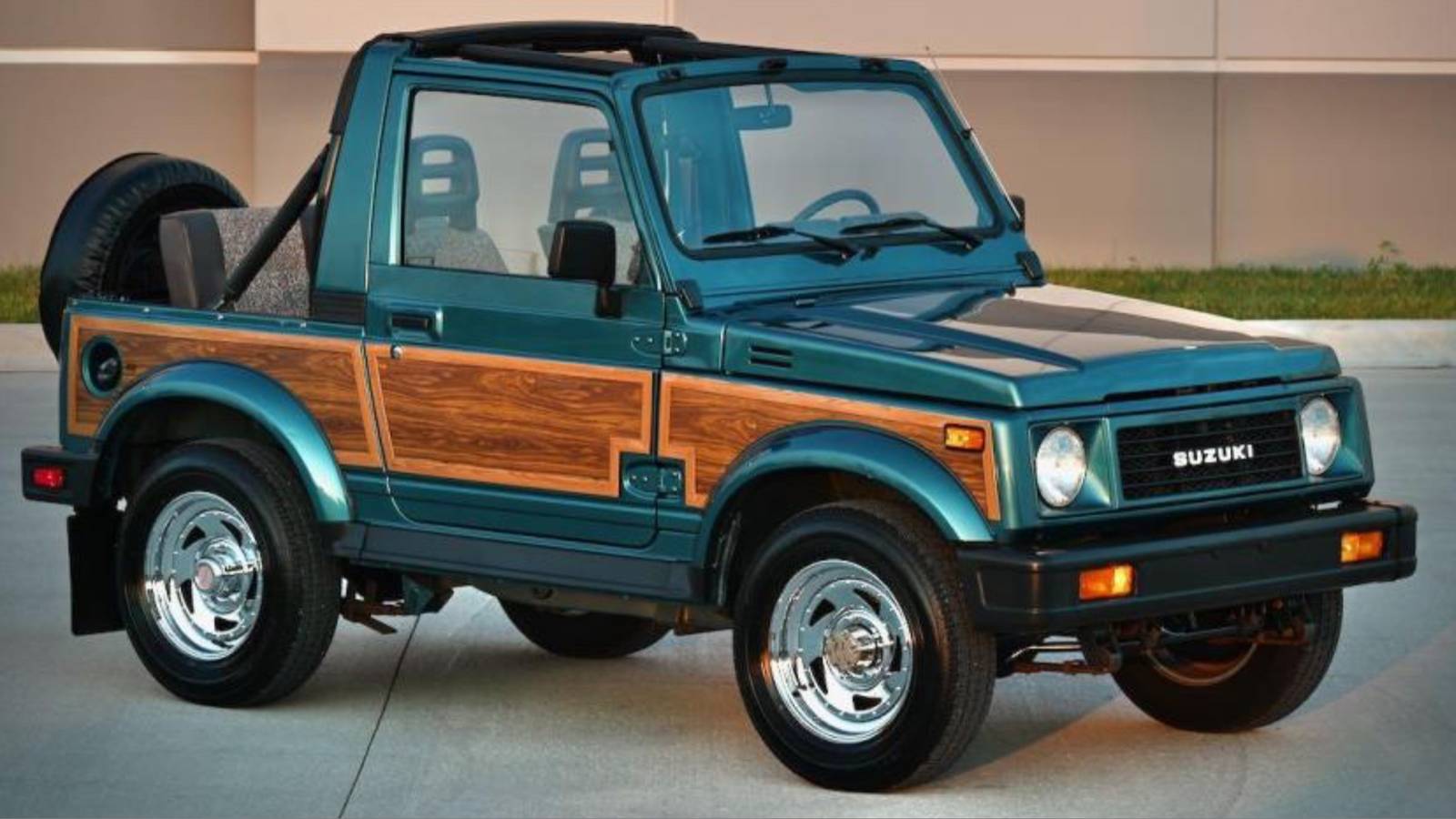
The Suzuki Samurai is one of those compact SUVs that sparks strong feelings. For some, it’s a fun, affordable off-roader with a loyal fan base. For others, it’s a bouncy ride with a reputation for safety concerns and reliability problems in certain years.
If you’re thinking about buying a Suzuki Samurai, it’s important to know which years to avoid—and why. Not every Samurai is created equal. Some model years come with issues that can turn your ownership dream into a headache. Here, you’ll find a clear, honest guide to the Suzuki Samurai’s problem years, what went wrong, and what to look for if you’re shopping for one today.
The Suzuki Samurai: A Quick Background
The Suzuki Samurai was introduced to the US market in 1985 as a 1986 model. Known as the Suzuki Jimny in other parts of the world, the Samurai was marketed as a tough, light, and affordable 4×4. Its small size and simple engineering made it popular among off-roaders and budget-minded buyers.
Under the hood, the Samurai featured a 1. 3-liter four-cylinder engine producing 63 horsepower. It weighed less than 2,100 pounds, so it felt nimble on and off the road. The Samurai was available as both a convertible and a hardtop, with a basic interior and minimal electronics—great for easy repairs, but not so good for comfort.
However, the Samurai’s story isn’t only about adventure. From the start, it faced criticism for safety and handling—most famously for its tendency to roll over. Over the years, changes were made to address some issues, but not all years are equal when it comes to reliability, safety, and value.
Years To Avoid: The Suzuki Samurai’s Worst Years
Not every Suzuki Samurai is a problem vehicle. But if you want to avoid serious headaches, there are a few years that stand out for their flaws. Here’s a closer look at which years to avoid and why.
1986 And 1987: The Infamous Roll-over Years
The very first Suzuki Samurai models (1986 and 1987) are the most infamous. These early years were hit hard by a major scandal: Consumer Reports labeled the Samurai as unsafe after roll-over tests.
Why Avoid These Years?
- Roll-Over Risk: The high center of gravity and narrow track width made these models especially prone to tip-over in sharp turns or emergency maneuvers.
- Negative Publicity: The Consumer Reports article led to lawsuits and a reputation that still haunts the Samurai today.
- Limited Safety Features: No airbags, minimal side impact protection, and basic seatbelts.
Real-world Example
Owners reported that even during normal driving, a quick swerve could cause the Samurai to tip. This was not just an off-road problem; it happened on city streets too.
1988 And 1989: Minor Improvements, Major Issues Remain
For 1988, Suzuki made small changes to the suspension and steering. These were intended to reduce rollover risk, but the improvements were minor.
Why Avoid These Years?
- Suspension Still Flawed: The changes didn’t fully fix the handling problems.
- Same Engine, Same Weaknesses: The 1.3L engine was underpowered, and the carburetor had reliability problems.
- Rust Issues: These years are also notorious for frame rust, especially in areas with salted winter roads.
Data Insight
A survey by the National Highway Traffic Safety Administration (NHTSA) recorded higher-than-average complaints about frame rust and engine stalling for 1988–1989 models.
1990–1991: Mid-life, But Not Maturity
By 1990, Suzuki made more updates, including minor safety and emissions improvements. Unfortunately, many core problems remained.
Why Avoid These Years?
- Persistent Handling Concerns: While slightly better, the Samurai still didn’t meet the handling standards of most rivals.
- Aging Design: By the early ‘90s, the Samurai was seen as outdated compared to competitors like the Geo Tracker or Jeep Wrangler YJ.
- Parts Shortages: As the model aged, Suzuki’s US dealer network shrank, making parts harder to find.
Non-obvious Insight
Even if you upgrade the suspension on a 1990–1991 Samurai, the frame’s original design limits how much improvement you can achieve. Many owners spend a lot on upgrades but still get subpar safety and comfort.
1992–1995: The Last Us Years—rare But Risky
Suzuki stopped officially importing the Samurai to the US after 1995. These last years are rare but come with their own risks.
Why Avoid These Years?
- Low Availability: Fewer sold means less support, harder-to-find parts, and higher prices for decent examples.
- No Major Fixes: The final years saw almost no mechanical updates. Most problems from earlier years remained.
- Aging Components: By now, age-related issues like cracked dashboards, faded paint, and worn interiors are common.
Data Table: Key Problems By Model Year
Here’s a summary of the most common problems by year:
| Model Year | Handling Issues | Rust Problems | Parts Availability | Engine Reliability |
|---|---|---|---|---|
| 1986–1987 | Very High | Moderate | Good | Average |
| 1988–1989 | High | High | Good | Below Average |
| 1990–1991 | Moderate | High | Fair | Below Average |
| 1992–1995 | Moderate | High | Poor | Low |
Common Problems In The Worst Suzuki Samurai Years
Understanding why certain years should be avoided means knowing the specific problems they face. Here are the most frequent and costly issues you might encounter.
1. Roll-over Tendency
Roll-over is the Samurai’s biggest flaw, especially in the early years. The combination of a high center of gravity, short wheelbase, and narrow track makes sudden maneuvers dangerous.
- Impact: Even a small mistake at moderate speed can lead to a tip-over.
- Cost to Fix: Lowering kits and wider tires help, but cannot fully eliminate the risk.
2. Frame And Body Rust
Rust is a major issue, especially in areas with snow and road salt.
- Vulnerable Areas: Frame rails, floor pans, and suspension mounts.
- Impact: Severe rust can make a Samurai unsafe to drive. Repairs are expensive and time-consuming.
3. Weak Engine And Carburetor Problems
The 1.3-liter engine is simple, but not very powerful. Common issues include:
- Hard Starting: Carburetor problems lead to rough idling and poor starting, especially in cold weather.
- Oil Leaks: Age and poor maintenance can cause oil leaks from the valve cover and oil pan.
- Low Power: With only 63 horsepower, merging onto highways is stressful.
4. Poor Interior Quality
Early Samurais were built to a price. Expect:
- Fading and Cracking: Dashboards and seats often crack and fade after years in the sun.
- Water Leaks: Convertibles especially suffer from leaky roofs and window seals.
5. Hard-to-find Parts (later Years)
As Suzuki pulled back from the US market, parts became scarce. This is especially true for 1992–1995 models.
- Impact: Simple repairs can take weeks as you wait for specialty parts.
- Price: Rarity has driven up the cost of many replacement components.
6. Outdated Safety Features
Even by late ‘80s standards, the Samurai was basic. By the ‘90s, it was far behind:
- No Airbags: None of the US-market Samurais had airbags.
- No ABS: Brakes are fully manual, with no anti-lock system.
- Minimal Crash Protection: Side impacts are a serious risk.
7. Transmission And Drivetrain Wear
After years of off-road use or neglect, many Samurais develop transmission or differential problems.
- Symptoms: Grinding gears, difficult shifting, whining noises.
- Repair Cost: Major transmission or transfer case repairs can rival the value of the vehicle.
Years That Are Better Bets
Not every Suzuki Samurai is a disaster. If you’re set on owning one, some years are less risky—if you do your homework.
1988.5 And Up: The “late 1988” Fix
Midway through 1988, Suzuki made subtle changes to the suspension and steering geometry. These “late 1988” and newer models are less likely to roll over, though still not as safe as modern SUVs.
What Makes These Years Better?
- Improved Stability: Slightly less likely to tip in emergency maneuvers.
- Better Parts Availability: More units sold, so more spares.
- Aftermarket Support: Many fixes and upgrades available from enthusiast shops.
Non-obvious Tip
Check the door jamb sticker or VIN to confirm you’re getting a “late 1988” or newer model. Many sellers aren’t aware of the differences.
1990–1991: Slightly Updated, Still Basic
These years feature minor comfort and emissions upgrades. Not perfect, but a step up from the earliest models.
Pros
- Improved Emissions: Easier to register in strict states.
- Fewer Roll-Over Reports: Suspension tweaks helped slightly.
Cons
- Still Underpowered: No engine upgrade from previous years.
Comparison Table: Early Vs. Late Samurai Models
To help you compare, here’s a side-by-side look at early vs. later Samurai years:
| Feature | 1986–Early 1988 | Late 1988–1995 |
|---|---|---|
| Suspension Design | Original, unstable | Revised, improved stability |
| Handling Risk | Very High | Moderate |
| Safety Features | Very Basic | Very Basic |
| Parts Availability | Good | Fair |
| Rust Resistance | Poor | Poor |
What To Look For If You Still Want A Suzuki Samurai
If you’re set on a Samurai, here’s how to avoid the worst pitfalls.
Buy The Right Year
- Aim for late 1988 or newer. These models have improved suspension and slightly better reliability.
- Avoid 1986 and early 1988. The roll-over risk is simply too high.
Check For Rust Everywhere
- Frame: Run your hand along the frame rails, especially near suspension mounts.
- Floorboards: Lift the carpet and check for soft spots.
- Fenders and Wheel Arches: Look for bubbling paint or visible holes.
Inspect The Engine And Drivetrain
- Start the Engine Cold: Listen for knocking, rough idling, or smoke.
- Test the Transmission: Make sure it shifts smoothly and doesn’t pop out of gear.
- Check for Leaks: Look under the vehicle after a test drive for fresh oil or coolant spots.
Assess Interior And Roof Condition
- Seats and Dash: Look for excessive cracking, fading, or water damage.
- Convertible Top: Check for holes, tears, and poor seals.
Review Maintenance Records
- Regular Oil Changes: These are critical for engine longevity.
- Timing Belt: Ask when it was last changed.
- Suspension Work: Look for proof of recent repairs or upgrades.
Consider Aftermarket Upgrades
Many owners improve their Samurais with aftermarket suspension kits, roll bars, and engine swaps. While these upgrades can make the vehicle safer and more fun, they’re not always done correctly.
- Check Quality: Poorly installed lift kits or engine swaps can cause more problems than they solve.
- Ask for Receipts: Only trust upgrades with documentation.
Evaluate Parts Availability
- Local Dealership Support: Suzuki no longer sells new Samurais in the US, so check if local mechanics have experience.
- Online Parts Stores: Some parts are easy to find online, but rare components can be expensive or unavailable.
Why The Suzuki Samurai Still Has Fans
Despite its flaws, the Samurai has an enthusiastic following. Here’s why:
- Simple Mechanics: Easy to work on for DIY mechanics.
- Off-Road Ability: Lightweight and nimble, it can go places larger SUVs can’t.
- Affordable Fun: Lower purchase price and running costs compared to most 4x4s.
- Strong Community: There are active forums, clubs, and events for Samurai owners.

Credit: www.ebay.com
Should You Buy A Suzuki Samurai?
The answer depends on your needs and your tolerance for risk.
Good Reasons To Buy
- You want a simple, classic 4×4 for off-road adventures.
- You enjoy working on your own car and can do basic repairs.
- You’re looking for a project vehicle with a strong aftermarket scene.
Reasons To Avoid
- You need a daily driver for long commutes or highway use.
- You’re worried about safety—especially roll-overs.
- You want modern comfort and reliability.
How The Samurai Compares To Rivals
It’s helpful to see how the Samurai stacks up against similar vehicles from its era. Here’s a quick comparison:
| Vehicle | Engine Power | Safety | Reliability | Parts Availability |
|---|---|---|---|---|
| Suzuki Samurai | 63 hp | Poor | Fair | Limited |
| Geo Tracker | 80–95 hp | Average | Good | Good |
| Jeep Wrangler YJ | 112–180 hp | Average | Good | Excellent |
Non-obvious Comparison Insight
While the Geo Tracker and Jeep Wrangler are heavier and more expensive, they offer much better safety and comfort. The Samurai’s main appeal is its simplicity and “old-school” charm—not its capability as a daily driver.
Credit: www.topspeed.com
Common Mistakes When Shopping For A Suzuki Samurai
Even experienced buyers make mistakes with these vehicles. Here are some to avoid:
- Ignoring Rust: Many Samurais look good on the outside but have serious frame rust underneath.
- Assuming All Years Are Equal: The early models are much riskier; know the differences before you buy.
- Skipping a Test Drive: Driving a Samurai is very different from a modern SUV. Make sure you’re comfortable with the experience.
- Overpaying for Rare Models: Just because a 1995 Samurai is rare doesn’t mean it’s worth a high price.
- Not Checking for Modified Vehicles: Many Samurais have been heavily modified—sometimes poorly. Always inspect the quality of any upgrades.
How To Find A Good Samurai
If you’re serious about buying, these tips will help:
- Search Enthusiast Forums: Owners often sell well-maintained examples here.
- Check Online Listings: Look at photos of the frame, underbody, and interior.
- Ask for Detailed Maintenance Records: Avoid vehicles with a sketchy or unknown history.
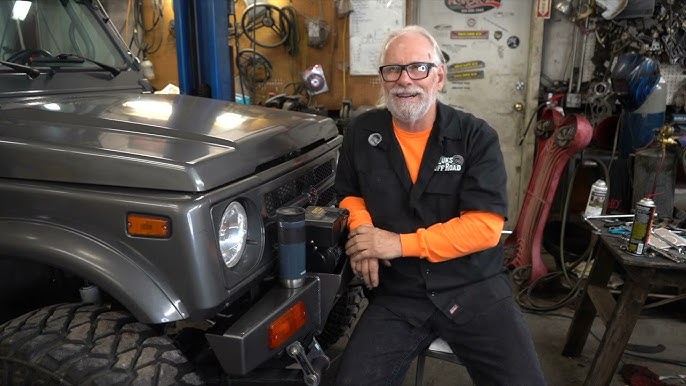
- Get a Pre-Purchase Inspection: A mechanic familiar with Samurais can spot hidden problems.
- Be Patient: Finding a solid Samurai takes time, but it’s better than rushing into a bad purchase.
Credit: www.youtube.com
The Role Of The Suzuki Samurai In Automotive History
The Samurai holds a unique place in car culture. It helped start the trend of small, affordable 4x4s in America. It also pushed carmakers to improve safety standards after the roll-over scandal. Even today, it’s a favorite among off-roaders who value simplicity over luxury.
If you want to learn more about the Samurai’s history and impact, check out the Wikipedia page for more details.
Frequently Asked Questions
What Is The Worst Year For The Suzuki Samurai?
The 1986 model is widely considered the worst year due to its high roll-over risk and minimal safety features. Early 1987 models also have these problems. If safety is a top concern, avoid these years.
Are Later Suzuki Samurai Models Safer?
Slightly. Models from late 1988 and newer have improved suspension and handling, but they still lack modern safety features like airbags and ABS. They are less likely to tip over, but caution is still needed.
How Can I Tell If A Samurai Has The Upgraded Suspension?
Check the VIN sticker or ask the seller for production details. Models built after mid-1988 usually have the improved suspension. You can also inspect the front suspension setup—look for revised mounting points and sway bar design.
Is Rust Really That Big Of A Problem On Samurais?
Yes. Frame rust is one of the top reasons Samurais are scrapped. Even if the body looks good, the frame can hide serious corrosion. Always inspect the undercarriage carefully, especially in states with heavy winter salt use.
Are Parts Still Available For The Suzuki Samurai?
Some parts are easy to find online, but rare or specific components (like interior trim or original carburetor parts) can be difficult and expensive. Later models are more affected by parts shortages. Joining a Samurai owners’ forum can help you locate hard-to-find items.
Final Thoughts
Buying a Suzuki Samurai can be a rewarding experience—but only if you know what you’re getting into. The worst years (1986, 1987, and early 1988) are best avoided due to serious safety and reliability concerns. Even later models come with their own risks, especially rust and aging parts.
If you do your homework, check for hidden problems, and choose the right year, you can enjoy a classic 4×4 that’s easy to maintain and fun to drive. But if you want modern safety, comfort, and reliability, you may want to look elsewhere.
The Samurai is a legend in its own way—just make sure you pick the right one for your needs.