

Buying a car is a big decision, but choosing a Smart car can feel even more confusing. These tiny, city-friendly vehicles offer great parking advantages and low fuel costs, but not every year is equal. Some Smart models have strong reliability, while others have frustrated owners with expensive repairs and surprising problems. If you’re thinking about a used Smart car, knowing which years to avoid can save you money, time, and headaches.
This guide will help you understand which Smart car years to avoid, why they have issues, and what to do instead. We’ll also look at the most common problems, compare key years, and give advice from real owners. Whether you’re new to Smart cars or just want to make a smarter choice, this article is designed to be clear, simple, and practical.
What Is A Smart Car?
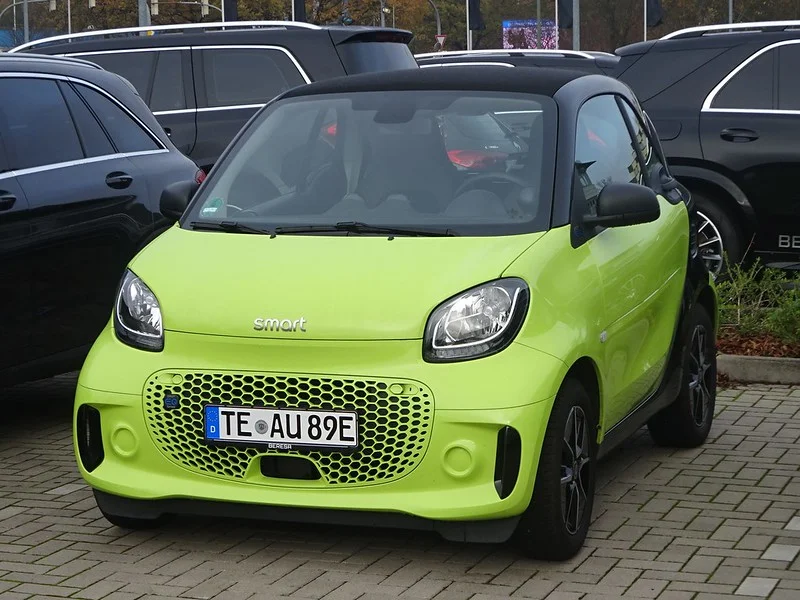
Smart cars are small, two-seater vehicles made for city driving. The first models arrived in the late 1990s, thanks to a partnership between Mercedes-Benz and Swatch. The most popular is the Smart Fortwo, but there’s also the slightly larger Smart Forfour. Smart cars became famous for their tiny size, easy parking, and good fuel economy.
In the US, Smart cars started selling in 2008. The lineup included:
- Fortwo Coupe (basic 2-door)
- Fortwo Cabrio (convertible)
- Electric Drive (electric-only version)
Today, Smart has stopped selling cars in the US, but many used Smart cars are still on the road.
Why Some Smart Car Years Are Risky
Not all Smart cars are equal. Some years have major problems with transmissions, electronics, or safety. It’s important to know that even a “low mileage” Smart car can be a bad buy if it’s from a trouble-prone year.
Common Issues In Bad Years
- Transmission failures: Many owners complain about rough shifting, sudden jerks, or total failure.
- Electrical problems: Dashboard lights, failing sensors, and power window issues are common.
- Engine trouble: Some years had oil leaks, stalling, or early engine wear.
- Build quality: Cheap plastics, rattling parts, and fast wear on seats and trim.
- Expensive repairs: Even small problems can cost a lot due to Smart’s unique design.
Two non-obvious insights: First, Smart cars often have high repair costs relative to their size and price. Second, many mechanics are not familiar with these cars, so even simple repairs can take longer and cost more.
Smart Car Years To Avoid
Not every year is a disaster, but these models stand out as years you should be especially careful with. Based on owner surveys, NHTSA data, and expert reviews, the following years have the most reported problems:
2008 Smart Fortwo
The first year for the US market, the 2008 Smart Fortwo had a lot of teething problems. Owners reported:
- Transmission jerking and slow response
- Dashboard electrical failures
- Uncomfortable seats and poor interior quality
- Issues with the air conditioning system
The early automatic transmission is the biggest headache. Many owners found it unpredictable and expensive to fix.
2009–2010 Smart Fortwo
The 2009 and 2010 models continued to struggle with reliability. Key issues include:
- Ongoing transmission problems (slow, hesitant shifting)
- Check engine lights due to sensor failures
- Reports of the car stalling without warning
- Cheap interior materials that wear out quickly
While some small fixes were made, these years still show up often in repair shop records.
2013 Smart Fortwo
The 2013 Smart Fortwo brought a few updates, but also new problems:
- Electrical system failures (especially windows and locks)
- Bluetooth and infotainment glitches
- Airbag warning lights turning on for no reason
- Reports of engine misfires at low mileage
This year also saw more complaints about safety recalls and expensive warranty repairs.
2014–2015 Smart Fortwo Electric Drive
Electric cars should be reliable, but the 2014 and 2015 Electric Drive models had battery and charging issues:
- Early battery degradation, reducing driving range
- Difficulty finding replacement batteries
- Charging system failures that left cars stranded
- Costly out-of-warranty repairs
These years are risky if you need an electric car that’s dependable for daily use.
2016 Smart Fortwo
The 2016 model marked a new generation, but not all the bugs were fixed:
- Reports of clutch and transmission issues returning
- Poorly sealed windows leading to water leaks
- Steering problems (wandering at highway speeds)
- Quality control complaints about new features
While some improvements were made, early production cars from this year can have surprising faults.
2017 Smart Forfour
The 2017 Forfour (four-seat version) added space, but had its own problems:
- Rear seat comfort issues
- Electrical gremlins (especially rear door locks)
- Transmission hesitation, especially in city traffic
- Increased reports of minor accidents due to blind spots
This model is rare in the US but worth mentioning for global buyers.
Smart Car Problem Comparison By Year
To help you see the pattern, here’s a data snapshot comparing the main problems reported in key years:
| Year | Transmission Issues | Electrical Problems | Engine Troubles | Battery/Charging | Interior Quality |
|---|---|---|---|---|---|
| 2008 | High | Moderate | Low | None | Poor |
| 2009 | High | High | Moderate | None | Poor |
| 2010 | High | High | Moderate | None | Average |
| 2013 | Moderate | High | High | None | Average |
| 2014 (Electric) | Low | Moderate | Low | High | Average |
| 2015 (Electric) | Low | Moderate | Low | High | Average |
| 2016 | Moderate | Low | Low | None | Good |
| 2017 (Forfour) | Moderate | High | Low | None | Good |

Credit: www.copilotsearch.com
Why Do These Years Have More Problems?
A few main reasons explain why certain Smart car years are worse:
- First-year flaws: When a new model or technology is released, problems are more likely.
- Cost-cutting: Some years used cheaper materials, leading to faster wear.
- Under-tested technology: Early electric models and transmissions didn’t get enough real-world testing.
- Supplier changes: When Smart changed parts suppliers, some quality dropped.
- Unique design: Smart cars use special layouts, which makes repairs harder and sometimes more expensive.
A less obvious problem is that some Smart cars sat unsold for long periods at dealerships. Cars that sit unused can develop battery drain, tire flat spots, and dried seals—even before the first owner drives them.
Most Common Smart Car Problems (and How To Spot Them)
Whether you’re looking at a used Smart car or already own one, knowing the most common trouble areas can help you avoid a bad deal.
Transmission Jerking And Failure
The automated manual transmission in many Smart cars is known for rough shifting. Signs to watch for:
- Jerky or delayed gear changes
- Loud clunking or grinding sounds
- Transmission warning lights
A transmission repair can cost over $2,000, making it one of the most expensive Smart car fixes.
Electrical System Woes
Electric windows, locks, and dashboard displays often fail in bad years. Symptoms include:
- Flickering dashboard lights
- Power windows that stop working
- Radio or infotainment system resets
Some issues can be fixed with software updates, but others may require replacing control modules.
Engine And Stalling Issues
In certain years, engines can stall or misfire, often due to faulty sensors or cheap parts. Signs:
- Engine cuts out at stoplights
- Rough idling or hesitation when accelerating
- Check engine light that won’t go away
These problems can be hard to diagnose and may need special parts.
Battery And Charging Troubles (electric Models)
Electric Smart cars from 2014–2015 had battery problems. Warning signs:
- Reduced driving range (losing more than 20% in a year)
- Car refuses to charge or stops charging mid-session
- Warning lights related to charging or battery
Battery replacements can be hard to find and cost several thousand dollars.
Build Quality And Interior Wear
Cheap plastics and thin seat fabrics mean some Smart cars look old before their time. Watch for:
- Cracked or faded dashboard panels
- Rattling noises from doors or the trunk
- Seats with ripped seams or sagging cushions
While not a safety risk, poor interior quality can hurt resale value.
Credit: www.copilotsearch.com
Which Smart Car Years Are Safer Choices?
While some years are risky, a few Smart car models stand out for better reliability and owner satisfaction:
- 2011–2012 Smart Fortwo: Fewer transmission complaints, better electronics
- 2016–2018 Smart Fortwo (gasoline): Improved build quality, more comfortable ride
- 2018–2019 Smart Electric Drive: Later electric models fixed most battery issues
You’ll still want to check service records and have a mechanic inspect any used Smart car, but these years have fewer major problems.
Reliability Comparison: Good Vs Bad Years
Here’s a quick side-by-side look at Smart car reliability:
| Model Year | Average Annual Repair Cost | Major Problem Rate (%) | Owner Satisfaction |
|---|---|---|---|
| 2008 | $850 | 28% | Low |
| 2011 | $550 | 14% | Medium |
| 2016 | $400 | 10% | High |
| 2018 (Electric) | $350 | 7% | High |
Owner satisfaction is much higher in the later models, especially after 2016.
What To Do If You Already Own A Bad Year
If you already have a Smart car from one of the problem years, don’t panic. Here are steps to protect your wallet and keep your car running longer:
- Service the transmission regularly. Fresh fluid and software updates can reduce jerking.
- Check for open recalls. Some repairs may be free if covered by a recall.
- Upgrade parts. Some aftermarket parts fix weak points (like better door lock actuators or improved seats).
- Find a Smart specialist. Not all mechanics know these cars; find one with experience.
- Watch for early warning signs. Fixing small problems early can prevent bigger, costlier repairs.
A tip many owners miss: Regular battery checks and using a trickle charger if you don’t drive daily can prevent many electrical headaches.
Smart Car Owner Stories: Real Experiences
Reading statistics is helpful, but hearing from real owners gives you a better feel for what to expect.
Anna, 2008 Smart Fortwo Owner
“I loved the size for city driving, but after 40,000 miles, the transmission started acting up. It would ‘slam’ into gear at stoplights. My mechanic said it needed a new clutch actuator—$1,200 just for the part. I ended up selling the car sooner than planned.
”
James, 2014 Electric Drive Owner
“The battery started losing range after three years. Smart said replacement batteries were back-ordered. I had to use public transport for two months while waiting for parts. If you need a daily driver, skip the early electric models. ”
Lisa, 2017 Smart Forfour Owner
“I liked the extra seats, but the rear doors kept locking themselves. Dealership fixed it under warranty, but it took three visits. Now I keep a spare key hidden just in case!”
These stories show how small problems can become big issues if you’re not prepared.
How To Find A Reliable Used Smart Car
If you still like the idea of a Smart car, here are key steps to avoid a costly mistake:
- Check the VIN for recalls: Use the NHTSA or manufacturer website.
- Ask for full service records: Proof of regular maintenance is critical.
- Test drive for at least 30 minutes: Pay close attention to transmission smoothness and electrical features.
- Get a pre-purchase inspection: A mechanic with Smart experience can spot hidden issues.
- Avoid the first model year of any major redesign (2008, 2016).
A non-obvious tip: Many Smart cars were used as city runabouts and may have low mileage but high hours of idling. Ask about how the car was used, not just how far it’s driven.
Smart Car Vs. Other City Cars
If you’re open to alternatives, it’s helpful to compare Smart cars to similar city vehicles. Here’s a side-by-side look:
| Car Model | Fuel Economy (MPG) | Average Repair Cost | Seating | Reliability Score |
|---|---|---|---|---|
| Smart Fortwo (2016) | 34 city / 39 hwy | $400 | 2 | 7/10 |
| Fiat 500 (2016) | 31 city / 40 hwy | $450 | 4 | 6/10 |
| Toyota Yaris (2016) | 30 city / 36 hwy | $350 | 5 | 8/10 |
| Mini Cooper (2016) | 28 city / 39 hwy | $650 | 4 | 7/10 |
Smart cars shine in easy parking and city use, but models like the Toyota Yaris offer better reliability and more seats for similar money.
Should You Avoid All Smart Cars?
Not all Smart cars are bad. Many owners are happy with their cars, especially those who buy newer models or carefully maintained used ones. The key is to avoid the problem years and pay attention to service history.
If you want a city car that’s easy to park, fun to drive at low speeds, and you’re okay with higher repair costs, a Smart car can make sense. But for buyers who need a low-stress, trouble-free experience, other small cars might be a better bet.
For a deeper look at Smart car reliability and history, check resources like the Smart Wikipedia page.

Credit: www.marinmazda.net
Frequently Asked Questions
What Is The Worst Year For Smart Cars?
The 2008 Smart Fortwo is widely considered the worst year due to transmission failures, electrical issues, and poor build quality. Many owners reported expensive repairs and frequent breakdowns.
Are Smart Cars Expensive To Repair?
Yes, Smart cars can be expensive to repair compared to other small cars. Parts are often unique, and fewer mechanics are trained to work on them. Even simple jobs can cost more because of the car’s compact, unusual design.
Is The Smart Fortwo Reliable?
Some years are more reliable than others. The 2011–2012 and 2016–2018 Fortwo models have better reliability scores, but you should always check the specific vehicle’s history before buying.
How Long Do Smart Car Batteries Last?
For gas models, the 12V battery usually lasts 3–5 years. In electric models, the main battery can last 5–8 years, but some early Electric Drives lost range much faster. Always check the battery health if buying a used electric Smart car.
Should I Buy A Used Smart Car?
A used Smart car can be a good choice if you avoid the risky years (especially 2008, 2009–2010, 2013, and early electrics) and get a well-maintained car. Always have it inspected by a mechanic familiar with Smart vehicles.
Smart cars are unique and fun for the right driver, but knowing which years to avoid can make the difference between a good deal and a costly headache. Use these tips and comparisons to make a confident, informed choice on your next city car.