If you’re thinking about buying a used Porsche Panamera, you’re not alone. This luxury sports sedan attracts drivers who want both performance and comfort. But not every year is created equal. Some Panamera model years are known for their reliability, while others have expensive issues that can turn a dream car into a headache. Making the right choice can save you thousands of dollars and many hours at the repair shop.
This guide will help you understand which Porsche Panamera years to avoid, why they have problems, and what to look for when shopping for a used model. You’ll also learn about the best years, maintenance tips, and how to spot hidden issues before you buy. Whether you’re a car enthusiast or a first-time Porsche buyer, you’ll find practical advice to make a smart purchase.
Why Some Porsche Panamera Years Are Risky
Luxury cars are complex. The Porsche Panamera is packed with advanced technology, powerful engines, and luxury features. While this makes the driving experience special, it also means there are more things that can go wrong.
Some Panamera years have been reported to have:
- Engine issues such as timing chain failures or oil leaks.
- Electrical problems with the infotainment system or sensors.
- Transmission failures causing rough shifts or total breakdowns.
- Expensive repairs due to complex parts and labor.
These issues are not always visible during a test drive. That’s why it’s important to know which years are most likely to have problems.
Many first-time luxury car buyers are surprised by the amount of electronics and the number of computer modules in a Panamera. For example, the car’s air suspension, seat controls, and even door locks are tied to these systems. When something as simple as a window switch stops working, it can sometimes mean a costly repair involving wiring or a control module—not just the switch itself.
Another point that’s often missed is the availability of skilled repair shops. Not every mechanic is trained to work on Porsche vehicles, especially older hybrids or Panameras with unique features. This can lead to longer wait times for repairs or higher labor rates.
Major Problem Years To Avoid
Let’s look at the Porsche Panamera years to avoid based on owner complaints, reliability reports, and recall history.
2010-2013: Early First Generation Models
The first Panamera arrived in 2010. While innovative, these early years had more than a few growing pains.
Common issues:
- Engine failure: Some 2010-2013 models suffered from camshaft adjuster bolts breaking. This could lead to total engine failure, costing $10,000 or more to fix.
- Coolant leaks: The V8 engines in these years were known for leaking coolant due to faulty plastic fittings.
- Air suspension problems: The adjustable air suspension sometimes failed, leading to a harsh ride and expensive replacement bills.
Owners report that repairs can add up fast. For example, fixing the engine failure issue often means replacing the entire engine, not just one part.
Another issue in these years is that some electronic modules, like the power steering control unit, can fail due to water intrusion. This can cause the steering to become heavy or unresponsive and may require several modules to be replaced at once.
Also, early Panameras suffered from premature battery drain, sometimes leaving owners stranded if the car sat for more than a few days.
2011-2012 Panamera S Hybrid
Porsche launched the Panamera S Hybrid in 2011. While it was ambitious, the technology wasn’t fully refined.
Common issues:
- High-voltage battery failure: Some hybrids suffered complete battery breakdowns, costing upwards of $6,000 to replace.
- Software glitches: The hybrid system sometimes triggered warning lights and limp mode, making the car undrivable.
- Limited repair knowledge: Many mechanics were unfamiliar with hybrid Panameras, leading to longer and costlier repairs.
Buyers looking at these models should also be aware of the higher cost for routine maintenance. For example, even a basic checkup on the hybrid system can cost more than a typical Panamera, simply because specialized tools and knowledge are required.
Additionally, some owners found that hybrid-specific parts were backordered or unavailable, leading to months-long repair times.
2014-2015: Mid-cycle Update Problems
The Panamera received a facelift in 2014. Some improvements were made, but new issues appeared.
Common issues:
- Porsche Communication Management (PCM) failures: The infotainment system sometimes stopped working or rebooted randomly.
- Turbocharger problems: In Panamera Turbo models, turbo seals failed prematurely, causing oil leaks and power loss.
- Starter generator issues: On E-Hybrid models, the starter generator sometimes failed, leading to expensive service visits.
Another less obvious problem in these years is with the adaptive cruise control and lane-keeping systems. Some owners reported false alarms or sudden braking, making these features unreliable and frustrating. Repairing these advanced driving aids is often more expensive than fixing basic mechanical parts.
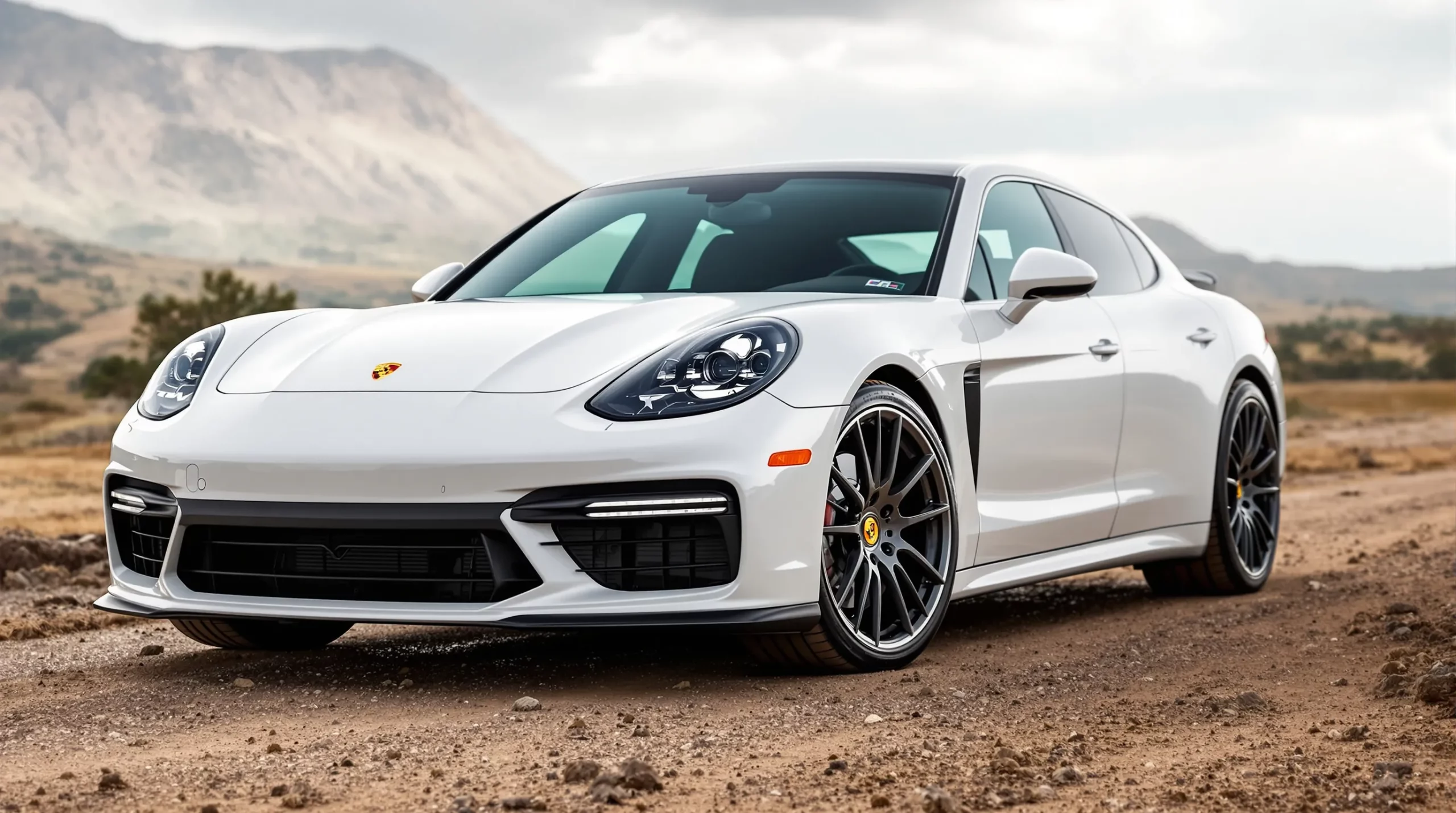
2017: First Year Of The Second Generation (971)
Porsche redesigned the Panamera for 2017. As with many first-year redesigns, there were teething problems.
Common issues:
- Electrical gremlins: Owners complained about malfunctioning driver assistance systems, navigation errors, and random warning lights.
- Transmission hesitation: The new PDK dual-clutch transmission sometimes hesitated or shifted roughly, especially at low speeds.
- Air suspension issues: Similar to earlier years, the air suspension system could fail, resulting in costly repairs.
Some Panamera 4 and Turbo models from 2017 also experienced water leaks into the trunk or under the rear seats. This led to damaged electronic modules, which could cause the rear liftgate, backup camera, or even rear seat controls to stop working.
Credit: rerev.com
Detailed Problem Analysis: What Goes Wrong
Understanding the specific issues in these model years can help you spot trouble before buying. Below are some of the most significant problems, how they show up, and what they might cost to fix.
Engine And Cooling System Failures
The camshaft adjuster bolt issue in early models (2010-2013) is notorious. If this bolt fails, the engine can lose timing and suffer catastrophic damage. Owners often report engine warning lights, rough idling, or sudden loss of power.
Repair costs: $8,000–$12,000 for engine replacement, depending on the shop.
The coolant pipe leaks come from plastic fittings that become brittle and crack. You may notice coolant on the garage floor or overheating warnings. Replacing the pipes with upgraded metal versions usually solves the problem.
Repair costs: $1,500–$2,500 for parts and labor.
A less obvious issue in these years is the tendency for oil leaks to develop from valve cover gaskets or timing chain covers. These leaks are not only messy but can also damage other engine components, especially if ignored.
Air Suspension Failures
Panamera models with air suspension offer a smooth ride, but the system is complex. Failed air struts or compressors can leave the car sagging on one side or riding very harshly.
Repair costs: $2,000–$4,000 to replace failed components.
Sometimes, the air suspension will fail slowly, causing the car to drop overnight but rise again when started. This intermittent problem is easy to miss during a short test drive but can signal a failing compressor or leaking air bladder.
Hybrid System Problems
The high-voltage battery in early hybrid models can fail unexpectedly. Replacement is expensive and sometimes parts are hard to find.
Repair costs: $5,000–$8,000 for a new battery pack.
Hybrid Panameras can also suffer from faulty inverter modules, which convert electricity for the motors. Replacing an inverter is less expensive than a battery, but still costly and time-consuming.
Transmission Issues
The first-year 971 Panamera (2017) introduced a new PDK transmission. Some owners experienced hesitation, rough shifting, or even warning lights. While many issues are software-related, some require mechanical repairs.
Repair costs: $1,000–$5,000 depending on the problem.
Another issue is that delayed shifting or “hard” engagement in reverse can sometimes be mistaken for a transmission problem when it’s actually related to transmission mount wear, especially in cars with higher mileage.
Infotainment And Electrical Issues
PCM failures in 2014-2015 models can make navigation, audio, and even climate controls stop working. Software updates may help, but replacement is sometimes needed.
Repair costs: $2,000–$3,500 for a new unit.
Some owners also report Bluetooth connectivity issues, especially when using newer smartphones with older PCM units. Even a simple phone connection may require a software update or a new module.
Comparison: Good Vs. Bad Panamera Years
To help you see the difference, here’s a breakdown of reliability between some of the best and worst Panamera years.
| Model Year | Major Engine Problems | Electrical Issues | Average Repair Cost |
|---|---|---|---|
| 2011 | High | Moderate | $4,200 |
| 2015 | Low | Moderate | $2,500 |
| 2017 | Low | High | $3,300 |
| 2019 | Low | Low | $1,700 |
As you can see, repair costs drop and reliability improves in later years.
One more thing—insurance premiums for newer, more reliable Panameras are often lower because claim rates are better. This can offset some of the higher purchase price of a “good” year.
What Makes A Panamera Year Worth Avoiding?
Not every problem means you should skip a model year. But some issues are so common or expensive that they make certain years a bad bet.
Key warning signs:
- High volume of owner complaints on forums and review sites.
- Multiple recalls for the same problem.
- Expensive, recurring repairs (like engines or batteries).
- Poor resale value compared to other years.
Non-obvious insight: Sometimes, problem years are cheaper to buy. But the money you save upfront can disappear quickly if you need major repairs.
Another subtle warning is a lack of available parts or updates. For example, if you find that a model year has several “open” recalls or technical service bulletins that have not been addressed, it’s a sign that even Porsche is aware of ongoing issues.
The Best Panamera Years: Safe Bets
If you want a Panamera but don’t want to gamble, these model years are widely considered reliable.
2014-2016 Late First Generation
By this point, many early engine and cooling issues had been fixed. These years also benefit from updated electronics and a more refined interior.
Why they’re good:
- Fewer owner complaints about major failures.
- Improved PCM system.
- Better parts availability for repairs.
Another advantage is that many of these cars are now coming off leases, which means they often have full service histories and may have been maintained at Porsche dealerships.
2018-2020 Second Generation
These newer models saw Porsche fix most of the electrical bugs from the 2017 redesign. Build quality is excellent, and owner satisfaction is high.
Why they’re good:
- Reliable PDK transmission.
- Fewer reports of infotainment or suspension problems.
- Advanced safety features and better fuel economy.
These years also feature improved interior materials and more up-to-date technology, such as Apple CarPlay and better navigation systems.
Comparison Of Common Problems By Generation
| Generation | Major Issues | Average Reliability Score |
|---|---|---|
| 2010-2013 (Gen 1 Early) | Engine, Cooling, Air Suspension | 6.2/10 |
| 2014-2016 (Gen 1 Late) | Minor Electrical | 8.1/10 |
| 2017 (Gen 2 Early) | Electrical, Transmission | 6.9/10 |
| 2018-2020 (Gen 2 Late) | Few Minor Issues | 8.7/10 |
How To Spot A Problem Panamera
Even within a “bad” year, some Panameras are well cared for and trouble-free. But you need to check carefully before you buy.
What to check:
- Service history: Always ask for full maintenance records. Look for evidence of major repairs (like engine or battery replacement).
- Pre-purchase inspection: Have a Porsche specialist inspect the car. They can spot hidden issues, especially with the engine, suspension, and electronics.
- Test all systems: Check the infotainment, air suspension (change ride height), and all warning lights.
- Check for recalls: Use the VIN to see if all recalls have been completed.
- Look for leaks: Check under the car for oil or coolant spots, and under the hood for signs of recent repairs.
Non-obvious insight: Some sellers replace faulty parts just before selling. Ask when repairs were done—recent major work could be a red flag, not just a bonus.
Also, check the operation of every switch, button, and electronic feature. Panameras have many features that may not get used often, such as rear sunshades, adaptive headlights, or massaging seats. These parts are expensive to repair and sometimes overlooked during an inspection.
Maintenance Costs: What To Expect
The Panamera is not a cheap car to maintain, even in good years. Here’s what you can expect for common repairs.
| Repair | Estimated Cost (USD) | Frequency |
|---|---|---|
| Oil Change | $300–$400 | Every 10,000 miles |
| Brake Pads/Rotors | $1,200–$2,000 | Every 40,000 miles |
| Air Suspension Repair | $2,000–$4,000 | As needed |
| Coolant Pipe Replacement | $1,500–$2,500 | As needed |
| PDK Transmission Service | $1,000–$1,500 | Every 60,000 miles |
Tip: Always budget extra for unexpected repairs—luxury cars often need more attention as they age.
Also, don’t forget about tires. Panameras use high-performance tires that wear out faster than regular sedan tires. A new set can cost $1,200–$2,000. And if you live in a region with cold winters, you may need a separate set of winter tires.
How Porsche Panamera Compares To Other Porsche Models
Many buyers consider the Panamera alongside the Cayenne or even the 911. Here’s how the Panamera stacks up in terms of reliability and maintenance.
- Panamera: Sporty, luxury-focused, but expensive to fix if things go wrong. Early years are riskier.
- Cayenne: More common, similar engine issues in early years, but slightly lower repair costs.
- 911: Tends to be more reliable, but sports car focus means less comfort and space.
If you want a sedan with Porsche performance, the Panamera is unique. But for lower maintenance costs, the Cayenne or a certified pre-owned 911 might be safer.
Another consideration is practicality. The Panamera has more trunk space than the 911 and a more comfortable rear seat than the Cayenne coupe. It’s ideal for those who want sports car performance in a practical package, as long as you’re ready for the costs.
Common Mistakes When Buying A Used Panamera
Many buyers fall into the same traps. Knowing what to avoid can save you big money and stress.
- Skipping the inspection: A Porsche specialist may find $10,000 in hidden issues that a regular mechanic misses.
- Buying the cheapest one: The lowest price usually means it needs work. Cheap Panameras often cost more in the long run.
- Ignoring service records: A car without records could have skipped vital maintenance or repairs.
- Assuming low miles means no problems: Sitting unused can cause issues with seals, batteries, and electronics.
- Not budgeting for repairs: Even good years have expensive maintenance. Make sure you’re prepared.
One mistake people make is assuming that an extended warranty or aftermarket warranty will cover everything. Many warranties exclude common Panamera problems, such as air suspension failures or hybrid system issues, so always read the fine print before relying on warranty coverage.
Credit: www.copilotsearch.com
Should You Ever Buy A “bad” Year?
It depends on your risk tolerance and budget. Sometimes, a Panamera from a problem year has already had all major repairs done. If you get proof of this work (with receipts from a Porsche dealer), you may be safe.
But remember:
- Parts availability: Some early models have hard-to-find parts, especially for the hybrid system.
- Resale value: You may lose more money when selling a known problem year.
- Insurance costs: Some years have higher insurance rates due to claim history.
If you’re not experienced with German luxury cars, it’s usually best to avoid the riskiest Panamera years.
Also, some buyers enjoy working on their own cars and aren’t afraid of occasional repairs. If you’re mechanically skilled and have access to good parts sources, a “bad” year at a low price might make sense. For most people, though, peace of mind is worth paying for a better year.
Practical Tips For A Smart Panamera Purchase
If you decide to move forward, these steps can help you avoid surprises and enjoy your new car.
- Test drive several years: See how the car feels and listen for unusual noises.
- Check online forums: Panamera owners share real-world experiences and advice.
- Consider certified pre-owned: These cars come with warranties and have been inspected by Porsche.
- Negotiate price: Use known issues as leverage for a better deal.
- Set aside a repair fund: Even reliable Panameras need maintenance.
Also, ask for a DME (Digital Motor Electronics) report before you buy. This report shows engine over-revs and other data that can reveal past abuse or mechanical issues. Porsche specialists can read this report and explain what it means for the car’s future reliability.
If you want more details, the Porsche Panamera Wikipedia page offers a useful overview of the model’s history and features.
Credit: rerev.com
Frequently Asked Questions
Which Panamera Model Years Are The Most Reliable?
The 2014-2016 and 2018-2020 Panamera models are widely considered the most reliable. They have fewer major engine, electrical, and suspension issues compared to earlier years.
Is It Worth Buying A Used Panamera From 2010-2013?
Generally, it’s risky. These years had engine failures, coolant leaks, and other expensive problems. If you find one with full service records and proof of repairs, it might be worth considering, but expect higher maintenance costs.
Are Panamera Hybrids A Good Choice?
Early hybrids (especially 2011-2012) are best avoided due to battery failures and software glitches. The technology improved in later years, but replacement batteries are still expensive.
How Much Does It Cost To Maintain A Panamera?
Annual maintenance can range from $2,000 to $4,000 depending on mileage and model year. Major repairs (like engines or suspension) can add several thousand dollars more.
What Should I Check Before Buying A Used Panamera?
Always check the service history, get a Porsche specialist inspection, and test all electronics and air suspension systems. Look for completed recalls and check for leaks or recent repairs.
Buying a Porsche Panamera can be a rewarding experience, but only if you choose the right year and do your homework. The most important step is to avoid problem years and invest in a thorough inspection. With careful planning, you can enjoy luxury, performance, and peace of mind for years to come.