

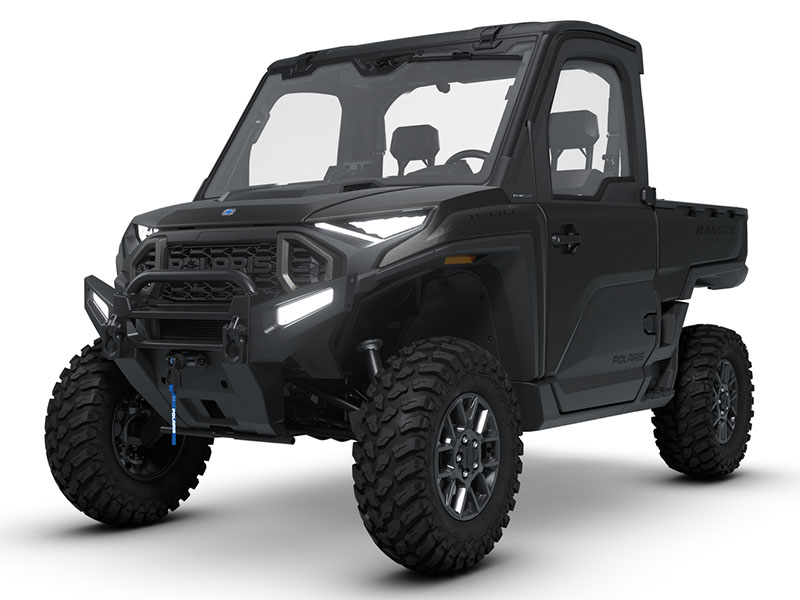
The Polaris Ranger is a popular side-by-side utility vehicle, known for its rugged build, versatility, and strong performance on challenging terrain. Many farmers, ranchers, hunters, and outdoor enthusiasts trust the Ranger for work and recreation. But, like every vehicle line, not all Ranger models are created equal.
Some years stand out for reliability, while others have left owners with more headaches than happy trails.
If you’re thinking about buying a used Polaris Ranger, it’s smart to know which years to avoid and why. This guide dives deep into the most problematic Polaris Ranger years, the issues you’re likely to face, and how to choose a reliable model instead.
You’ll also learn about the signs of trouble in used Rangers, questions to ask sellers, and common mistakes that first-time buyers make.
Why Polaris Ranger Quality Varies By Year
Before looking at individual years, it helps to understand why the Polaris Ranger’s quality can shift from one year to the next. Major updates, engine changes, and even new manufacturing locations can influence reliability.
For example, a new engine design might promise better power or fuel efficiency. But if Polaris rushes that engine to market before all the bugs are fixed, owners of that year’s Ranger can face expensive repairs. Similarly, a new transmission or electronic system might seem great on paper but fail in real-world use.
Recalls are also a clue. When a company discovers a widespread problem, they issue a recall to fix it. Some Ranger model years have faced multiple recalls, often tied to the same underlying quality issues that frustrate owners.
The Most Problematic Polaris Ranger Years
Many Ranger owners share their experiences online, and mechanics see patterns in which years come into the shop most often. Here’s a closer look at the Polaris Ranger years that have gained a reputation for trouble.
1. 2013 Polaris Ranger
The 2013 Ranger lineup (especially the 800 and 900 models) is often considered one of the most problematic. Owners reported:
- Frequent electrical system failures
- Issues with the transmission slipping
- Problems with the engine overheating
One reason is that Polaris introduced several new features in 2013, especially on the XP 900. The new ProStar engine was powerful but had teething problems, and the new transmission was less robust than expected.
Common complaints:
- Electrical shorts leading to stalling
- Battery draining quickly or not holding a charge
- Transmission harshness, especially in reverse
2. 2015 Polaris Ranger
The 2015 Ranger saw an updated engine and several interior changes. But this year is known for:
- Fuel pump failures
- Weak drivetrain components
- Leaks in the cooling system
Many owners had to replace the fuel pump within the first two years. Some also experienced poor shifting, and the cooling system’s hoses and clamps failed more often than average.
Key issues:
- Loss of power after short rides
- Engine running hot, sometimes leading to blown head gaskets
- Transmission not shifting smoothly
3. 2016 Polaris Ranger
Polaris continued to make changes in 2016, hoping to fix earlier problems. However, the 2016 Ranger brought its own set of headaches:
- ECU (engine control unit) problems
- Faulty throttle position sensors
- Drive belt failures, especially on the 570 and 900 models
These electrical problems often caused random shut-offs. Some owners were stranded when the ECU failed with little warning.
What to watch for:
- Check engine light that won’t clear
- Sudden loss of power mid-ride
- Frequent drive belt replacements
4. 2017 Polaris Ranger
Despite more tweaks, the 2017 Ranger is still a year to be cautious about, especially in the Crew models:
- Front differential failures
- Issues with the steering column
- Poor-quality wiring harnesses
Polaris struggled to fix these reliability problems quickly. The front differential, in particular, is expensive to repair.
Typical symptoms:
- Grinding noises from the front end
- Steering feels loose or unresponsive
- Electrical accessories randomly stop working
5. 2020 Polaris Ranger
The 2020 Ranger introduced more advanced electronics and comfort features. But these upgrades came with:
- Faulty digital instrument clusters
- Problems with the engine’s fuel mapping
- Sudden battery drain (often traced to the new infotainment system)
Owners noted that electrical gremlins were the most common problem, with some vehicles refusing to start after only a few months.
Red flags:
- Digital display goes blank or flickers
- Hard starting, especially in cold weather
- Battery needs frequent jump-starts
Data Comparison: Trouble Years Vs. Reliable Years
To put things into perspective, let’s compare reported problems between the most problematic and most reliable Polaris Ranger years. This summary uses data from owner forums and recall reports.
| Model Year | Average Number of Owner Complaints | Major Recalls Issued | Common Issues |
|---|---|---|---|
| 2013 | 45 | 3 | Electrical, Transmission, Overheating |
| 2015 | 39 | 2 | Fuel Pump, Drivetrain, Cooling |
| 2016 | 37 | 1 | ECU, Throttle Sensor, Drive Belt |
| 2017 | 34 | 2 | Differential, Steering, Wiring |
| 2020 | 29 | 1 | Instrument Cluster, Fuel Mapping, Battery |
| 2011 | 12 | 0 | Minor Electrical |
| 2012 | 13 | 0 | Starter, Minor Suspension |
| 2014 | 16 | 1 | Fuel System |
| 2018 | 11 | 0 | Minor Transmission |
| 2019 | 9 | 0 | Cooling |
Why These Years Had Problems
Understanding the causes behind these trouble years can help you avoid repeating history.
Major Redesigns And New Engines
Polaris is known for innovation, but big changes sometimes lead to early problems. For example, the 2013 and 2015 models introduced new engines and electronics. These updates were exciting but not always reliable. New parts often have bugs that don’t show up until thousands of customers put them to the test.
Cost-cutting And Supplier Issues
In some years, Polaris tried to cut costs by changing suppliers or using different parts. For example, the 2017’s wiring harness and front differential came from new suppliers. Unfortunately, these parts didn’t always match the durability of previous versions.
Electronics And Software Bugs
As more technology goes into the Ranger, electrical and software glitches become more common. The 2020 model’s infotainment system and digital cluster are examples. They offer nice features but can drain batteries or fail suddenly—issues that are expensive to fix out of warranty.
Production Volume And Quality Control
Polaris sells thousands of Rangers each year. High production numbers can strain quality control, especially when introducing new models or features. Problems that might have been caught in a smaller batch sometimes slip through.

Credit: www.ebay.com
Signs Of Trouble In A Used Polaris Ranger
If you’re shopping for a used Ranger, spotting warning signs can save you from expensive repairs later. Here’s what to check:
1. Electrical Issues
- Dim or flickering lights
- Non-working gauges or digital displays
- Accessories (like winches or heaters) that cut out
Electrical problems often point to deeper wiring or battery issues.
2. Transmission And Drivetrain Problems
- Grinding, whining, or clunking sounds when shifting
- Delayed response when changing gears
- Vehicle rolling in park or slipping out of gear
These symptoms can mean worn-out parts, which are costly to fix.
3. Overheating
- Coolant leaks under the vehicle
- Smell of burning coolant
- Engine temperature gauge running high
Overheating can damage the engine, especially if ignored.
4. Steering And Suspension
- Steering wheel feels loose or has extra play
- Suspension squeaks or knocks over bumps
- Vehicle pulls to one side
These issues are common in the 2017 models but can appear in any poorly maintained Ranger.
5. Hard Starting Or Battery Issues
- Engine cranks slowly or not at all
- Battery needs frequent replacement
- Digital cluster fails to power on
These can signal charging system problems, especially in newer models.
How To Check For Recalls On A Polaris Ranger
It’s important to know if the Ranger you want has had any recalls. Recalls mean the manufacturer will fix a safety issue for free, but not every owner brings their vehicle in for repair.
To check for recalls:
- Get the Ranger’s VIN (Vehicle Identification Number).
- Visit the Polaris official recall site or use the National Highway Traffic Safety Administration (NHTSA) search tool.
- Enter the VIN to see any open recalls.
If you find an open recall, ask the seller for proof of completed repairs. If not fixed, make sure the seller takes care of it before you buy.
What Makes A Reliable Polaris Ranger Year
Not all Rangers are risky. Some years are known for reliability, with fewer owner complaints and lower repair costs.
Key qualities of reliable years:
- Fewer major changes from previous models
- Good track record of durability in engines and transmissions
- Low number of recalls and owner complaints
Owners often recommend the 2011, 2012, 2018, and 2019 models as solid choices. These years had fewer major changes and benefitted from lessons learned in previous years.
Most Reliable Polaris Ranger Models Comparison
Here’s a comparison of three widely regarded reliable Ranger models:
| Model Year | Engine Type | Reported Problems | Average Repair Cost |
|---|---|---|---|
| 2011 Ranger 800 XP | 760cc Twin | Minor electrical | $150 |
| 2012 Ranger 500 EFI | 498cc Single | Starter issue | $120 |
| 2018 Ranger XP 1000 | 999cc Twin | Minor transmission | $200 |
These models have held up well in owner surveys and are less likely to leave you stranded.
Common Mistakes When Buying A Used Polaris Ranger
Even experienced buyers can make mistakes. Here are the most common pitfalls:
1. Ignoring Maintenance Records
A well-maintained Ranger will last longer and have fewer problems. Always ask for maintenance records. If the seller can’t provide them, think twice about buying.
2. Relying Only On Appearance
A clean Ranger can still have hidden problems. Look beyond the paint and seats. Inspect the engine, drivetrain, and suspension closely.
3. Skipping A Test Drive
Always drive the Ranger before buying. Listen for strange noises, check how it shifts, and see if the 4WD engages smoothly.
4. Overlooking Recalls
Don’t assume all recalls have been fixed. Check the VIN and ask for paperwork showing completed recall repairs.
5. Focusing Only On Price
A cheap Ranger from a risky year can cost much more in repairs. Don’t let a low price blind you to potential issues.
Maintenance Tips For Extending Your Ranger’s Life
If you already own a Ranger from a troublesome year—or just want to keep your reliable one in top shape—these tips will help:
1. Change Fluids Regularly
Follow the schedule in your owner’s manual for oil, coolant, and transmission fluid changes. Old fluids cause wear and overheating.
2. Inspect Belts And Hoses
Check drive belts for cracks or fraying. Look at coolant hoses for leaks. Replace them before they fail, especially if your Ranger is several years old.
3. Keep Electrical Connections Clean
Corroded battery terminals and dirty wiring cause many problems. Clean them with a wire brush and use dielectric grease to protect connections.
4. Test The Charging System
A weak charging system leads to battery problems. Check the battery, stator, and regulator output at least once a year.
5. Use Quality Replacement Parts
Cheaper parts may not last. Use OEM (Original Equipment Manufacturer) or high-quality aftermarket parts for the best reliability.
Credit: www.xtremehonda.com
When It Makes Sense To Buy A Ranger From A “bad” Year
Sometimes, buying a Ranger from a problematic year can still be a smart choice, if:
- The price is much lower than other options
- The previous owner has fixed all known issues (with receipts)
- You’re handy with repairs and don’t mind doing some work
If you go this route, look for a vehicle with a complete maintenance history and proof that recalls and common failures have been addressed.
Comparing Polaris Ranger To Other Side-by-sides
How does the Ranger stack up against its main rivals, like the Can-Am Defender and Honda Pioneer? Here’s a quick look:
| Model | Reliability Score (1-10) | Average Repair Cost | Common Problems |
|---|---|---|---|
| Polaris Ranger (problem years) | 5 | $800 | Electrical, Transmission |
| Can-Am Defender | 8 | $600 | Minor electronics |
| Honda Pioneer | 9 | $450 | Starter, minor clutch |
The Can-Am Defender and Honda Pioneer often rank higher for reliability, especially in years when the Ranger struggled. But the Ranger offers more models and features, which appeals to many buyers.
Real-world Owner Stories
Hearing from actual owners provides insight you won’t find in brochures. For example:
- Jake, a rancher in Texas, bought a 2015 Ranger 900 Crew. He faced early fuel pump failure and a leaking coolant hose. After replacing these parts (at his own expense), the Ranger ran well for several years. He warns buyers to “budget for repairs if you pick this year.”
- Samantha, a hunter in Montana, owned a 2017 Ranger XP. She had issues with the steering and front differential, but Polaris covered these under warranty. She recommends buying used only if you can confirm warranty work was completed.
- Mike, a trail rider in Michigan, chose a 2011 Ranger 800. With 4,000 miles, he’s had only minor electrical issues. He says, “The older Rangers are simpler and easier to fix.”
What To Ask Sellers Before Buying
Don’t be afraid to ask tough questions when shopping for a used Ranger:
- Has this vehicle had any major repairs? What parts were replaced?
- Do you have maintenance and recall repair records?
- Has the Ranger ever overheated or had electrical issues?
- Are there any current problems or warning lights?
- Why are you selling the Ranger?
A trustworthy seller will answer honestly and provide documentation.
Should You Avoid All Problematic Ranger Years?
Not always. Some vehicles from “bad” years have been well-cared for and fully repaired. Others are still trouble waiting to happen. The best approach:
- Do your homework on the specific year and model
- Inspect the vehicle carefully, or pay a mechanic for a pre-purchase inspection
- Walk away if the seller can’t provide records or seems evasive
Where To Find More Information
For more detailed recall information, technical service bulletins, and owner forums, check the official Polaris website. You can also read reviews on off-road enthusiast sites to see how different years perform over time.
Credit: bobcatofnorthtexas.com
Frequently Asked Questions
What Is The Worst Polaris Ranger Year To Avoid?
Many experts and owners point to the 2013 Polaris Ranger, especially the XP 900, as the year with the most problems. The new engine and transmission had many issues, including electrical failures and overheating.
Are Newer Polaris Rangers More Reliable?
Not always. While new models may have better features, they can also have new bugs. The 2020 Ranger had advanced electronics but suffered from digital cluster and battery problems. It’s best to research each model year before buying.
Is It Safe To Buy A Used Polaris Ranger From A Problematic Year?
It depends. If the previous owner fixed all known issues and has records, it can be a good deal. But if repairs were skipped, you might face expensive problems. Always check maintenance and recall history.
How Can I Check If A Polaris Ranger Has Open Recalls?
Get the VIN and enter it on the Polaris recall website or NHTSA’s search tool. This shows any open recalls and whether repairs have been completed.
What Are The Most Reliable Polaris Ranger Years?
The 2011, 2012, 2018, and 2019 Rangers are often seen as the most reliable. These years had fewer major changes and benefit from Polaris fixing earlier issues.
Buying a used Polaris Ranger is a big decision. By knowing which years to avoid, what red flags to watch for, and how to inspect a vehicle, you can find a Ranger that works as hard as you do—without costly surprises.
Take your time, ask questions, and you’ll be on the trail with confidence.