The Nissan Rogue Sport made its US debut in 2017, giving buyers a compact SUV option that sits just below the regular Rogue in size and price. With its city-friendly handling, affordable price, and stylish look, it quickly became popular among urban drivers and small families. But not every year of the Rogue Sport is a safe bet. Some model years have faced more problems than others, leading to higher costs and headaches for owners. If you want to avoid buying a used Rogue Sport that turns into a money pit, it’s important to know which years to avoid—and why.
This guide covers the Nissan Rogue Sport years to avoid, explains the most common issues, and offers tips for choosing a reliable model. Whether you’re shopping for your first car or adding a second vehicle for the family, you’ll get the facts you need to make a smart decision and avoid common pitfalls.
Understanding The Nissan Rogue Sport
The Nissan Rogue Sport is not just a smaller version of the regular Rogue. It is based on the global Nissan Qashqai, a popular crossover in Europe and Asia. In North America, the Rogue Sport fits between the smaller Nissan Kicks and the larger Rogue. Nissan aimed this model at people who want a practical SUV that’s easy to park, fuel-efficient, and affordable.
The Rogue Sport offers:
- Seating for five people
- Front-wheel drive (standard) or all-wheel drive (optional)
- A 2.0-liter four-cylinder engine
- Continuously Variable Transmission (CVT)
- Good cargo space for its class
While the design and features make it attractive, reliability and repair costs depend heavily on the model year. Some years stand out as strong choices, while others are best left alone.
Nissan Rogue Sport Model Years Overview
To help you understand which years have the most problems, here’s a quick summary of each year the Rogue Sport was sold in the US.
| Model Year | Key Changes | Notable Issues |
|---|---|---|
| 2017 | US debut, basic features | Transmission, electrical |
| 2018 | Added safety tech | Transmission, infotainment |
| 2019 | More driver aids | Brake issues, CVT |
| 2020 | Face-lift, more tech | Fewer complaints |
| 2021 | Last year in US | Generally reliable |
The first three years—2017, 2018, and 2019—stand out for more frequent and expensive problems. The 2020 and 2021 models are improved, with fewer owner complaints and better reliability scores.
Nissan Rogue Sport Years To Avoid
Not all Rogue Sports are created equal. Based on owner reports, recalls, and repair data, the years you should avoid are:
- 2017
- 2018
- 2019
Let’s look at each of these years in detail so you know what to watch out for.
2017 Nissan Rogue Sport
The 2017 model marked the Rogue Sport’s first year in the US. Early production runs often have more issues as manufacturers work out new model bugs. The 2017 Rogue Sport is no exception.
Common Problems
- Transmission Failure: The biggest complaint with the 2017 is the CVT transmission. Owners reported hesitation, jerking, loss of power, and in some cases, complete failure. Replacing or repairing the CVT can cost $3,000–$5,000.
- Electrical Issues: Problems with the backup camera, infotainment system, and dashboard warnings are common. These can lead to expensive diagnosis and repairs.
- Brake Problems: Some owners noticed soft brakes or excessive wear, leading to higher maintenance costs.
Owner Experiences
Many drivers reported that their Rogue Sport started having transmission problems before 60,000 miles. Nissan’s CVT warranty extension helps, but not all repairs are covered, and waiting for parts can be frustrating.
Expert Insight
Early production years often have more recalls and software updates. The 2017 model had several recalls, including ones for airbags and electrical systems.
2018 Nissan Rogue Sport
While Nissan addressed some issues for 2018, major problems continued.
Common Problems
- CVT Transmission: The same transmission concerns from 2017 carried over. Hesitation, shuddering, and delayed acceleration are top complaints.
- Infotainment System: The touchscreen and audio system sometimes stop working. Some owners have needed multiple replacements under warranty.
- Safety Tech Glitches: Features like blind spot warning and emergency braking sometimes malfunction, causing false alarms or not working when needed.
Owner Experiences
Many 2018 owners found that tech features were unreliable. For example, the automatic emergency braking system would activate unexpectedly, or the touchscreen would freeze and require a restart.
Expert Insight
Software updates helped with some issues, but not all cars received them. If you’re considering a used 2018, check that all recalls and updates have been completed.
2019 Nissan Rogue Sport
The 2019 model saw small improvements, but new problems appeared.
Common Problems
- Braking System: Owners complained about soft brakes, long stopping distances, and premature wear on brake pads and rotors.
- CVT Transmission: While fewer reports than earlier years, the transmission still had reliability concerns.
- Electrical Issues: Problems with sensors, warning lights, and battery drain persisted.
Owner Experiences
Some 2019 owners were frustrated by frequent brake service needs. Replacing pads and rotors at 20,000–30,000 miles is costly and not expected for a newer car.
Expert Insight
2019 models have a better track record than 2017 and 2018, but still more issues than later years. If you must choose between these three, 2019 is the least risky—but still not ideal.
Why These Years Have More Problems
The main reasons the 2017–2019 models are less reliable:
- First-Year Bugs: 2017 was a new model for the US, so extra problems are common.
- Problematic CVT Transmission: Nissan’s CVT has faced reliability concerns across several models, not just the Rogue Sport.
- Electrical & Tech Glitches: As Nissan added more features, quality control lagged behind, causing system failures.
- Recall Frequency: More recalls usually mean more underlying design or production issues.
You might find a used Rogue Sport from these years at a lower price, but you could pay much more in repairs later.
Credit: www.visionnissangreece.com
Better Years For The Nissan Rogue Sport
If you want a reliable Rogue Sport, focus on 2020 or 2021 models. These years have:
- Improved transmission reliability
- Fewer electrical or tech complaints
- Fewer recalls
- Higher owner satisfaction
2020 Nissan Rogue Sport
The 2020 update brought a new front-end style, more standard safety features, and improved tech. More importantly, reports of major issues dropped.
- Transmission: Fewer complaints, with many owners reporting smooth operation past 60,000 miles.
- Safety Features: Lane keep assist, blind spot monitoring, and automatic braking became standard, with fewer glitches.
- Overall Reliability: Higher ratings from sources like J.D. Power and Consumer Reports.
2021 Nissan Rogue Sport
The final year for the Rogue Sport in the US, 2021 models benefit from all previous fixes.
- Very Few Problems: Most owner reports are positive, with only minor issues.
- Best Resale Value: Newer models keep their value longer and are less likely to need expensive repairs soon.
Major Issues To Watch For (all Years)
Even the best Rogue Sport can have problems. Here are the most common issues across all years:
- CVT Transmission Problems: Hesitation, shuddering, or failure. Test drive at different speeds and ask for service history.
- Electrical Glitches: Check all electronics—infotainment, cameras, sensors—before buying.
- Brake Wear: Listen for squeaks or grinding, and check service records for frequent brake jobs.
- Battery Drain: Some models have electrical drains that kill the battery overnight.
- Paint Quality: Some owners report chipping or peeling, especially on earlier models.
How To Avoid A Bad Nissan Rogue Sport
Buying a used car always carries some risk, but you can lower your chances of getting a problematic Rogue Sport.
Steps To Take
- Check VIN for Recalls: Use the free tool at the NHTSA website to see if the car has open recalls.
- Request Full Service Records: A well-documented car is less likely to have hidden problems.
- Get a Pre-Purchase Inspection: Have a trusted mechanic inspect the car, especially the transmission and electronics.
- Test All Features: Try every button, safety feature, and system to spot issues.
- Avoid Early Years: Stick to 2020 or 2021 models when possible.
Non-obvious Insights
- Look for Extended Warranties: Nissan sometimes extends the CVT warranty. Ask if the car qualifies—it could save you thousands.
- Review TSBs (Technical Service Bulletins): These bulletins show common problems that dealers fix under warranty. A car with many TSB fixes may be a safer bet.
Nissan Rogue Sport Vs. Competitors
Before you buy a Rogue Sport, compare it to similar compact SUVs. Many buyers overlook this and miss out on a better fit.
Here’s how the Rogue Sport stacks up against two top rivals:
| Model | Pros | Cons |
|---|---|---|
| Nissan Rogue Sport | Easy to park, good fuel economy, affordable | CVT reliability issues, tech glitches |
| Honda HR-V | Excellent reliability, great resale value | Weaker engine, less standard tech |
| Hyundai Kona | Fun to drive, long warranty, strong engine options | Smaller cargo area, firm ride |
What Makes The Rogue Sport Unique
- European Design: Based on the Qashqai, it offers a different look and feel from most US crossovers.
- Spacious Interior for Size: It’s roomier than it looks, especially in the back seat.
Where It Falls Short
- Transmission Risk: The CVT is a known weak point.
- Tech Quality: Infotainment and safety systems are less reliable than in rivals.
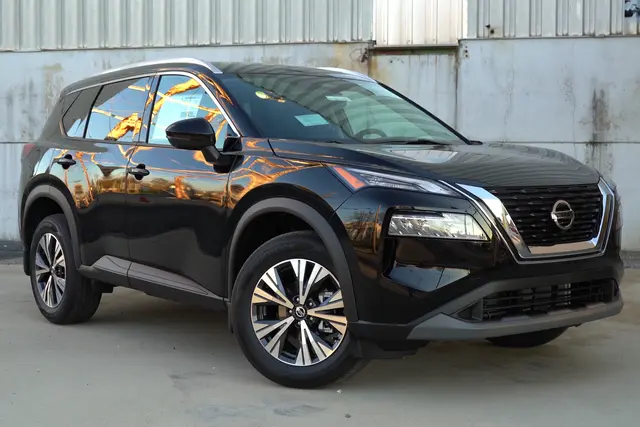
Credit: www.copilotsearch.com
Real Owner Stories
Hearing from real owners can help you understand what it’s like to live with a Rogue Sport.
Positive Experiences
Some owners report driving their 2020 or 2021 Rogue Sports for over 50,000 miles with only routine maintenance. They praise the comfortable ride, easy parking, and good gas mileage. One owner from Chicago says, “I drive in the city every day, and the Rogue Sport fits in tight spots and sips fuel.”
Negative Experiences
Owners of 2017 and 2018 models often tell a different story. For example, a driver from Texas had to replace the transmission at 58,000 miles. “I loved the car, but when the CVT failed, it cost $4,200. I wish I had checked the service history more carefully.”
Lessons Learned
- Always check the transmission history
- Look for a car with remaining warranty
- Avoid the first three model years if possible
Cost Of Ownership: Repairs And Maintenance
The cost to own a Rogue Sport depends heavily on the year. Here’s what you should expect.
Typical Maintenance Costs
- Oil Changes: $40–$70 every 5,000–7,500 miles
- Brake Pads/Rotors: $300–$600 per axle
- Tires: $400–$800 for a set of four
- Transmission Service: $200–$400 (fluid change), much more if repair needed
Major Repair Risks
For 2017–2019 models, the average cost for a CVT repair is $3,000–$5,000. Electrical repairs can range from $200 for a sensor to $1,500 for a major system.
Comparing Repair Data
| Year | Major Repairs (per 100 cars) | Average Annual Cost |
|---|---|---|
| 2017 | 28 | $650 |
| 2018 | 23 | $600 |
| 2019 | 19 | $550 |
| 2020 | 12 | $450 |
| 2021 | 9 | $400 |
The data shows a clear drop in repair costs and major fixes after 2019.
Resale Value And Depreciation
The Rogue Sport, like many compact SUVs, loses value quickly in its first years. But some years hold their value better.
- 2017–2019: These early years drop in value fastest because of reliability concerns.
- 2020–2021: Later models keep their value longer, especially if they have low miles and a clean history.
If you plan to sell or trade in your car within a few years, picking a 2020 or 2021 model is a smarter financial move.
Alternatives To The Nissan Rogue Sport
If you want a small SUV but worry about Rogue Sport reliability, here are three popular alternatives:
- Honda HR-V: Known for great reliability and a spacious interior. The engine is less powerful but durable.
- Mazda CX-30: Sporty handling, high-quality interior, and strong safety scores.
- Hyundai Kona: Fun to drive, long warranty, and good tech features.
Each has strengths and weaknesses, but all offer better long-term reliability than the early Rogue Sport years.

Credit: lemonlawfirm.com
Practical Tips For Buyers
If you still want a Rogue Sport, follow these practical tips:
- Buy Certified Pre-Owned (CPO): CPO cars get extra inspection and warranty, lowering your risk.
- Ask for a Transmission Test: Have a mechanic check for CVT shudder or delay.
- Use Online Forums: Sites like NissanForums.com have owner experiences and DIY fixes.
- Negotiate Price: If you find a 2017–2019 model, use known issues to negotiate a lower price.
- Review Recall History: Avoid cars with open recalls or incomplete service.
Frequently Asked Questions
Is The Nissan Rogue Sport A Reliable Car?
The Nissan Rogue Sport is reliable if you choose the right year. Models from 2020 and 2021 have improved reliability, while 2017–2019 models often face transmission and electrical problems. Always check service history and get a pre-purchase inspection.
What Is The Main Problem With The Nissan Rogue Sport?
The biggest issue is the CVT transmission. Many owners report hesitation, shuddering, or failure, especially in 2017–2019 models. Repairs can be very expensive. Electrical and brake problems are also common in early years.
How Long Does A Nissan Rogue Sport Last?
With good maintenance, a Rogue Sport can last 150,000–200,000 miles. But if you buy an early model with known issues, you may face major repairs before 100,000 miles. Later models (2020–2021) are more likely to reach high mileage with fewer problems.
Should I Buy A Used Nissan Rogue Sport?
Only consider a used Rogue Sport from 2020 or 2021, with a clean history and completed recalls. Avoid 2017–2019 models due to high repair risks. Compare with other small SUVs like the Honda HR-V or Mazda CX-30 for better reliability.
Where Can I Check For Recalls And Service History?
You can check for open recalls using the NHTSA VIN tool. For service history, ask the seller or visit a Nissan dealer. For more information, visit the NHTSA official recall page.
Final Thoughts
The Nissan Rogue Sport offers a smart size, good fuel economy, and affordable price for urban drivers and small families. But not every year is a smart buy. The 2017, 2018, and 2019 models have more frequent and costly problems—mainly with the transmission and electronics. If you want a Rogue Sport that delivers value without headaches, focus on 2020 or 2021. Always check service records, get a trusted mechanic’s opinion, and compare with rivals before you buy. With careful research, you can find a compact SUV that fits your needs and your budget—without expensive surprises down the road.