When it comes to choosing the perfect wheels for your ride, you might have come across terms like “milled” and “machined” wheels. But what do these words really mean, and how do they affect your wheels’ look and performance?
If you’re wondering which finish will give your vehicle that standout style and durability, you’re in the right place. Understanding the difference between milled and machined wheels can help you make a smarter choice that matches your taste and driving needs.
Keep reading to discover how these finishes are crafted, what sets them apart, and which one might be the better fit for your wheels. Your next upgrade starts here!
Basic Differences
Understanding the basic differences between milled and machined wheels helps in choosing the right style. Both processes shape wheels but use different techniques and tools. These differences affect the final look, precision, and cost of the wheels. Knowing how each process works gives better insight into their strengths and weaknesses.
Machining Process
Machining is a manufacturing process that removes material from a wheel. It uses a cutting tool that moves across the wheel’s surface. The tool cuts away metal to create a smooth and precise finish. This process often involves turning the wheel on a lathe. Machined wheels usually have a shiny, polished look. The precision helps improve balance and fit. Machining is common for custom and high-quality wheels.
Milling Process
Milling is a type of machining but uses rotary cutters instead. These cutters move around the wheel and remove material in different directions. Milling can create complex shapes and angled cuts on the wheel. It allows more detailed and unique designs than simple machining. Milling often leaves visible patterns or lines on the wheel surface. This process suits wheels needing intricate designs or specific styles. Milling can be slower but offers creative freedom in wheel design.
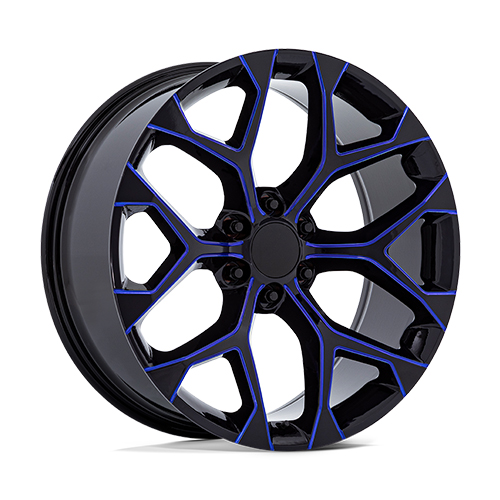
Credit: www.extremecustoms.com
Visual Features
Visual features play a key role in distinguishing milled and machined wheels. These features define the wheel’s style and appeal. Both techniques create unique textures and patterns on the wheel surface. Understanding these differences helps in choosing the right wheel finish for your vehicle.
Machined Surface Look
Machined wheels have a smooth and shiny surface. The process involves cutting the wheel face with a lathe. This reveals a bright metal finish under a clear coat. The result is a clean, polished appearance that catches light well. Machined wheels often show fine, circular lines from the cutting tool. These lines add subtle texture without roughness. The look is modern and sporty, suitable for many car styles.
Milled Groove Details
Milled wheels feature deeper, more distinct grooves. Milling uses a rotating cutter that shapes the metal precisely. This creates sharp edges and complex patterns on the wheel face. The grooves can be angled, curved, or straight. They add a bold, aggressive look to the wheel. Milled grooves often create shadows and highlights, giving depth to the design. This detail stands out more than the softer lines of machined wheels.
Manufacturing Techniques
The manufacturing techniques used for milled and machined wheels define their quality and finish. These processes shape the wheel’s structure and appearance. Understanding these methods helps to appreciate the differences between the two types.
Milled wheels often involve precise material removal using rotary cutters. Machined wheels rely on controlled cutting to achieve smooth surfaces. Both techniques require advanced machinery and skilled operators to ensure accuracy.
Cnc Machine Role
CNC machines control the cutting tools with high precision. They follow programmed instructions to carve the wheel’s design. This technology allows complex shapes and fine details on the wheel face.
In milled wheels, the CNC machine moves the tool along multiple axes. It removes material to create grooves and patterns. For machined wheels, CNC machines focus on smooth, clean cuts on flat surfaces.
Cutting Tools Used
Cutting tools vary depending on the wheel type and design. Milling uses rotary cutters that rotate rapidly to shave metal. These tools can make intricate cuts and shapes.
Machining employs different cutting bits like end mills and drills. These tools slice through metal in controlled passes. They produce polished finishes and sharp edges on the wheel.
Credit: www.tacomaworld.com
Durability And Maintenance
Durability and maintenance are key factors when choosing between milled and machined wheels. Both types offer distinct strengths that affect how long they last and how much care they need. Understanding these differences helps you keep your wheels looking good and performing well for years.
Resistance To Wear
Milled wheels have intricate designs cut into the surface. This process can create small grooves that may collect dirt and debris. These grooves might wear faster if exposed to harsh conditions. Machined wheels feature a smooth, polished surface. This finish helps resist scratches and corrosion better than milled wheels. Both types can handle daily driving, but machined wheels tend to stay durable longer in tough environments.
Cleaning Requirements
Milled wheels need more frequent cleaning due to their detailed patterns. Dirt and brake dust can build up in the small cuts. Use soft brushes to reach tight spots without damaging the finish. Machined wheels have fewer grooves, making them easier to clean. A simple wash with soap and water usually removes grime quickly. Regular cleaning keeps both wheel types looking new and prevents corrosion.
Common Applications
Understanding the common uses of milled and machined wheels helps in choosing the right one. Both types offer unique benefits suited for different needs. Their applications vary in design complexity and style preferences. This section explores how each wheel type fits into various automotive and aesthetic roles.
Machined Wheels In Design
Machined wheels often serve in designs requiring precision and smooth finishes. They provide a clean, polished look that appeals to many car enthusiasts. These wheels are common in modern vehicles aiming for a sleek, minimalistic style. Their manufacturing process allows for sharp lines and detailed patterns. Machined wheels also fit well in performance cars where weight and balance matter.
Milled Wheels In Style
Milled wheels stand out with their unique textured surfaces and intricate cuts. They often appear on custom vehicles seeking a bold, aggressive look. The milling process creates patterns that catch light and add depth to the wheel’s appearance. Milled wheels suit off-road trucks and sportier models that emphasize ruggedness. Their style makes them popular among those wanting a distinctive, eye-catching finish.
Cost And Value
The cost and value of milled and machined wheels often guide buyers’ choices. Understanding price differences helps you decide which fits your budget. Value goes beyond price, including quality and durability.
Price Differences
Milled wheels usually cost more than machined wheels. The milling process requires advanced equipment and more time. Machined wheels involve simpler cutting, making them less expensive. Price varies by brand, size, and design complexity. Buyers get different price points depending on their needs.
Perceived Quality
Many see milled wheels as higher quality due to detailed finishes. Milling creates intricate designs and smooth surfaces that look premium. Machined wheels have a clean, polished look but fewer details. The perception of quality affects the wheel’s resale value. Both types offer strength, but appearance influences buyer preference.
Customization Options
Customization options play a big role in choosing between milled and machined wheels. These options allow you to match your vehicle’s style and personal taste. Both types offer unique ways to change the wheel’s look and feel. Exploring paint and finish combinations, along with design flexibility, helps you find the best fit.
Paint And Finish Combinations
Milled wheels often come with bold finishes that highlight the cutting details. You can pick from matte, gloss, or satin paints. These paints protect the wheel and add color to your ride. Machined wheels usually feature a polished metal surface. They shine with a clean, bright look. Clear coats can protect this shine from dirt and wear. Some machined wheels also accept painted accents. This mix gives a modern and stylish edge.
Design Flexibility
Milled wheels offer intricate designs thanks to advanced cutting tools. These designs include sharp lines and complex shapes that stand out. Machined wheels have smooth, clean lines due to precise metal removal. They work well with classic or simple patterns. Both types allow custom sizes and offsets. This means you can get the perfect fit for your car. Customization helps your wheels look unique and match your car’s personality.

Credit: www.youtube.com
Choosing The Right Wheel
Choosing the right wheel impacts both the look and performance of your vehicle. Wheels come in many styles and finishes. Milled and machined wheels are popular choices. Each type offers unique benefits that suit different tastes and needs. Understanding these differences helps you make the best decision.
Aesthetic Preferences
Milled wheels have a distinct textured look. They feature small grooves and patterns cut into the surface. This gives the wheel a sporty, rugged style. Machined wheels have a smooth, shiny finish. The metal surface shines with a polished, clean appearance. They often look more refined and modern. Choose milled wheels for a bold, aggressive style. Pick machined wheels for a sleek, elegant look.
Performance Considerations
Milled wheels are usually lighter due to the material removed during milling. This can improve acceleration and handling slightly. The textured surface can hide minor scratches better. Machined wheels require careful maintenance to keep their shine. They may be more prone to corrosion without proper care. Both types offer strong durability when made from quality materials. Consider your driving habits and care routine before choosing.
Frequently Asked Questions
What Is The Difference Between Milled And Machined Wheels?
Milled wheels feature 3D angled grooves for depth and design. Machined wheels have a flat, shiny surface with circular lines. Both use CNC machines but differ in finishing style and visual impact.
Are Machined Wheels Better?
Machined wheels offer a sleek, shiny finish with visible circular lines. They enhance aesthetics but need regular cleaning to prevent oxidation. Durability depends on maintenance, making them stylish yet requiring care compared to painted wheels.
Is Milled The Same As Machined?
Milled and machined are not the same. Machining removes a flat layer for a shiny surface. Milling carves angled grooves for depth and detail.
What Does A Milled Wheel Mean?
A milled wheel features angled grooves carved by rotary cutters, adding depth and detailed design to the wheel’s surface.
What Is The Main Difference Between Milled And Machined Wheels?
Milled wheels have angled cuts, while machined wheels have smooth, polished surfaces.
Conclusion
Choosing between milled and machined wheels depends on your needs and style. Milled wheels offer unique designs with angled cuts and depth. Machined wheels have a smooth, polished surface with a clean look. Both types provide strength and durability for your vehicle.
Consider maintenance, appearance, and budget before deciding. Either choice can enhance your ride’s look and performance. Understanding these differences helps you pick the right wheels confidently.