

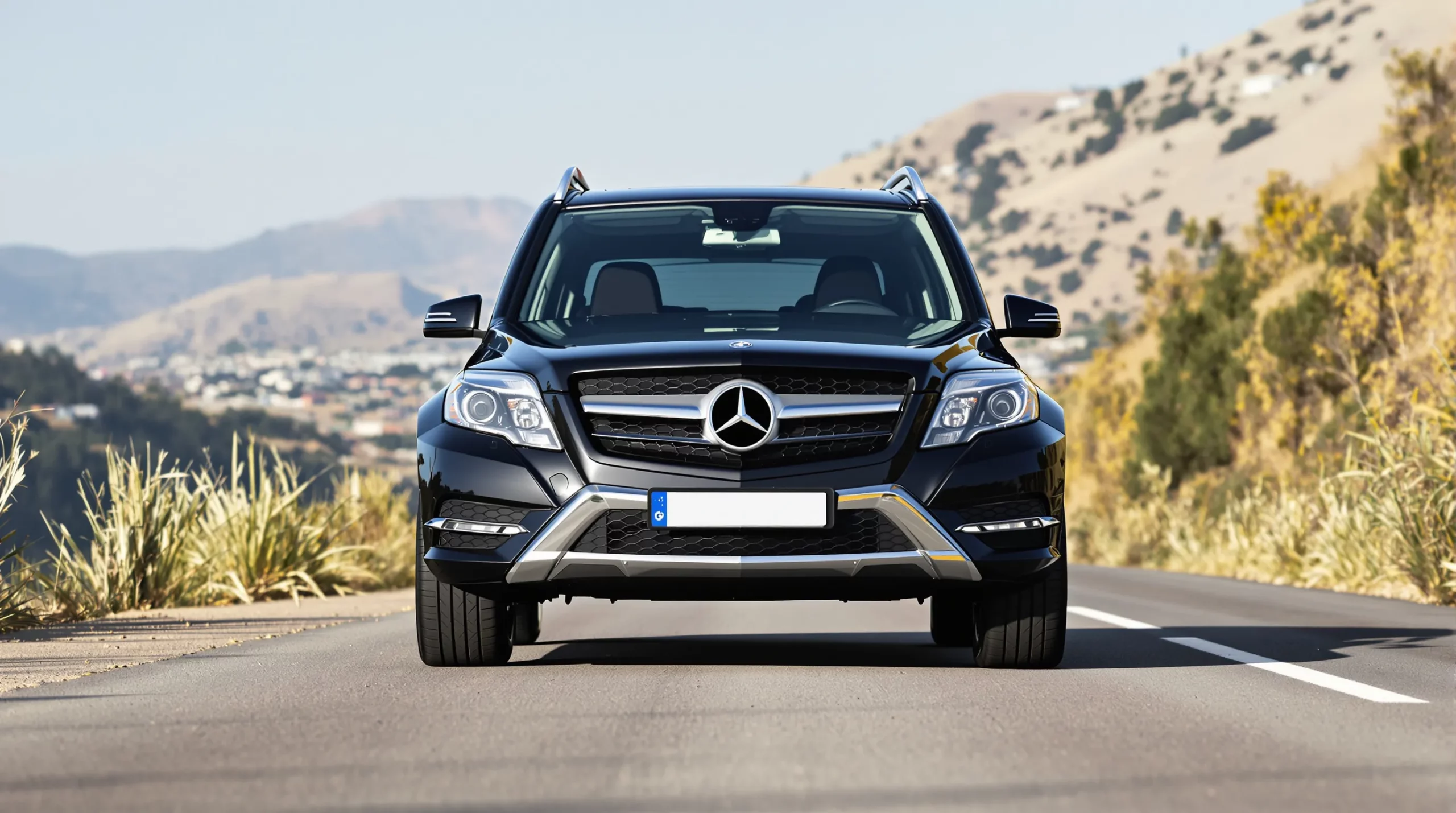
The Mercedes GLK 350 is a compact luxury SUV loved for its strong performance, comfortable ride, and premium features. Yet, not every year of this model offers the same reliability. Many drivers want to know which years to avoid before investing in this stylish vehicle. If you are considering a used GLK 350, understanding the problematic years can save you money and stress.
This article covers the GLK 350 years to avoid, giving specific insights for each year, common issues, and practical advice. With clear details, real examples, and helpful comparisons, you’ll know which GLK 350 models are worth your attention—and which are best skipped.
Why Year Matters When Buying A Used Glk 350
Every car model changes over the years. Some years bring improvements, others suffer from quality issues. The GLK 350 is no exception. Mercedes updated the GLK 350 several times, but certain years have more complaints, recalls, or expensive repairs than others.
Key factors that make some years less reliable include:
- Manufacturing defects
- Engine problems
- Transmission failures
- Electrical issues
- Safety recalls
Understanding these factors helps you avoid buying a GLK 350 with hidden headaches. For example, Mercedes sometimes updated parts midway through a production year, meaning one 2011 GLK might have different reliability than another built later that year. Some issues stem from suppliers changing or cost-cutting, which is not always obvious to buyers.
A single year with a poor batch of sensors or a faulty wiring harness can haunt owners for years, even after repairs. That’s why checking the specific year (and even production month, if possible) can make a real difference. Even though luxury cars like Mercedes promise quality, not all model years deliver the same ownership experience.
Overview: Mercedes Glk 350 Production Years
The GLK 350 was produced from 2008 to 2015, with North America receiving the model mainly from 2010 to 2015. Each year brought updates, but not all were positive.
Here’s a quick look at the main production years:
- 2008 (European launch)
- 2009 (limited global release)
- 2010–2015 (main US market years)
Some years are famous for reliability, others are known for costly problems. Let’s examine each year to find which GLK 350 models you should avoid.
It’s worth noting that the earliest models (2008–2009), sold mostly outside the US, had their own problems as Mercedes learned how to adapt the GLK for different markets. For example, the first GLK 350s in Europe had more diesel options, and their issues differ from US-spec gasoline models.
Some owners of the 2009 GLK 350 reported that the vehicle felt “unfinished,” with minor trim rattles and early infotainment bugs. However, these years are rare in the US used market.
From 2010 onward, Mercedes focused on the US market, bringing more features, but also more electronics—and with them, new potential issues. Each year, small tweaks in design or technology sometimes solved old problems, but also introduced new ones. For example, the 2013 refresh added updated styling and an improved interior, but the new electronics package brought fresh complaints about glitches and sensor failures.
Glk 350 Years To Avoid: Detailed Breakdown
Below are the GLK 350 years to avoid, with clear explanations for each. We’ll cover common issues, recall data, owner complaints, and practical advice.
2010 Mercedes Glk 350
The 2010 model was the first GLK 350 in North America. It has several issues:
- Transmission problems: Many owners report jerky shifting and delayed response, especially when accelerating from a stop or shifting between first and second gear. Some drivers experience a “clunk” or “bang” when the transmission changes gears, which can be both annoying and a sign of wear.
- Electrical failures: Problems with the COMAND system (the infotainment control) and dashboard lights are common. Some drivers report the radio or navigation freezing, or the backup camera not working.
- Engine stalling: Sudden stops while driving, linked to faulty sensors, especially camshaft position sensors. A stalled engine in traffic is not only frustrating but dangerous.
- Recall history: Multiple recalls for airbags (Takata airbag recall affected many) and seat belts. Some owners had to wait months for replacement parts.
Practical tip: If you must buy a 2010, check for completed recalls and detailed service records. Look for evidence of transmission service and software updates. Ask the seller if the engine sensors have been replaced.
Non-obvious insight: Some 2010 GLK 350s were part of the first batch sold in North America, and these early builds tend to have more problems. If you find a 2010 built later in the model year, it may have fewer issues due to small running changes Mercedes made to address complaints.
2011 Mercedes Glk 350
The 2011 GLK 350 is better than 2010, but still suffers from:
- Engine misfires: Spark plug and coil issues cause rough idling and sometimes poor acceleration. The engine may shake at stoplights or hesitate when you press the gas pedal.
- Oil leaks: Gasket failures, especially the valve cover gasket and oil filter housing seal, lead to leaking oil and potential engine damage if not fixed promptly.
- Brake issues: Premature wear of brake pads and rotors. Some owners report replacing pads every 20,000 miles, which is more frequent than average.
Non-obvious insight: Some mechanics note that the engine wiring harness ages poorly, causing electrical glitches. This can lead to hard-to-diagnose problems like random warning lights or “limp mode” (where the car limits power to protect itself).
Another detail: The 2011 model sometimes suffers from a “creaking” sound when turning the steering wheel, often due to worn bushings or a dry steering shaft. It’s not a safety issue, but it can be annoying.
2012 Mercedes Glk 350
This year saw minor improvements, but key problems include:
- Timing chain wear: Early wear leads to costly repairs. The timing chain should last over 100,000 miles, but some 2012 models need replacement as early as 60,000 miles.
- Transmission lag: Slow gear changes, sometimes needing full replacement. Owners report a delay when pressing the accelerator, or a “hunting” sensation as the car tries to find the right gear.
- Sunroof leaks: Water entry damages interior electronics and sometimes the headliner or sun visors. This can lead to mold or unpleasant smells inside the car.
Practical tip: Check for water stains in the roof liner before buying. Open and close the sunroof several times and listen for grinding noises. If the car smells musty, suspect a leak.
Non-obvious insight: Some 2012 owners report that the automatic tailgate can fail due to water intrusion from the roof. This repair is expensive because it combines electrical and mechanical work.
2013 Mercedes Glk 350
Mercedes refreshed the GLK 350 in 2013, but issues remained:
- Fuel system problems: Faulty fuel pumps cause engine stalls or slow starting. The car might crank for several seconds before starting, or die unexpectedly at idle.
- AC failures: Climate control system malfunctions, especially in hot climates. The AC might blow warm air or stop working entirely, even after recharging the system.
- Suspension noises: Squeaks and rattles from worn bushings, particularly in the front suspension. Over time, these noises can get louder and make the car feel less solid.
Non-obvious insight: Some owners report high repair costs for the AC compressor, which can fail after only 40,000 miles. If you live in a hot area, check that the air conditioning gets cold quickly and doesn’t make clicking noises.
Another detail: The 2013 model’s improved infotainment system is more powerful but also more sensitive to voltage drops. If the car’s battery is weak or old, random electronic glitches may appear.
2014 Mercedes Glk 350
This year had fewer complaints, but some problems persist:
- Steering issues: Power steering pump failures cause heavy steering, especially at low speeds. A whining noise when turning the wheel can be a warning sign.
- Electrical faults: Glitches in the infotainment system, such as the screen going blank or Bluetooth dropping connections.
- Headlight condensation: Moisture inside lights reduces visibility and can lead to bulb failure. This is more common in rainy or humid climates.
Practical tip: Test the steering at low speeds and inspect headlights for fogging. Check all electronic features, including the navigation and phone pairing.
Non-obvious insight: The 2014 model’s engine air intake system uses a new design, which can sometimes cause a “whistle” or “whoosh” sound under acceleration. It’s not harmful, but some owners find it annoying.
2015 Mercedes Glk 350
The final year of the GLK 350 brought improvements, but a few issues remain:
- Turbocharger problems: Some engines experience early turbo wear, leading to reduced power or a whining noise. This is more likely if the car was not serviced regularly.
- Paint quality: Chipping and peeling, especially on white models. This can lead to rust spots if not repaired.
- Sensor errors: Occasional false alerts from parking sensors or the collision warning system.
Non-obvious insight: The 2015 model is generally reliable, but buyers should watch for turbo noise and check paint closely. Some owners notice that the adaptive headlights can flicker due to a loose connector, which is an easy fix if caught early.
Another tip: The 2015 GLK 350 uses a more advanced automatic transmission fluid. Ask the seller if it’s ever been changed, as many owners (and dealers) skip this service, leading to possible long-term wear.
Comparison Of Glk 350 Years: Reliability & Cost
To help visualize the differences, here’s a comparison of key years:
| Year | Common Issues | Average Repair Cost | Owner Complaints | Recalls |
|---|---|---|---|---|
| 2010 | Transmission, electrical | $2,500 | High | 4 |
| 2011 | Engine, brakes | $2,200 | Moderate | 2 |
| 2012 | Timing chain, sunroof | $2,400 | Moderate | 2 |
| 2013 | Fuel system, AC | $2,600 | Moderate | 2 |
| 2014 | Steering, headlights | $2,000 | Low | 1 |
| 2015 | Turbo, paint | $2,100 | Low | 1 |
This table shows that the 2010 GLK 350 is the riskiest, with the most complaints and highest costs. Later years, especially 2014 and 2015, are safer bets.
Non-obvious insight: The repair costs don’t always drop just because the car is newer. The introduction of new technology in 2013 made some repairs more expensive, especially for the infotainment and AC systems.
Credit: rerev.com
Most Common Glk 350 Problems
Certain problems show up across several years. Knowing these can help you spot trouble before buying.
- Transmission failures: Jerky shifting, slipping, or full breakdown. Usually more common after 80,000 miles if the transmission fluid has never been changed.
- Electrical system glitches: Faulty dashboard, infotainment, and sensor errors. The more options a car has, the more likely something will go wrong—especially with panoramic roofs or upgraded stereos.
- Engine issues: Oil leaks, timing chain wear, and misfires. Some leaks are slow and hard to notice but can damage expensive parts over time.
- AC and heater failures: Poor cooling or heating, expensive compressor repairs. A weak AC might mean a small leak, but compressor failure is a big-ticket item.
- Suspension noises: Squeaks and rattles, often from worn bushings. These can make the car feel older than it is.
Non-obvious insight: GLK 350s with higher mileage often have more electrical issues than mechanical ones. This is because sensors and wiring degrade with age, not just miles.
Another detail: Some owners overlook the importance of regular battery changes. A weak battery can cause dozens of strange errors, from window malfunctions to false engine codes.
How To Spot Glk 350 Years To Avoid
If you’re shopping for a used GLK 350, check for these warning signs:
- Incomplete recall records: Always check the VIN against official recall databases.
- High mileage with no major repairs done: If a 10-year-old GLK 350 has never had a transmission, AC, or timing chain repair, budget for those.
- Visible leaks or stains: Look under the car for oil spots, and inside for water marks near the roof or doors.
- Unusual noises during test drive: Pay attention to clunks, rattles, or whines.
- Dashboard warning lights: Even if they go away after starting, ask for a diagnostic scan.
- Poor paint quality: Look for chips, bubbles, or different shades that signal past repairs.
Ask for a full service history. If possible, have a mechanic inspect the car before buying.
Non-obvious insight: Many buyers forget to check the power tailgate and all window switches. Broken motors or regulators are common, especially if the car has seen a lot of city use.
Glk 350 Ownership Costs
Owning a GLK 350 is not cheap. Here’s a comparison of maintenance costs for different years:
| Year | Annual Maintenance | Major Repair Probability | Insurance Cost |
|---|---|---|---|
| 2010 | $900 | High | $1,300 |
| 2011 | $850 | Moderate | $1,250 |
| 2012 | $870 | Moderate | $1,270 |
| 2013 | $920 | Moderate | $1,290 |
| 2014 | $800 | Low | $1,200 |
| 2015 | $820 | Low | $1,210 |
The 2010 GLK 350 costs the most to maintain and repair. Later years are less expensive, with fewer major repairs needed.
Non-obvious insight: Insurance costs can be higher for the GLK 350 because it’s a luxury vehicle, and repairs after an accident are expensive, even for small fender-benders. Some insurers also charge more if the car has advanced driver assistance features, as these are costly to fix.
Another detail: Mercedes recommends using premium fuel in the GLK 350. Using regular gas can save money short term but may lead to engine knocking and long-term damage.
Expert Advice: Buying A Used Glk 350
When choosing a GLK 350, follow these expert tips:
- Avoid 2010–2012 models unless you find one with full service records and completed recalls.
- Prefer 2014 or 2015 models for fewer issues and lower costs.
- Check for leaks, noises, and warning lights during your inspection.
- Ask about recall history and verify repairs.
- Consider a pre-purchase inspection by a Mercedes specialist.
Non-obvious insight: Many buyers skip checking the sunroof drainage system. A clogged drain can cause expensive electrical damage. Always test the sunroof and check for water stains.
Another tip: If buying from a private seller, ask if they have receipts for oil changes and major services. Mercedes dealerships often keep digital records, but private shops may not.

Credit: markreganauto.com
Glk 350 Alternatives
If you decide to avoid certain GLK 350 years, consider these alternatives:
- Mercedes GLC: Replaced the GLK 350 in 2016. Improved reliability and modern features.
- Audi Q5: Similar size, good reliability, and strong resale value.
- BMW X3: Sporty handling, competitive features, and fewer complaints.
Comparison of GLK 350 vs. GLC:
| Feature | GLK 350 | GLC |
|---|---|---|
| Engine | 3.5L V6 | 2.0L Turbo / 3.0L V6 |
| Fuel Economy | 19 mpg city / 25 mpg highway | 22 mpg city / 27 mpg highway |
| Reliability | Mixed | Good |
| Technology | Older | Modern |
| Resale Value | Moderate | High |
The GLC offers better fuel economy, reliability, and resale value. If you want fewer worries, it’s a strong choice. The Audi Q5 and BMW X3 also offer more advanced driver aids and better smartphone integration in newer models.
Non-obvious insight: The GLC’s smaller turbo engine gets better gas mileage, but some drivers miss the smoothness of the GLK 350’s V6. Test drive both if you can.
Real Owner Experiences
Many GLK 350 owners share their stories online. Here are some examples:
- 2010 owner: “Transmission failed at 85,000 miles. Cost $3,000 to fix. Wish I knew about this issue before buying.”
- 2012 owner: “Timing chain started making noise at 70,000 miles. Expensive repair, but dealership helped with cost.”
- 2014 owner: “Mostly reliable, but steering pump failed. Dealer replaced under warranty.”
- 2015 owner: “Paint chipped after two years. Otherwise, no major issues.”
Non-obvious insight: Owners who do regular maintenance and fix minor issues early report fewer big problems. Some owners join online forums to share tips and repair tricks, which can save you money.
Another detail: Some owners recommend buying an extended warranty if available, especially for 2010–2013 models. Even if you pay more upfront, it can save you thousands if a major part fails.
What Really Matters When Choosing A Glk 350
When shopping for a GLK 350, these factors matter most:
- Year and service history: A newer year with full records is safer than an older car with missing paperwork.
- Recall completion: Check the VIN at the dealer or online.
- Mileage: Lower is better, but a well-maintained high-mileage GLK can be more reliable than a neglected low-mileage one.
- Mechanical inspection: A pre-purchase check by a Mercedes specialist is worth the cost.
- Ownership costs: Factor in insurance, taxes, and fuel.
Avoiding risky years can save you thousands. Always check for the specific problems noted above.
Common Buyer Mistakes
Many GLK 350 buyers make these mistakes:
- Ignoring recall history: Buying a car with incomplete recalls can be dangerous.
- Skipping inspection: Not checking for leaks, noises, or electrical issues leads to surprises.
- Buying high-mileage models: Older cars with lots of miles often have hidden problems.
- Trusting only dealer records: Private sellers may skip key repairs.
- Overlooking ownership costs: Insurance and maintenance are higher than average.
Non-obvious insight: Some buyers skip checking tire wear patterns. Uneven wear can signal suspension problems. Always look at all four tires and feel for “cupping” or “feathering,” which means the car may need an alignment or bushing replacement.
Another detail: Don’t assume all GLK 350s have all-wheel drive. Some are rear-wheel drive, which may not suit your climate or driving style.
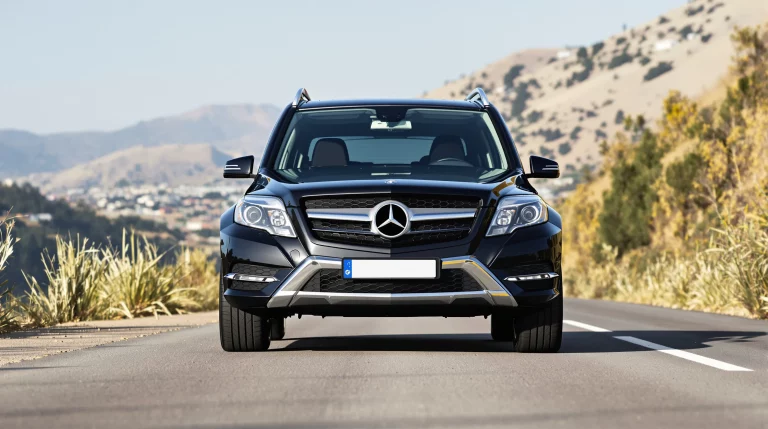
Credit: rerev.com
Where To Find Reliable Glk 350 Information
Always use trusted sources for car reviews and reliability data. The National Highway Traffic Safety Administration (NHTSA) and Consumer Reports offer detailed information.
For more details, visit Consumer Reports.
Non-obvious insight: Joining a GLK owner’s forum can help you find real-world advice, DIY repair guides, and even good deals on parts.
Frequently Asked Questions
What Is The Worst Year For The Mercedes Glk 350?
The 2010 GLK 350 is widely considered the worst year. It has more transmission and electrical problems than other years, plus higher repair costs and recalls.
Is The Glk 350 Expensive To Maintain?
Yes, GLK 350 maintenance costs are higher than average for SUVs. Older models (2010–2012) cost more due to frequent repairs. Later years (2014–2015) are less expensive, but still above average.
Can I Trust A High-mileage Glk 350?
You can trust a high-mileage GLK 350 only if it has a full service history, completed recalls, and no major issues. Always have a mechanic inspect it before buying.
What Should I Check Before Buying A Glk 350?
Check for leaks, warning lights, noises, recall history, and sunroof function. Ask for a detailed service record and get a pre-purchase inspection.
Are There Reliable Alternatives To The Glk 350?
Yes, the Mercedes GLC, Audi Q5, and BMW X3 are strong alternatives. They offer better reliability, newer features, and often lower ownership costs.
Final Thoughts
Buying a used Mercedes GLK 350 can be rewarding, but only if you avoid risky years. The 2010–2012 models have more problems and higher costs, while 2014 and 2015 are safer choices. Always check service records, recall completion, and inspect the car carefully. If you want fewer worries, consider a newer GLC or a reliable competitor.
With the right research and careful inspection, you can enjoy the style and comfort of a Mercedes SUV—without expensive surprises.