The Mercedes C-Class is often seen as the heart of the brand’s lineup—luxurious, sporty, and practical. For many, buying a used C-Class seems like a smart way to enjoy the prestige of Mercedes-Benz without paying the high price of a new model. But not every C-Class year offers the same reliability or value. Some years come with hidden problems that can quickly turn a dream car into a costly headache.
If you’re thinking about buying a used C-Class, knowing which model years to avoid is essential. This guide will break down the specific years that are known for problems, explain what issues you might face, and help you make a smarter choice.
You’ll also learn about better years, how to spot red flags when shopping, and tips for buying a used luxury car.
Why Some Mercedes C-class Years Are Best Avoided
Not every C-Class is built the same. Over the years, Mercedes has released several generations, each with updates in technology, engines, and safety. Sometimes, these changes brought new issues. Early models can have different problems than newer ones, and some years stand out for especially high repair costs, recalls, or poor customer feedback.
Common reasons for avoiding certain years include:
- Poor reliability ratings from trusted sources
- Frequent mechanical or electrical problems
- Expensive repairs that add up quickly
- High numbers of recalls and technical service bulletins
- Customer complaints about performance, comfort, or build quality
It’s important to remember that even within a “bad year,” not every car will have problems. However, your chances of running into trouble are higher.
Mercedes C-class Generations Overview
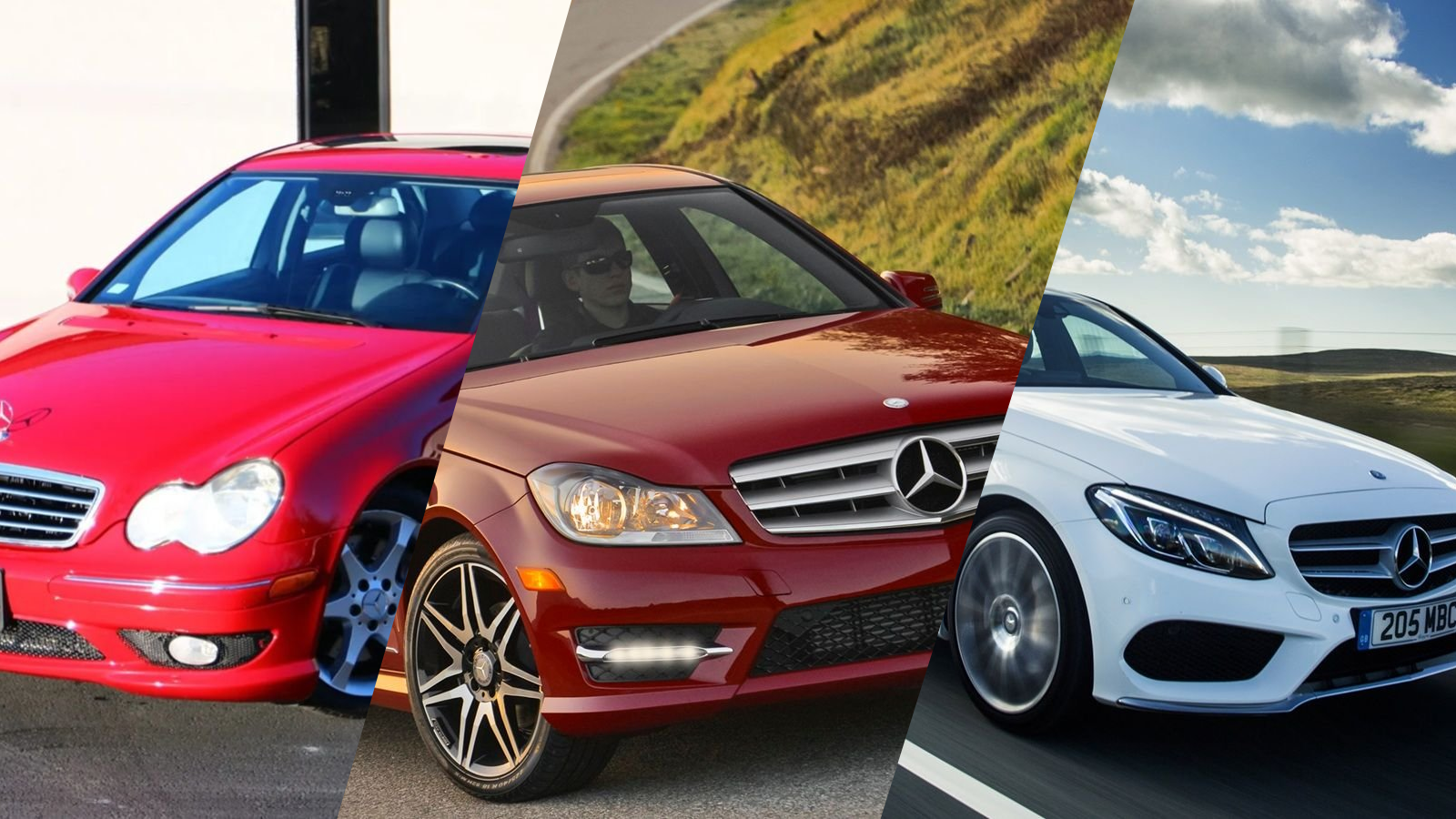
Before looking at specific years, it helps to understand the main C-Class generations. Mercedes redesigns the C-Class every 6–8 years, and each generation has unique traits.
| Generation | Years | Chassis Code | Key Features |
|---|---|---|---|
| First (W202) | 1994–2000 | W202 | Classic styling, early electronics |
| Second (W203) | 2001–2007 | W203 | More tech, comfort features |
| Third (W204) | 2008–2014 | W204 | Modern design, new engines |
| Fourth (W205) | 2015–2021 | W205 | Luxury focus, advanced safety |
| Fifth (W206) | 2022–present | W206 | Hybrid options, latest tech |
Each generation has its strong and weak years, which we’ll cover in detail.
Credit: www.copilotsearch.com
Mercedes C-class Years To Avoid
Some C-Class years show up again and again in consumer complaints, recall lists, and mechanic reports. Below, you’ll find the key years to be cautious about, along with the main problems for each.
1. 2001–2007 (w203) — Most Problematic Years: 2001, 2002, 2003, 2006
The second generation (W203) is often remembered for reliability issues, especially in the early years.
Why to avoid:
- Electrical system failures: Owners often report problems with the central command unit, window regulators, and sensors. These electrical gremlins can be expensive to diagnose and fix.
- Rust issues: Surprisingly, many 2001–2003 models suffer from rust, especially around wheel arches and door bottoms. This is unusual for a modern luxury car and can lead to costly bodywork.
- Transmission problems: Automatic transmissions in these years sometimes fail before 100,000 miles. Symptoms include rough shifting or slipping gears.
- Balance shaft gear failures: In 2006 models, especially those with the M272 V6 engine, the balance shaft gear can wear out early, requiring an engine teardown.
Notable recalls and complaints:
- Airbag and seatbelt recalls were common.
- Consumer Reports and other surveys rank these years below average in reliability.
Pro tip: Even well-maintained W203s from these years can develop sudden electrical or rust issues. Budget extra for possible repairs if you buy one.
2. 2008–2011 (w204) — Avoid Early Years: 2008, 2009, 2011
The third generation (W204) improved on many issues, but the first few years introduced new problems.
Why to avoid:
- Steering system failures: The 2008 and 2009 C-Class had issues with the steering column lock and power steering pump.
- Fuel system leaks: Some 2011 models have been recalled for fuel leaks, which can be a fire risk.
- Timing chain tensioner issues: Early W204s, especially with the M271 engine, can suffer from timing chain failures. These are expensive to repair and can ruin the engine.
- Interior quality complaints: Owners mention that the interior materials in these years feel cheap and wear out quickly.
Notable recalls and complaints:
- 2008 and 2009 models had a high number of NHTSA complaints about steering and brakes.
- Mercedes-Benz issued technical service bulletins for timing chain problems.
Pro tip: Later W204s (2012–2014) are much improved. If you want a third-generation C-Class, skip the early years.
3. 2015 (w205) — First Year Trouble
The fourth generation (W205) launched with a bold new look and lots of technology, but the 2015 model year had teething problems.
Why to avoid:
- Infotainment and electronics glitches: The new touchpad and COMAND system often freeze, reboot, or lose Bluetooth connection.
- Engine stalling and fuel pump failures: Some 2015 models, especially with the turbocharged four-cylinder engine, have fuel pump issues leading to sudden stalling.
- Build quality complaints: Owners have reported rattles, loose trim, and misaligned panels—unusual for a Mercedes.
- Air conditioning failures: The first-year model can have faulty compressors, leading to expensive AC repairs.
Notable recalls and complaints:
- Several recalls for airbags, seat belts, and engine components.
- J.D. Power reliability ratings for 2015 are much lower than later W205 years.
Pro tip: First-year models often have bugs. For the W205, waiting for the 2016 refresh is a safer bet.
4. 2017–2018 (w205) — Turbo And Electrical Issues
While these years are not as widely criticized as earlier ones, they have two common issues worth noting.
Why to avoid:
- Turbocharger failures: Some 2017 and 2018 C300 models have reports of turbocharger failure before 60,000 miles. This is a costly repair, often over $3,000.
- Electrical sensor failures: Owners report problems with parking sensors, lane assist, and rear-view cameras. These systems are expensive to troubleshoot.
Notable recalls and complaints:
- Recalls for steering, airbags, and electronic stability control.
- Reliability ratings are average, but repair costs are higher than similar luxury cars.
Pro tip: If you’re set on a newer W205, check the service history for turbo and sensor repairs.
5. 2006–2007 (w203) — Engine And Transmission Headaches
These later W203 models are sometimes seen as safer than earlier years, but engine and transmission problems still appear.
Why to avoid:
- Balance shaft gear issues: The M272 V6 (2006–2007) can need a costly repair that involves removing the engine.
- Transmission control module failures: This can cause the car to go into “limp mode,” making it unsafe to drive.
Pro tip: If you see a C-Class from these years with the V6 engine, ask for proof the balance shaft gear has been replaced.
Common Mercedes C-class Problems By Year
While the years above are the worst offenders, even other C-Class models can have issues. Here’s a quick look at the most common problems and when they tend to appear.
| Problem | Years Most Affected | Repair Cost Estimate |
|---|---|---|
| Rust | 2001–2003 | $1,000–$3,000 |
| Balance Shaft Gear Failure | 2006–2007 | $2,500–$5,000 |
| Timing Chain Failure | 2008–2011 | $1,800–$3,500 |
| Transmission Issues | 2001–2007, 2015 | $1,200–$4,000 |
| Turbocharger Failure | 2017–2018 | $2,500–$4,000 |
| Electrical System Faults | 2001–2003, 2015–2018 | $500–$2,000 |
Non-obvious insight: Certain problems, like balance shaft gear failure, are hard to spot during a regular test drive. Always ask for a full service history and consider a pre-purchase inspection by a Mercedes specialist.
Years Considered Safe Or Recommended
It’s not all bad news. Some C-Class years have a strong reputation for reliability, comfort, and lower ownership costs. Here’s a look at the best bets if you want a used C-Class.
Best Years By Generation
- W202 (1998–2000): These final years of the first generation are well-built and can run for hundreds of thousands of miles if maintained.
- W204 (2012–2014): Known for solid build quality, fewer engine issues, and updated tech. The 2013 and 2014 models, in particular, have high owner satisfaction.
- W205 (2019–2021): The last years before the new W206 are refined, reliable, and packed with features. Most early bugs were fixed by this time.
Pro tip: Look for CPO (Certified Pre-Owned) cars, which often come with extended warranties.
How To Spot Red Flags When Shopping
No matter which year you choose, checking the condition of a used C-Class is essential. Some problems are easy to miss if you don’t know where to look.
What To Check
- Rust: Inspect wheel arches, under the doors, trunk seams, and the underside. Mercedes rust can be hidden.
- Electrical system: Test all windows, mirrors, seat adjustments, lights, and the infotainment system. Watch for warning lights.
- Transmission: On a test drive, check for smooth shifts. Any hesitation, jerking, or “limp mode” is a red flag.
- Engine noise: Listen for rattling or ticking at startup (could mean timing chain or balance shaft issues).
- Service records: Ask for maintenance history. Gaps or missing records can signal trouble.
- Recalls: Check if all recall work has been done. You can use the Mercedes-Benz website for this.
Non-obvious tip: If the steering feels heavy or you hear whines when turning, the power steering pump may be failing—a common C-Class issue.
Repair And Maintenance Costs: What To Expect
Owning a Mercedes means higher repair bills compared to mainstream brands. Even safe years can be costly if something goes wrong.
| Service | Average Cost | Frequency |
|---|---|---|
| Oil Change | $120–$200 | Every 10,000 miles |
| Brake Pads & Rotors | $600–$1,200 | Every 30,000–50,000 miles |
| Transmission Service | $350–$700 | Every 40,000 miles |
| Timing Chain/Tensioner | $1,500–$3,000 | As needed (not routine) |
| Turbo Replacement | $2,500–$4,000 | As needed (rare) |
Expert tip: If you’re buying a C-Class out of warranty, set aside at least $2,000–$3,000 per year for unexpected repairs.
How Mercedes C-class Compares To Other Luxury Sedans
The C-Class is often compared to the BMW 3 Series, Audi A4, and Lexus IS. How does it hold up in terms of reliability and ownership costs?
- BMW 3 Series: Similar repair costs, but BMWs are more likely to have engine or cooling system issues.
- Audi A4: Known for electrical problems, but newer models are more reliable.
- Lexus IS: Generally more reliable and cheaper to maintain, but less sporty.
Insight: If reliability is your top concern, a Lexus IS or Acura TLX may be a better used luxury option. However, later C-Class models (2012–2014, 2019–2021) can offer a good balance of performance and dependability.
Should You Buy A High-mileage C-class?
Many C-Class models are still on the road with over 150,000 miles. But high mileage brings risk.
What Matters Most
- Service history: A well-documented C-Class with high miles is usually safer than a low-mile car with no records.
- Major repairs done: If the car has already had timing chain, transmission, or balance shaft work, it may last longer.
- Rust and electronics: These problems often appear with age, not just miles.
Pro tip: Avoid high-mileage W203 models unless you know the previous owner and trust the service history. W204 and W205 cars with solid records can be a good value.
Tips For Buying A Used Mercedes C-class
- Get a pre-purchase inspection: Always have a Mercedes specialist check the car before buying.
- Check for extended warranties: Some dealers offer third-party warranties, which can save you thousands.
- Avoid modified cars: Tuned or heavily modified C-Class cars are more likely to have hidden issues.
- Look for single-owner vehicles: These are often better maintained.
- Use VIN check services: This helps you spot accident history, odometer fraud, or open recalls.

Credit: www.youtube.com
What About Diesel And Amg Models?
C-Class diesels (such as the C220 CDI in Europe) are rare in the US but can be reliable if well maintained. However, diesel repairs are expensive and emissions issues are common.
AMG models (C43, C63) are performance beasts, but they cost even more to maintain. Only buy an AMG if you’re prepared for higher fuel, insurance, and service bills.
Insight: AMG and diesel models often require premium parts and expert mechanics, making them riskier for buyers on a budget.
Environmental And Fuel Economy Considerations
Newer C-Class models (especially from 2017 onward) offer better fuel economy and lower emissions. The W205 and W206 generations use smaller, turbocharged engines and even hybrid options.
- Older models (W202, W203): 18–24 mpg average
- W204 (2008–2014): 21–28 mpg average
- W205 (2015–2021): 24–33 mpg average
Tip: If you want the best mix of power and efficiency, look for a 2019–2021 C300 with the 2.0L turbo engine.
Credit: mbworld.org
How To Research Recalls And Service Bulletins
Before making a final decision, check for open recalls and technical service bulletins (TSBs) on your chosen year. These often highlight hidden problems not found in basic reviews.
- Visit the official NHTSA recall database for up-to-date recall info.
- Ask the seller for proof of recall repairs.
Pro insight: TSBs are not always free, but knowing about them can help you negotiate repairs or price.
Frequently Asked Questions
What Are The Worst Mercedes C-class Years For Rust Problems?
The worst years for rust issues are 2001–2003 (W203 generation). These models often develop rust around the wheel arches, doors, and trunk—sometimes even under the paint. Later years improved rustproofing, but always check carefully if buying an early 2000s C-Class.
Is It True That The 2015 C-class Has Lots Of Electrical Problems?
Yes, the 2015 C-Class (W205) is known for early electrical and infotainment glitches. Issues include the COMAND system freezing, Bluetooth disconnects, and failing backup cameras. Most were fixed by 2016, making later models a safer choice.
How Expensive Is It To Repair A Mercedes C-class?
Repair costs for the Mercedes C-Class are higher than mainstream brands. Expect to pay $1,500–$4,000 for major repairs like timing chain or transmission work. Routine maintenance (oil changes, brakes) also costs more. Extended warranties can help reduce risk.
Can I Buy A High-mileage C-class And Expect It To Be Reliable?
A high-mileage C-Class can be reliable if it has a full service history and major repairs have been done. However, electronics and rust become bigger risks as the car ages. Avoid high-mileage models from bad years (2001–2003, 2006–2007) unless you trust the seller.
Are Newer C-class Models (2019–2021) Safe To Buy Used?
Yes, the 2019–2021 C-Class (late W205) has a good reputation for reliability and build quality. Most early problems were fixed by this time. Still, check for a clean service history and ensure all recalls have been addressed.
Choosing the right Mercedes C-Class year makes a huge difference in your ownership experience. Avoid the years with known issues, check every car carefully, and don’t skip a pre-purchase inspection. With smart shopping, you can enjoy the luxury, comfort, and style of a Mercedes without the stress of constant repairs.