

Have you ever been driving and noticed an annoying rattling or clicking sound coming from your wheels? That loose hubcap sound can quickly turn from a minor nuisance into a distraction, making your drive less enjoyable and even raising concerns about your car’s safety.
But don’t worry—you’re not alone, and fixing this common issue is easier than you might think. You’ll discover why that noise happens, how to identify the cause, and simple steps you can take to stop the rattling for good. Keep reading to regain peace of mind and enjoy a quieter, smoother ride.

Credit: www.ebay.com
Common Causes
Loose hubcap sounds often point to specific issues with the hubcap or wheel parts. Identifying the common causes helps fix the noise quickly. Understanding these causes keeps your ride smooth and quiet.
Loose Lug Nuts
Lug nuts hold the wheel and hubcap tightly. If they become loose, the hubcap may rattle. Loose lug nuts create vibration and noise while driving. Regularly checking and tightening lug nuts prevents this problem.
Damaged Clips
Clips secure the hubcap to the wheel rim. Broken or worn clips fail to hold the hubcap firmly. This causes the hubcap to move and make noise. Replacing damaged clips stops the rattling sound.
Worn Retention Rings
Retention rings keep the hubcap locked in place. Over time, these rings wear out or break. Worn retention rings cannot hold the hubcap tightly. Replacing them restores a secure fit and stops noise.
Metal Hubcap Wear
Metal hubcaps may develop grooves or scratches on their clips or edges. These worn parts cause the hubcap to squeak or rattle against the wheel rim. Inspecting and repairing worn areas reduces the sound.
Diagnosing The Sound
Identifying the source of a loose hubcap sound requires careful steps. The noise often comes from the hubcap hitting the wheel or road. Diagnosing helps avoid further damage and keeps your drive smooth. Follow these simple checks to find the cause of the sound.
Test Without Hubcaps
Remove all hubcaps from the wheels. Take a short drive to listen for the sound. If the noise stops, hubcaps cause the issue. If it continues, the problem lies elsewhere. This test narrows down the source quickly.
Inspect Hubcap Condition
Look closely at each hubcap for cracks or damage. Check the clips that hold the hubcap in place. Broken or worn clips make the hubcap loose. Replace any damaged parts to prevent rattling and noise.
Check Lug Nut Tightness
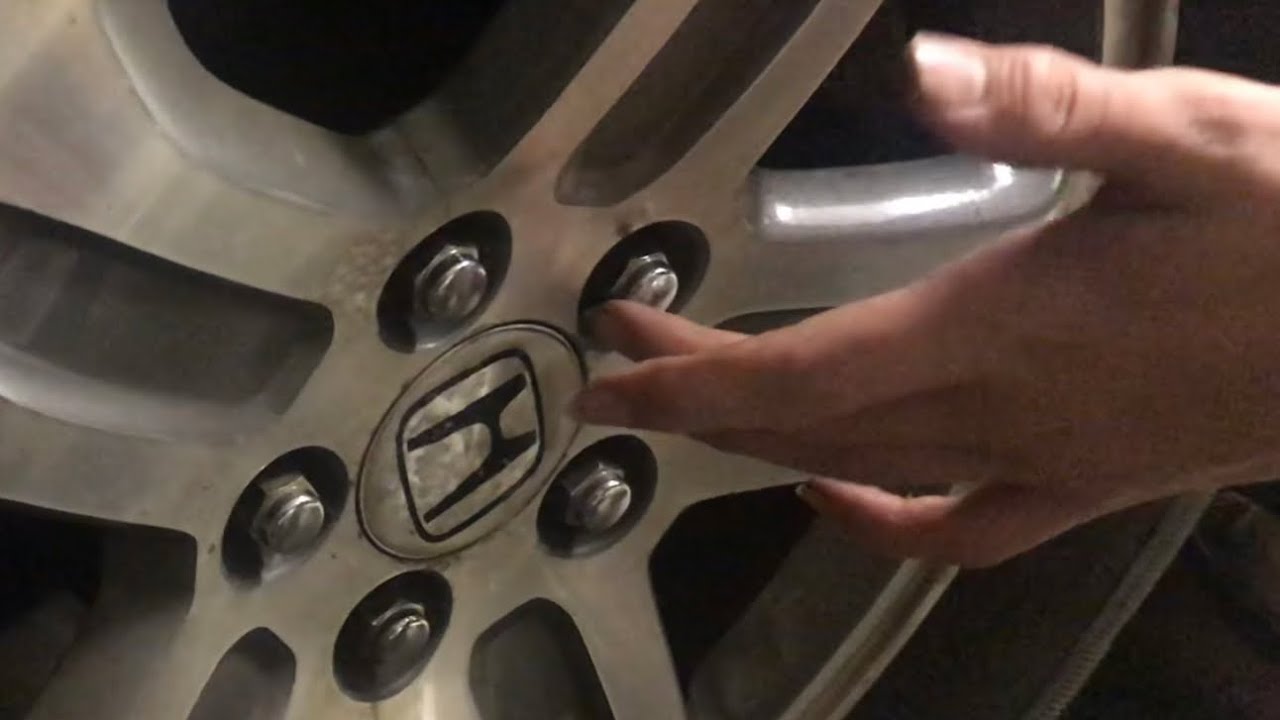
Loose lug nuts can cause the hubcap to rattle. Use a wrench to check if all lug nuts are tight. Tighten any that feel loose. Secure lug nuts keep the wheel and hubcap stable during driving.
Quick Fixes
Loose hubcaps often cause annoying sounds while driving. Quick fixes can stop the noise fast and save you money. These simple steps improve the fit of your hubcaps and reduce rattling. Try the following easy methods before considering replacements.
Add Foam Padding
Cut small strips of foam padding or weather stripping. Place them between the hubcap and wheel rim. This fills gaps and reduces movement. Foam absorbs vibrations that cause noise. It is a cheap and effective fix.
Use Double-sided Tape
Apply strong double-sided tape along the inside edge of the hubcap. This helps the hubcap stick firmly to the wheel. Tape tightens the fit and stops rattling. Make sure the surface is clean before applying the tape.
Adjust Clips With Pliers
Check the clips on the back of the hubcap. Use pliers to gently bend clips closer to the wheel. This secures the hubcap better and prevents looseness. Avoid bending too much to keep clips from breaking.
Secure Solutions
Loose hubcap sounds can be annoying and unsafe. Secure solutions help stop the noise and keep hubcaps in place. These easy fixes improve driving comfort and protect your wheels. Try simple methods to secure your hubcaps firmly.
Small adjustments prevent rattling and save money on repairs. Use tools and materials you likely have at home. Follow these steps to secure your hubcaps quickly and effectively.
Apply Zip Ties
Zip ties are a strong and cheap way to hold hubcaps tight. Wrap a zip tie around the hubcap clips and the wheel spokes. Pull the tie tight to lock the hubcap in place. Cut off the extra length of the zip tie for a clean look. This method stops movement and stops the rattling sound. It works well for plastic and metal hubcaps.
Check the zip ties regularly and replace if they wear out. This simple fix keeps your hubcaps secure and quiet on the road.
Tighten Retention Rings
Retention rings hold the hubcap firmly against the wheel. Over time, they can loosen or bend, causing noise. Use pliers to gently squeeze the retention ring back into its original shape. This tightens the hubcap and stops it from moving. Avoid squeezing too hard to prevent damage.
Inspect the retention rings for cracks or breaks. Replace any damaged rings to ensure a snug fit. Tightening these rings reduces gaps and prevents the hubcap from rattling during driving.
When To Replace
Knowing when to replace a loose hubcap is important for your vehicle’s safety and quiet ride. Hubcaps protect your wheels and add style. Over time, they can crack, break, or cause noises that need attention. Replacing them at the right time prevents further damage and stops annoying sounds.
Cracked Or Broken Hubcaps
Cracks or breaks in a hubcap reduce its ability to stay secure. Damaged hubcaps can fall off while driving. This causes rattling or clinking sounds. Replace any hubcap that shows visible cracks or pieces missing. This keeps your wheels safe and noise-free.
Severe Rattling Issues
Strong rattling noises often mean the hubcap no longer fits well. Loose clips or worn grooves can cause the hubcap to shake. If padding or tightening clips does not stop the sound, replacement is needed. A new hubcap will fit snugly and stop the noise.

Credit: www.ebay.com
Prevention Tips
Preventing loose hubcap sounds saves hassle and keeps your drive quiet. Small checks can stop rattling before it starts. Hubcaps need care like other car parts. Follow these tips to keep them secure and noise-free.
Regular Inspections
Look at your hubcaps often. Check for cracks, breaks, or loose clips. Make sure the hubcap fits snugly on the wheel. Catching problems early avoids noises on the road. A quick visual check can prevent bigger issues later.
Proper Installation
Put hubcaps on carefully. Align the clips with the wheel rim. Press firmly but gently until they snap in place. Avoid forcing them, which can break clips. Correct installation keeps hubcaps tight and quiet.
Routine Lug Nut Checks
Tighten lug nuts regularly with a wrench. Loose lug nuts cause hubcaps to wobble or fall off. Use the right torque to avoid damage. Tight lug nuts hold the wheel and hubcap firmly together. This simple step prevents rattling sounds.
Professional Help
Professional help is key to fixing a loose hubcap sound safely and effectively. Experts have the right tools and knowledge to find the root cause. They check not only the hubcap but also related parts that may cause noise. This ensures a lasting solution and peace of mind while driving.
Mechanic Inspection
A mechanic inspects the hubcap and wheel thoroughly. They look for signs of damage or wear on the clips and rim. Loose or missing clips can make the hubcap rattle loudly. The mechanic also tests the hubcap fit to ensure it sits securely on the wheel.
They may remove and reinstall the hubcap to check for any unusual movement. The inspection helps identify if the noise comes from the hubcap or other wheel parts. This detailed check prevents future problems and unsafe driving conditions.
Brake And Wheel Checks
Loose hubcap sounds can sometimes mask deeper issues with brakes or wheels. Professionals inspect brake components like pads, rotors, and calipers for wear or looseness. They also check the wheel lug nuts to ensure they are tight and secure.
Loose lug nuts cause rattling noises similar to a loose hubcap. Mechanics tighten or replace lug nuts as needed. They also examine the wheel for damage, bends, or cracks that might cause noise. These checks improve vehicle safety and stop unwanted sounds.
Credit: www.youtube.com
Frequently Asked Questions
What Do Loose Hubcaps Sound Like?
Loose hubcaps produce rattling, clicking, or squeaking sounds while driving. These noises come from vibrations and gaps between the hubcap and wheel.
How To Make Hubcaps Stop Rattling?
Check and tighten loose lug nuts first. Add foam or weather stripping between hubcap and wheel. Secure clips with pliers or use double-sided tape. Use zip ties through spokes for extra hold. Replace damaged hubcaps to stop rattling effectively.
Can You Drive With A Loose Hubcap?
Driving with a loose hubcap is possible but not safe. It may fall off or cause noise. Secure or replace it promptly to avoid damage and distraction.
Why Does It Sound Like Something Is Loose By My Tire?
A loose sound by your tire often comes from loose lug nuts, damaged hubcaps, or worn clips. Check and tighten them.
What Causes A Loose Hubcap To Make Noise?
Loose hubcaps rattle due to worn clips, missing retention rings, or loose lug nuts.
Conclusion
A loose hubcap sound can be annoying and distracting while driving. Checking your lug nuts and hubcap clips helps find the cause quickly. Simple fixes like foam padding or zip ties can stop the noise. Regularly inspect hubcaps to avoid damage and rattling sounds.
Taking care of this small issue improves your driving comfort. Don’t ignore strange noises; a quiet ride feels safer and more pleasant.