

The Lexus LS Years to Avoid: Essential Guidance Before You Buy
The Lexus LS has a strong reputation for luxury, comfort, and long-term reliability. Many owners praise its smooth ride and advanced features, making it a popular choice among used luxury sedans. However, not every LS year delivers the same trouble-free experience. Some model years have faced recurring problems, higher maintenance costs, or design flaws that affect ownership satisfaction.
If you’re thinking about buying a used Lexus LS, knowing which years to avoid can save you money, frustration, and time in the repair shop. This guide takes a close look at the LS’s history, highlights years with repeated problems, and explains why certain models stand out as less reliable. You’ll also find tips for smart shopping and common mistakes first-time buyers make.
Whether you’re a first-time Lexus shopper or an experienced car enthusiast, this article gives you the details you need to make a confident decision on your next luxury sedan.
Understanding The Lexus Ls Legacy
The Lexus LS, which stands for Luxury Sedan, launched in 1989 and quickly set new standards for comfort and quality. It was Toyota’s answer to the dominant German sedans, and for many years, the LS was known as one of the most reliable luxury cars you could buy.
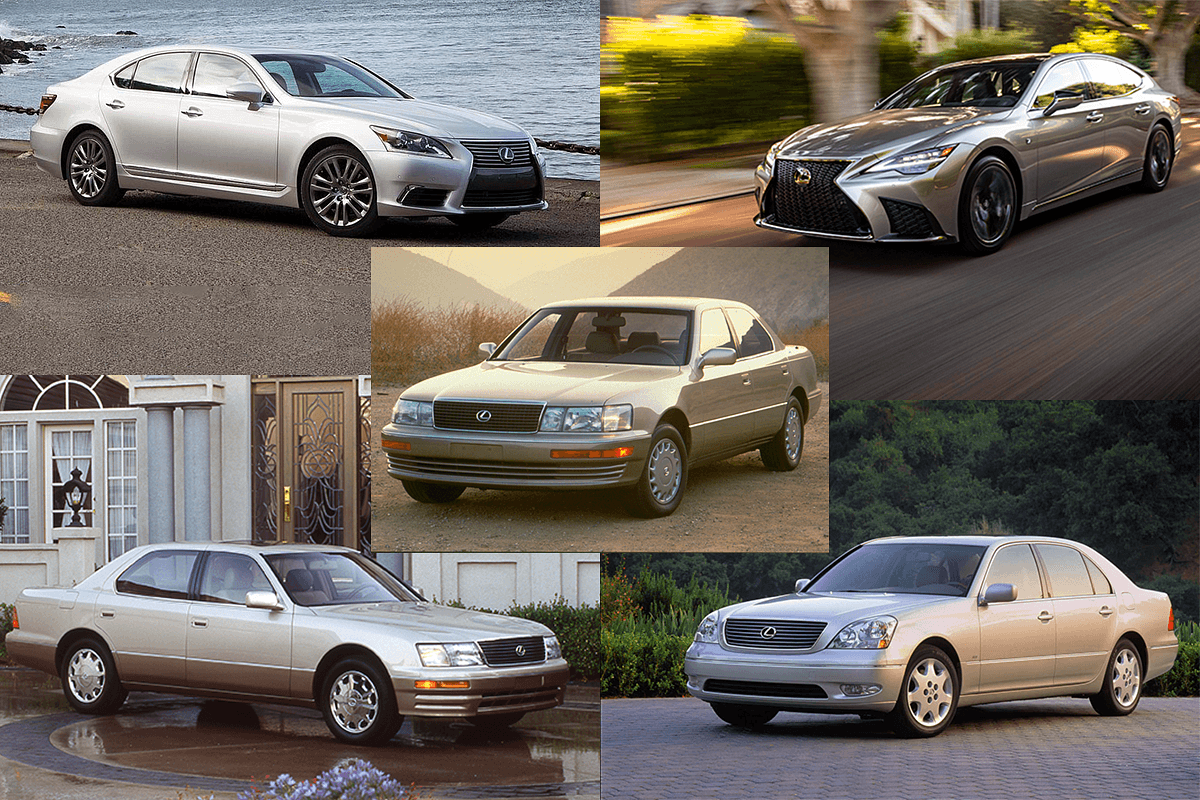
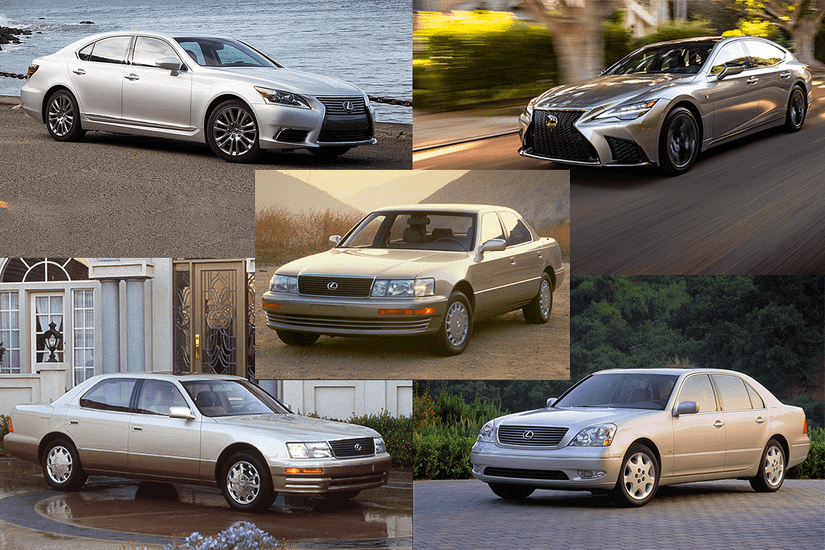
The LS has gone through five generations:
- First Generation (LS 400): 1990–1994
- Second Generation (LS 400): 1995–2000
- Third Generation (LS 430): 2001–2006
- Fourth Generation (LS 460/LS 600h): 2007–2017
- Fifth Generation (LS 500/LS 500h): 2018–present
Most years have proven very dependable, but a few stand out for recurring issues. Understanding the design changes, new technologies, and recalls in each generation helps buyers avoid costly mistakes.
Key Criteria For Identifying Years To Avoid
Not every complaint is a dealbreaker. To identify years to avoid, we look at:
- Number of owner complaints (especially repeated problems)
- Frequency of expensive repairs
- Major recalls and TSBs (Technical Service Bulletins)
- Reliability ratings from trusted sources (like Consumer Reports, J.D. Power)
- Cost of ownership—including parts and labor
It’s also important to note that some problems are more serious than others. For example, a faulty infotainment system is annoying but not dangerous. Engine or transmission failures, on the other hand, can lead to huge bills and safety risks.
Lexus Ls Years To Avoid: The Problem Years Explained
Let’s look at the Lexus LS years you should avoid and why these models are less reliable.
2007–2008 Lexus Ls 460
The 2007 model year marked the start of the fourth generation. Lexus introduced a new engine, advanced electronics, and an updated transmission. Unfortunately, these changes led to several serious problems.
Common Issues:
- Transmission hesitation: Many owners reported jerky shifting, lag, and rough downshifts. Some needed a total transmission replacement.
- Engine problems: Reports of excessive oil consumption and engine knocking.
- Air suspension failures: Costly to repair, with many units failing before 100,000 miles.
- Melting dashboards: The dashboard material can become sticky and shiny, affecting appearance and safety.
Why Avoid: Repairs for the transmission or air suspension can cost thousands. Even if you find a cheap LS 460 from these years, you may pay much more later.
2010 Lexus Ls 460
After some improvements, Lexus faced a new challenge in 2010.
Common Issues:
- Steering recall: A major recall affected the steering system, which could lose power or control.
- Electronics glitches: Owners experienced issues with navigation, parking sensors, and other advanced features.
- Continued air suspension concerns
Why Avoid: The steering recall was serious enough for Lexus to issue a stop-sale order. Some cars were fixed, but not all repairs are perfect.
2008–2009 Lexus Ls 600h
The LS 600h was a hybrid luxury sedan packed with technology. While advanced, it was not trouble-free.
Common Issues:
- Hybrid battery failure: Some units failed before 120,000 miles, costing over $5,000 to replace.
- Complex electronics: Multiple systems (air suspension, infotainment, steering) could fail.
- Expensive repairs: Even basic parts cost more than on regular LS models.
Why Avoid: Unless you have a service history and warranty, the repair costs can be much higher than the car’s value.
2018–2019 Lexus Ls 500
The fifth-generation LS brought a total redesign, but early models had teething problems.
Common Issues:
- Ride quality complaints: Many buyers found the ride harsh, especially with large wheels or run-flat tires.
- Transmission jerks: The new 10-speed automatic was not always smooth.
- Infotainment system bugs: Slow or unresponsive touchscreen controls.
Why Avoid: Later model years fixed many problems. Early LS 500s are best avoided unless you can confirm all issues have been addressed.
Data Comparison: Lexus Ls Problem Years Vs. Best Years
To understand the difference, here’s a comparison of key problem areas between the “avoid” years and the best-rated LS years.
| Model Year | Major Issues | Estimated Repair Cost | Owner Complaints (per 1000 sold) | Reliability Rating (out of 5) |
|---|---|---|---|---|
| 2007 LS 460 | Transmission, suspension, electronics | $3,000–$8,000 | 85 | 2.5 |
| 2008 LS 600h | Hybrid battery, electronics | $4,000–$10,000 | 62 | 2.7 |
| 2010 LS 460 | Steering, suspension, infotainment | $2,500–$7,000 | 50 | 3.0 |
| 2013 LS 460 | Minor electronics | $1,200–$2,500 | 12 | 4.5 |
| 2017 LS 460 | Minimal | $1,000–$2,000 | 8 | 4.7 |
As the table shows, problem years have higher repair costs and lower reliability ratings. Later years (2013 and 2017) are much better bets.
Common Problems In Lexus Ls “avoid” Years
It’s helpful to dig deeper into the most frequent and expensive issues seen in the worst LS years.
Transmission Problems
Transmission hesitation and rough shifting affect the 2007–2010 LS 460 most. Owners describe a delay when accelerating, sudden gear changes, or a “clunk” when shifting. The cause is often a faulty transmission control module or internal wear. Some units require a full rebuild or replacement, costing $4,000–$7,000.
Air Suspension Failure
Many LS models with air suspension offer a smooth ride but can suffer from compressor or airbag failures. The 2007–2010 LS 460 and LS 600h are most affected. When the air suspension fails, the car may sit unevenly or ride harshly. Repairs can cost $2,000–$5,000 per axle.
Melting Dashboards
Some 2007–2012 LS models are known for dashboards that melt or become sticky in heat. This is more than cosmetic; the shiny surface can reflect sunlight and affect visibility. Replacing the dashboard costs $1,500–$2,500.
Hybrid Battery Issues
The LS 600h’s hybrid battery is advanced but can fail before 120,000 miles. Replacements are expensive, and used batteries are risky. Symptoms include warning lights, poor acceleration, and reduced fuel economy.
Steering System Recalls
The 2010 LS 460 had a recall for steering system faults. Some cars experienced loss of steering control, especially during slow turns. Lexus performed repairs, but not all vehicles were fixed correctly.
Why Lexus Ls “best Years” Stand Out
While it’s important to know which years to avoid, understanding what makes the best LS years reliable helps buyers make better choices.
- Proven engineering: Best years use engines and transmissions with fewer changes and known durability.
- Fewer recalls: These models have minimal recalls or only minor issues.
- Lower cost of ownership: Routine maintenance is more predictable, and parts are widely available.
- High owner satisfaction: Surveys and forums show owners keep these LS models for 200,000+ miles.
Some of the top-rated years include 2013, 2015, and 2017 for the LS 460, which combine luxury features with proven reliability.
Credit: carbuzz.com
Used Lexus Ls: What To Check Before You Buy
Even in “avoid” years, a well-maintained LS can be a good value. Here are steps to protect yourself:
- Check service history: Only consider cars with full maintenance records. Avoid LS models with missed oil changes or overdue repairs.
- Inspect air suspension: Look for uneven ride height, warning lights, or clunking noises over bumps.
- Test the transmission: Take a long test drive. Watch for hesitation, harsh shifts, or odd noises.
- Review recall repairs: Make sure all recalls were performed at a Lexus dealer.
- Hybrid battery check (LS 600h): Ask for a battery health report. Avoid cars with warning lights or unverified battery replacements.
- Examine the dashboard: Check for sticky, shiny, or cracked surfaces.
If you’re not comfortable checking these items yourself, a pre-purchase inspection by a Lexus specialist is worth the investment.
Buyer Mistakes When Shopping For A Used Lexus Ls
Many first-time luxury buyers make avoidable mistakes. Here are the most common:
- Ignoring service history: A “cheap” LS with missing records is likely to cost more later.
- Overlooking expensive options: Air suspension and hybrid batteries are costly when they fail.
- Assuming all Lexus models are reliable: Most are, but the LS has some exceptions.
- Skipping a test drive: Always drive the car in different conditions—city, highway, bumps.
- Focusing only on price: The lowest-priced LS is rarely the best value.
Credit: carbuzz.com
Cost Of Ownership: Problem Years Vs. Reliable Years
Let’s compare the annual cost of ownership between an “avoid” year and a “best” year.
| Year | Average Purchase Price (Used, 2024) | Annual Maintenance & Repairs | Expected Major Repairs (5 Years) | Total 5-Year Ownership Cost |
|---|---|---|---|---|
| 2007 LS 460 | $9,000 | $1,800 | $7,000 | $25,000 |
| 2017 LS 460 | $25,000 | $900 | $2,000 | $31,500 |
While the older model is cheaper to buy, higher repair costs can erase the savings.
Real-world Owner Experiences
Reading owner stories helps spot patterns. Here are some examples:
- 2007 LS 460 owner: “Bought at 110,000 miles. At 120,000, the transmission started to slip. Dealer wanted $6,500 to fix. Sold the car instead.”
- 2010 LS 460 owner: “Loved the features, but the steering recall gave me trouble. Even after the fix, it didn’t feel right.”
- 2017 LS 460 owner: “Had for four years, only oil changes and brakes. Still drives like new at 90,000 miles.”
These experiences highlight why research and patience matter when shopping for an LS.
Lexus Ls Reliability: How It Compares To Rivals
How does the LS stack up against competitors like the Mercedes-Benz S-Class, BMW 7 Series, and Audi A8?
| Model | Overall Reliability (out of 5) | Common Issues | Average Repair Cost (5 Years) |
|---|---|---|---|
| Lexus LS (Best Years) | 4.5 | Minor electronics | $5,500 |
| Mercedes S-Class | 3.0 | Air suspension, electronics, engine | $9,000 |
| BMW 7 Series | 2.8 | Engine, transmission, electronics | $10,500 |
| Audi A8 | 3.2 | Electrical, air suspension | $8,500 |
Even in “avoid” years, the LS often fares better than its German rivals, but repair costs can still be steep.
How To Find A Reliable Lexus Ls
To get a great LS and avoid problem years, follow these steps:
- Target 2013–2017 LS 460 models: These years are consistently reliable.
- Check for CPO (Certified Pre-Owned): Lexus CPO cars come with warranties and strict inspections.
- Review owner forums: Sites like ClubLexus and Edmunds provide real-world feedback.
- Get a VIN history report: Services like Carfax or AutoCheck show accident and service records.
- Work with a specialist: A Lexus-trained mechanic can spot hidden issues.
Non-obvious Insights Most Buyers Miss
- Check for TSBs, not just recalls: Technical Service Bulletins (TSBs) cover common problems dealers know about but may not recall. Ask if all TSBs were addressed.
- Hybrid system warranties: On the LS 600h, the hybrid battery may be covered for up to 10 years or 150,000 miles in some states. This can save you thousands if still valid.
Should You Ever Buy An “avoid” Year?
It’s not always black and white. If you find a well-documented LS from an “avoid” year with all repairs completed (especially a new transmission or battery), it could still be a good buy—at the right price. However, be prepared for possible higher costs and budget for repairs.
Lexus Ls: What Makes It Special When You Get The Right Year
When you choose a reliable LS, you’re rewarded with:
- A smooth, quiet ride
- High-quality materials and build
- Long-term reliability
- Strong resale value
- Advanced safety and comfort features
This is why the LS is still a favorite among car enthusiasts and luxury buyers.
When To Walk Away
If the car shows multiple warning lights, has missing records, or rides unevenly, it’s best to move on. There are plenty of well-kept LS models out there; don’t settle for a risky one just to save money up front.
Where To Research Further
For more technical details, you can check the official Lexus LS Wikipedia page, which gives a full history of the model and its features.
Frequently Asked Questions
What Are The Worst Lexus Ls Years To Avoid?
The worst years are 2007–2008 LS 460, 2010 LS 460, and 2008–2009 LS 600h. These models suffer from major transmission, suspension, hybrid battery, and steering problems that lead to high repair bills and lower reliability.
Is The Lexus Ls Generally A Reliable Car?
Yes, the Lexus LS is known for reliability, especially in its best years (2013–2017 for the LS 460). However, certain years have more problems and should be avoided unless you have proof of repairs and maintenance.
How Expensive Are Repairs On Problem Years?
Repairs can be very expensive. For example, a transmission replacement can cost $4,000–$7,000, and air suspension fixes may run $2,000–$5,000 per axle. Hybrid battery replacement on the LS 600h can exceed $5,000.
What Should I Check Before Buying A Used Lexus Ls?
Check the service history, look for signs of air suspension or transmission problems, test all electronics, and verify that all recalls and TSBs have been completed. A pre-purchase inspection by a Lexus specialist is highly recommended.
Are Newer Ls Models (2018 And Later) Free From Problems?
Early fifth-generation LS models (2018–2019) had issues with ride quality and infotainment bugs. Later models improved, but it’s wise to test drive carefully and check for updates before buying.
Buying a Lexus LS can be a rewarding experience if you know which years to avoid and what to look for in a used model. With the right research and a little patience, you can enjoy luxury, reliability, and peace of mind for years to come.

Credit: www.copilotsearch.com