If you rely on your vehicle’s performance, you know how important every part under the hood is—especially your oil filter. But what happens when your K&N oil filter starts causing problems?
Maybe you’ve noticed leaks, engine issues, or unusual wear. These issues can be frustrating and even costly if ignored. You’ll discover the common K&N oil filter problems, why they happen, and what you can do to protect your engine. Keep reading to make sure your ride stays smooth and your engine stays safe.
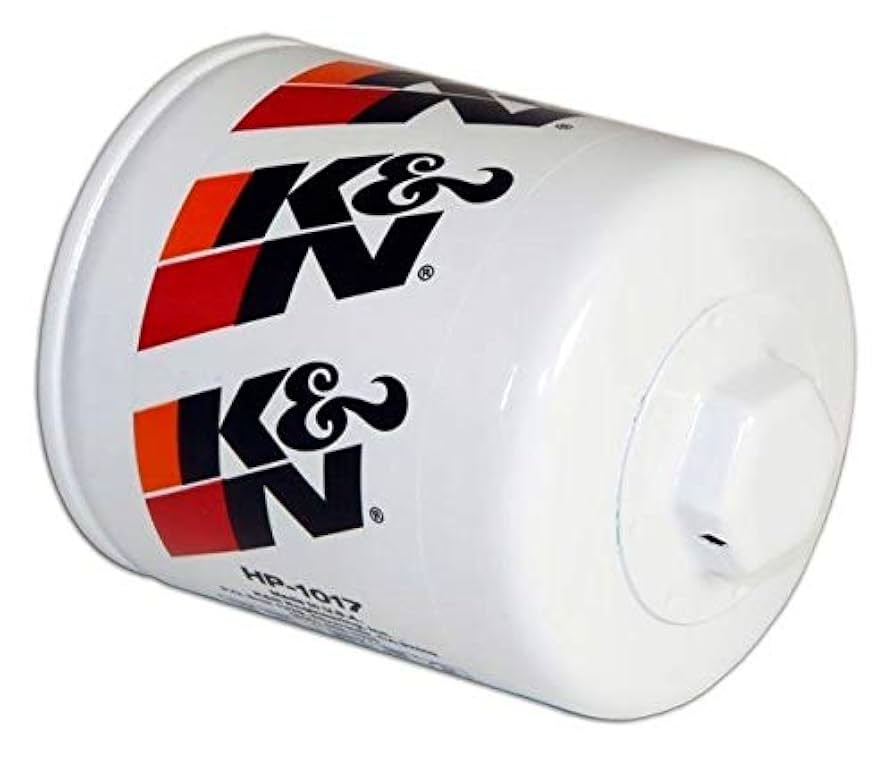
Credit: www.amazon.com
Common K&n Oil Filter Issues
K&N oil filters are popular for their reusability and performance benefits. Still, users sometimes face issues that affect engine protection. Understanding common problems helps maintain your vehicle better. The following sections discuss typical K&N oil filter issues that many drivers encounter.
Leaks And Seal Failures
Leaks often occur due to poor sealing between the filter and engine. The rubber gasket may wear out or not seat properly. This causes oil to escape, leading to low oil levels. Tightening the filter incorrectly can also damage the seal. Regular inspection ensures seals remain intact and leak-free.
Filter Media Breakdown
K&N filters use cotton gauze media for better airflow. Over time, this media can degrade or tear. Damaged media reduces filtration efficiency, allowing contaminants into the engine. Excessive use without proper cleaning speeds up this breakdown. Replace the filter if media damage appears to avoid engine harm.
Improper Fitment Problems
Using the wrong K&N filter model causes fitment issues. Filters that do not fit snugly may loosen during engine operation. This leads to leaks or filter detachment. Always select the filter model that matches your vehicle’s specifications. Proper fitment ensures safe and effective oil filtration.
Oil Pressure Fluctuations
Some K&N filters may cause oil pressure changes. A clogged or overly restrictive filter reduces oil flow. This impacts engine lubrication and can trigger warning lights. Regular cleaning and timely replacement prevent pressure drops. Monitoring oil pressure keeps the engine running smoothly.
Credit: www.thetriumphforum.com
Causes Behind Filter Failures
Oil filters play a key role in protecting your engine by trapping dirt and debris. K&N oil filters are popular for their reusability and performance benefits. Yet, these filters can sometimes fail, causing engine problems. Understanding the causes behind filter failures helps prevent damage and maintain engine health.
Over-oiling Effects
K&N filters require oil to trap particles effectively. Too much oil can cause problems. Excess oil may clog the filter or leak into the engine. Over-oiling can also harm the mass airflow sensor. This sensor is critical for engine performance. Over-oiling reduces filter efficiency and may lead to engine damage.
Compatibility With Vehicle Models
Not all K&N filters fit every vehicle perfectly. Using the wrong model can cause leaks or poor sealing. A bad fit allows unfiltered oil to reach the engine. Always check the filter’s compatibility with your vehicle. Installing the correct filter model ensures proper function and protection.
Installation Mistakes
Incorrect filter installation is a common cause of failure. Over-tightening can damage the filter or its gasket. Under-tightening may cause oil leaks. Dirt or debris on the sealing surface reduces effectiveness. Follow the manufacturer’s instructions carefully during installation. Proper installation prevents leaks and filter damage.
Wear And Tear Over Time
Oil filters wear down with use. The filter media can become clogged or damaged. Rubber gaskets may harden and crack. Regular filter replacement is necessary to maintain engine protection. Ignoring filter age increases the risk of failure and engine issues.
Impact On Engine Performance
The impact of K&N oil filter problems on engine performance can be significant. These filters are popular for their reusability and increased airflow. Yet, issues like over-oiling or improper filtration may harm engine health. Understanding these effects helps vehicle owners make informed choices.
Reduced Filtration Efficiency
K&N oil filters use cotton gauze instead of traditional paper. This design allows more oil flow but may trap fewer contaminants. Reduced filtration efficiency means dirt particles can enter the engine oil. Over time, these particles cause blockages and reduce lubrication quality. This leads to a less clean engine environment and potential damage.
Potential Engine Wear
Dirty oil harms engine parts by increasing friction and wear. When filters fail to trap debris, tiny metal particles scratch engine components. This causes faster wear on pistons, bearings, and cylinders. Engine life decreases, and repair costs rise. Proper filtration is crucial to protect your engine from premature wear.
Effects On Mass Airflow Sensor
K&N filters require oiling for proper function. Over-oiling can cause oil to drip into the air intake. This contaminates the mass airflow sensor (MAF). A dirty MAF sensor gives wrong air readings to the engine control unit. The engine runs inefficiently, losing power and fuel economy. Repeated damage may lead to sensor failure.
Performance Gains Vs Risks
K&N filters offer improved airflow, which can slightly boost horsepower. Some drivers enjoy the reusable design and long filter life. Yet, the risks include poor filtration and sensor damage. Weighing performance gains against these risks is vital. Regular maintenance and correct oiling reduce problems and protect engine performance.
Maintenance Tips For K&n Filters
K&N filters provide great airflow and performance benefits. Proper maintenance keeps them working well. Follow simple steps to avoid common problems and extend filter life.
Regular care helps prevent issues like oil over-application or clogged filters. Use the right tools and check the filter often. Clean and oil the filter carefully to maintain its efficiency.
Proper Cleaning Procedures
Remove the filter carefully to avoid damage. Use a K&N-approved cleaner to soak the filter. Let it sit for 10 minutes to loosen dirt. Rinse gently with low-pressure water from the clean side out. Avoid scrubbing or using harsh chemicals. Let the filter air dry completely before oiling.
Correct Oiling Techniques
Use only K&N filter oil for best results. Apply oil evenly along the filter pleats. Avoid over-oiling as it may harm the mass airflow sensor. Let the oil soak in for about 20 minutes. Add more oil only if dry spots remain. Proper oiling ensures good filtration and airflow.
Regular Inspection Frequency
Check the filter every 12,000 to 15,000 miles or more often in dusty conditions. Look for tears, holes, or excessive dirt buildup. Replace the filter if damaged or worn out. Frequent inspections prevent engine problems and maintain performance.
Using Genuine Cleaning Kits
Use K&N’s genuine cleaning and oiling kits only. These kits include specially formulated cleaner and oil. Other products might damage the filter or reduce its lifespan. Genuine kits ensure safe cleaning and proper filter care. Follow the kit instructions closely for best results.
Easy Fixes For Common Problems
Dealing with common K&N oil filter problems is simpler than it seems. Many issues arise from small mistakes during installation or wear over time. Quick fixes can prevent damage to your engine and keep your vehicle running smoothly. Understanding these easy solutions helps save time and money.
Replacing Worn Seals
Worn seals often cause oil leaks around the filter. Inspect the rubber gasket each time you change the filter. Replace any seal that looks cracked, brittle, or flattened. A new seal ensures a tight fit and stops leaks.
Reinstalling With Proper Torque
Over-tightening or under-tightening the filter can cause problems. Use a torque wrench to tighten the filter to the manufacturer’s specs. Proper torque prevents damage to the filter and the engine’s sealing surface. Always follow the recommended guidelines.
Addressing Oil Leaks Quickly
Oil leaks can damage engine parts if ignored. Check for leaks after installing a new filter. Tighten the filter or replace the seal if you spot any oil drips. Clean the area to monitor if the leak returns. Early action avoids costly repairs.
When To Replace The Filter
Replace the oil filter regularly to maintain engine health. Follow the vehicle’s service schedule or replace it every oil change. A clogged filter reduces oil flow and engine performance. Changing the filter on time keeps your engine clean and running well.

Credit: www.hayabusa.org
Choosing The Right K&n Filter
Choosing the right K&N oil filter is essential for your vehicle’s health and performance. A proper filter matches your engine’s needs and driving style. The wrong filter can cause problems like oil leaks or reduced filtration. This section guides you through key factors to pick the best K&N filter for your ride.
Matching Filter To Vehicle Specs
Start by checking your vehicle’s manual for filter specifications. K&N filters come in different sizes and ratings. Using one that fits your engine ensures proper oil flow and filtration. A mismatched filter can cause leaks or poor oil pressure. Always confirm the exact model number before buying.
Oiled Vs Non-oiled Options
K&N offers both oiled and non-oiled oil filters. Oiled filters use special oil to trap dirt better. They often provide higher filtration efficiency. Non-oiled filters require less maintenance and lower risk of over-oiling. Choose based on your comfort with filter care and your vehicle’s requirements.
Evaluating Reusability Needs
K&N filters are known for reusability. Some filters can be cleaned and reused many times. This saves money over the long term. Consider how often you want to replace your filter. If you prefer low maintenance, a disposable filter might suit you better. Think about your schedule and budget.
Considering Driving Conditions
Your driving environment affects filter choice. Dusty or off-road conditions demand stronger filtration. City driving with less dirt allows for standard filters. Also, extreme temperatures can impact filter performance. Select a filter designed for the conditions you face most often. This helps avoid premature wear or failure.
Alternatives To K&n Oil Filters
Choosing the right oil filter is important for engine health and performance. K&N oil filters have gained popularity, but some users face issues such as leaks or poor filtration. Exploring alternatives helps find filters that match your vehicle’s needs and budget. Below are some common options to consider.
Stock Paper Filters
Stock paper filters come standard in most vehicles. They provide reliable filtration and are easy to replace. These filters trap dirt and debris effectively, protecting the engine from damage. Paper filters are disposable and affordable, making them a practical choice for everyday use. They require no special maintenance and fit perfectly with your car’s design.
Other High-performance Brands
Several brands offer high-performance oil filters similar to K&N. Brands like Mobil 1, Bosch, and Fram focus on improved filtration and durability. These filters often use synthetic media to catch smaller particles. Some models include anti-drain back valves to keep oil pressure steady. They balance performance with protection, catering to drivers who want more than stock filters.
Pros And Cons Comparison
Stock paper filters excel in easy maintenance and good filtration but lack reusability. K&N filters offer reusability and better airflow but need careful cleaning and risk over-oiling. Other high-performance brands provide advanced filtration and durability but usually cost more than stock filters. Choosing depends on your priority: ease, performance, or long-term savings.
Cost Vs Benefit Analysis
Stock paper filters cost less upfront but require frequent replacement. K&N filters have a higher initial cost but save money over time due to reuse. Other brands fall between these two in price and lifespan. Consider how much time and effort you want to spend on filter care. Calculate expenses over years to find the best value for your needs.
Frequently Asked Questions
Are K&n Oil Filters Banned?
K&N oil filters are not banned. They are legal and widely used but require proper maintenance to avoid issues.
What Are The Pros And Cons Of K&n Filters?
K&N filters boost airflow and performance while being reusable, saving money long-term. They need careful cleaning and risk over-oiling. Filtration may be lower than stock filters, possibly causing engine wear in dusty conditions. Initial cost is higher than standard paper filters.
Can K&n Filters Damage Maf?
K&N filters can damage the MAF sensor if over-oiled during cleaning. Excess oil clogs and contaminates the sensor. Proper maintenance prevents this issue.
Are K&n Oil Filters Safe To Use?
K&N oil filters are generally safe and reusable, offering improved airflow and performance. Proper maintenance prevents issues like over-oiling. Some users report filtration concerns in dusty conditions, but they do not void warranties and save money long-term.
What Are Common K&n Oil Filter Problems?
K&N oil filters can leak, fail to seal, or cause oil pressure issues in some vehicles.
Conclusion
K&N oil filters offer benefits but come with some risks. Over-oiling can cause leaks and damage sensors. Their reusable design saves money but needs careful maintenance. Some filters may let more dirt into the engine, especially in dusty areas. Choosing the right filter depends on your driving conditions and care routine.
Regular checks help avoid common problems and keep your engine safe. Understanding these issues helps you make smart choices for your vehicle’s health. Stay informed and maintain your filter well for better performance.