

If you’re thinking about buying a used Kia Sportage, you’re not alone. This compact SUV is popular for its modern design, affordable price, and good features. But not every Kia Sportage is a smart buy. Some years have serious problems that can cost you thousands of dollars or leave you stranded on the side of the road. Before you make a decision, it’s important to know which Kia Sportage years to avoid and why.
In this guide, you’ll learn exactly which model years are risky, what common issues they have, and which years are better choices. You’ll also see real-world examples, expert advice, and tips for making a smart used car purchase. Whether you’re buying from a dealer or a private seller, this information will help you avoid expensive mistakes and find a Sportage you can trust.
Understanding Kia Sportage Generations
The Kia Sportage has been around since the 1990s, but it changed a lot over the years. Each new generation brought different designs, engines, and technology. Problems in one generation are not always found in others. Here’s a quick overview to help you understand which years belong to each generation:
| Generation | Model Years | Main Changes |
|---|---|---|
| First | 1995–2002 | Basic, truck-based, early reliability issues |
| Second | 2005–2010 | More modern, better comfort, still some engine problems |
| Third | 2011–2016 | Sleeker look, more safety features, new engines |
| Fourth | 2017–2021 | Improved ride, advanced tech, some engine/transmission issues |
| Fifth | 2023–Present | Fully redesigned, hybrid options, not enough long-term data yet |
When people talk about “Kia Sportage years to avoid,” most problems come from the second, third, and fourth generations. Let’s look closer at these and see which years you should be careful with.
Kia Sportage Years To Avoid: The Most Problematic Models
Not every used Sportage is a troublemaker. But some years have a high number of complaints, recalls, and expensive repairs. Based on owner reports, mechanic advice, and safety records, here are the Kia Sportage years you should think twice about:
- 2000–2002
- 2011–2013
- 2017–2019
Let’s break down why these years are risky.
1. 2000–2002 Kia Sportage
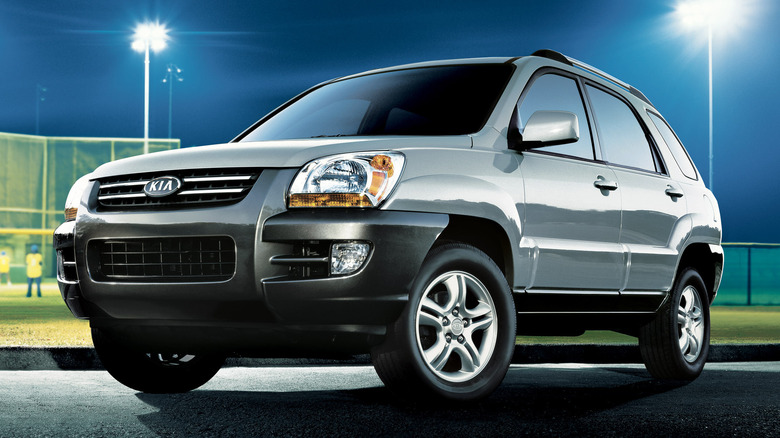
The earliest Sportage models (especially 2000–2002) are now very old, but you’ll still find some for sale at low prices. However, they are known for serious reliability issues.
- Engine stalling is a common problem. Many owners reported their Sportage would stop running without warning, creating a dangerous situation, especially at high speeds.
- Electrical system failures were frequent. Faulty wiring, dead dashboards, and non-working lights make these cars both annoying and unsafe.
- Rust is a big issue in these years, especially if the car spent time in colder states with salted roads.
- Poor crash test ratings make these years less safe in an accident.
Repairs can cost more than the car’s value. Even if you find a cheap one, you may spend more on fixing it than buying a newer, more reliable model. For these reasons, experts strongly suggest avoiding any 2000–2002 Kia Sportage.
2. 2011–2013 Kia Sportage
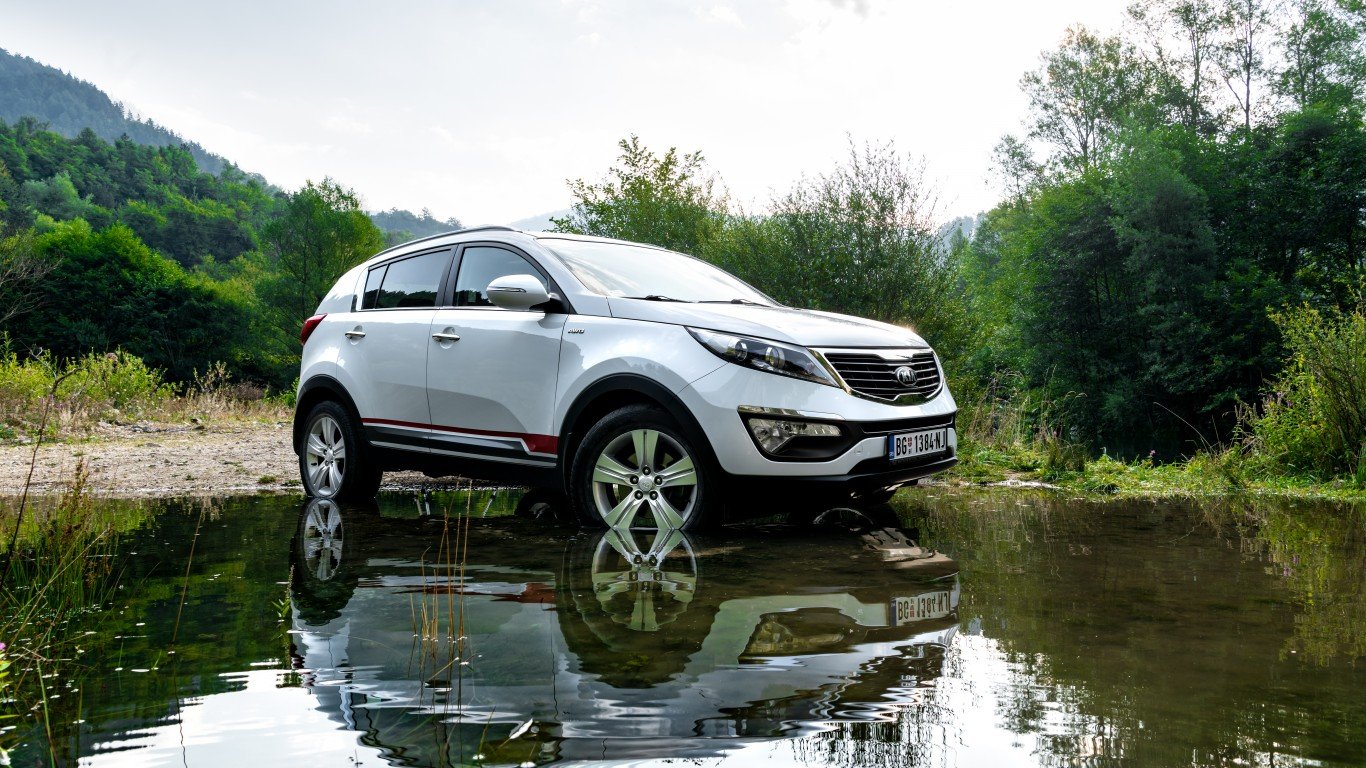
The 2011–2013 models belong to the third generation, which brought a new design and better features. But these years are famous for engine problems that can destroy the car.
- Engine failure is the number one issue. Thousands of owners reported their engines failed suddenly, often with little warning. This can happen as early as 60,000–80,000 miles.
- The most common cause is engine bearing failure. When this happens, the engine can seize up, and you’ll need a full replacement.
- Excessive oil consumption is another big complaint. Some owners found themselves adding a quart of oil every 1,000 miles or less.
- Warranty repairs helped many, but not all owners got help from Kia. Out-of-warranty repairs can cost $4,000–$7,000.
In 2017, Kia recalled over 618,000 vehicles (including Sportage) for engine fire risks linked to these failures. Still, not all engines are fixed, and buying a used one from these years is a gamble.
3. 2017–2019 Kia Sportage
The fourth generation brought a fresh look and better technology, but 2017–2019 models have their own set of concerns.
- Engine ticking or knocking is a common complaint. This can lead to engine failure if ignored.
- Some owners reported transmission hesitation and rough shifting, especially in 2017 and 2018.
- Electrical glitches (such as dead touchscreens and failing backup cameras) were also noted.
- Air conditioning failures happened in hot climates, sometimes due to faulty compressors.
While not as severe as the 2011–2013 engine issues, these problems can be expensive and frustrating. If you want a fourth-generation Sportage, 2020 and later models are generally safer choices.
Common Problems In Kia Sportage Years To Avoid
Understanding the main problems can help you spot a bad deal before you buy. Here are the most common issues found in the Sportage years to avoid:
Engine Issues
The engine is the heart of any car, and this is where many bad Sportage years have trouble.
- Engine failure: Sudden, total loss of power, usually due to bearing failure or oil starvation. Cost to replace: $4,000–$7,000.
- Knocking/ticking sounds: Early sign of internal damage.
- Excessive oil consumption: Burning through oil quickly, sometimes leading to low oil pressure and more damage.
- Engine fires: Linked to recalls, especially in 2011–2013 models.
Transmission Problems
A failing transmission means rough or delayed shifting, jerking, or total loss of movement.
- Hesitation: Car won’t move forward quickly when you press the gas.
- Hard shifts: Jerky transitions between gears.
- Transmission failure: Rare, but expensive to fix.
Electrical And Safety Issues
Modern cars have complex electrical systems, and bad years of the Sportage are no exception.
- Non-working dashboards: Gauges and lights stop responding.
- Infotainment glitches: Touchscreen freezes or goes blank.
- Backup camera failures: Safety risk when reversing.
Air Conditioning And Heating Failures
In hot or cold climates, this is more than just comfort—it’s a safety issue.
- AC compressors: Fail without warning, sometimes requiring full system replacement.
- Weak airflow: Common in high-mileage models.
Rust And Corrosion
Mostly a problem in older (pre-2005) Sportage models, but still worth checking in any used car.
How To Spot A Problematic Kia Sportage Before You Buy
Even if you know which years to avoid, not every car from a “bad year” is doomed. Some owners took great care of their vehicles, and some cars already had repairs done. Here’s how to protect yourself:
- Check the vehicle history report (like Carfax or AutoCheck). Look for records of regular maintenance, accidents, and major repairs.
- Ask for maintenance records. A well-documented service history is a good sign.
- Bring a trusted mechanic. Get a pre-purchase inspection before handing over your money.
- Listen for engine noise. Knocking, ticking, or loud rattling is a red flag.
- Test all electronics. Try every button, screen, and light inside the car.
- Drive the car. Notice how the engine, transmission, and brakes feel.
- Check for recalls. Make sure any open recalls are fixed. You can check your car’s VIN on the official NHTSA website.
Credit: www.slashgear.com
Kia Sportage Years That Are Safe To Buy
While some years are risky, others have a strong record for reliability and owner satisfaction. If you want a Sportage but want to avoid headaches, consider these years instead:
- 2007–2010: These second-generation models have fewer engine problems, especially after the 2007 update.
- 2015–2016: Late third-generation models saw improved engines and fewer complaints.
- 2020–2021: Fourth-generation models with updated engines and transmissions.
- 2023–present: The newest fifth-generation Sportage offers hybrid options and more advanced safety features. It’s too early for long-term data, but initial feedback is positive.
Here’s a quick comparison:
| Model Year | Reliability | Common Issues | Average Used Price |
|---|---|---|---|
| 2011 | Poor | Engine failure | $7,000–$10,000 |
| 2015 | Good | Minor electrical | $10,000–$13,000 |
| 2018 | Average | Transmission, AC | $15,000–$18,000 |
| 2020 | Very Good | Few reports | $20,000–$24,000 |
Real-world Owner Experiences
Hearing from real owners can help you understand what it’s like to live with a Sportage from a risky year.
- 2012 owner story: “At 78,000 miles, my engine started knocking. Dealer said it needed a new engine, $5,300. Kia wouldn’t help because I was out of warranty. I had to sell it for junk.”
- 2017 owner story: “The AC died in the middle of summer. Dealer said it was a compressor failure, and it cost over $1,200 to fix. It happened again a year later.”
- 2019 owner story: “My touchscreen froze often and wouldn’t show the backup camera. Dealer said it needed a software update, but it didn’t fix the problem.”
These stories show that even newer Sportages can have expensive issues.
Credit: 247wallst.com
Why Do These Problems Happen?
Many of the issues with Kia Sportage years to avoid are linked to design flaws or quality control mistakes during certain periods. For example:
- The 2011–2013 engine failures are connected to poorly manufactured bearings and oil passages.
- Transmission problems in 2017–2018 come from rushed changes to meet fuel economy standards.
- Electrical problems often result from cheaper wiring or connectors.
Kia has worked hard to improve quality in recent years, but used car buyers still need to be careful.
Cost Of Repairs: What To Expect
Repair costs can be a big surprise for used car buyers. Here’s what you might pay for common problems in risky Sportage years:
| Problem | Estimated Repair Cost | Years Most Affected |
|---|---|---|
| Engine replacement | $4,000–$7,000 | 2011–2013 |
| Transmission repair | $1,800–$3,500 | 2017–2018 |
| AC compressor | $900–$1,400 | 2017–2019 |
| Electrical issues | $200–$1,000 | Multiple years |
These prices are for parts and labor at a typical US repair shop. Costs can be higher at a dealer or in expensive cities.
Is It Ever Worth Buying A Sportage From A “bad” Year?
There are cases when it might make sense. For example:
- The car has full service records and proof of a new engine or other major repairs.
- The price is very low, and you’re comfortable with possible repairs.
- You’re buying as a short-term, backup vehicle.
But for most buyers, it’s less stressful and more cost-effective to choose a year with a better reliability record.
What To Do If You Already Own A Problematic Sportage
If you own a Sportage from a bad year, here’s what you can do:
- Stay on top of maintenance. Change oil often, fix small problems before they grow.
- Check for recalls. Repairs might be free if your car qualifies.
- Listen for warning signs. Strange noises, dashboard lights, or changes in performance mean you should see a mechanic right away.
- Consider selling or trading in before problems become expensive.
How Kia Has Improved The Sportage
Kia responded to complaints and recalls by making important changes:
- Redesigned engines with better bearings and oil passages after 2013.
- Improved transmission software and hardware starting in 2019.
- Higher quality control standards for electrical parts.
- Added longer warranties to boost buyer confidence.
Newer Sportages are generally more reliable and safer. The company’s 10-year, 100,000-mile powertrain warranty is one of the best in the business—but it doesn’t always transfer to second owners, so check the details for any used car you buy.
Alternatives To A Used Kia Sportage
If you’re worried about buying a used Sportage from a risky year, here are some other reliable compact SUVs to consider:
- Honda CR-V: Known for excellent reliability and strong resale value.
- Toyota RAV4: Another top pick for long-term durability.
- Mazda CX-5: Sporty feel and fewer major complaints.
- Hyundai Tucson: Shares some parts with Sportage but generally has fewer engine problems.
Always research the specific year and model, as every car has its own history.
Practical Tips For Used Car Buyers
Buying a used car is always a risk, but you can protect yourself with these steps:
- Set a budget that includes possible repairs.
- Don’t rush. Take your time to compare cars and ask questions.
- Get everything in writing, including promises about repairs or warranties.
- Check for flood or salvage titles—these are often linked to hidden problems.
- Trust your gut. If something doesn’t feel right, walk away.
Non-obvious Insights Most Buyers Miss
Many used car shoppers focus only on price and mileage. But here are two insights that can save you headaches:
- Software updates matter: Modern cars like the Sportage rely on computers for everything from engine control to safety systems. Ask if the car’s software has been updated by a dealer, especially if it had recalls.
- Owner type counts: A car used mostly for highway driving (like a long commute) often has fewer problems than one used for short trips and city traffic, even with higher miles. Highway miles are easier on the engine and transmission.
Credit: 247wallst.com
Frequently Asked Questions
What Is The Worst Year For The Kia Sportage?
Most experts agree that 2011–2013 are the worst years due to engine failures and expensive repairs. Avoiding these years can save you thousands of dollars and stress.
Are Newer Kia Sportages Reliable?
Yes, 2020 and newer Kia Sportages have a much better reliability record. Kia improved engine design, electronics, and quality control. Early reports on the 2023 model are also positive, but it’s too soon for long-term data.
How Do I Check If A Used Sportage Has Had Recalls Fixed?
You can enter the car’s VIN (Vehicle Identification Number) on the official NHTSA recalls website to see any open recalls and whether they were completed. Always ask the seller for proof of recall repairs.
Is It Better To Buy From A Kia Dealer Or A Private Seller?
Both have pros and cons. Dealers may offer short warranties and are required by law to fix open recalls, but prices are usually higher. Private sellers might give you a better deal, but you have less protection if something goes wrong.
Always get a mechanic’s inspection, no matter where you buy.
Can I Trust A Sportage With A Replaced Engine?
If the engine was replaced by a Kia dealer or certified shop, and you have proof, it can be a good deal—especially if the price is right. Make sure the new engine has a warranty, and ask for all service records.
Final Thoughts
Buying a used car is about more than just price and looks. When it comes to the Kia Sportage, some years are much riskier than others. The 2000–2002, 2011–2013, and 2017–2019 models have a history of costly issues, especially with engines and electronics. If you want a reliable, low-stress SUV, focus on 2015–2016 or 2020 and newer models. Do your homework, get a pre-purchase inspection, and don’t be afraid to walk away if something feels off. The right research now can save you thousands later and make sure your next car is one you can count on for years to come.