The kia soul towing capacity is not rated for towing in the United States. Kia doesn’t publish a trailer rating for the Soul, so the official answer is zero pounds. In some other markets, Kia lists a small braked trailer limit for certain engines — you’ll need to check your own owner’s manual and your country’s Kia page for the exact figure. This guide covers what that means in practice, the numbers that do exist, and what to do instead.
What the Soul is built for
The Kia Soul is a compact five-door hatchback that Kia sells as a city car with a boxy, tall body. It’s front-wheel drive only, and it’s built on a platform shared with other small Kia and Hyundai cars. Its job is carrying people and light cargo around town, not pulling a trailer.
The one misconception people bring to it’s that a tall, roomy car must be able to tow something. Height and cabin space say nothing about towing. What matters is the frame, the cooling system, the brakes and the transmission — and Kia builds the Soul for passengers, not for trailer loads.
That’s why the US owner’s manual gives no trailer weight. When a manufacturer doesn’t publish a rating, there’s no approved load. Adding a hitch doesn’t change that, because the rating comes from Kia’s engineering, not from the hitch maker.
The Soul is for drivers who want space and a high seating position in a small footprint. It’s not for anyone who needs to pull a boat, a camper or a loaded utility trailer. For those jobs, the answer is a different vehicle — one with a published tow rating you can read before you buy.
How to check your own Soul’s limit
- Open the owner’s manual to the towing section. Look for “Towing” or “Trailer” in the index. If the section says the vehicle isn’t designed for towing, that’s your answer for your car, whatever any website says.
- Check the market. US and Canadian manuals generally give no trailer rating. Some European manuals list a braked and unbraked figure for specific engines. Read the page for your engine, not the one next to it.
- Look at the vehicle weight plate. It’s usually on the driver’s door pillar. It shows the gross vehicle weight and the axle limits. Those numbers cap what you can carry inside the car, even with no trailer.
- Read the hitch maker’s label, not just the box. A hitch sold for the Soul has its own capacity, often far higher than the car’s. The lower of the two numbers always wins.
- Ask Kia in writing. Contact Kia customer service for your country and ask for the tow rating of your exact model year and engine. Keep the reply. It’s the document that matters if anything goes wrong.
- Check your license and local law. In many countries, towing a trailer above a certain weight needs a different license class. Your local vehicle authority is the place to confirm this.
The judgement call that separates a good outcome from a bad one is this: if the manual gives no rating, stop there. Fitting a hitch and towing “gently” doesn’t create a rating, and it can affect your warranty and your insurance.
Anything involving a trailer near or above your car’s limit, or a license you don’t hold, is a job for a dealer or your local vehicle authority — not a driveway decision.
Kia Soul towing capacity at a glance
These are the situations Soul owners actually face, with the figure that settles each one. Where a number depends on your market, check Kia’s own page for your country before you rely on it.
| Your situation | What to use or do | Figure that matters | What to watch for |
|---|---|---|---|
| US or Canada, any Soul | No trailer | 0 lb rated | A hitch shop may still sell you a hitch — that doesn’t make it rated |
| Europe, small braked trailer on listed engines | Check manual for your engine | A small braked limit, listed by Kia for some markets | Only the exact engine and year in the manual counts |
| Europe, unbraked light trailer | Check manual | Usually a lower unbraked figure | Speed limits for trailers are lower than for cars |
| Bike rack on a hitch | Hitch-mounted rack | Rack weight plus bikes vs. hitch limit | Racks add tongue weight, not tow weight |
| Roof box or roof bikes | Roof bars | Roof load limit on the bars | Check the bar maker’s limit and the car’s roof limit |
| Moving a small trailer once | Rent a vehicle with a rating | Rental vehicle’s own rating | Your insurance may not cover towing with an unrated car |
| Towing with a Soul outside these cases | Don’t | No published figure | No rating means no approved load |
What careful owners get right
The people who get this right do one thing first: they read the manual before they spend money. They find the towing page, note the exact wording, and check whether their engine and market are listed. That takes ten minutes and settles the question before a hitch is ever ordered.
They also separate the three weights that people mix up. Tongue weight is the downward load on the hitch ball. Tow weight is what rolls behind the car. Gross vehicle weight is everything in and on the car, including passengers and cargo. A hitch rated for far more than the car doesn’t raise the car’s limit — the car is always the ceiling.
Order of work
Careful owners work in this order: manual, then vehicle weight plate, then hitch or rack spec, then insurance, then the trip. They check partway through by weighing the loaded car at a public scale if they’re near the limit. That’s a cheap check and it catches the mistake most people make — loading until the car looks level.
What they leave alone is the idea of “just trying it.” A short test pull tells you nothing about braking distance, transmission heat or how the car behaves on a downhill grade.
Common problems and quick fixes

| What you notice | What it usually means | What to do first |
|---|---|---|
| The car sags at the back with a loaded hitch rack | Too much tongue weight on the hitch | Take weight off the rack and check the hitch maker’s tongue limit |
| The dealer says “no tow rating” but a shop says it’s fine | The shop is quoting the hitch’s capacity, not the car’s | Ask Kia in writing for your model year and engine |
| The manual shows a towing page but no number for your engine | That figure applies to a different engine | Match the engine code in your manual to your car |
| The car feels slow and hot on a long climb with a trailer | The car is working beyond its design | Stop towing with this vehicle and use a rated one |
| Insurance asks about towing after a claim | An unrated tow can affect cover | Tell your insurer before you tow, not after |
Rules and paperwork to confirm
Before you fit anything, confirm five things for your own case. First, the tow rating in your owner’s manual for your exact model year and engine — Kia’s own manual is the only source that counts. Second, the gross vehicle weight and axle limits on the weight plate in your door frame.
Third, your insurance policy: call your insurer and ask whether towing is covered on your policy at all. Fourth, your license class — your local vehicle licensing authority publishes what you may tow on your current license. Fifth, any local rule on trailer brakes and lights, which your regional vehicle inspection body can confirm.
In the US, trailer lighting and hitch rules vary by state, so your state’s motor vehicle department is the place to check.
If your plan needs a trailer above your car’s rating, or a license you don’t hold, that’s not a do-it-yourself job. Talk to a dealer or your licensing authority before you spend money.
Keeping the car right afterward
If you’ve only carried bikes or a roof box, the upkeep is simple. Wash the hitch and rack mounts after winter, because road salt sits in the joints. Check the hitch bolts after the first long trip and then at every service. Look at the roof bar feet for cracks each time you fit them.
If you did tow with the car, even a short distance, have the transmission fluid and brakes checked at your next service. Towing adds heat, and heat is what wears automatic transmissions. Kia’s service schedule in your manual tells you what’s due; follow the “severe use” column if you’ve been towing or carrying heavy loads.
Keep the receipts. When you sell the Soul, a folder showing the fluid change and the brake inspection answers the first question a buyer asks about a car with a hitch.
The sign that something needs attention is a change you can feel: a shudder under acceleration, a soft brake pedal, or a burning smell after a drive. Any of those means a workshop visit, not another trip.
One more thing worth knowing. A single short tow doesn’t put you in the severe-use column for the life of the car. It means the fluid change comes sooner than the standard interval, not that every service from now on is doubled. Tell the shop what you towed and how far, and let the manual’s severe-use wording set the rest.
When a Soul is the wrong choice
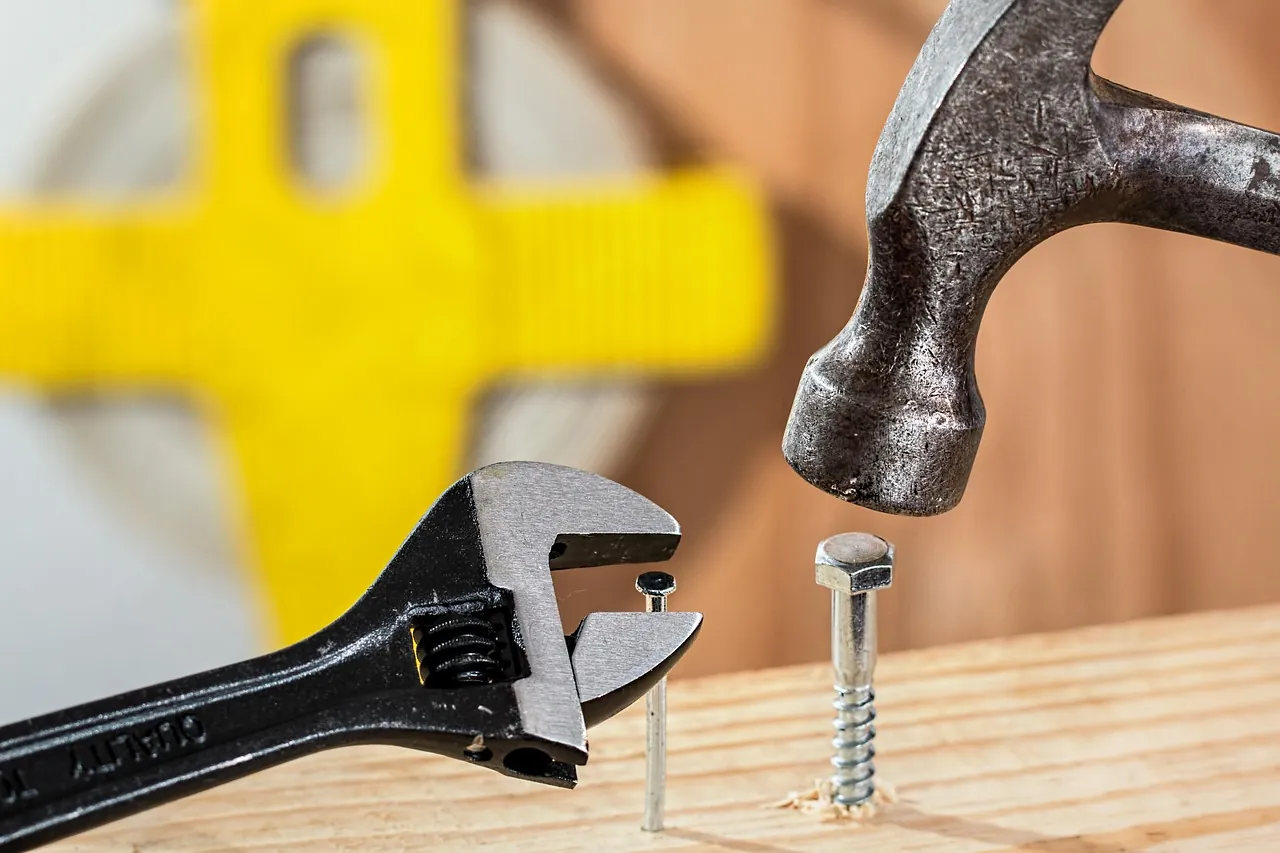
A Soul is the wrong car if you plan to tow regularly. A small camper, a boat or a utility trailer needs a vehicle with a published rating that covers the loaded trailer weight — a small SUV or a pickup, chosen by its rating, not its size.
It’s also wrong if you only need to move something once or twice a year. Renting a van or a rated pickup for the day costs less than fitting a hitch to a car that isn’t rated for it, and it keeps your warranty and insurance clean.
And it’s wrong if you’re near your car’s gross weight limit already. A car full of people and luggage has little left for a rack, let alone a trailer. Weigh the loaded car before you add anything else.
The case that catches people is the light trailer. A small utility trailer that looks harmless still counts as towing, and the Soul’s rating doesn’t cover it. If the trailer, its cargo and the hitch together come in under the rating printed in your owner’s manual, you’re fine. If they don’t, you’re not, however short the trip.
Check the manual, not the dealer’s opinion or a forum post. The rating there’s the one that counts if something goes wrong.
The mistake that costs the most is fitting a hitch first and reading the rating later. Owners who do that can find their warranty claim refused and their insurance treated differently after a crash. Read the manual before you spend anything.
Related guides
- Kia Soul Trunk Latch Problems: Causes, Fixes & Expert Tips
- Kia Soul Years to Avoid: Expert Guide for Smart Buyers
- Kia Soul Sunroof Wont Close: Quick Fixes to Solve the Issue Fast
Frequently asked questions
Can a Kia Soul tow a small trailer?
No, not in the US or Canada — Kia publishes no trailer rating there, so the approved tow weight is zero. In some other markets, Kia lists a small braked trailer limit for certain engines. Check your own owner’s manual for your engine and model year, and confirm with Kia in your country.
Why does my Kia Soul have no tow rating?
Because Kia didn’t design or test it for trailer loads in that market. A tow rating comes from the maker’s own engineering and testing, and without one there’s no approved load. A hitch maker’s higher number doesn’t change the car’s rating — the car is always the limit.
How much can a Kia Soul pull in Europe?
It depends on the engine and model year. Some European manuals list a small braked and unbraked trailer figure for specific engines, and others list none. Read the towing page for your exact engine code, then confirm the figure with Kia in your country before you buy a hitch.
Is it safe to tow with a Kia Soul anyway?
No. Towing without a published rating means the car’s brakes, cooling and transmission weren’t checked for that load. It can also affect your warranty and your insurance cover. If you need to move a trailer, use a vehicle with a rating that covers the loaded weight.
What happens if I tow over the limit?
You risk brake fade, transmission heat and poor control on hills, and your insurer may question cover after a claim. In many places you can also face a fine for driving outside your vehicle’s approved limits. The cost isn’t worth it — rent a rated vehicle instead.
How long does a hitch last on a Soul?
A hitch itself can last many years, but its life depends on salt, rain and how often you use it. Check the bolts and the coating at every service, and wash it after winter. The real limit isn’t the hitch — it’s the car, which has no tow rating to begin with.
Do I need a special license to tow with a Soul?
That depends on your country and the trailer weight, not on the car. Many places require a different license class above a set trailer weight. Your local vehicle licensing authority publishes the rule that applies to you, so check there before you plan any trip.
Conclusion
If you’re set on hauling something small, your best move is to check your owner’s manual and call your local Kia dealer before buying any trailer. They’ll tell you what’s actually allowed where you live, and you won’t waste money on gear your car can’t handle.