Many drivers want a small, affordable car that’s reliable and fun to drive. The Kia Forte fits this need for many people. But not every year is equal—some Kia Forte models have problems you should know about before buying. If you’re looking for a used Forte, learning which years to avoid can save you money, stress, and headaches.
This article gives clear advice on Kia Forte years to avoid, with real examples and data. You’ll see which years had serious issues, why those problems happened, and how later models improved. Whether you want a car for daily commuting or a first vehicle for a family member, knowing these details helps you make a smarter choice.
Kia Forte Overview
The Kia Forte was first introduced in 2008 (as a 2009 model) and quickly became popular for its value, style, and features. It’s a compact sedan or hatchback, depending on the year, and competes with cars like the Honda Civic and Toyota Corolla. Over the years, Kia has improved the Forte’s design, safety, and technology. But some models had problems that made them less reliable.
Drivers love the Forte for its affordable price, good fuel economy, and modern features. However, buying the wrong year can lead to expensive repairs, recalls, or frustration. This guide helps you avoid those mistakes.
Common Kia Forte Problems
Before looking at specific years, it’s helpful to understand the main issues seen in the Kia Forte. Some problems appeared in several models, while others were unique to certain years.
- Engine troubles: Some Fortes had engine failures, excessive oil consumption, or knocking sounds. These issues often led to expensive repairs.
- Transmission issues: Certain years had problems with automatic transmissions, including jerking, slipping, or total failure.
- Electrical faults: Headlights, dashboard lights, and other electronic parts sometimes stopped working or flickered.
- Airbag concerns: Faulty airbags and sensor errors led to safety recalls.
- Paint and body complaints: Many owners reported peeling paint, rust, or cheap interior materials.
Not every Forte has these problems, but some years had more complaints and defects than others.

Credit: www.copilotsearch.com
Kia Forte Years To Avoid
Based on owner reports, expert reviews, and recall data, several Kia Forte years stand out as especially problematic. Below, you’ll see details about each year, including what went wrong and why you should be cautious.
2010 Kia Forte
The 2010 Forte was one of the first models in the lineup. While it looked stylish and had good features for its price, it suffered from several issues:
- Engine failure: Many owners reported the engine dying with little warning. Repair costs were often over $3,000.
- Airbag problems: The passenger airbag light would turn on randomly, sometimes failing to deploy in a crash.
- Transmission slipping: The automatic transmission often slipped between gears or jerked during acceleration.
According to CarComplaints.com, the 2010 Forte had over 400 complaints, mostly about the engine and airbags. Kia issued recalls for some problems, but not all cars were fixed. If you see a used 2010 Forte for sale, check its service history and recall status carefully.
2011 Kia Forte
The 2011 model continued many of the same issues, with some improvements but new concerns:
- Engine knocking: Drivers reported knocking sounds, stalling, or sudden loss of power.
- Electrical issues: Dashboard lights would flicker or fail, sometimes making it hard to drive at night.
- Paint peeling: The exterior paint peeled easily, especially on the hood and roof.
Repair costs for engine and electrical problems were high. Many owners said the car felt unsafe, especially after multiple breakdowns.
2012 Kia Forte
This year saw fewer engine complaints but brought new worries:
- Transmission failure: The automatic transmission often failed around 80,000 miles.
- Airbag sensors: The airbag system had faulty sensors, leading to recall notices.
- Suspension noises: Drivers complained about loud clunks from the suspension, especially when driving over bumps.
The 2012 Forte is best avoided unless you can find one with a full service record and recent repairs.
2013 Kia Forte
The 2013 model had a major redesign but still had trouble:
- Engine issues: Continued problems with engine stalling and excessive oil consumption.
- Electrical problems: Headlights and brake lights failed often, sometimes causing accidents.
- Paint and trim: Poor paint quality and loose interior trim pieces.
In a survey by J.D. Power, the 2013 Forte scored below average for reliability. Owners said repairs were frequent and expensive.
2014 Kia Forte
The 2014 Forte is one of the most complained-about years:
- Engine failure: The engine often seized or stopped working around 60,000 miles.
- Airbag recalls: Several recalls for airbags failing to deploy.
- Transmission jerking: The transmission would jerk violently, especially at low speeds.
- Peeling paint: Many cars had paint peeling within three years.
Some mechanics say the 2014 model’s engine is prone to “catastrophic failure,” which means total breakdown with no warning.
2016 Kia Forte
While not as bad as 2014, the 2016 model had notable issues:
- Transmission problems: Many owners reported slipping, hard shifts, and transmission failure.
- Electrical faults: Power windows, locks, and dashboard electronics sometimes failed.
- Air conditioning: The AC often stopped working, especially in hot climates.
Repair costs were lower than earlier years, but electrical and transmission issues were still a concern.
Kia Forte Years Worth Considering
Not all Kia Forte models are bad. Some years have good reliability, improved features, and fewer complaints. If you want a used Forte, consider these safer options:
2015 Kia Forte
This year saw improvements in engine reliability and fewer transmission complaints. The car had updated safety features and better build quality.
2017 Kia Forte
The 2017 model received high scores for reliability and owner satisfaction. Kia fixed many past issues, and the car had new safety tech.
2018–2020 Kia Forte
These models are well-rated for reliability, fuel efficiency, and modern features. They have fewer reported problems, and repairs are usually minor.
Here’s a comparison of reliability ratings for recent Kia Forte years:
| Year | Reliability Score (J.D. Power) | Common Issues |
|---|---|---|
| 2015 | 78/100 | Minor electrical |
| 2017 | 82/100 | Few engine complaints |
| 2018 | 85/100 | Rare transmission issue |
| 2019 | 87/100 | Few recalls |
| 2020 | 89/100 | Minor paint concerns |
Choosing one of these years increases your chance of getting a reliable car.
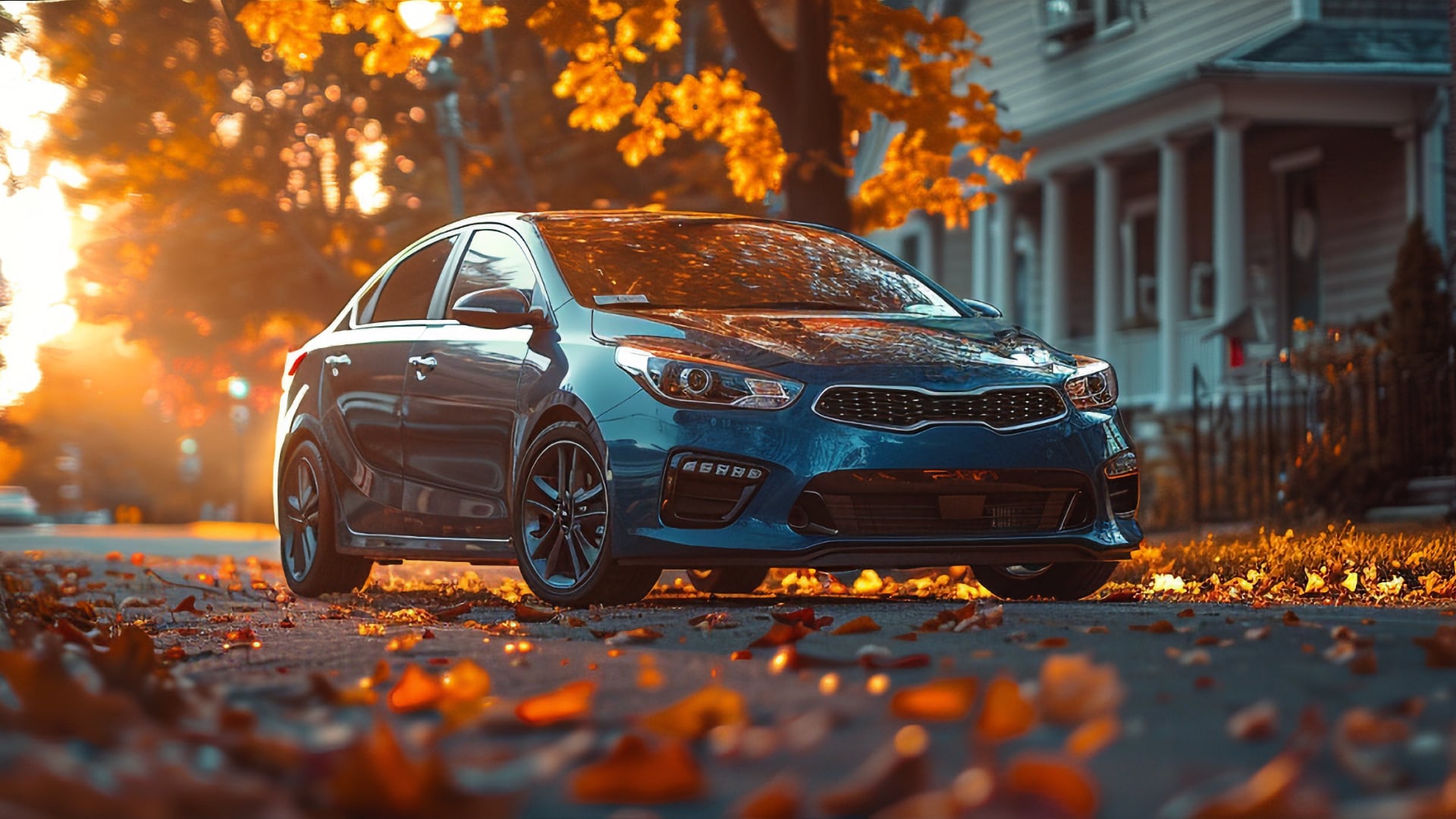
Credit: rerev.com
How To Spot A Problematic Kia Forte
If you’re shopping for a used Forte, you can avoid mistakes by checking for signs of trouble. Here are key steps:
- Check recall history: Enter the car’s VIN on the NHTSA website to see if recalls were addressed.
- Inspect engine and transmission: Listen for knocking sounds, rough idling, or jerky shifts.
- Look for paint and rust: Examine the hood, roof, and doors for peeling paint or rust spots.
- Test electrical features: Try all lights, windows, and dashboard controls to spot faults.
- Ask for service records: Cars with regular maintenance are less likely to have big problems.
If you find a car from a year with known issues, ask the seller if repairs were made. Some owners fixed problems with new parts, but others did not.
Kia Forte Recalls And Safety Concerns
The Kia Forte has seen several recalls over the years. Recalls are issued when a safety problem is found in many cars. Here are some of the biggest recall topics:
- Airbag system: Recalls for airbags not deploying or sensors failing.
- Engine fires: Some models were recalled for engine fires caused by oil leaks.
- Electrical faults: Recalls for headlights, brake lights, and power window failures.
- Transmission defects: Recalls for transmission parts breaking or slipping.
You can see recall history for the Kia Forte on the NHTSA website. Some recalls were fixed by Kia dealers for free, but others may still need repair.
Real-world Owner Experiences
Hearing from real drivers gives a better sense of which years to avoid. Here are examples from owner reviews and forums:
- A 2014 Forte owner said, “The engine died suddenly at 62,000 miles. Dealer said it was common for this year. Cost me $4,000 to fix.”
- A 2010 Forte driver reported, “Passenger airbag light kept turning on. After two recalls, it still didn’t work right.”
- A 2012 Forte review stated, “Transmission failed at 85,000 miles. I had to replace it, and the car still drove poorly afterward.”
- On Reddit, a 2017 Forte owner wrote, “No major problems after three years. Just regular oil changes and brake pads.”
These stories show why it’s important to avoid certain years and choose a model with fewer known issues.
Kia Forte Maintenance Costs
The cost of owning a Kia Forte depends on the model year and how well it was cared for. Older models with engine or transmission issues can be expensive to repair, while newer models are usually cheaper to maintain.
Here’s a comparison of average yearly maintenance costs by model year:
| Year | Average Annual Maintenance Cost | Major Repairs Needed |
|---|---|---|
| 2010 | $750 | Engine, airbags |
| 2012 | $700 | Transmission |
| 2014 | $850 | Engine, paint |
| 2017 | $550 | Minor electrical |
| 2019 | $500 | None |
The data shows that newer Fortes cost less to maintain and have fewer major repairs.
Comparing Kia Forte To Other Compact Cars
Some buyers wonder if the Kia Forte’s problems are unusual. Here’s how it compares to other compact cars like the Toyota Corolla and Honda Civic:
| Model | Average Reliability Score | Common Issues | Average Annual Repair Cost |
|---|---|---|---|
| Kia Forte (2010–2014) | 65/100 | Engine, transmission | $800 |
| Toyota Corolla (2010–2014) | 85/100 | Minor electrical | $450 |
| Honda Civic (2010–2014) | 83/100 | AC, paint | $500 |
Compared to the Corolla and Civic, early Forte models had more serious problems and higher repair costs. Later Fortes improved and became more competitive.
Non-obvious Insights For Used Kia Forte Buyers
Many buyers make mistakes when choosing a used Forte. Here are two insights you might not know:
- Recall repairs are not always done: Just because a car was recalled doesn’t mean the repairs were completed. Always check with a dealer or the NHTSA site to see if recall work was finished.
- Low mileage isn’t everything: Some problematic years had engines fail even at low mileage (under 60,000 miles). Don’t assume a low-mileage Forte is safe—check for past repairs and owner reviews.
Also, ask the seller if the car has a lifetime powertrain warranty. Some Kia dealers offered this for certain years, which can save you money if a major part fails.
How Kia Improved The Forte
Kia listened to complaints and changed the Forte’s design in later years. Here’s how they improved:
- Better engines: Newer models use engines with fewer known problems and better oil management.
- Improved transmission: Kia switched to more reliable automatic transmissions in 2017 and later.
- Safer airbags: Airbag systems are now more reliable, with fewer recalls.
- Stronger paint: Recent models use better paint formulas that resist peeling and fading.
- Advanced tech: Modern Fortes have features like lane-keep assist, blind spot detection, and Apple CarPlay.
These upgrades make newer Fortes safer and easier to maintain.
Tips For Buying A Used Kia Forte
If you still want a Kia Forte, follow these tips to get a good deal and avoid trouble:
- Avoid 2010–2014 models unless you see proof of engine and transmission repairs.
- Check recall status before buying.
- Inspect for paint and rust—especially on early models.
- Test drive the car and listen for engine or transmission noise.
- Ask for maintenance records and see if regular oil changes were done.
- Consider certified pre-owned (CPO) models, which are inspected and come with a warranty.
If you follow these steps, you’re less likely to buy a problematic car.
Frequently Asked Questions
What Are The Worst Kia Forte Years?
The 2010, 2011, 2012, 2013, and 2014 Kia Forte models are widely considered the worst. They had problems with engine failure, transmission breakdowns, airbag recalls, and peeling paint.
Is The Kia Forte Reliable After 2015?
Yes, reliability improved after 2015. The 2017–2020 models have high scores for dependability, with fewer complaints and recalls.
How Can I Check A Kia Forte’s Recall History?
Visit the NHTSA website and enter the car’s VIN. This shows all recall notices and whether repairs were completed. Many dealers also check recall status for free.
Are Kia Forte Repairs Expensive?
Repair costs vary. Early models (2010–2014) often need expensive engine or transmission fixes ($2,000–$4,000). Newer models usually need less costly repairs.
What Should I Look For When Test-driving A Used Kia Forte?
Listen for engine knocking, transmission jerking, and check all electrical features. Inspect the paint for peeling or rust. Ask for a mechanic’s inspection if you see warning signs.
Final Thoughts
Buying a used car is a big decision. The Kia Forte offers great value, but some years have serious flaws. By avoiding problematic models and checking for repairs, you can enjoy a reliable car for years. Remember to check recalls, service records, and take a careful test drive. If you want more details, visit the NHTSA website for official recall information. With the right knowledge, you’ll find a Kia Forte that’s safe, dependable, and perfect for your needs.
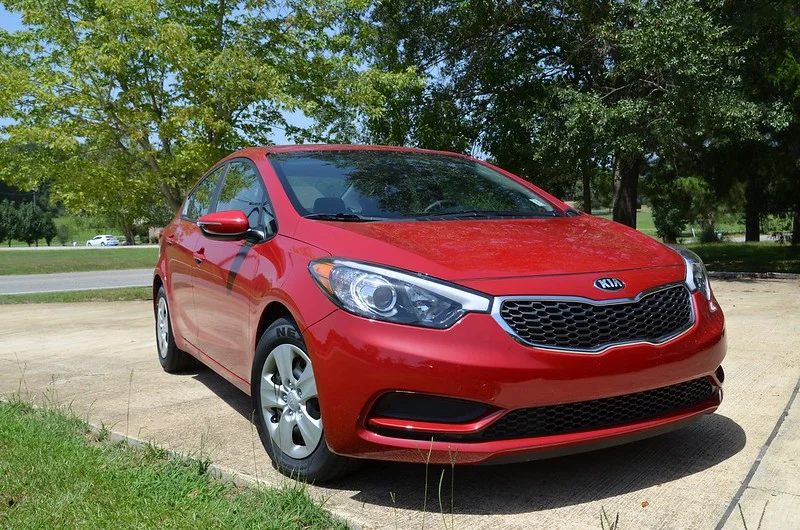
Credit: www.copilotsearch.com