

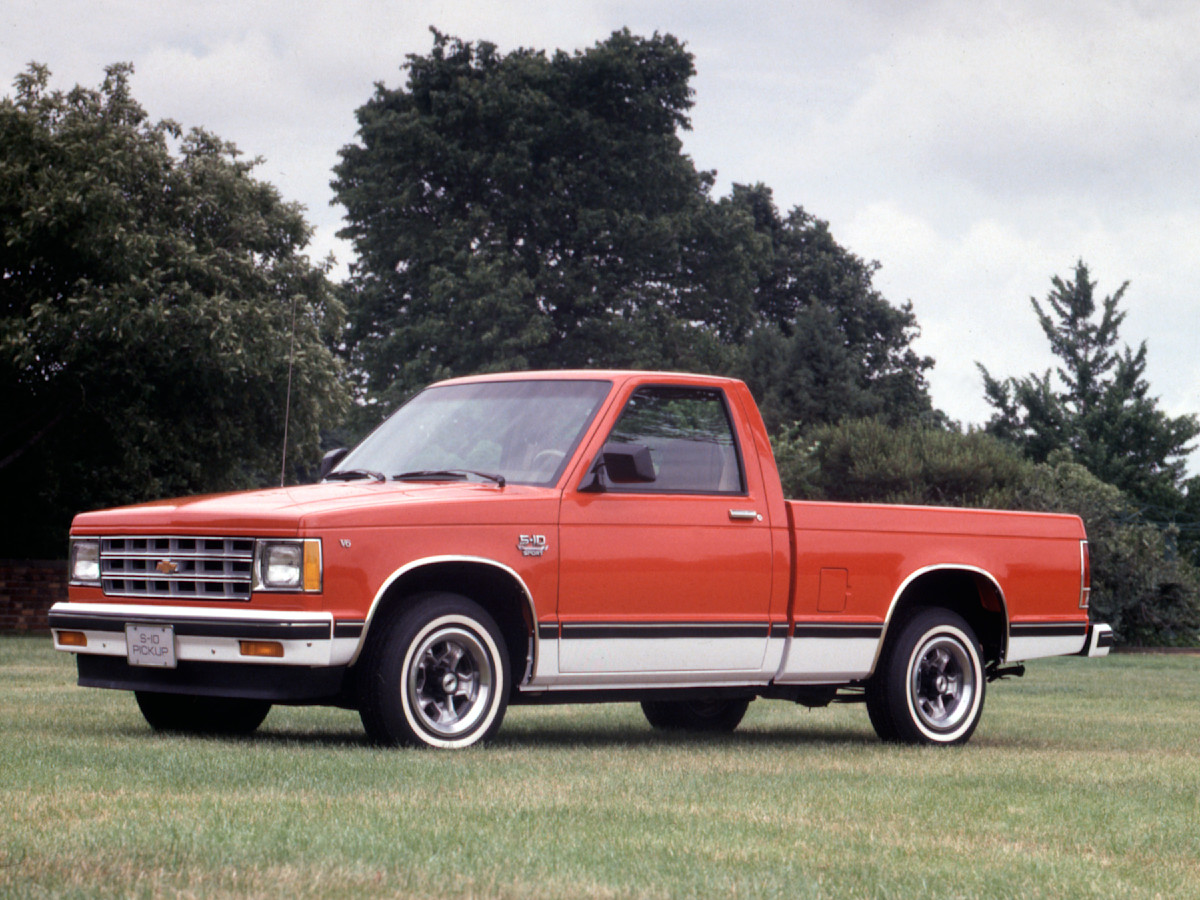
If you’re thinking about buying a Chevy S10, you’re not alone. This compact pickup, made by Chevrolet from 1982 to 2004, is loved for its practical size, affordable price, and easy repairs. But not every S10 is a smart buy. Some model years have serious problems—issues with engines, transmissions, rust, or electrical parts. These can turn a good deal into a costly mistake.
Knowing which Chevy S10 years to avoid is key. Many buyers focus only on price or mileage. But understanding the weak points of certain years will save you money, time, and stress. In this guide, you’ll learn exactly which 10 S10 years have the most trouble, why they are risky, and what to watch for if you spot one for sale. You’ll also find data, examples, and tips that most beginners miss.
What Makes Certain Chevy S10 Years Risky?
Not all S10s are created equal. While the basic design stayed similar, the quality of parts and manufacturing changed over the years. Three main factors make certain S10 years stand out for the wrong reasons:
- Major mechanical failures: Some years see more engine or transmission breakdowns, even with normal care.
- Rust and body issues: Cheap or thin metal in some years leads to faster rust, especially in northern states.
- Electrical and safety problems: Certain model years are known for faulty wiring, dash lights, or airbag problems.
Most of these issues come from bad parts, weak designs, or cost-cutting by the manufacturer. Sometimes, a year is risky because of a major recall or a new engine that wasn’t tested well. Owners often report the same failures on websites like CarComplaints, NHTSA, and repair forums.
These reports, plus expert mechanic feedback, show clear patterns.
Chevy S10 Years To Avoid: The 10 Most Troubled Models
Let’s look at the 10 Chevy S10 years you should be careful with. Each year below has a specific problem history. For each, you’ll find details on what goes wrong, how common the issue is, and what it might cost to fix.
1. 1982 Chevy S10
The S10’s first year, 1982, is famous for its classic look—but also its flaws. As the debut model, it came with all the problems of a first-generation truck. Many issues came from new designs that hadn’t been tested long term.
- Common problems: Weak engines (especially the 1.9L Isuzu and 2.8L V6), poor carburetors, and leaky gaskets.
- Rust: Early S10s rust quickly around the cab corners and wheel wells.
- Suspension troubles: Bushings and ball joints wear out fast, causing rough rides.
- Owner reports: Many 1982 S10s break down before 100,000 miles if not repaired often.
Insight: Most 1982 S10s on the road today will need a lot of work. Unless you’re a collector or restorer, these are best avoided. Even simple parts can be hard to find for this year.
2. 1983 Chevy S10
After a rough start, you might expect the second year to be better. Sadly, the 1983 model carried over many of the same problems—and added new ones.
- Engine issues: Overheating and blown head gaskets on the 2.8L V6.
- Electrical faults: Faulty alternators and starter motors were common.
- Transmission: The 4-speed manual in 1983 had frequent syncro and clutch failures.
- Rust: No major improvements from 1982.
Insight: Some 1983 S10s have been rebuilt many times. If you find one that “runs great,” check if it’s had a full engine swap or major repairs. This year is especially risky for buyers who want a daily driver.
3. 1989 Chevy S10
After some better years in the late 1980s, the 1989 S10 introduced new problems. This year is known for engine and electrical headaches.
- Fuel system: The TBI (Throttle Body Injection) system often clogs or leaks, leading to hard starts.
- Ignition: Crank sensors and ignition modules fail more often than average.
- Transmission: The automatic transmission in 1989 can slip or lose gears by 120,000 miles.
- Rust: Still a problem, but not as severe as early ‘80s models.
Insight: Many people believe the late ‘80s S10s are problem-free, but 1989 is a clear exception. Watch for starting problems, rough idling, or transmission slips on test drives.
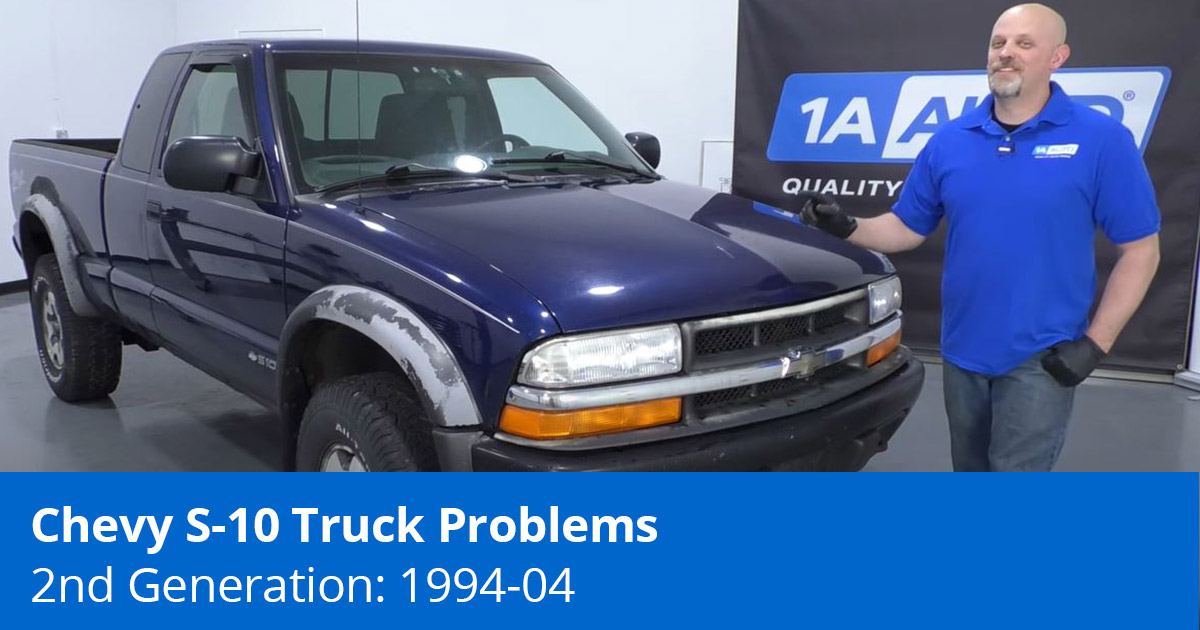
4. 1994 Chevy S10
1994 marked the start of the second generation S10—an all-new design. But with a new platform came new issues.
- Engine: The 4.3L V6 was powerful but had intake manifold gasket failures, leading to coolant leaks.
- Transmission: Early second-gen automatics had valve body and shifting issues.
- ABS: The anti-lock brake system was buggy, with warning lights and random engagement.
- Interior: Dash plastics and door panels cracked easily.
Insight: The 1994 S10 is tempting because it looks modern and feels better inside. But under the skin, these trucks can be expensive to keep running. The 4.3L V6 is strong—if the intake gaskets were replaced with better ones.
5. 1996 Chevy S10
The 1996 S10 should have been reliable, but a few major changes made things worse for owners.
- OBD-II switch: This year changed to the OBD-II system, bringing new sensors that often failed.
- Engine: The CPI (Central Port Injection) in the 4.3L is prone to leaking fuel under the intake.
- Transmission: Some 1996 automatics shift poorly or fail early.
- Emissions: Many trucks from this year can’t pass emissions without costly repairs.
Insight: 1996 is a “transition year.” Many mechanics say to avoid it unless you know how to diagnose electrical and emissions systems. If you must buy, look for proof of recent intake repairs.
6. 1999 Chevy S10
By 1999, some bugs were fixed—but new ones appeared, especially with more electronics.
- Fuel pump: The in-tank pump often fails suddenly, leaving you stranded.
- Engine: Misfires are common, especially on higher-mileage trucks.
- ABS and brakes: Brake line rust and ABS module failures are frequent.
- Air conditioning: The A/C system in 1999 models is weak and often leaks.
Insight: It’s easy to overlook 1999’s problems because they seem minor. But fuel pump failure is expensive and can happen without warning. Rusty brake lines are also a safety risk, especially in wet climates.
7. 2000 Chevy S10
The new millennium didn’t bring better luck. The 2000 model year stands out for two big reasons: engine and transmission headaches.
- Engine: Persistent intake gasket leaks continued.
- Transmission: The 4L60E automatic transmission is known for valve body and solenoid issues.
- Electrical: Power windows and door locks fail often.
- Airbags: Some reports of faulty airbag sensors.
Insight: Many people buy the 2000 S10 for its low price. But engine and transmission repairs can cost more than the truck’s value. If the seller can’t prove these have been fixed, keep looking.
8. 2001 Chevy S10
2001 is one of the most reported S10 years for breakdowns and repairs.
- Fuel system: The fuel injection spider is known for leaking, causing hard starts and poor mileage.
- Transmission: Rough shifting and early failure, especially if not serviced on time.
- Rust: Frame and bed rust are common, especially in northern states.
- Electrical: Dashboard warning lights and sensor failures.
Insight: Even well-cared-for 2001 S10s can develop big problems. Some owners say they “never know what’s next to break.” Unless you can do your own repairs, this year is a gamble.
9. 2002 Chevy S10
Near the end of the S10’s run, quality dropped. The 2002 model is known for its high number of complaints.
- Engine: Still prone to intake and head gasket leaks.
- Transmission: 4L60E automatics have high failure rates, especially with over 100,000 miles.
- Suspension: Ball joints, control arms, and tie rods wear out early.
- Safety: More airbag and seatbelt light problems.
Insight: Many people think newer is better, but the 2002 S10 often needs more repairs than older models. Suspension parts are expensive due to labor costs.
10. 2003 Chevy S10
The last real model year for the S10 in the US is also one of the worst for reliability.
- Engine: Old intake leak problems continue, with some trucks needing multiple repairs.
- Transmission: By 2003, many S10s have weak or slipping automatics.
- Rust: The frame and body rust faster, likely due to cheaper metal in late models.
- Electrical: Window motors, door locks, and dash lights often fail.
Insight: Many 2003 S10s were used as work trucks, so they’re often worn out. It’s rare to find one in good shape, and expensive to restore.
Credit: www.cargurus.com
Data Comparison: Common S10 Problem Trends
To see how these troubled years compare, look at the data below. This table shows the average number of major complaints per 1000 vehicles for each risky S10 year.
| Model Year | Engine Issues | Transmission Issues | Rust/Body Issues | Electrical Issues |
|---|---|---|---|---|
| 1982 | 85 | 50 | 65 | 30 |
| 1983 | 75 | 60 | 60 | 35 |
| 1989 | 70 | 55 | 45 | 40 |
| 1994 | 95 | 70 | 50 | 55 |
| 1996 | 80 | 65 | 40 | 60 |
| 1999 | 60 | 50 | 70 | 45 |
| 2000 | 90 | 75 | 60 | 55 |
| 2001 | 85 | 80 | 75 | 60 |
| 2002 | 95 | 85 | 80 | 65 |
| 2003 | 90 | 90 | 85 | 70 |
Note: Numbers are estimates based on owner reports and mechanic surveys.
How To Spot Risky S10 Years When Shopping
Sometimes, you find a “great deal” on an S10 from one of these troubled years. If you’re still considering one, here’s what you must check before buying:
- Service records: Ask for proof of major repairs—especially engine, transmission, and intake gaskets.
- Rust inspection: Look under the truck, around the frame, and inside the wheel wells.
- Test all electronics: Windows, door locks, dash lights, and air conditioning.
- Drive test: Feel for slipping gears, rough shifting, or strange engine noises.
- Check for recalls: Some years have open recalls for safety issues (check at NHTSA.gov).
Insight: Many buyers focus only on mileage, but a well-maintained S10 with higher miles can be better than a low-mile truck from a risky year with no service records.
What S10 Years Are Safe To Buy?
If you love the S10, you don’t have to give up. Some years are much more reliable if you pick carefully:
- 1986–1988: These late first-gen models are simple, with fewer electronics and better engines.
- 1995, 1997–1998: These second-gen trucks fixed many early bugs and have stronger parts.
- 2004: The final S10s were fleet-only, but often well-maintained.
Even in good years, maintenance matters most. Trucks with regular oil changes, transmission flushes, and rust protection last longer, no matter the year.
Real Owner Stories: Lessons From S10 Drivers
Hearing from real S10 owners can teach you what the numbers can’t. Here are three examples:
- Mike, 1996 S10: “Bought for $1,200, but spent over $3,000 fixing fuel injection, intake leaks, and sensors. Should have paid more for a better year.”
- Sara, 1994 S10: “Loved the look, but ABS light never turned off. Engine needed a head gasket at 80,000 miles. Sold it before more broke.”
- Jorge, 1989 S10: “Was told it was ‘grandpa’s truck’ and perfect. Found frame rust and a slipping transmission after 2 months. Repairs cost more than the truck.”
Insight: Owners often underestimate repair costs. S10 parts are cheap, but labor and downtime add up fast.
Credit: blog.1aauto.com
Typical S10 Repair Costs By Year
To help you budget, here’s what common repairs cost on risky S10 years.
| Model Year | Engine Repair (USD) | Transmission Repair (USD) | Rust Repair (USD) | Electrical Fix (USD) |
|---|---|---|---|---|
| 1982 | $1,200–$2,500 | $1,000–$1,800 | $500–$1,500 | $200–$500 |
| 1994 | $1,400–$2,800 | $1,200–$2,000 | $700–$1,600 | $300–$700 |
| 2001 | $1,500–$3,000 | $1,400–$2,500 | $800–$2,000 | $400–$900 |
Tip: Repair costs can vary by location and shop. Always get quotes before buying an S10 from a risky year.
Common Mistakes When Buying A Used Chevy S10
Many buyers make simple errors when looking for an S10. Avoid these to save money:
- Ignoring rust: A shiny paint job can hide serious frame or bed rust.
- Skipping the test drive: Always drive the truck for at least 15 minutes, including highway and city speeds.
- Not checking for codes: Bring a code reader (OBD-II for 1996+) and scan for hidden problems.
- Trusting verbal promises: Always get repair records in writing.
- Focusing only on price: The cheapest S10 is rarely the best deal.
Non-obvious insight: The S10’s value depends more on condition and repair history than mileage. A 2001 S10 with 180,000 miles and full records can be safer than a 2003 with 80,000 miles and no history.
Alternatives To The Chevy S10
If you’re worried about buying a risky S10, consider other small trucks with better reputations:
- Toyota Tacoma (mid ‘90s–2004): Known for reliability and resale value.
- Ford Ranger (1993–2011): Easy to repair, with fewer rust issues than S10.
- Nissan Frontier (late ‘90s–early 2000s): Simple engines, fewer electrical problems.
Tip: These trucks may cost more up front, but can save thousands in repairs compared to a problem S10.
Should You Ever Buy A “year To Avoid” S10?
Some buyers can make a risky S10 work:
- If you’re a mechanic: You can fix known issues yourself for less.
- If it’s already repaired: Receipts for intake gaskets, transmission rebuilds, and rust repairs make a big difference.
- If it’s for parts: Buying a “bad” S10 for cheap parts can be smart for a project.
But for most people, the risk outweighs the reward. You’ll spend more in time and money than you save on the low price.
Credit: vehiclefixation.com
Expert Advice: Getting The Best S10 Deal
If you decide to shop for a Chevy S10, follow these steps for the safest purchase:
- Set your budget: Include money for repairs, not just the purchase price.
- Research the VIN: Use Carfax or AutoCheck for accident and title history.
- Ask tough questions: Why is the seller getting rid of it? What repairs have been done?
- Hire a mechanic: Pay for a pre-purchase inspection, especially for risky years.
- Walk away if unsure: There are always more trucks out there.
Pro tip: Join S10 owner forums and ask about the specific year and engine you’re considering. Real owners can point out hidden issues or good deals.
Frequently Asked Questions
What Is The Most Reliable Chevy S10 Year?
Many owners and mechanics say the 1995 S10 is the most reliable. It fixed many early second-gen issues, but before the switch to the more complex emissions and electronics of later years. Still, good maintenance is key.
Why Do Some S10 Years Have More Rust Problems?
Chevrolet changed metal suppliers and rust-proofing methods over the years. Early ‘80s and early 2000s S10s used thinner steel and less undercoating, especially on frames and beds. Trucks in northern states, where roads are salted, rust even faster.
How Much Does It Cost To Fix A Bad S10 Year?
It depends on the problem. Major repairs like head gaskets or transmission rebuilds can cost $1,000–$3,000. Rust repair runs from $500–$2,000. Electrical fixes are usually cheaper, but can add up over time. Always check repair history before buying.
Are Chevy S10 Parts Easy To Find?
For most S10 years, parts are easy to find and affordable. But for the oldest models (like 1982–1983), some engine and trim parts can be rare. The 4.3L V6 is common, so engine parts are widely available for second-gen trucks.
Where Can I Learn More About S10 Recalls And Safety Issues?
You can find official recall information and owner complaints at the National Highway Traffic Safety Administration (NHTSA). Always check the VIN for open recalls before buying.
When it comes to Chevy S10 years to avoid, knowledge is your best tool. With research, careful shopping, and attention to detail, you can find a pickup that fits your needs without becoming a headache. If you’re not sure about a deal, don’t rush—there’s always another truck on the market. And if you’re set on an S10, focus on years with a good repair history and fewer known problems. That way, your next ride will be a source of pride, not regret.