

If you own a Jeep Wrangler, noticing an oil leak can be worrying—and you’re not alone. Many Jeep Wrangler drivers have faced similar issues, especially when it comes to oil leaks that might be linked to specific parts like the oil cooler housing or filter assembly.
You might be wondering if there’s a recall that could save you from costly repairs. Understanding the details behind the Jeep Wrangler oil leak recall can protect your vehicle and your wallet. You’ll learn what causes these leaks, how to spot them early, and what steps you should take if your Jeep is affected.
Keep reading to make sure your Wrangler stays in top shape and you avoid unexpected breakdowns.
Credit: wranglerjkforum.net
Recall Details
The Jeep Wrangler oil leak recall addresses a critical safety issue linked to oil cooler housing defects. This recall aims to prevent potential engine damage and fire hazards. Understanding the recall details can help owners take timely action and protect their vehicles.
Recall Scope
The recall covers specific Jeep Wrangler models with faulty oil cooler housings. These parts may develop leaks that cause oil to drip onto hot engine components. This condition raises the risk of engine failure or fire. Jeep is notifying owners and offering free repairs to fix the problem.
Affected Models
The recall applies to Jeep Wrangler vehicles from certain model years. These include some 2018, 2019, and 2020 models equipped with 3.6L V6 engines. Vehicle identification numbers (VINs) within a defined range are included. Owners can check their VIN on Jeep’s official recall website.
Recall Timeline
The recall was announced in early 2024 after reports of oil leaks. Jeep began notifying owners by mail soon after. Repair parts and service availability started shortly after the recall announcement. Owners are urged to schedule repairs promptly to avoid risks.
Credit: www.reddit.com
Common Leak Sources
Oil leaks in Jeep Wranglers often come from a few common parts. Identifying these sources helps owners understand the recall and maintenance needs. This section highlights the main areas where leaks usually appear. Each part plays a key role in the engine’s oil system. Leaks can lead to engine damage if not fixed promptly.
Oil Cooler Housing
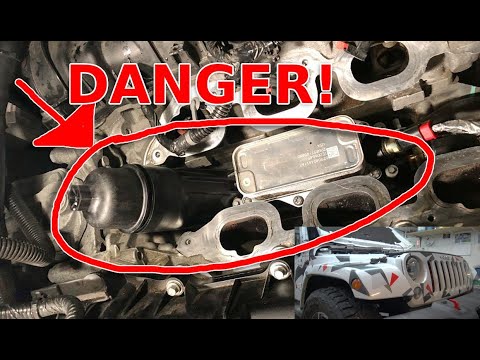
The oil cooler housing helps regulate engine temperature. Cracks or worn seals here cause oil to leak. This part is prone to damage from heat and pressure. Replacing or repairing it stops oil loss and keeps the engine cool.
Rear Main Seal
The rear main seal prevents oil from escaping at the engine’s rear. Over time, this seal can wear out or crack. A leak here often causes a noticeable oil drip under the vehicle. Fixing the rear main seal is key to stopping leaks and protecting the engine.
Oil Pan Gasket
The oil pan gasket seals the oil pan to the engine block. It can harden or crack due to heat and age. Leaks from the oil pan gasket often cause oil spots on the ground. Replacing the gasket restores a tight seal and prevents oil loss.
Valve Cover Gaskets
Valve cover gaskets seal the top of the engine where the valves are located. These gaskets wear out and start leaking oil. A leak here can cause oil to drip onto hot engine parts. Changing the valve cover gaskets stops leaks and keeps the engine clean.
Leak Symptoms
Recognizing the signs of an oil leak in your Jeep Wrangler is crucial. Early detection helps avoid serious engine damage and costly repairs. Watch closely for common leak symptoms. These signs often appear before the problem worsens.
Oil Spots
Oil spots under your Jeep are a clear sign of leakage. These dark stains usually form on your driveway or parking spot. Spot size and frequency can show how bad the leak is. Fresh, wet spots mean the leak is active. Dried stains might be old leaks that need checking.
Engine Performance Issues
Leaks can cause your engine to run poorly. You might notice rough idling or stalling. Loss of power and strange noises also occur. Low oil levels reduce engine lubrication. This leads to overheating and damage. Pay attention if your Jeep feels weaker than usual.
Warning Lights
Modern Jeeps have sensors to detect oil problems. The oil pressure or check engine light may turn on. These lights warn of low oil or pressure issues. Ignoring them can cause severe engine damage. Always take these warnings seriously and get your Jeep inspected promptly.
Causes Of Oil Leaks
Oil leaks in Jeep Wranglers often cause concern for owners. Understanding the causes helps in identifying problems early. Oil leaks can reduce engine performance and cause damage. Several common issues lead to oil leaks in these vehicles. Knowing these causes aids in timely repairs and maintenance.
Cracked Housing
Cracked housing is a frequent cause of oil leaks. The oil cooler housing can crack from heat or pressure. Cracks allow oil to escape, leading to visible leaks. This problem often requires replacing the damaged housing. Early detection prevents further engine damage.
Worn Seals
Seals keep oil contained within the engine parts. Over time, seals wear out and lose their tight fit. Worn seals cause oil to seep or drip outside the engine. Valve cover gaskets and oil filter seals are common trouble spots. Replacing worn seals stops oil leaks and protects the engine.
Loose Components
Loose components cause gaps where oil can leak out. Bolts on the oil filter housing or other parts may loosen over time. Vibrations from driving can cause these components to shift or loosen. Tightening loose parts often fixes minor oil leaks. Regular checks help catch loose components early.
Repair Costs
Repairing an oil leak in a Jeep Wrangler can vary in cost. Several factors influence the total expense. Understanding these helps you prepare financially and avoid surprises. This section breaks down common repair costs linked to the Jeep Wrangler oil leak recall.
Parts Pricing
Parts needed for oil leak repairs differ by the leak’s source. Simple parts like gaskets are usually affordable. More complex components such as oil cooler housings cost more. Genuine Jeep parts tend to be pricier but offer better fit and durability. Prices for parts can range from $20 to over $300 depending on the item.
Labor Charges
Labor costs depend on the repair complexity and shop rates. Mechanics charge hourly, usually between $80 and $150 per hour. Minor gasket replacements take less time, reducing labor expenses. More difficult repairs like oil cooler replacements require several hours. Labor costs can add significantly to the total repair bill.
Cost Variations By Leak Type
Different leaks affect repair costs. Valve cover gasket leaks are among the cheapest to fix. Rear main seal leaks often need more work and cost more. Oil cooler housing leaks are typically the most expensive repairs. The exact leak type directly impacts parts and labor needed, changing the overall price.
Diy Fixes
Fixing an oil leak in your Jeep Wrangler can seem tough. But some repairs you can do yourself. These DIY fixes save money and help you learn more about your vehicle. Start by understanding the common causes of oil leaks. Then, gather the right tools and parts. Follow clear steps to replace or repair the faulty components safely.
Oil Cooler Housing Replacement
The oil cooler housing is a common leak point in Jeep Wranglers. To replace it, first drain the engine oil. Remove the old housing carefully to avoid damaging nearby parts. Clean the mounting surface before installing the new housing. Use a new gasket to prevent future leaks. Tighten bolts to the recommended torque. Refill the engine with fresh oil. Check for leaks after the repair.
Gasket Repairs
Worn gaskets often cause oil leaks in the engine. Inspect valve cover gaskets and oil pan gaskets for cracks or damage. Remove the old gasket by gently scraping it off. Clean the surface thoroughly to remove oil and debris. Apply a new gasket with care to ensure a good seal. Reassemble the parts and tighten bolts evenly. Test the engine for leaks after finishing the repair.
Tools Needed
Gathering the right tools makes repairs easier and safer. You will need a socket set with various sizes. A torque wrench helps tighten bolts correctly. Use screwdrivers and pliers for small parts. An oil drain pan catches the old oil during replacement. Clean rags or shop towels keep the work area tidy. A gasket scraper or razor blade removes old gasket material. Safety gloves protect your hands from oil and sharp edges.
Professional Inspection
A professional inspection is essential for any Jeep Wrangler oil leak recall issue. It helps spot the exact problem. Skilled mechanics use special tools to find leaks fast. Early checks avoid costly repairs and keep your Jeep safe on the road.
Trusting an expert ensures the right fix. They follow recall guidelines and use quality parts. A thorough inspection also checks for hidden damage. This step saves money and stress in the long run.
Diagnostic Process
The mechanic starts with a full vehicle check. They look for oil stains and wet spots. Next, they test engine pressure to find leaks. Scanners read error codes from the Jeep’s computer. This data points to the leak’s source. The process is quick and precise.
Finding Trusted Mechanics
Choose a mechanic experienced with Jeep Wranglers. Check reviews and ask for recommendations. Certified shops follow recall rules strictly. They use original parts for repairs. Trustworthy mechanics explain the problem clearly. This builds confidence in their work.
Repair Quotes
After diagnosis, get detailed repair quotes. Quotes should list parts, labor, and time needed. Compare prices from several shops. Avoid choosing only by cost. Consider warranty and mechanic reputation. Clear quotes prevent surprise expenses later.
Credit: www.youtube.com
Preventive Tips
Preventing oil leaks in your Jeep Wrangler helps maintain engine health and avoids costly repairs. Taking simple steps can protect your vehicle from common issues linked to oil leaks. These preventive tips ensure your Wrangler runs smoothly for years.
Regular Maintenance
Check oil levels often and change oil on time. Use the right oil type recommended by Jeep. Replace worn gaskets and seals promptly. Schedule regular inspections with a trusted mechanic. Clean engine parts to prevent dirt buildup that causes leaks.
Early Leak Detection
Look for oil spots under your Jeep after parking. Watch for smoke or burning oil smells while driving. Notice any drop in oil pressure on the dashboard. Inspect the engine area for wet or dark spots. Catching leaks early reduces damage and repair costs.
Proper Driving Habits
Avoid harsh acceleration and sudden stops. Drive gently on rough or uneven roads. Warm up the engine before driving fast or off-road. Keep engine temperature in the normal range. Smooth driving reduces stress on seals and prevents leaks.
Frequently Asked Questions
Are Jeep Wranglers Known For Oil Leaks?
Jeep Wranglers commonly experience oil leaks due to worn valve seals, gaskets, or oil cooler housing issues. Regular inspections prevent damage.
Are There Any Current Recalls On Jeep Wranglers?
Currently, no widespread official recalls target Jeep Wranglers specifically for oil leaks. Check the NHTSA site for updates.
How Much Does It Cost To Fix An Oil Leak In A Jeep Wrangler?
Fixing an oil leak in a Jeep Wrangler typically costs between $150 and $600. Costs vary by leak type, location, and parts. Prompt inspection prevents costly damage. Always get a professional diagnosis and compare repair quotes before proceeding.
Why Is My Jeep Suddenly Leaking Oil?
Your Jeep may leak oil due to worn gaskets, damaged oil pans, or loose seals. Check and replace faulty parts promptly.
What Causes Oil Leaks In Jeep Wrangler Models?
Oil leaks often come from worn gaskets, seals, or oil cooler housing issues.
Conclusion
Jeep Wrangler oil leaks can cause serious engine problems. Acting quickly helps avoid costly repairs. Check for recall updates regularly to stay safe. Always choose a trusted mechanic for inspection and repair. Keeping your Jeep well-maintained ensures better performance and safety.
Don’t ignore signs of oil leaks or unusual smells. Taking these steps protects your vehicle and your investment. Stay informed and keep your Jeep running smoothly.