

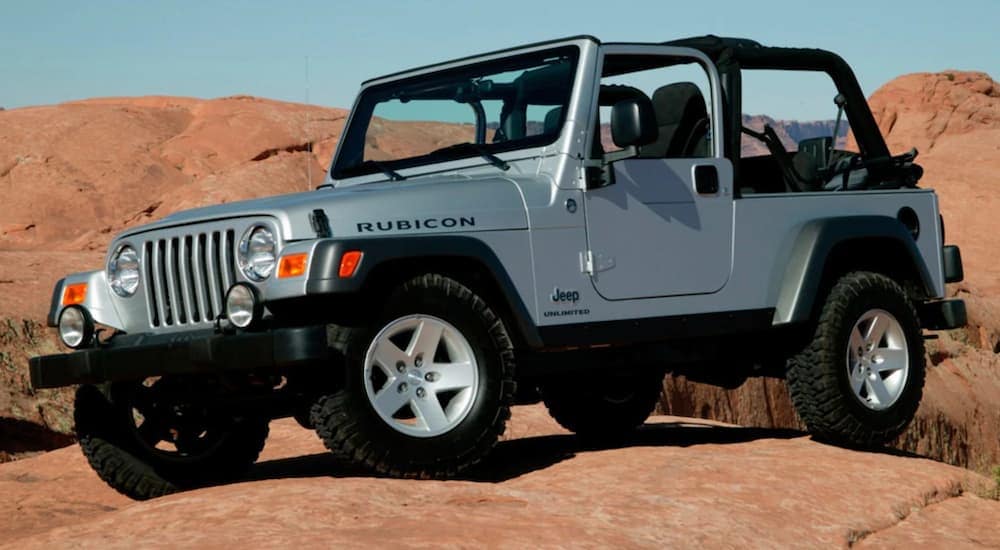
The Jeep TJ is an icon among off-road vehicles. Produced from 1997 to 2006, it marked a return to the classic round headlights that Jeep fans love. Many people dream about owning a TJ, whether for weekend trails or daily driving.
However, not every year of the TJ is equal. Some models are famous for reliability, while others have well-known problems that can turn your dream into a headache. If you’re thinking about buying a used Jeep TJ, knowing which years to avoid can save you time, money, and frustration.
Understanding which Jeep TJ years are more trouble than they’re worth isn’t just about reading opinions online. It’s about looking at real issues—engine problems, rust, electrical faults, and design flaws—that owners and experts have reported over the years. This guide will help you make a confident decision by explaining the key problem years, what went wrong, and what to look for if you’re still considering those models.
Along the way, you’ll get practical advice, real-world examples, and insights that most beginners miss.
What Makes The Jeep Tj Special?
The Jeep TJ arrived in 1997 as the replacement for the YJ Wrangler. Unlike its square-headlight predecessor, the TJ brought back the classic round headlights. More than just looks, the TJ introduced a new coil spring suspension, giving it a smoother ride and better off-road handling. Its rugged frame and simple mechanics made it a favorite for modification.
But the TJ isn’t perfect. Changes in engineering, updates to engines, and even cost-cutting in some years led to notable problems. Some issues are minor and easy to fix, while others can become expensive or dangerous if ignored.
Common Problems Across All Tj Years
Before diving into the worst years, it’s helpful to know the issues shared by many TJ models:
- Frame rust: Due to poor factory rust protection, especially in the rear frame near the control arm mounts.
- Oil leaks: Valve cover gaskets and rear main seals can leak over time.
- Electrical gremlins: Corroded connectors or faulty gauges, often caused by water leaks.
- Suspension wear: Bushings, ball joints, and control arms wear out, especially if the Jeep was used off-road.
- Soft top issues: Zippers and seams fail, leading to water leaks.
- Heater core failures: Especially in older models, leading to poor heat or coolant leaks inside the cabin.
Most of these problems can be managed with regular maintenance, but some years stand out for having more severe or frequent issues.
Jeep Tj Years To Avoid: The Worst Offenders
Not every year of the Jeep TJ is risky. In fact, many are solid and reliable, especially if maintained. But a few years have earned a reputation for major headaches. Here are the years you’ll want to think twice about before buying.
1997 Jeep Tj
The first year of any new vehicle generation is usually the riskiest, and the 1997 TJ is no exception. Jeep was eager to introduce the new coil spring suspension and other design changes, but some early production bugs slipped through.
Key problems in 1997:
- Frame rust: The rust protection was especially poor. Owners in northern states found severe rust within just a few years.
- Electrical faults: The new dashboard layout and wiring harness had teething problems, leading to flickering gauges, failed speedometers, or dead batteries.
- HVAC issues: Many early TJs had heater and air conditioning problems, with blend doors failing or not sealing properly.
- Soft top leaks: The redesigned top was prone to water leaks, especially around the door surrounds.
Non-obvious insight: Many 1997 TJs were used as test beds for dealer upgrades and off-road packages, meaning they could have more hidden wear from early modifications. If you find a 1997 TJ, inspect any aftermarket wiring and check for evidence of rust repairs.
2000 Jeep Tj
At first glance, the 2000 model seems similar to the years around it. But owners and mechanics have flagged this year for a cluster of frustrating issues.
Key problems in 2000:
- Engine misfires (4.0L engine): The 4.0-liter engine, usually very reliable, suffered from head casting defects that led to coolant leaks and engine misfires.
- Cracked exhaust manifolds: Poor-quality manifolds cracked easily, causing exhaust leaks and sometimes triggering the check engine light.
- PCM (Powertrain Control Module) failures: The engine computer in 2000 TJs is known for early failure, often causing random stalling or hard starts.
- Weak NV3550 transmission (manual): Some early NV3550 transmissions had synchronizer problems, making shifting difficult or noisy.
Non-obvious insight: The 2000 TJ was the first to use certain updated sensors and electronics, which are harder to find and more expensive than parts from earlier years. Always check that all sensors and the PCM are original or high-quality replacements.
2001 Jeep Tj
Jeep tried to fix some of the 2000’s issues, but 2001 TJs still suffer from their own set of problems.
Key problems in 2001:
- Cylinder head cracking (especially 0331 head): The 4.0L engine used a specific head casting (number 0331) that is prone to crack between the #3 and #4 cylinders. This leads to coolant loss, overheating, and possible engine failure.
- PCM failures: Similar to 2000, the 2001 TJ also sees frequent computer module issues.
- Catalytic converter problems: The 2001 model introduced new emissions systems, and the converters often failed early, triggering the check engine light.
Non-obvious insight: Many 2001 TJs are still on the road with the original 0331 head. If you’re considering this year, ask for proof that the head has been replaced with an updated, non-cracking model.
2005–2006 Jeep Tj
The last two years of the TJ saw some important updates, but also unexpected challenges. These models can be tempting due to lower mileage and updated interiors, but they have unique risks.
Key problems in 2005–2006:
- OPDA (Oil Pump Drive Assembly) failure (2005–2006 4.0L only): This part’s new design often leads to internal failure, which can destroy the engine if not caught early. It’s known as the “ticking time bomb” among TJ owners.
- Transmission issues (6-speed manual, NSG370): The new 6-speed manual transmission introduced in 2005 is more prone to shift problems and internal wear than the older 5-speed.
- Electrical glitches: Newer electronics and CAN bus systems in these years can make troubleshooting much harder and more expensive.
- Difficult-to-source parts: Some one-year-only parts, such as certain sensors and the OPDA, are expensive and may be discontinued.
Non-obvious insight: The OPDA issue in 2005–2006 TJs is so serious that many enthusiasts recommend replacing it preemptively, even if it seems fine. If you buy a late TJ, budget $200–$400 for an upgraded OPDA.
Why These Years Stand Out
To see how these problem years compare, here’s a quick overview:
| Year | Main Issues | Repair Cost Range | Parts Availability |
|---|---|---|---|
| 1997 | Rust, electrical, HVAC | $500–$3,000+ | Good (mostly) |
| 2000 | Engine, PCM, manifold | $800–$4,000 | Some rare sensors |
| 2001 | Cylinder head, PCM, cat converter | $1,200–$3,500 | Moderate |
| 2005–2006 | OPDA, transmission, electronics | $700–$5,000+ | Some rare parts |
Credit: www.bjttkw.com
Years That Are Generally Safe (and Why)
It’s not all bad news. Most Jeep TJs are actually quite dependable, especially if you avoid the problem years. Here are the models that are considered safer bets:
- 1998–1999: Benefited from early fixes to 1997’s problems but before the 2000–2001 engine and PCM issues.
- 2002–2004: After the 0331 head problem, but before the OPDA and 6-speed issues. These years have the best balance of reliability and parts availability.
These models still have the typical Jeep quirks—like rust and occasional leaks—but avoid the expensive, reputation-damaging problems of the years to avoid.
Key Problem Areas Explained
Frame Rust
Frame rust is the number one killer of Jeep TJs, especially in the 1997–2002 range. The main area of concern is the rear frame near the control arm mounts. Salt and moisture collect here, causing the frame to rot from the inside out. Repairing a rusted frame can cost thousands or make the Jeep unsafe.
How to check: Tap the frame with a hammer. If it sounds hollow or flakes off, walk away. Look for bubbling paint, holes, or patches welded on.
Engine Issues
The 4.0L inline-six is famous for reliability, but not immune to problems. The biggest issue is the cracking 0331 cylinder head (2000–2001), which can lead to engine death if not caught early. Engine misfires, coolant in the oil, or unexplained overheating are warning signs.
How to check: Ask for service records, specifically about head replacement. Look for white sludge under the oil cap (sign of coolant mixing with oil).
Transmission Woes
Manual transmissions in TJs are usually strong, but the 6-speed NSG370 (2005–2006) can develop shifting issues and internal noise. The earlier AX-15 and NV3550 are more robust but still need regular fluid changes.
How to check: Test drive the Jeep. Make sure all gears shift smoothly, with no grinding or popping out.
Opda Failure
Unique to 2005–2006 4. 0L engines, the OPDA’s poor design causes internal wear. If not replaced with an upgraded part, it can seize and ruin the engine.
How to check: Listen for ticking or squeaking from the engine. Ask if the OPDA has been replaced.
Electrical And Computer Problems
Older TJs (1997, 2000–2001) are prone to PCM failures and wiring issues. These can cause random stalling, dead gauges, or “no bus” messages on the dash.
How to check: Scan for codes, and see if warning lights are on. Test every switch and gauge.
A Closer Look: Jeep Tj Engine And Transmission Options
To help you compare, here’s a breakdown of the engines and transmissions used in the TJ years:
| Year Range | Engine(s) | Transmission(s) | Notes |
|---|---|---|---|
| 1997–1999 | 2.5L I4, 4.0L I6 | AX-5 (I4), AX-15 (I6), 32RH Auto | Robust, few major issues |
| 2000–2004 | 2.5L I4, 4.0L I6 | NV3550 (I6, manual), 42RLE Auto | 0331 head (2000–01), PCM issues |
| 2005–2006 | 2.4L I4, 4.0L I6 | NSG370 6-speed, 42RLE Auto | OPDA, 6-speed issues |
Tip: The 4.0L inline-six engine (except with the 0331 head) is the most reliable and desirable. The 2.5L and 2.4L four-cylinders are less powerful and less popular for off-road builds.
Factors That Make A Jeep Tj A Good Buy
Even if you avoid the worst years, not every TJ is a bargain. Here’s what matters most when shopping for one:
- Rust-free frame and body: A solid frame is worth more than any engine or accessory.
- Service records: Look for proof of oil changes, cooling system repairs, and any major work.
- Upgraded parts: Some common issues (OPDA, cylinder heads) are solved by aftermarket upgrades. A TJ with these fixes is a better bet.
- Stock vs. modified: While modifications are common, extreme lifts or big tires put more stress on the drivetrain. Mildly modified or stock TJs usually last longer.
- Clean title and accident history: Flooded or rebuilt Jeeps can hide major problems.
Non-obvious insight: Many TJs have been used for off-roading, which isn’t always bad. But heavy off-road use without regular maintenance can shorten a TJ’s lifespan. Don’t be afraid to walk away if something feels off.
How To Inspect A Used Jeep Tj
When you’re looking at a used TJ, a careful inspection can save you thousands. Here’s a step-by-step approach:
- Check the frame: Look along the rear control arm mounts, behind the gas tank, and near the front fenders.
- Open the hood: Inspect for oil leaks, coolant residue, and check the oil for signs of mixing with coolant.
- Test electrical systems: Turn on all lights, check the gauges, and use the heater/AC.
- Drive it: Listen for clunks from the suspension, feel for smooth shifting, and watch for warning lights.
- Scan for trouble codes: Even if the check engine light is off, use a code reader to catch hidden problems.
Non-obvious insight: If you’re not comfortable doing a full inspection, bring a mechanic who knows Jeeps. Some problems—like frame rot or a cracked cylinder head—are easy to miss for beginners.
Should You Ever Consider A “bad” Year?
Some Jeep fans will buy any TJ and fix it up, even from the worst years. There are situations where buying a 1997, 2000, 2001, or 2005–2006 makes sense:
- Price is very low: If the Jeep is cheap enough, you can afford repairs.
- Major issues already fixed: For example, a 2001 TJ with an upgraded cylinder head, or a 2005 TJ with a new OPDA.
- You want a project: For experienced DIYers, a rough TJ can be a fun rebuild.
Just be honest with yourself about the cost and work involved. Some problems, like a rusted frame, are not worth fixing unless it’s a rare or special model.
Credit: suparee.com
Cost Of Common Repairs
Understanding potential repair costs can help you decide if a TJ is worth buying:
- Frame repair or replacement: $1,500–$4,000
- Cylinder head replacement: $1,200–$2,500
- OPDA upgrade: $200–$400 (parts and labor)
- Transmission rebuild: $1,000–$2,500
- PCM replacement: $300–$900
These numbers are rough estimates. Labor rates and parts prices can vary by region.
The Tj Vs. Other Jeep Wranglers
Curious how the TJ stacks up against other generations? Here’s a quick comparison:
| Model | Years | Pros | Cons |
|---|---|---|---|
| YJ | 1987–1995 | Simple, cheap, parts everywhere | Leaf springs, rough ride, less power |
| TJ | 1997–2006 | Coil suspension, classic looks, good aftermarket | Rust, specific year flaws |
| JK | 2007–2018 | More comfort, 4-door option, modern features | More electronics, higher cost, some early engine issues |
The TJ remains a sweet spot for many enthusiasts: old-school enough to be simple, but new enough to be comfortable and capable.
Practical Tips For Buying A Used Jeep Tj
- Start with a budget: Don’t spend everything on the Jeep itself—leave money for repairs.
- Research your local market: Prices and rust levels vary by state.
- Join a Jeep forum: Sites like WranglerForum and JeepForum have thousands of TJ owners sharing tips and advice.
- Ask for photos of the undercarriage: Sellers may hide frame rust in regular photos.
- Trust your instincts: If something seems off, or the seller is evasive, walk away.
Pro tip: The best Jeep TJs often sell by word of mouth. Ask around in local off-road clubs or at Jeep events.
How Mileage And Maintenance Affect Tj Reliability
Many buyers worry about high-mileage TJs, but with regular maintenance, these Jeeps can run well past 200,000 miles. The key is how well the previous owner cared for it. Regular oil changes, rust protection, and prompt repairs matter more than just the number on the odometer.
Some high-mileage TJs with detailed service records are a safer bet than lower-mileage Jeeps that have been neglected or abused.
Credit: rerev.com
When To Walk Away
No Jeep is perfect, but some issues are deal breakers:
- Severe frame rust: Unsafe and often not worth fixing.
- Flood damage: Water ruins wiring, electronics, and can cause hidden rust.
- Salvage title without clear repairs: Many salvage TJs are poorly rebuilt.
- Multiple warning lights or codes: Could mean expensive electrical or computer problems.
If you’re ever unsure, get a second opinion from a trusted mechanic.
Learning From The Tj Community
One of the best resources for any Jeep owner is the community. Thousands of owners have posted guides, shared their mistakes, and reviewed common issues online. Forums, YouTube channels, and Jeep clubs are full of helpful information. If you’re stuck, chances are someone else has solved the same problem.
For more official details and specs on the Jeep TJ, visit the Jeep Wrangler (TJ) Wikipedia page.
Frequently Asked Questions
What Is The Most Reliable Year For The Jeep Tj?
Most experts agree that the 2002–2004 models are the most reliable. They avoid early head and PCM issues, as well as late-model OPDA problems. With regular care, these years can easily reach 200,000 miles or more.
How Can I Spot A Cracked 0331 Head On A 2000–2001 Tj?
Look for coolant loss with no visible leaks, white sludge under the oil cap, or unexplained engine misfires. A mechanic can do a pressure test or use a borescope to check for cracks. Always ask the seller if the head has been replaced.
Is It Worth Fixing A Rusted Jeep Tj Frame?
If rust is limited to surface spots, it can be sanded and treated. But if you see holes, flaking metal, or repairs near suspension mounts, the cost to fix is often more than the Jeep is worth. Most experts recommend avoiding TJs with major frame rust.
What Is The Opda Problem In 2005–2006 Tjs?
The Oil Pump Drive Assembly (OPDA) in these years wears out internally, sometimes seizing and causing engine failure. Upgrading to an improved OPDA fixes the problem. If you buy a 2005–2006 TJ, budget for this repair.
Are The Four-cylinder Tj Models Any Good?
The 2.5L and later 2.4L engines are reliable but underpowered, especially with larger tires or for highway driving. They’re fine for city use or mild trails, but most buyers prefer the 4.0L inline-six for better performance and resale value.
A Jeep TJ can be a wonderful, long-lasting companion—if you choose wisely. By avoiding the problem years, checking for hidden damage, and learning from the Jeep community, you’ll be ready to enjoy the trail ahead with confidence.