If you are thinking about buying a used Jeep Liberty, you probably want a reliable SUV that lasts for years. The Liberty was Jeep’s compact SUV between 2002 and 2012, popular for its rugged looks and off-road ability. But not every Liberty is equal. Some years are known for serious problems. In this guide, you’ll learn exactly which Jeep Liberty years to avoid, why those years had trouble, and how to spot a safer model. I’ll explain everything in clear, simple English so you can make a smart choice.
Jeep Liberty Overview: What Makes It Different
The Jeep Liberty was introduced in 2002 as a smaller, more affordable option compared to the Grand Cherokee. It replaced the Jeep Cherokee (XJ) and was built to handle tough roads, mud, and snow. The Liberty came in two generations:
- First Generation (2002–2007): Boxy design, solid off-road skills, two engine choices (2.4L four-cylinder, 3.7L V6).
- Second Generation (2008–2012): Slightly larger, updated style, only one engine (3.7L V6), more modern features.
The Liberty was never the smoothest, most comfortable SUV, but fans liked its strong build and simple mechanics. However, some years had big reliability issues, expensive repairs, and safety concerns.
Common Jeep Liberty Problems
Before diving into specific years to avoid, it’s helpful to understand typical Jeep Liberty problems. Most complaints come from owners, mechanics, and review sites. The main issues include:
- Engine troubles: Oil leaks, overheating, sudden failure.
- Transmission problems: Shifting delays, hard gear changes, transmission failure.
- Electrical faults: Window regulators breaking, faulty sensors, airbag warning lights.
- Suspension issues: Broken ball joints, noisy ride, steering problems.
- Rust and corrosion: On frame, doors, and underbody.
- Safety recalls: Airbags, fuel leaks, fire risk.
Some years had more of these problems than others. Now, let’s look at the worst years.
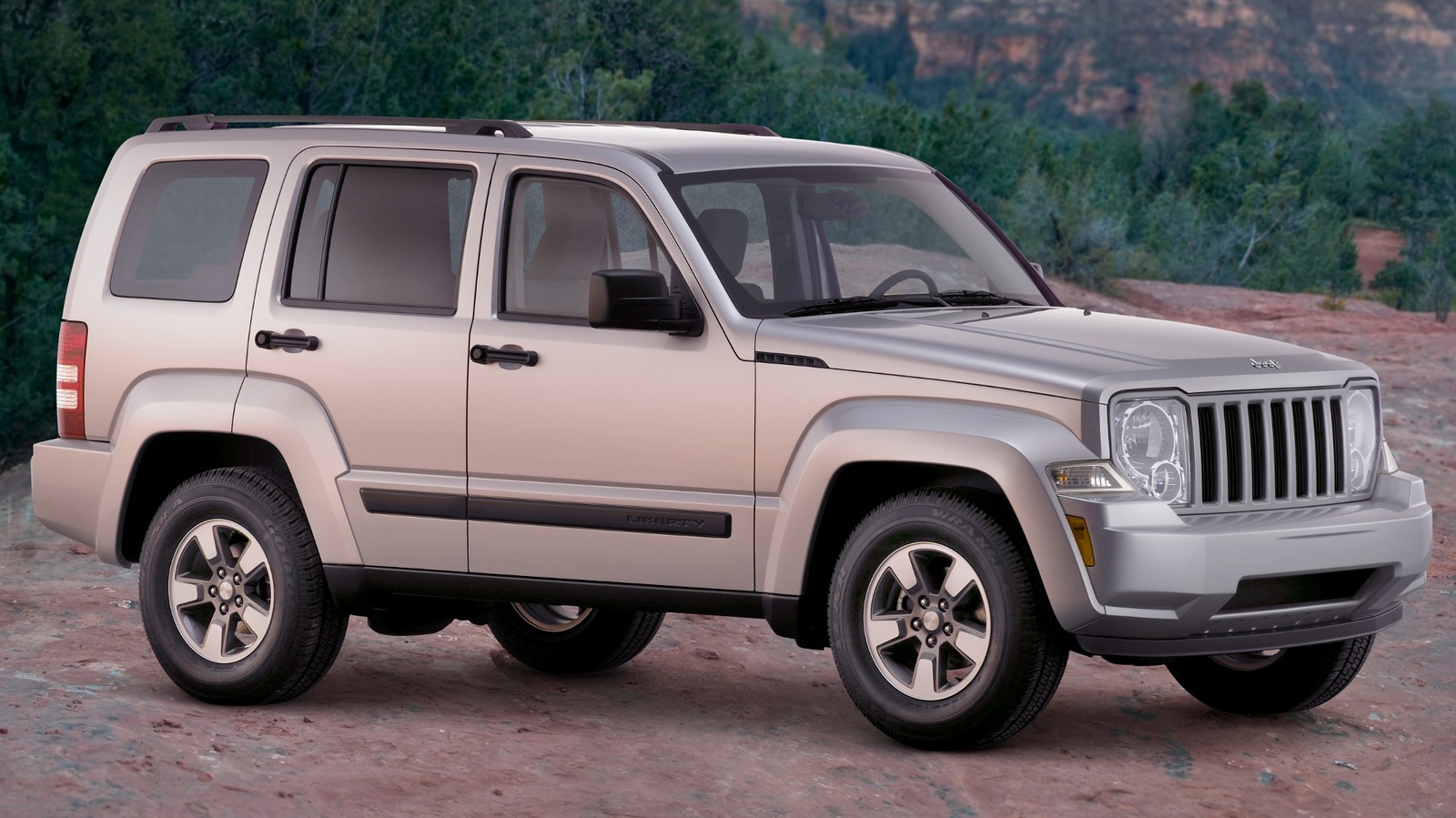
Credit: www.slashgear.com
Jeep Liberty Years To Avoid: The Most Problematic Models
Based on owner reviews, recall data, and expert opinions, there are certain Jeep Liberty years to avoid. If you want fewer headaches, skip these models:
- 2002 Jeep Liberty
- 2004 Jeep Liberty
- 2005 Jeep Liberty
- 2006 Jeep Liberty
- 2007 Jeep Liberty
- 2008 Jeep Liberty
Each of these years had their own troubles. Here’s why they stand out.
2002 Jeep Liberty: The First Year Blues
The 2002 Liberty was the first model year. New vehicles often have more issues, and this was true for the Liberty. Owners reported:
- Ball joint failure: One of the most dangerous problems. Ball joints could break, causing loss of control. Jeep had to recall over 300,000 vehicles.
- Window regulator issues: Windows would fall into the door or stop working. This became a common Liberty headache.
- Engine problems: Leaks, overheating, and noisy operation.
Many mechanics warn that fixing these problems is expensive. The ball joint issue is especially risky. Avoiding the 2002 model is a wise move.
2004 Jeep Liberty: More Recalls, More Headaches
The 2004 Liberty continued some of the same issues. But it had extra safety concerns:
- Fuel tank recalls: The Liberty’s fuel tank was found to be a fire risk in rear collisions. Jeep issued multiple recalls.
- Airbag light problems: Faulty sensors would turn on the airbag warning, making owners worry about safety.
- Window and electrical faults: Broken window regulators and electrical glitches.
The fuel tank recall was serious, with over 1 million vehicles affected. This year is best skipped.
2005 Jeep Liberty: Diesel Disaster
The 2005 Liberty is famous for its diesel engine option (CRD). While diesel sounds good, the Liberty CRD had big problems:
- Engine failure: Diesel models suffered from turbocharger and EGR valve breakdowns.
- Transmission issues: Hard shifting and sudden failure, especially in the CRD.
- Suspension breakdown: Ball joints and control arms failed, sometimes causing accidents.
Even the gasoline models had window regulator and electrical problems. Repairs for diesel engines are very expensive, so the 2005 Liberty is not a safe bet.
2006 Jeep Liberty: Safety Concerns
The 2006 Liberty looked similar to earlier models, but had new safety problems:
- Airbag recalls: Sensors failed, airbags would not deploy in a crash.
- Window regulator headaches: Jeep never fixed this issue, and owners kept complaining.
- Rust: Many 2006 Liberties suffered from rust on doors, underbody, and suspension.
The airbag recall was serious, affecting thousands of vehicles. Avoiding this year is smart if you value safety.
2007 Jeep Liberty: End Of First Generation, Same Troubles
The 2007 Liberty was the last of the first generation, but still had old issues:
- Suspension faults: Ball joint and control arm failures, sometimes causing steering loss.
- Electrical glitches: Window regulators, airbag sensors, and dash warning lights.
- Transmission problems: Delayed shifting and slipping.
Mechanics report that parts for this year are expensive, and repairs can be frequent. The 2007 Liberty is not reliable for most buyers.
2008 Jeep Liberty: Second Generation, New Problems
The 2008 Liberty started the second generation. It had modern features, but still ran into trouble:
- Water leaks: Rainwater would leak into the cabin, causing mold and electrical damage.
- Electrical faults: Power windows, locks, and warning lights often failed.
- Transmission issues: Rough shifting, sometimes total failure.
Owner reviews show that the 2008 Liberty had more complaints than later years. Water leaks and electrical failures made this model hard to trust.
Comparison Table: Jeep Liberty Years To Avoid
To help you see the differences, here’s a table comparing the worst Liberty years and their main problems:
| Model Year | Main Issues | Recalls | Estimated Repair Cost (USD) |
|---|---|---|---|
| 2002 | Ball joints, engine leaks, windows | Ball joints, airbags | $2,200 – $3,800 |
| 2004 | Fuel tank, windows, electrical | Fuel tank, airbags | $1,800 – $3,500 |
| 2005 | Diesel engine, transmission, suspension | Ball joints, EGR valve | $2,500 – $4,200 |
| 2006 | Airbag sensors, windows, rust | Airbag, window regulator | $1,900 – $3,600 |
| 2007 | Suspension, electrical, transmission | Ball joints, airbags | $2,000 – $3,700 |
| 2008 | Water leaks, electrical, transmission | Electrical, window regulators | $2,100 – $3,900 |
Jeep Liberty Years Worth Considering
Not every Liberty is bad. Some years have fewer problems and better reliability. If you want a safer bet, consider these:
- 2009 Jeep Liberty
- 2010 Jeep Liberty
- 2011 Jeep Liberty
- 2012 Jeep Liberty
These years saw fewer complaints, improved safety, and better build quality. Here’s why:
2009–2012 Jeep Liberty: Improvements And Fewer Issues
Jeep made changes after 2008, improving the Liberty’s reliability:
- Fewer electrical faults: Window regulators were upgraded, and fewer owners reported failures.
- Improved water sealing: Water leaks became rare after 2009.
- Safer suspension: Ball joint and control arm problems dropped.
- Better crash safety: Updated airbags and sensors.
These models are not perfect, but they are safer and cheaper to maintain. If you find a Liberty from these years with good maintenance records, it’s a smart choice.
Key Factors When Buying A Used Jeep Liberty
If you still want a Jeep Liberty, you should know what to check before buying. Here are the most important points:
- Maintenance records: Always ask for service history. Regular oil changes, brake checks, and repairs mean a longer-lasting SUV.
- Recall repairs: Make sure the vehicle has had all recalls fixed. Ball joints, fuel tanks, and airbags should be updated.
- Rust inspection: Check doors, underbody, and suspension for rust. Rust can weaken the frame and cause expensive repairs.
- Window function: Test all power windows. Broken regulators are common and costly.
- Suspension and steering: Listen for noises and check for smooth steering. Faulty suspension is dangerous.
- Electrical systems: Look for warning lights on the dash, and test power locks and lights.
- Water leaks: Check carpets and headliner for signs of water or mold.
- Engine and transmission: Test drive for smooth gear changes and no overheating.
If you spot any of these issues, ask for repairs or move on to another vehicle.
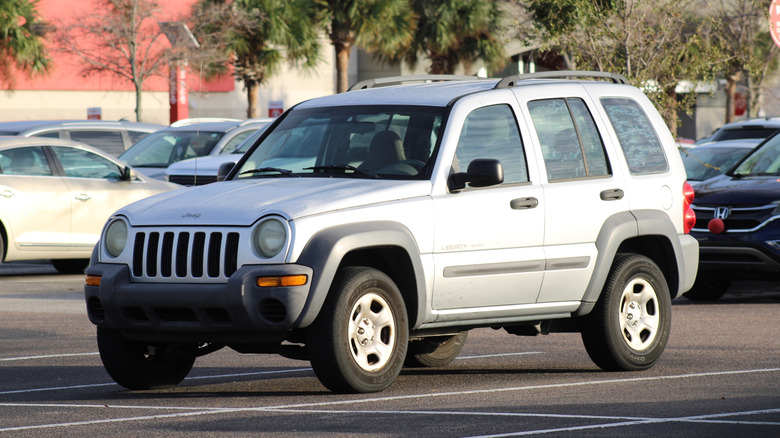
Credit: www.slashgear.com
Data Table: Jeep Liberty Recalls By Year
Knowing how many recalls each year faced can help you judge reliability. Here’s a quick breakdown:
| Year | Number of Recalls | Most Serious Recall |
|---|---|---|
| 2002 | 7 | Ball joint failure |
| 2004 | 6 | Fuel tank fire risk |
| 2005 | 5 | Diesel engine breakdown |
| 2006 | 5 | Airbag sensor failure |
| 2007 | 4 | Ball joint recall |
| 2008 | 4 | Electrical faults |
| 2009 | 2 | Improved airbag recall |
| 2010 | 2 | Window regulator update |
| 2011 | 1 | Minor electrical issue |
| 2012 | 1 | Airbag sensor improvement |
Non-obvious Insights Most Buyers Miss
Many buyers look only at the price and mileage, but there are two extra points that can save you trouble:
- Check for aftermarket parts: Some Liberties have cheap aftermarket ball joints or window regulators. These parts can fail faster than original Jeep parts. Ask if replacements are OEM (original equipment manufacturer).
- Look for dealer service records: Liberties serviced at Jeep dealerships often have better repair history. If you see regular dealership visits, it means recalls and updates were handled properly.
Jeep Liberty Alternatives If You Want Reliability
If you are nervous about Liberty problems, there are other compact SUVs with better reliability:
- Toyota RAV4: Known for strong reliability and low repair costs.
- Honda CR-V: Smooth ride and fewer recalls.
- Ford Escape: Good value, fewer suspension issues.
- Subaru Forester: Excellent safety and all-wheel drive.
Each of these models has fewer complaints than the Jeep Liberty, especially in the years to avoid.
Why Some Jeep Liberty Years Are Still Popular
Even with their problems, some people still buy Liberties from bad years. Why? Mainly because:
- Low price: Problematic years are cheaper, sometimes $2,000–$3,000 less than safer models.
- Easy to fix: If you are a mechanic or handy, you can repair ball joints and window regulators yourself.
- Off-road ability: All Liberties can handle mud and snow better than most compact SUVs.
But for most buyers, these positives do not outweigh the risks. Avoiding bad years is safer.
How To Find A Safe Used Jeep Liberty
If you want a Liberty, here’s how to find a reliable one:
- Shop certified pre-owned: These vehicles are inspected and usually have recall repairs done.
- Ask for a VIN check: Get a vehicle history report to see accidents, recalls, and maintenance.
- Test drive: Always drive before buying. Listen for noises, check windows, and look for warning lights.
- Ask for mechanic inspection: A trusted mechanic can spot hidden problems.
These steps cost a little extra, but they can save thousands in repairs.
Jeep Liberty: Cost Of Ownership
Many buyers ask if the Jeep Liberty is expensive to own. Here are some numbers:
- Average annual maintenance: $650–$1,000, depending on year and mileage.
- Common repairs: Ball joints ($400–$600), window regulators ($200–$350 per window), transmission ($2,000–$3,500).
- Fuel economy: 15–18 mpg city, 20–22 mpg highway. Not very efficient compared to rivals.
- Insurance: About $1,200–$1,500 per year for average drivers.
If you buy a bad year, costs can go up quickly. Good maintenance and careful shopping help keep costs lower.
Credit: rerev.com
Data Table: Liberty Vs. Rivals (reliability Ratings)
Here’s a comparison of reliability scores from major sources:
| Model | Year Range | Reliability Score (out of 10) | Estimated Annual Repairs (USD) |
|---|---|---|---|
| Jeep Liberty | 2002–2008 | 5.0 | $900 |
| Jeep Liberty | 2009–2012 | 6.5 | $700 |
| Toyota RAV4 | 2002–2012 | 8.0 | $400 |
| Honda CR-V | 2002–2012 | 8.3 | $380 |
| Ford Escape | 2002–2012 | 7.6 | $420 |
| Subaru Forester | 2002–2012 | 8.5 | $390 |
As you can see, the Liberty is not as reliable as most rivals. If you want fewer repairs, consider other options.
Jeep Liberty: Safety Ratings And Concerns
Safety is important, especially in older vehicles. The Jeep Liberty had mixed safety scores:
- Crash tests: Early years (2002–2007) scored lower in side-impact and rollover tests. Second generation (2008–2012) improved.
- Airbag recalls: Many Liberties had airbag sensor problems, especially 2006 and 2007.
- Fuel tank fire risk: 2004 and some later Liberties had fuel tank placement issues. Jeep recalled over 1.5 million vehicles for this.
If safety matters to you, stick to 2009–2012 models, which had improved crash scores and fewer recalls.
Should You Buy A Jeep Liberty?
The Jeep Liberty can be a good SUV if you choose the right year and check for common problems. But buying the wrong model can lead to expensive repairs and safety risks.
- Avoid years with major recalls, especially 2002, 2004, 2005, 2006, 2007, and 2008.
- Look for 2009–2012 models with clean records and updated recalls.
- Compare to other SUVs if you want better reliability and safety.
For more detailed recall information, you can check official sources like NHTSA.
Frequently Asked Questions
What Are The Worst Jeep Liberty Years?
The worst Jeep Liberty years are 2002, 2004, 2005, 2006, 2007, and 2008. These models had ball joint failures, fuel tank recalls, electrical problems, and airbag issues. Avoid these years for fewer repairs and safer driving.
Is The Jeep Liberty Expensive To Maintain?
Yes, older Jeep Liberty models can be expensive to maintain. Common repairs like ball joints and window regulators often cost $200–$600 each. Transmission repairs can reach $2,000–$3,500. Maintenance is cheaper for 2009–2012 models.
Are Diesel Jeep Liberties Reliable?
The diesel Jeep Liberty (2005 CRD) is less reliable than gasoline models. Engine and turbocharger failures are common, and repairs are costly. Most experts suggest avoiding the diesel Liberty unless you are a mechanic.
How Do I Check If A Jeep Liberty Had Recall Repairs Done?
Ask the seller for service records and check the VIN with official sources like NHTSA. Dealers can confirm if recalls (ball joints, fuel tanks, airbags) were fixed. Only buy if all recalls have been completed.
What Are Good Alternatives To The Jeep Liberty?
Good alternatives include the Toyota RAV4, Honda CR-V, Ford Escape, and Subaru Forester. These SUVs have better reliability, lower repair costs, and higher safety ratings.
—
Finding the right used SUV takes patience and research. The Jeep Liberty has strong off-road ability, but some years are risky. If you avoid the worst years and check for common issues, you can enjoy a Liberty for many miles.
Compare with rival SUVs and always check maintenance records before buying. This way, you’ll get a vehicle that fits your budget and keeps you safe on the road.