Buying a Jeep Wrangler JL is a dream for many adventure lovers. The JL is known for its tough build, off-road skills, and classic look. But not every JL model year is the same. Some years have more problems or issues than others, making them less reliable or more expensive to own.
If you’re thinking about buying a used Jeep JL, knowing which years to avoid can save you money, stress, and future trouble.
This guide will help you make a smart choice. We’ll look at the Jeep JL years to avoid, explain why, and share real data and examples. You’ll learn about common problems, recalls, and what makes certain years riskier than others.
Plus, we’ll compare model years, highlight hidden issues, and answer the most common questions buyers have. Whether you’re a Jeep fan or a first-time buyer, this article is your complete resource for picking the right Jeep JL.
Jeep Jl: A Quick Overview
The Jeep Wrangler JL was launched in late 2017 as a 2018 model. It replaced the older JK generation, bringing new features, improved comfort, and modern technology. The JL kept the famous off-road power but added changes like better suspension, new engines, and more safety options.
Some key changes in the JL generation:
- Improved ride quality and handling
- New turbocharged 2.0L engine option
- Updated 3.6L Pentastar V6 engine
- 8-speed automatic transmission
- Modern infotainment with touchscreens
- More advanced safety features
- Better fuel economy compared to earlier Wranglers
The JL is available in two-door and four-door (Unlimited) versions, with different trim levels like Sport, Sahara, Rubicon, and special editions.
Another big change with the JL was the use of lightweight materials such as aluminum in the doors and hood, helping with fuel efficiency and making doors easier to remove for off-roading. Inside, Jeep added more comfort: better seating, improved sound deadening, and a higher-quality interior compared to the JK generation. The new infotainment system supports Apple CarPlay and Android Auto, which was a major step up for tech-focused buyers.
Off-road, the JL improved approach and departure angles, and offered advanced 4×4 options like the Rock-Trac system on Rubicon models. These changes made the JL not only more comfortable on the highway but also more capable on trails.
Why Are Some Jeep Jl Years Riskier?
Not all JL years have the same reliability. Some years, especially early ones, faced more factory defects, recalls, and owner complaints. This happens for several reasons:
- First-year production issues: When a new model is launched, some problems aren’t found until thousands of people drive them. These “first-year bugs” can include engine troubles, electronics glitches, and build quality issues.
- New technology problems: The JL brought new engines, transmissions, and electronics. Early versions sometimes had more failures as Jeep learned to fix and improve them.
- Recalls and unresolved defects: Some years had major recalls. If repairs weren’t done, these Jeeps could still have dangerous issues.
- Owner complaint spikes: If many owners report the same problem, that year is riskier. Data from sites like NHTSA and Consumer Reports show which years had more complaints.
Another reason certain years are riskier: supplier changes during production. Jeep sometimes switched parts suppliers or updated components in the middle of a model year. As a result, two JLs from the same year can have different parts inside. This makes it harder to predict which Jeeps will have problems.
A less obvious factor is how Jeep handled repairs and customer service. In early years, dealers were sometimes overwhelmed with new JL repairs and lacked proper training, which led to slow fixes and repeat visits for the same issues. This improved in later years.
Let’s dig into the details of which Jeep JL years you should avoid and why.
Jeep Jl Years To Avoid: Detailed Breakdown
2018 Jeep Jl
The 2018 Jeep JL was the first year for the new generation. While exciting, it was also the most troubled. Early production had several issues:
- Transmission problems: Many owners reported jerky shifting, transmission failures, and leaks. The new 8-speed automatic had teething problems.
- Electrical glitches: Malfunctions in the infotainment system, dashboard lights, and power windows were common.
- Engine recalls: The 2.0L turbo and 3.6L V6 both had recalls for oil leaks and stalling.
- Poor build quality: Loose trim, rattles, and water leaks in the cabin were frequent.
- Multiple recalls: Over 10 recalls, including for steering, airbags, and fuel leaks.
| Issue | 2018 JL Frequency | Typical Repair Cost |
|---|---|---|
| Transmission Failure | High | $3,500+ |
| Electrical Malfunction | Moderate | $800 |
| Engine Stalling | Moderate | $1,200 |
| Cabin Water Leak | High | $400 |
Real Owner Example
One owner in Texas reported their 2018 JL stalling on the highway due to a faulty crankshaft sensor. Jeep recalled the part, but it took months to fix. Several others had transmission replacements in less than 20,000 miles.
Other owners described electrical gremlins that affected dashboard displays and left them without working radio or navigation. In some cases, replacing the infotainment module was the only solution. These stories are not rare—search any Jeep forum and you’ll find similar complaints, especially with the 2018s built in the first six months of production.
2019 Jeep Jl
The 2019 JL improved some early issues but still had trouble. Many 2018 defects carried over, especially in early 2019 builds.
- Transmission and engine issues: Some owners still experienced rough shifting, oil leaks, and engine warning lights.
- Steering “death wobble”: Reports of sudden steering shake at highway speeds increased.
- Electronics and infotainment: Touchscreen freezing, Bluetooth failures, and backup camera glitches.
- Fewer recalls than 2018, but still above average.
Another ongoing problem for 2019 was the soft top and hard top leaks. Owners in wet climates reported water dripping into the dash or pooling in footwells after heavy rain. Dealerships sometimes misdiagnosed the cause, blaming user error or poor maintenance, but the issue was really with the factory seals.
Non-obvious Insight
Even though Jeep fixed some recalls, many dealers used the same replacement parts, which failed again. Owners often had to return multiple times.
Insurance companies also flagged 2019 JLs for higher-than-average claim rates, meaning future premiums could be higher for buyers of these years.
2020 Jeep Jl
By 2020, Jeep solved many early bugs, but new issues appeared:
- Steering problems: The infamous “death wobble” remained, especially in lifted or modified JLs.
- Paint and rust issues: Some owners saw premature rust on undercarriage and hinges.
- Infotainment bugs: Software updates sometimes made things worse, causing system crashes.
- Turbo engine concerns: The 2.0L turbo had more cooling and oil problems.
A new problem surfaced in 2020: battery drain. Many owners found their JL’s battery dying overnight because of a faulty relay or software glitch that kept systems running even after the Jeep was turned off. While it might sound minor, a dead battery can leave you stranded, especially in cold weather or remote areas.
| Model Year | Major Recalls | Owner Complaints (NHTSA) |
|---|---|---|
| 2018 | 12 | 310 |
| 2019 | 9 | 218 |
| 2020 | 7 | 144 |
| 2021 | 4 | 82 |
2021 And Beyond: Improvements And Remaining Issues
The 2021 JL and newer models are generally more reliable. Jeep fixed most early transmission and engine bugs. However, some problems persist:
- Steering and suspension: The death wobble can still occur, especially after off-road use.
- Electronics: Occasional software bugs in navigation and sensors.
- Quality control: Some owners report paint blemishes and loose trim.
The 2021 model year brought small but important changes, like better electrical connectors, more robust seals, and improved assembly quality. Jeep also improved dealer training, so technicians are more familiar with JL-specific problems.
Experience-based Insight
Many owners say the 2021 JL feels much more “sorted. ” Most issues are minor and easily fixed under warranty. But if you plan heavy off-roading or modifications, check the suspension and steering components carefully.
A non-obvious tip for 2021 and newer: If you’re buying a used JL, ask the seller if all factory software updates have been applied. Sometimes updates improve shifting, infotainment, and even fuel economy.
Comparing Jeep Jl Model Years
To help you see the differences, here’s a comparison of key reliability factors for the main JL years:
| Year | Transmission Reliability | Engine Reliability | Electronics Reliability | Overall Owner Satisfaction |
|---|---|---|---|---|
| 2018 | Poor | Fair | Poor | Low |
| 2019 | Fair | Fair | Fair | Moderate |
| 2020 | Good | Fair | Fair | Moderate |
| 2021+ | Good | Good | Good | High |
Looking deeper, owner forums often mention that the 2021 JL also has better factory tires and fewer “off the line” issues. Complaints about leaking roofs and squeaky interiors are much less common in later models.
Common Problems In Jeep Jl Years To Avoid
Let’s look closer at the main issues that make certain JL years risky:
Transmission Failure
The new 8-speed automatic was advanced, but in 2018 and 2019, it had more failures. Owners reported harsh shifting, slipping, and total breakdowns. Repairs are expensive and require specialized parts.
A less obvious sign of transmission trouble is a burning smell or sudden clunk during gear changes. Many owners ignored small symptoms, only to face bigger bills later.
Engine Stalling And Oil Leaks
Both the turbo 2. 0L and V6 engines had recalls for stalling, sudden power loss, and oil leaks. Some owners had repeated leaks even after repairs. This is especially true for early production JLs.
One beginner mistake is not checking for oil stains under the Jeep after it has been parked overnight. Even a small leak can grow, and oil loss is dangerous for these engines.
Steering Death Wobble
The “death wobble” is a sudden, violent steering shake at speed. It’s caused by loose suspension parts, poor alignment, or weak steering stabilizers. While common in older Jeeps, it’s surprising in new JL models, especially 2019 and 2020.
A practical tip: If you feel even a small vibration in the steering wheel at highway speeds, get the alignment checked before it becomes a bigger problem.
Electrical And Infotainment Issues
Touchscreens freezing, Bluetooth cutting out, and random warning lights are frequent complaints. Some owners report the systems rebooting while driving, which is distracting and unsafe.
A less-known issue is with the auxiliary switches (for off-road lights or winches). These sometimes fail to work due to software bugs, not hardware.
Water Leaks And Rust
Water leaks in the cabin, especially from the removable roof panels, are common in 2018 JLs. Rust on undercarriage parts and door hinges appears earlier than expected, especially in humid climates.
If you see any bubbling paint near hinges or the bottom of doors, it’s a red flag for early rust.
Paint And Trim Quality
Loose interior trim, rattling panels, and paint chips are more frequent in early JL years. These may seem minor but can affect long-term value.
Some buyers overlook small paint flaws, but these can lead to rust if not fixed early, especially in regions with snow and road salt.
Jeep Jl Recalls: What You Need To Know
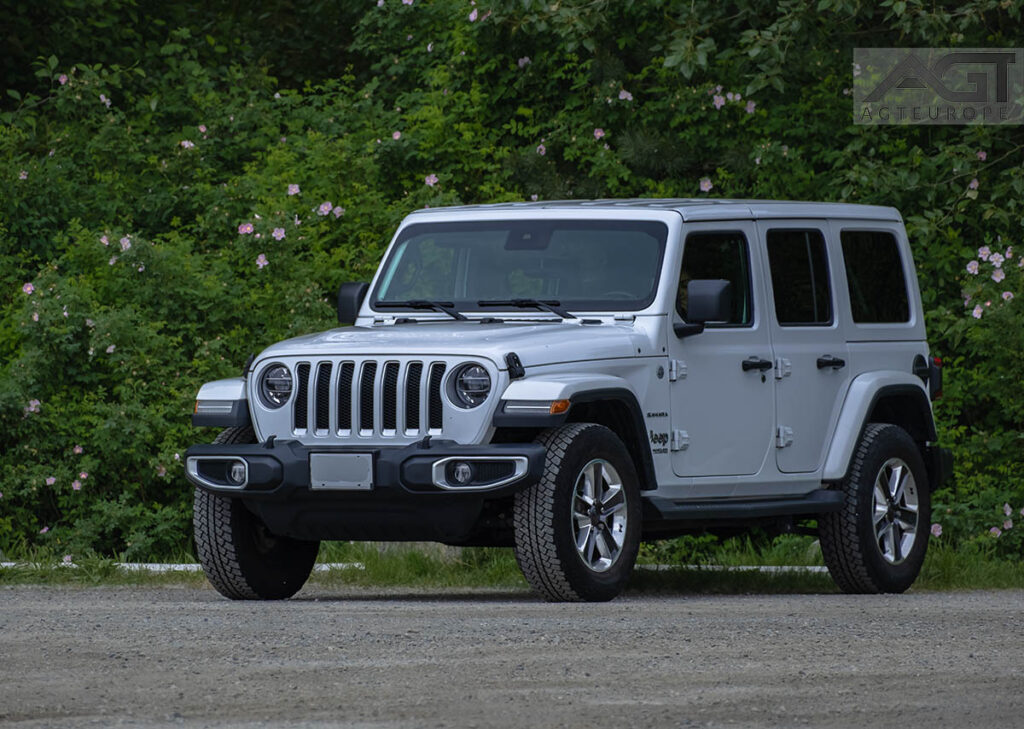
Recalls are official actions by Jeep to fix safety or reliability issues. If you buy a used JL, check the recall history and make sure repairs were done.
Some major recalls for 2018–2020 JL include:
- Transmission fluid leaks (risk of fire)
- Engine stalling (crankshaft sensor failure)
- Steering system defects
- Airbag deployment issues
- Fuel tank leaks
A practical tip: Always get proof of recall repairs from the seller. If the Jeep had multiple owners, check with a dealer to confirm all fixes were done.
You can check recalls for any VIN at the official NHTSA site or at NHTSA.gov.
Credit: agtauto.com
Hidden Costs: What Beginners Often Miss
Many buyers focus on the sticker price, but miss hidden costs that come with problematic JL years:
- Repair downtime: Early JL models often need weeks in the shop for parts and fixes.
- Warranty fights: Dealers sometimes deny warranty repairs, blaming “normal wear” or modifications.
- Lower resale value: JL years with high complaint rates sell for less, even if fixed.
- Insurance impact: Models with higher claim rates can mean higher premiums.
Non-obvious tip: Always check the Carfax or similar report for repeated service visits. This signals a “lemon” Jeep.
Another hidden cost is rental vehicles while your JL is in the shop. If the repair takes weeks, you may pay hundreds more in rental fees. Also, some repairs (like roof leaks) can ruin carpets or electronics, adding to total ownership costs.
Signs Of A Risky Jeep Jl
How can you spot a JL from a troubled year? Look for these clues during your search:
- Many recall stickers under the hood or in the door jamb
- Unusual engine noise or warning lights on start-up
- Loose or rattling trim inside the cabin
- Water stains or mold smell, showing past leaks
- Repair invoices for major parts like transmission or engine
If you see these signs, think twice or get a detailed inspection.
Also, check the tires for uneven wear, which can signal suspension or alignment problems common in risky JL years.

Credit: www.youtube.com
Jeep Jl Years Worth Considering
While this article focuses on years to avoid, you might wonder which JL years are safe bets. Generally, the 2021 JL and newer are more reliable, with fewer complaints and better build quality. If you want a used JL, start your search with these later models.
Buyers who test drive both early and late JLs often say the newer ones feel tighter, quieter, and smoother. Even little things like door handle feel and window operation are improved.
Buyer’s Guide: How To Choose A Good Used Jeep Jl
If you must buy from a risky year, follow these steps to reduce problems:
- Get a full service history: Make sure all recalls and major repairs are done.
- Inspect for leaks and rust: Look closely at the undercarriage, hinges, and roof seals.
- Test drive at highway speed: Check for steering wobble, unusual noises, and electronics glitches.
- Check infotainment and electronics: Try all features—touchscreen, backup camera, sensors.
- Ask about warranty: Some JLs have extended warranties for specific issues.
- Consider certified pre-owned: These JLs are inspected and often come with extra coverage.
Non-obvious tip: If buying a lifted or modified JL, make sure the work was done by professionals and doesn’t void warranty.
Check for signs of past water leaks under the carpets and in the trunk. If the Jeep has a musty smell or visible mildew, it’s best to walk away.
Jeep Jl Vs Jk: Reliability And Issues
Some buyers compare the JL with the older JK. Here’s a quick look at reliability differences:
| Factor | JL (2018-2021) | JK (2007-2017) |
|---|---|---|
| Engine Options | More (Turbo, V6, Diesel) | V6 Only |
| Transmission Issues | Higher (early years) | Lower |
| Electronics | Advanced, more bugs | Basic, fewer bugs |
| Ride Quality | Better | Rougher |
| Recalls | More (first years) | Moderate |
The JL is more advanced but early years have more reliability complaints. The JK is simpler but can feel outdated.
One more insight: JKs are easier to work on for DIY owners, while JLs often require dealer-level diagnostics for repairs.
Practical Tips For Jeep Jl Owners
If you already own a JL from a risky year, here’s how to minimize trouble:
- Stay updated on recalls: Register your VIN with Jeep to get alerts.
- Regular maintenance: Change oil and fluids on time, and check for leaks.
- Watch for warning signs: Don’t ignore engine lights or strange noises.
- Join Jeep forums: Owners share fixes and advice for common problems.
- Use OEM parts: Aftermarket parts can cause new issues and void warranty.
Experience-based tip: Many problems are fixed with small updates or adjustments. Don’t rely only on dealer fixes—sometimes independent Jeep shops do better work.
Another tip: If you plan to off-road, check all bolts and nuts after every trip. Early JLs sometimes have fasteners that loosen over time, which can lead to steering or suspension problems if ignored.
Credit: www.extremeterrain.com
Frequently Asked Questions
What Is The “death Wobble” In Jeep Jl, And How Do I Fix It?
The death wobble is a violent steering shake at highway speed. It’s usually caused by loose suspension parts or weak steering stabilizers. Fixing it means tightening all suspension bolts, replacing worn parts, and sometimes upgrading the stabilizer. If you experience it, get your JL checked quickly.
Are 2018 And 2019 Jl Models Always Bad?
No, but they have more risks. Some early builds are much worse than later ones. If you find a 2018 or 2019 JL with all recalls fixed and a clean service history, it can still be a good buy. But expect more minor issues.
How Can I Check If A Used Jl Had All Recalls Fixed?
Ask the seller for repair records, or check the VIN at NHTSA.gov. Dealers can also print the recall history for your specific Jeep.
Is The Turbo 2.0l Engine Reliable?
The turbo 2.0L is powerful and efficient, but early versions had cooling and oil leak problems. By 2021, most issues were fixed. If buying an earlier JL, check for repair records on this engine.
Can I Safely Buy A Modified Jl?
Yes, but be careful. Mods like lifts and big tires can stress suspension and cause steering problems. Always check if the work was done by professionals, and see if it affects the warranty.
Choosing the right Jeep JL is about more than style and price. Knowing which years to avoid, and why, will help you get a reliable, fun, and safe vehicle. Take your time, inspect carefully, and use this guide to make the best decision possible.