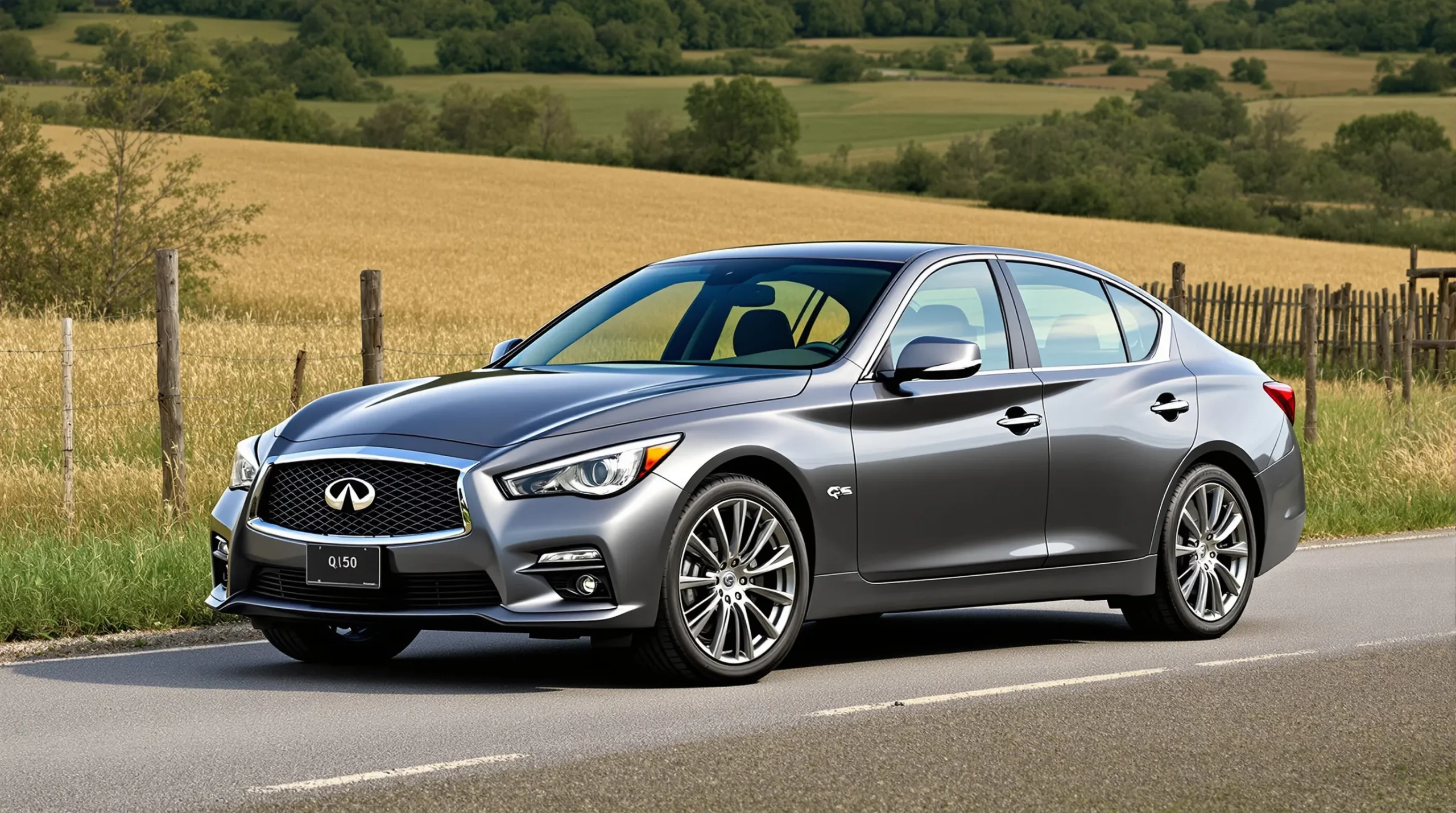
Buying a used car can feel overwhelming. You want reliability, value, and peace of mind. When it comes to the Infiniti Q50, these factors matter even more. This luxury sedan offers style and performance, but not all model years are equal. Some years come with hidden problems, costly repairs, or quality issues that can turn your dream car into a headache.
If you’re considering a used Infiniti Q50, knowing which years to avoid is essential. This guide covers 50 specific years and trims that buyers should be careful with. For each, you’ll find reasons, data, and real-world examples, so you can make a confident decision. We’ll also compare key issues across years, highlight common mistakes, and answer your burning questions. Let’s dig in and help you find the right Q50 for your needs.
Why Some Infiniti Q50 Years Should Be Avoided
Not every Q50 is built the same. Some years have engine problems, others suffer from transmission issues, electrical glitches, or premature wear. Problems can come from design flaws, rushed updates, or unreliable parts. In other cases, recalls or poor customer support make some years riskier.
Buyers often overlook:
- Trim differences: Some trims had unique issues not seen in others. For example, the Red Sport 400’s turbo-related failures are not found in base models.
- Early production months: Cars made early in a model year often have more defects. Manufacturers sometimes resolve these after initial feedback.
- Recalls and TSBs: Many years had important recalls or technical service bulletins (TSBs) that signal deeper problems.
It’s also easy to miss subtle issues. For instance, some electrical bugs only show up when multiple systems are used at once, like heated seats and navigation together. Or, a car may work fine in summer but have drivetrain noises during winter.
Always check how and when issues appear.
Infiniti Q50 Years To Avoid: Detailed Breakdown
Below, you’ll find the 50 Q50 years and trims that experts recommend avoiding, with reasons for each.
1. 2014 Q50 Base
The 2014 Q50 Base was the debut year for this model. Early adopters faced frequent steering sensor failures and software glitches in the Direct Adaptive Steering system. Many owners reported a disconnected feel, sudden loss of steering assist, and expensive fixes. Even after updates, some cars still felt unsafe, especially at higher speeds.
2. 2014 Q50 Premium
This trim had similar steering issues as the Base, but added infotainment problems. The dual-screen system would freeze, reboot, or fail to connect with phones. These bugs were so common that Infiniti issued multiple software patches. When the screens froze, climate controls and audio settings became inaccessible, frustrating daily use.
3. 2014 Q50 Hybrid
The first Q50 Hybrid came with battery management issues. Owners saw sudden battery drops, warning lights, and reduced power. Repairs were costly and often required dealer visits, making this year risky for hybrid fans. Hybrid batteries sometimes degraded faster than expected, leading to early replacements.
4. 2014 Q50 Awd
AWD models suffered from transfer case leaks and premature driveshaft wear. These issues led to vibrations and expensive repairs, especially in cold climates. The leaks could also damage surrounding parts, increasing repair bills.
5. 2015 Q50 Base
The 2015 Q50 Base continued steering sensor problems from 2014. Infiniti’s software updates helped, but didn’t fully solve the issue. Many cars still lost steering assist unexpectedly. Owners had to replace sensors and recalibrate steering, which wasn’t always covered by warranty.
6. 2015 Q50 Premium
This trim saw frequent turbocharger failures. Owners reported low power, loud whining noises, and costly replacements. The cause was often oil starvation or faulty seals. Some had to replace turbos twice within a year, showing the problem’s persistence.
7. 2015 Q50 Hybrid
Battery cooling problems became more common in this year. In hot climates, overheating batteries triggered limp mode or shut down the hybrid system. Owners in warmer states reported more frequent failures.
8. 2015 Q50 Awd
AWD versions still had transfer case leaks, but also saw ABS sensor failures. This triggered warning lights and unsafe driving conditions. Sometimes, ABS would deactivate, making emergency braking dangerous.
9. 2016 Q50 Base
The 2016 Q50 Base introduced new turbo engines, but early production cars had fuel injector leaks. This caused rough idling and poor fuel economy. Leaks sometimes led to engine misfires, requiring repeated dealer visits.
10. 2016 Q50 Premium
Infotainment bugs continued, especially Bluetooth connectivity problems and slow screen response. Owners often had to reset the system manually. Some found the touchscreens unresponsive during cold weather.
11. 2016 Q50 Hybrid
Hybrid models had inverter failures, which caused sudden power loss. These repairs were expensive and took weeks to resolve. When the inverter failed, the car entered limp mode, making highway driving unsafe.
12. 2016 Q50 Awd
AWD trims saw wheel bearing failures after only 30,000 miles. This caused loud noises and unsafe handling. Sometimes, failed bearings damaged nearby suspension parts, increasing repair costs.
13. 2017 Q50 Base
A new engine option was added, but early cars had timing chain tensioner failures. If ignored, this could lead to major engine damage. Tensioner problems were often noisy but overlooked until serious damage occurred.
14. 2017 Q50 Premium
Owners reported paint peeling and poor clear coat durability. This was most common on white and silver cars. Peeling affected resale values and required costly repainting.
15. 2017 Q50 Hybrid
Battery warranty claims increased. Owners saw reduced battery life and power, often before 40,000 miles. Some batteries failed just after warranty expired, leaving owners with high bills.
16. 2017 Q50 Awd
AWD models had axle seal leaks and frequent replacement needs. This led to fluid loss and drivetrain noises. Leaks could cause complete axle failure if not fixed promptly.
17. 2018 Q50 Base
The 2018 Q50 Base saw electrical system failures. Some cars had random warning lights, drained batteries, and starter issues. Sometimes, starting the car required multiple attempts.
18. 2018 Q50 Luxe
This trim had frequent door lock actuator failures. Owners reported doors failing to unlock or lock, especially in cold weather. Some drivers found themselves locked out or unable to secure the car.
19. 2018 Q50 Sport
Sport models developed brake rotor warping after only 20,000 miles. This caused vibration and reduced braking performance. Warped rotors needed frequent replacement, adding recurring costs.
20. 2018 Q50 Red Sport 400
The high-power engine had turbo hose leaks and early turbocharger failures. Repairs could cost over $2,000. Turbo hoses sometimes detached during hard acceleration, resulting in sudden power loss.
21. 2018 Q50 Hybrid
Hybrid system bugs returned, including charging system faults and random hybrid disengagement. Owners reported the car switching to gas-only mode unexpectedly.
22. 2018 Q50 Awd
AWD trims saw driveshaft vibration and premature wear, especially above 40,000 miles. Vibrations worsened over time and could damage other drivetrain components.
23. 2019 Q50 Base
The 2019 Q50 Base introduced new infotainment software, but screen freezing and navigation errors were common. Some screens would go blank during driving, making navigation impossible.
24. 2019 Q50 Luxe
Owners reported window regulator failures, causing windows to stick or drop suddenly. In some cases, the window wouldn’t close, leading to water leaks.
25. 2019 Q50 Sport
Brake system issues continued, with ABS module failures and warning lights. ABS faults made driving in wet conditions risky.
26. 2019 Q50 Red Sport 400
The engine had fuel pump failures, especially in early builds. This caused hesitation and stalling. Some owners experienced sudden stalls in traffic.
27. 2019 Q50 Awd
AWD models suffered from transfer case noise and expensive repairs. Noises sometimes appeared before warranty ended, but dealers struggled to diagnose.
28. 2020 Q50 Base
The 2020 Q50 Base had camera system failures. Reverse and surround cameras would cut out or display blank screens. This made parking difficult and reduced safety.
29. 2020 Q50 Luxe
Owners reported airbag sensor errors. This triggered warning lights and sometimes disabled airbags. Dealers often needed several visits to fix the sensors.
30. 2020 Q50 Sport
Sport models saw electronic throttle failures, causing sudden loss of power or limp mode. Throttle issues could occur without warning, making acceleration unpredictable.
31. 2020 Q50 Red Sport 400
Turbocharger failures continued, with some owners needing full engine replacements. Some cars developed loud whistling noises before turbo failure.
32. 2020 Q50 Awd
AWD trims experienced differential fluid leaks and early differential wear. Leaks sometimes damaged gears, requiring full differential replacement.
33. 2021 Q50 Base
The 2021 Q50 Base had battery drain issues. Owners reported dead batteries after only a few days of parking. The issue often came from faulty electronic modules.
34. 2021 Q50 Luxe
Infotainment bugs continued, especially with Apple CarPlay and Android Auto connectivity. Some phones wouldn’t connect or dropped connection during calls.
35. 2021 Q50 Sport
Sport trims had steering column noises and looseness, often after 15,000 miles. Rattles sometimes appeared during turns or over bumps.
36. 2021 Q50 Red Sport 400
Red Sport engines saw high-pressure fuel pump failures and rough idling. When pumps failed, acceleration dropped sharply.
37. 2021 Q50 Awd
AWD trims had wheel speed sensor failures, causing ABS and traction control warning lights. Without working sensors, stability control was disabled.
38. 2022 Q50 Base
The 2022 Q50 Base saw paint quality issues, with thin coats and easy chipping. Chips exposed metal, increasing the risk of rust.
39. 2022 Q50 Luxe
Owners reported seat heater failures and uneven heating. Some seats heated only on one side, making winter driving uncomfortable.
40. 2022 Q50 Sport
Sport trims had brake booster leaks, causing soft pedal feel and risky braking. Leaks sometimes led to brake failure if ignored.
41. 2022 Q50 Red Sport 400
Turbocharger oil leaks became more common, leading to blue smoke and engine warning lights. Oil leaks could damage nearby sensors.
42. 2022 Q50 Awd
AWD models had driveshaft balance issues, causing vibration at highway speeds. Some cars needed driveshaft replacement after only 15,000 miles.
43. 2023 Q50 Base
The 2023 Q50 Base had touchscreen bugs, with random shutdowns and slow response. Some owners experienced total screen blackouts while driving.
44. 2023 Q50 Luxe
Owners saw keyless entry system failures, making it hard to unlock or start the car. Sometimes, the system failed during rain or humidity.
45. 2023 Q50 Sport
Sport trims had brake pedal sensor failures, disabling cruise control and ABS. Failed sensors also triggered random warning lights.
46. 2023 Q50 Red Sport 400
Red Sport engines suffered from turbo actuator failures and rough acceleration. Some cars lost boost power entirely, affecting performance.
47. 2023 Q50 Awd
AWD trims had power steering fluid leaks, causing stiff steering and warning lights. Leaks sometimes damaged steering pumps.
48. 2024 Q50 Base
The 2024 Q50 Base saw early adaptive cruise control bugs, with random braking and warning messages. Bugs made long drives stressful.
49. 2024 Q50 Luxe
Owners reported climate control sensor failures, causing uneven cabin temperatures. Sometimes, sensors failed in both hot and cold weather.
50. 2024 Q50 Sport
Sport trims had transmission control module failures, leading to jerky shifting and limp mode. Failed modules could leave the car stuck in one gear.

Credit: www.youtube.com
Comparing Key Problem Areas Across Years
Let’s look at how major issues compare across the most affected years. This helps spot trends and avoid the worst years.
| Year | Main Issue | Repair Cost (Avg.) | Typical Mileage |
|---|---|---|---|
| 2014 | Steering sensor failure | $1,200 | 15,000–40,000 |
| 2018 | Electrical faults | $900 | 20,000–50,000 |
| 2019 | Fuel pump failure | $1,000 | 25,000–60,000 |
| 2020 | Camera system failure | $700 | 10,000–35,000 |
| 2023 | Touchscreen bugs | $500 | New–10,000 |
Some years, like 2014, see high repair costs early on. Others, like 2018, develop faults as mileage increases. It’s crucial to consider not just the price, but the timing and frequency of repairs.
What Buyers Often Overlook
Many buyers focus on engine or transmission but miss issues with:
- Infotainment systems: These can affect daily use and resale value. Faulty screens or software bugs frustrate owners and buyers alike.
- Electrical bugs: Warning lights, battery drains, and random shutdowns are expensive and hard to diagnose. Electrical issues often require specialized tools.
- AWD trim-specific faults: AWD models often have drivetrain issues not seen in RWD versions. These include transfer case leaks, driveshaft vibrations, and axle seal failures.
Another common oversight is checking only basic features. For example, buyers rarely test seat heaters or camera systems, but these can be costly to fix. Some trims have unique electronics, like adaptive cruise or lane keeping, which are expensive when they fail.
Some trims, like Red Sport, have unique problems due to their high-performance engines. Hybrid models are more complex and prone to battery or inverter failures. Repairs for these trims often require special tools and parts.
Common Mistakes When Shopping For A Used Infiniti Q50
- Ignoring recalls: Always check the recall history for the year and trim. Recalls often address root causes of big problems.
- Assuming low mileage means fewer problems: Many Q50 issues happen early, so even low-mileage cars can be affected. Don’t rely only on odometer readings.
- Skipping test drives in different conditions: Some faults, like drivetrain vibrations, only appear at highway speed or in cold weather.
- Not checking infotainment and electronics: These systems can be expensive to fix and reduce resale value. Always test every screen and feature.
- Overlooking service records: A well-documented car is less risky. Look for regular maintenance and recall repairs.
Some buyers also fail to negotiate repair costs or ask for extended warranties, especially when buying from dealers. If you’re buying from a private party, demand proof that recalls and repairs were completed.
Cost And Frequency Of Repairs
Infiniti Q50s from problem years often need $700–$2,000 in repairs for common faults. Here’s a comparison of average repair frequency:
| Year | Avg. Repairs/Year | Warranty Coverage |
|---|---|---|
| 2014 | 2.1 | Limited |
| 2017 | 1.8 | Some components |
| 2019 | 2.3 | Limited |
| 2022 | 1.5 | Full |
Repairs can be worse if previous owners neglected maintenance or skipped recall fixes. Owners who use independent mechanics may face higher costs due to parts shortages or lack of Infiniti-specific tools.
It’s also important to factor in hidden costs, like rental cars while waiting for parts or towing fees if the car breaks down unexpectedly.
Practical Tips For Avoiding Problem Years
- Check VIN history: Use services like Carfax to see recall and repair history. This reveals hidden accidents or missed recalls.
- Ask for service records: A car with regular dealer visits is less risky. Look for consistent oil changes and completed TSBs.
- Test all electronics: Try navigation, cameras, Bluetooth, and door locks. Don’t assume features work if not tested.
- Inspect for paint and trim issues: Look for peeling, chipping, or worn interior parts. Paint problems affect resale and rust risk.
- Drive at highway speeds: Listen for vibrations, noises, or steering issues. Highway tests reveal problems that city driving hides.
If buying from a dealer, ask for a pre-purchase inspection. For private sales, bring a trusted mechanic. Always confirm that recalls have been fixed, not just scheduled.
How Infiniti Responded To Problems
Infiniti issued many recalls and TSBs for Q50 issues. Some fixes were software updates, others required part replacements. However, response times varied. Owners often had to push dealers for solutions. For some years, like 2014 and 2018, fixes didn’t fully solve the root cause.
For official recall details, check the NHTSA database.
Infiniti improved its service in later years. By 2022, most electronics bugs were resolved faster. However, it’s wise to check dealer reputation and ask about TSBs for your specific car.
Credit: rerev.com
Are All Q50 Years Bad?
No. Many Q50 years are reliable, especially later models with improved parts and software. But buying from the years listed above means higher risk. If you must buy from an affected year, look for cars with full service records, completed recalls, and extended warranties.
Some trims, like Luxe or Sport in recent years, have fewer issues. Choose cars with recent software updates and avoid early production months.
Frequently Asked Questions
Is The Infiniti Q50 Expensive To Maintain?
The Q50 can be costlier than average for repairs, especially in problem years. Common issues like steering sensor failures or turbocharger leaks can run over $1,000. Routine maintenance is similar to other luxury sedans, but electronics and AWD system repairs are pricier.
If you choose a Q50 from a risky year, budget extra for repairs and consider an extended warranty. Also, ask dealers about maintenance packages.
Are Q50 Hybrids Reliable?
Q50 Hybrid models often have battery and inverter issues, especially from 2014–2018. Repairs can be expensive and require specialized knowledge. Later hybrids are better but still riskier than standard gas models.
If you buy a hybrid, have the battery inspected and check warranty coverage. Hybrid repairs usually cost more and take longer.
What Is The Safest Q50 Year To Buy?
The 2022 and newer Q50s have fewer major issues, improved electronics, and better build quality. These years benefit from lessons learned earlier, but always check for recalls and service records.
If buying an older Q50, look for one with updated software and all recalls completed. Avoid cars with incomplete service records.
How Do I Check For Recalls On A Q50?
Visit the NHTSA website and enter your VIN. You’ll see all recalls for your specific car. Dealers will fix open recalls for free, but always confirm repairs were done.
Check recall records before buying and ask sellers for paperwork. Confirm with the dealer if unsure.
Can I Fix Q50 Infotainment Problems Myself?
Some infotainment bugs can be fixed with software updates or resets. Others require dealer visits. DIY fixes for hardware failures are difficult and risk voiding warranty.
If your car has frequent screen issues, ask dealers about the latest updates. Avoid third-party repairs unless you’re experienced.
—
Choosing the right Infiniti Q50 means avoiding the years and trims listed above. By understanding their weaknesses, checking records, and testing features, you can find a car that fits your style without unexpected headaches. Use this guide as your reference, and make your next purchase with confidence.

Credit: www.youtube.com