Shopping for a used car often means balancing your budget with the hope of reliability. The Hyundai Sonata is a popular midsize sedan known for its value, comfort, and style. But like any car model, not every year is trouble-free. If you’re considering a used Sonata, knowing which years to avoid can save you frustration and money. This guide gives you expert insights, real-world examples, and practical tips to make your Sonata search smarter and safer.
Why Some Hyundai Sonata Years Are Risky
Car models change over time. Automakers update engines, transmissions, electronics, and even safety features. Sometimes, these changes bring problems that only show up after cars are on the road. The Hyundai Sonata has enjoyed many good years, but a few stand out for the wrong reasons—recalls, engine failures, electrical issues, and more.
Knowing which Sonata years to avoid helps you focus on models with better reliability. This doesn’t mean every car from a “bad” year is doomed. But the risk is higher, and repairs can be expensive.
Overview Of The Hyundai Sonata
The Hyundai Sonata debuted in 1985. Over the decades, it’s become a favorite for drivers seeking an affordable, comfortable sedan with good features. The Sonata competes with the Toyota Camry, Honda Accord, and Nissan Altima.
Here’s a quick look at the Sonata’s generations in the US market:
| Generation | Model Years | Key Features |
|---|---|---|
| Fifth (NF) | 2006–2010 | Modern styling, improved engines, better safety |
| Sixth (YF) | 2011–2014 | Fluidic design, new engines, tech upgrades |
| Seventh (LF) | 2015–2019 | Refined ride, advanced safety, hybrid options |
| Eighth (DN8) | 2020–present | Bold design, digital features, turbo engines |
Every generation has its pros and cons. But some years within these generations are best avoided.
Hyundai Sonata Years To Avoid: The Most Problematic Models
Certain Hyundai Sonata years are well-known among mechanics and owners for repeated issues. These years often have more complaints, costly repairs, or recalls. Here are the main years to avoid and why.
1. 2011 Hyundai Sonata
The 2011 Sonata marked the start of a new design and fresh engines. However, the excitement was short-lived for many owners.
Common problems:
- Engine failure: The 2.4L and 2.0L turbo engines suffered from internal damage. Many drivers reported engines seizing, sometimes while driving at highway speeds.
- Steering issues: Owners experienced steering pulling, clunking noises, and sudden loss of steering control.
- Electrical glitches: Problems with the push-button start, radio, and dashboard lights.
One non-obvious insight: Many 2011 Sonatas received engine replacements under warranty, but some owners had to pay out-of-pocket if their cars were out of warranty or lacked documentation.
Estimated engine replacement cost: $3,500–$5,000 (if not covered by Hyundai).
Why avoid: The high chance of engine failure makes this year a risky buy, especially as cars age and warranties expire.
2. 2012 Hyundai Sonata
While Hyundai made updates for 2012, many of the same engine problems remained.
Common problems:
- Engine knocking and stalling: Reports of engines making loud noises, stalling, or dying completely.
- Recalls: There were multiple recalls for the engine and airbag systems.
- Interior quality issues: Early wear on seats, dash cracking.
A key detail: Some 2012 Sonatas were included in Hyundai’s massive engine recall, but not all owners received notification. Always check recall history with the VIN.
Why avoid: The risk of sudden engine failure and frequent recalls make 2012 a less reliable option.
3. 2013 Hyundai Sonata
The 2013 model continued to suffer from unresolved engine troubles.
Common problems:
- Excessive oil consumption: Many owners found their engines burning oil rapidly, sometimes leading to engine damage if unchecked.
- Electrical faults: Problems with the navigation system, Bluetooth, and dashboard.
- Engine recalls: Many cars were recalled for potential fire risk due to oil leaks.
Beginners often miss: Oil burning can lead to hidden damage. Not all sellers check or disclose oil levels, so the problem can be hard to spot on a test drive.
Why avoid: Continuing engine and electrical issues mean costly repairs down the road.
4. 2015 Hyundai Sonata
The 2015 Sonata introduced a new platform and tech features, but it also came with new headaches.
Common problems:
- Transmission failures: Some owners reported rough shifting, slipping, or total transmission failure under 60,000 miles.
- Steering system problems: Clunking noises and loss of power steering assist.
- Electrical bugs: Malfunctions in the infotainment system, backup camera, and sensors.
An insight for buyers: The 2015 model’s new design meant first-year glitches. Later years in this generation saw improvements.
Why avoid: First-year redesigns often have growing pains, and the 2015 Sonata is a prime example.
5. 2016 Hyundai Sonata
Hyundai addressed some earlier problems, but the 2016 Sonata still had notable issues.
Common problems:
- Transmission hesitation: Delayed or jerky shifting, especially in stop-and-go traffic.
- Engine warning lights: Sensors failed, causing check engine lights and limp mode.
- Infotainment troubles: Freezing screens, poor Bluetooth connectivity.
Non-obvious tip: Transmission issues often appear after 40,000 miles. Many used Sonatas from 2016 are now out of warranty, so repairs can be expensive.
Why avoid: Reliability improved slightly, but transmission and electronics are weak points.
6. 2017 Hyundai Sonata
The 2017 model still struggled with technology and engine reliability.
Common problems:
- Turbo engine failures: The 2.0L turbo engine continued to show failure risks, especially if oil changes were missed.
- Electrical gremlins: Problems with navigation, sensors, and the push-button start.
- Wind noise and leaks: Poor window seals led to noisy cabins and occasional water leaks.
Hidden detail: Some 2017 Sonatas with the 2.4L engine were more reliable, but finding maintenance records is critical.
Why avoid: Persistent engine and tech problems make this year a gamble.
Problem Areas: What Makes These Sonata Years High-risk?
Not all Sonata issues are created equal. Understanding the main problem areas helps you spot red flags during your search.
Engine Issues
Many of the worst Sonata years share one thing: engine problems. The infamous “engine knock” or complete failure comes from debris inside the engine or poor manufacturing. These problems often appear as:
- Rattling or knocking noises from the engine
- Sudden loss of power or stalling
- Dashboard warning lights (check engine, oil)
Hyundai has issued recalls and extended warranties for certain VIN ranges, but not all cars are covered. A failed engine can cost more to replace than the car’s value.
Transmission Problems
The transmission is another weak spot, especially in the 2015–2016 models. Signs of trouble include:
- Hard or delayed shifts
- Slipping gears
- Transmission warning lights
Transmission repairs usually cost $2,000–$4,000, making these issues expensive for used car buyers.
Electrical And Technology Failures
Modern Sonatas are packed with tech, but not all years got it right. Frequent complaints include:
- Faulty infotainment systems (screen freezes, no sound)
- Malfunctioning backup cameras
- Poor Bluetooth or phone connections
These problems can be annoying and sometimes require software updates or hardware replacement.
Steering And Suspension Concerns
Some Sonatas, especially 2011–2015, reported steering clunks or sudden loss of steering assist. Suspension noises and premature wear of components are also noted.
Interior Quality And Accessories
Owners mention cracked dashboards, peeling trim, and malfunctioning power windows. While not as serious as engine trouble, these reduce the car’s value and comfort.
Hyundai Sonata Years With Better Reliability
Not all Sonatas are bad news. Many model years deliver strong reliability, good value, and lower repair risks. If you’re set on a Sonata, look for these years.
2009–2010 Hyundai Sonata
The last years of the fifth generation are praised for solid engines and fewer complaints. They lack some modern tech but make up for it in reliability.
2014 Hyundai Sonata
Hyundai fixed many earlier engine issues by 2014. While not perfect, this year is often seen as a safe bet if well-maintained.
2018–2019 Hyundai Sonata
These years benefit from updates to engines, transmissions, and electronics. Owners report fewer problems and better driving experiences.
2020–present Hyundai Sonata
The newest generation brings bold design and advanced safety. Early data shows strong reliability, though long-term durability is still being proven.
Here’s how recent reliable years compare to trouble years:
| Year | Engine Issues | Transmission Problems | Electrical Faults |
|---|---|---|---|
| 2011 | High | Medium | High |
| 2014 | Low | Low | Low |
| 2018 | Low | Low | Low |
Major Recalls And Lawsuits: What Happened?
Hyundai faced several large recalls and even lawsuits over Sonata problems. Understanding these events helps explain why some years are riskier.
- In 2015, Hyundai recalled over 470,000 Sonatas (2011–2012) for engine failure risk.
- Lawsuits claimed Hyundai did not act fast enough or inform all owners.
- Some recalls covered only cars built at certain factories or within specific VIN ranges.
Non-obvious insight: Recalls don’t always fix underlying design flaws. Some cars received new engines, but others kept the original problem parts.
How To Spot A Problematic Sonata
If you’re shopping for a used Sonata, don’t just look at price or mileage. Here’s how to spot a risky car:
- Check for recalls: Use the VIN to see if all recall work is done. The official NHTSA site is a good resource.
- Review maintenance records: Look for regular oil changes, transmission service, and recall repairs.
- Listen for engine noises: Knocking, ticking, or rattling sounds are a bad sign.
- Test all electronics: Make sure the infotainment, backup camera, and climate controls work.
- Drive at different speeds: Transmission problems often appear during acceleration or highway driving.
Many buyers skip these steps, leading to expensive surprises later.
Hyundai Sonata: Ownership Costs And Repair Data
Understanding the total cost of ownership helps you budget for a Sonata. RepairPal and other sources give insight into common costs.
| Year | Average Annual Repair Cost | Most Common Repair |
|---|---|---|
| 2012 | $500–$850 | Engine replacement |
| 2015 | $400–$700 | Transmission repair |
| 2018 | $350–$600 | Brake pad replacement |
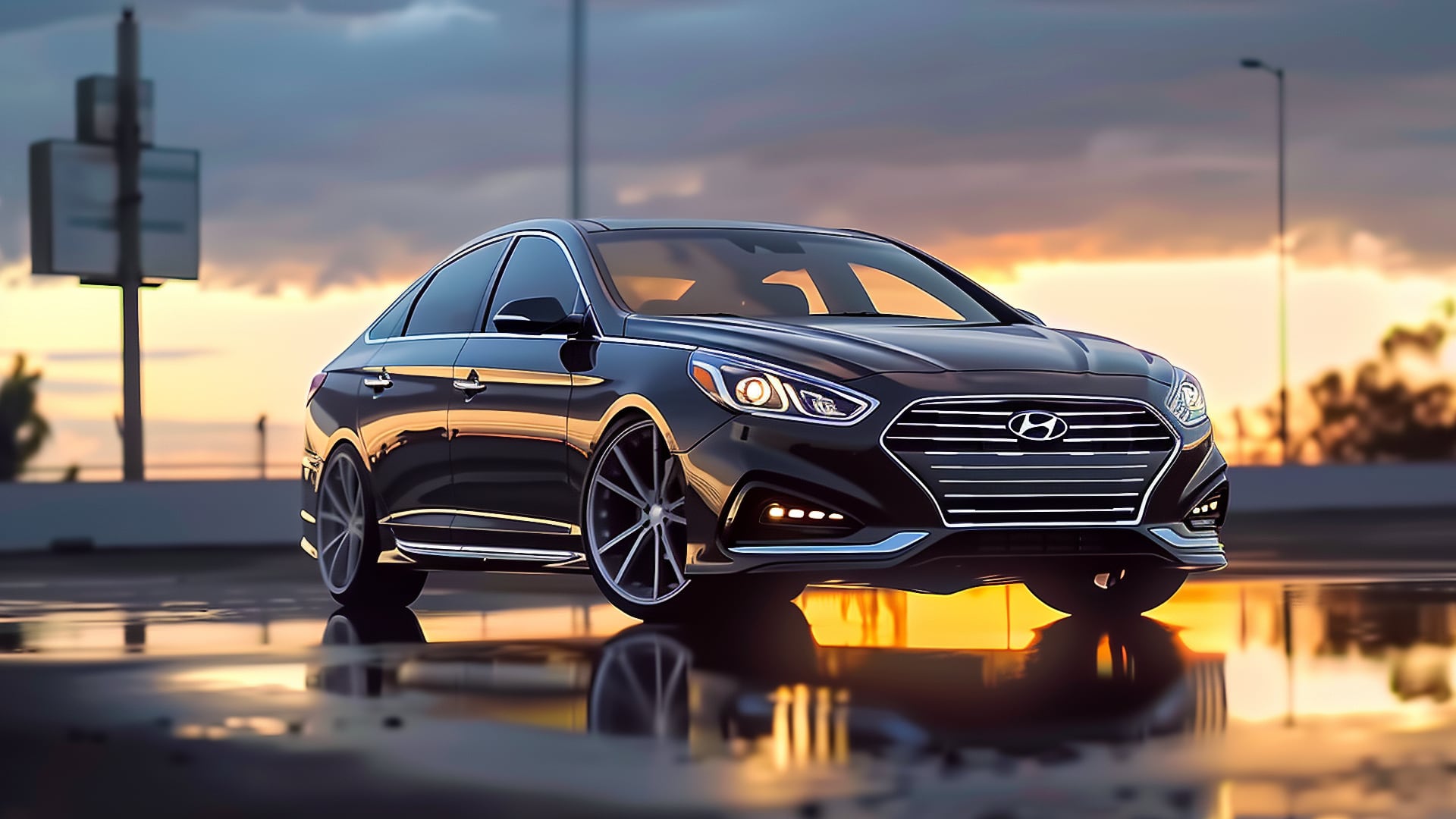
Sonata repair costs are lower than some rivals, but major failures (engine, transmission) can outweigh the savings.
Credit: rerev.com
Real-world Owner Stories
Numbers and data tell part of the story. Hearing from actual Hyundai Sonata owners shows why certain years are best avoided.
- Maria, 2011 Sonata owner: “My car died on the highway with no warning. Hyundai replaced the engine, but I lost confidence in the car.”
- James, 2013 Sonata: “I was adding a quart of oil every month. Mechanics said it was normal, but the engine failed at 90,000 miles.”
- Lina, 2018 Sonata: “No major problems after 60,000 miles. The car feels solid and has great features for the price.”
These stories highlight how engine problems affect trust and satisfaction.
Alternatives To The Risky Sonata Years
If you’re uneasy about the high-risk Sonata years, consider these alternatives:
- Toyota Camry (2011–2017): Known for reliability and high resale value.
- Honda Accord (2013–2017): Smooth ride, strong engines, fewer recalls.
- Mazda6 (2015–2018): Sporty handling, good reliability record.
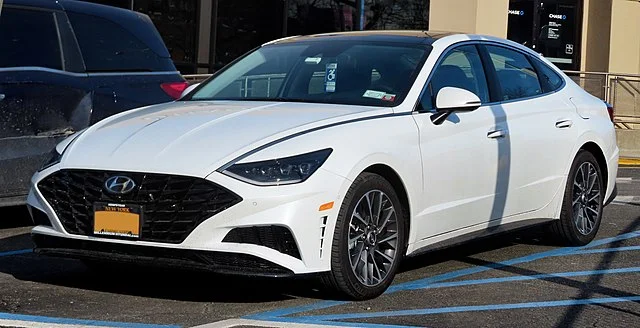
Always check for recalls and maintenance history—no car is perfect, but some have fewer issues.
Credit: www.copilotsearch.com
Tips For Buying A Used Hyundai Sonata
If you’re set on a Sonata, here are smart steps to minimize risk:
- Buy from a reputable dealer or owner with full service records.
- Avoid years with known engine or transmission issues (2011–2013, 2015–2017).
- Get a pre-purchase inspection by a trusted mechanic.
- Check for completed recalls using the VIN.
- Look for extended warranties or certified pre-owned programs.
Don’t skip the test drive—strange noises, warning lights, or rough shifting are warning signs.
The Bottom Line On Hyundai Sonata Years To Avoid
Choosing the right used Hyundai Sonata means avoiding headache years and focusing on proven reliability. The 2011, 2012, 2013, 2015, 2016, and 2017 models stand out for engine, transmission, and tech problems. While not every car from these years will have issues, the risk is much higher.
Look for well-maintained models from 2009–2010, 2014, or 2018 and newer. These offer better value and peace of mind. Always get a thorough inspection and check recall history before buying. For more technical details and recall information, visit the NHTSA website.
Being an informed buyer doesn’t guarantee perfection, but it gives you the best shot at a reliable, enjoyable Hyundai Sonata experience.

Credit: www.copilotsearch.com
Frequently Asked Questions
What Is The Worst Year For The Hyundai Sonata?
The 2011 Hyundai Sonata is widely considered the worst year due to engine failures, steering problems, and costly repairs. Many owners experienced sudden engine seizures, leading to recalls and lawsuits.
Do All 2011–2013 Sonatas Have Engine Problems?
Not every car from these years will fail, but the risk is higher. Many were part of recalls or received new engines under warranty, but some escaped coverage. Always check service history and recall status.
Are Newer Hyundai Sonatas More Reliable?
Generally, 2018 and newer Sonatas show better reliability. Hyundai improved engine designs and electronics, and owner complaints dropped. Long-term data is still building, but early signs are positive.
How Can I Check If A Used Sonata Had Recalls Or Repairs?
Use the car’s VIN to search the official NHTSA website or contact a Hyundai dealer. They can confirm if all recall work was completed and what repairs have been recorded.
Is The Hyundai Sonata Expensive To Maintain?
The Sonata’s average maintenance costs are lower than some competitors. However, major engine or transmission failures can be costly—sometimes exceeding the car’s value. Regular maintenance and recall checks are key to avoiding surprises.