

Choosing a used SUV can save you money—but only if you pick the right model year. The Hyundai Santa Fe is a popular choice for families and commuters. It offers good value, style, and comfort. But, not every Santa Fe is built the same. Some years have problems that can cost you thousands of dollars and many headaches. If you want to avoid expensive mistakes, you need to know which Hyundai Santa Fe years to avoid and why.
This article is your complete guide. You’ll learn about the worst years for the Hyundai Santa Fe, common problems, and how to spot a better model. We’ll also share insider tips that even experienced buyers often miss. If you want to buy a used Santa Fe with confidence, keep reading.
Why The Hyundai Santa Fe?
The Hyundai Santa Fe first appeared in 2001. Over two decades, it became one of Hyundai’s best-selling SUVs. People like its roomy interior, smooth ride, and good features for the price. In recent years, Hyundai improved the Santa Fe’s reliability and safety. Still, some older models had issues—especially with engines, transmissions, and electronics. Knowing the risky years can help you avoid costly repairs.
How We Identified Years To Avoid
This guide is based on:
- Owner complaints and reviews
- Data from sites like CarComplaints and NHTSA
- Recalls and service bulletins
- Mechanic feedback
- Long-term reliability studies
We also compare repair costs and frequency of problems. Some issues are minor, but others can mean major engine failure or transmission replacement. Our focus is on the years with serious or repeated problems, not just small complaints.
Hyundai Santa Fe Years To Avoid
Some Santa Fe years have more problems and higher repair costs than others. Here are the main years you should avoid if possible:
- 2007 Hyundai Santa Fe
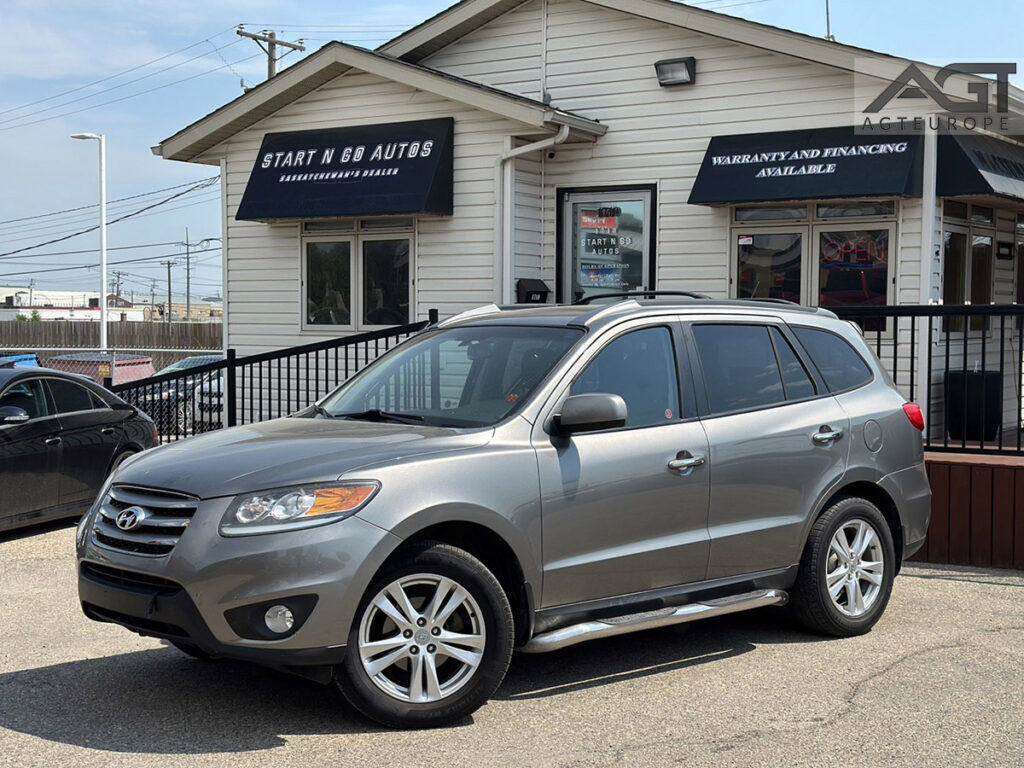
- 2012 Hyundai Santa Fe
- 2013 Hyundai Santa Fe
- 2017 Hyundai Santa Fe
- 2018 Hyundai Santa Fe
Let’s look at each year, the main problems, and why they are riskier choices.
2007 Hyundai Santa Fe
The 2007 Santa Fe is known for serious engine and fuel system issues. Many owners report the engine suddenly dying while driving. This is dangerous and expensive to fix. Other common problems include:
- Failing crankshaft position sensor
- Problems with the fuel gauge (shows wrong amount of gas)
- Trouble with the check engine light
Some owners had to replace the entire engine before 100,000 miles. There were also complaints about airbag sensors and faulty seatbelt warnings. While the 2007 model was praised for its design, these reliability issues make it a risky buy.
2012 Hyundai Santa Fe
The 2012 Santa Fe faces engine failure as its biggest issue. Many engines needed replacement before 90,000 miles. This is often caused by bearing wear or oil sludge, even with regular maintenance.
Other frequent problems:
- Transmission hesitation and slipping
- Faulty electrical systems (window switches, door locks)
- Failing alternators and batteries
The repair costs for engine or transmission issues can reach $4,000 or more. Some owners also mention poor paint quality and rust forming early.
2013 Hyundai Santa Fe
The 2013 Santa Fe saw a new design, but also repeat engine and transmission complaints. The most reported problem is the engine stalling or making loud knocking noises. In some cases, Hyundai replaced engines under warranty, but not all vehicles were covered.
Other concerns:
- Steering problems (pulling to one side, vibration)
- Bluetooth and radio malfunctions
- Leaking sunroofs
This year’s Santa Fe also has more recalls than average, including for seatbelt and airbag issues. Buying a 2013 model without a full service record is not recommended.
2017 Hyundai Santa Fe
The 2017 Santa Fe seemed promising but had a wave of engine problems. Some owners experienced engine fires, which led to a major recall. Others reported:
- Engine stalls or loss of power at high speed
- Transmission jerking, especially when shifting gears
- Electrical glitches (navigation, dashboard lights)
Besides engine worries, many had trouble with brake lights not working, which is a safety hazard. This year had more recalls than most newer Santa Fe models.
2018 Hyundai Santa Fe
The 2018 Santa Fe also struggled with engine and brake issues. The main complaint is the engine shutting off without warning. This led to Hyundai recalling thousands of vehicles for engine inspections.
Other reported issues:
- Brake pedal feeling soft or unresponsive
- Air conditioning failures
- Problems with the automatic emergency braking system
These problems can affect both safety and repair costs. While the 2018 model improved in some areas, these risks make it less attractive for used buyers.
Common Hyundai Santa Fe Problems By Year
To make it easier to compare, here’s a summary table of major issues by model year:
| Model Year | Major Problems | Avg. Repair Cost | Mileage When Issues Appear |
|---|---|---|---|
| 2007 | Engine failure, fuel gauge, sensors | $2,500 – $4,500 | 80,000 – 110,000 |
| 2012 | Engine failure, transmission, electronics | $3,000 – $5,000 | 70,000 – 100,000 |
| 2013 | Engine stalling, steering, infotainment | $2,000 – $4,200 | 60,000 – 90,000 |
| 2017 | Engine fires, transmission, brake lights | $3,500 – $6,000 | 50,000 – 80,000 |
| 2018 | Engine shutdown, brakes, electronics | $2,800 – $4,800 | 40,000 – 70,000 |
Credit: agtauto.com
Years With Fewer Problems
Not all Santa Fe years are risky. Some have fewer complaints and better reliability. If you want a used Santa Fe, consider these safer years:
- 2009
- 2014
- 2016
- 2019
- 2020
These models have lower repair costs and fewer major recalls. Always check the vehicle history and get a pre-purchase inspection.
Insights Most Buyers Miss
Many buyers focus only on engine and transmission problems. But there are other important issues that can affect your experience and costs.
1. Hidden Electrical Gremlins
The Santa Fe, especially 2012–2013 models, often has small electrical faults that are hard to diagnose. Examples include:
- Interior lights that stay on
- Power windows that stop working
- Navigation systems that freeze
These problems might seem minor, but fixing them can add up quickly. A faulty window switch may cost $200–$400. If the dashboard or infotainment fails, repairs can reach $1,000 or more.
2. Rust And Paint Quality
Some Santa Fe models, especially 2012, have thin paint and weak rust protection. Owners in cold states (where roads are salted) notice rust forming after a few winters. Rust repairs are expensive and affect the car’s resale value. If you live in a snowy area, inspect wheel wells and door edges closely.
3. False Sense Of Security From Recalls
Many think a recall means the problem is fixed. But recalls often address only the main issue. For example, a recall for engine fires may fix a fuel leak, but not address all possible causes. Always ask for proof of recall work and check if other related issues exist.
Comparing Hyundai Santa Fe To Other Suvs
How does the Santa Fe stack up against similar SUVs? Let’s compare the Santa Fe to two close rivals—the Toyota RAV4 and Honda CR-V—for reliability and cost.
| SUV Model | Best Years | Worst Years | Avg. Annual Repair Cost | Known Issues |
|---|---|---|---|---|
| Hyundai Santa Fe | 2014, 2016, 2019 | 2007, 2012, 2013, 2017, 2018 | $450 | Engine, transmission, electronics |
| Toyota RAV4 | 2016, 2018, 2020 | 2007, 2008 | $430 | Transmission, suspension |
| Honda CR-V | 2015, 2017, 2019 | 2011, 2015 (oil dilution) | $385 | Engine (oil), A/C issues |
The Santa Fe has higher risks in certain years. The RAV4 and CR-V are often more reliable, but may cost more to buy used.
What Makes Certain Santa Fe Years Risky?
Some Santa Fe years are riskier due to design flaws or supplier issues. For example:
- 2007–2009 models had engines and sensors made by a supplier that later changed the design.
- 2012–2013 models used a new engine that was not fully tested in real-world conditions.
- 2017–2018 models had cost-saving changes in the engine and brake systems, leading to more failures.
Hyundai did address many problems in later years, but these models are still on the used market. That’s why checking the year and VIN history is so important.
How To Spot A Problematic Santa Fe
Not every used Santa Fe from a risky year will have problems. But you can protect yourself by following these steps:
1. Check The Car’s History
Get a full vehicle history report (like Carfax or AutoCheck). Look for:
- Multiple owners in a short time (could mean problems)
- Records of engine or transmission replacement
- Frequent repairs
- Ask About Recalls
Request paperwork for all recall repairs. Some Santa Fe recalls are still open—avoid cars with unfinished recall work.
3. Inspect For Engine Noise
When test driving, listen for:
- Knocking or ticking sounds (especially on cold start)
- Hesitation or stalling when accelerating
- Test All Electronics
Check windows, locks, dashboard, radio, and navigation. Small issues can signal bigger electrical problems.
5. Look Under The Car
Check for oil leaks, rust, or wet spots under the engine and transmission. These can be signs of bigger problems.
6. Get A Mechanic’s Inspection
A good mechanic will spot problems you might miss. Pay for a full pre-purchase inspection—it’s worth the money.
How Hyundai Responded To Santa Fe Problems
Hyundai took action in many cases. They issued recalls for engine fires, seatbelt failures, and brake light problems. In some years, the warranty coverage was extended for the engine. Hyundai also updated parts in newer models.
But, some owners still had to pay out of pocket. That’s why buyers need to check recall status, warranty coverage, and service history before buying a used Santa Fe.

Credit: www.youtube.com
Best Practices When Buying A Used Santa Fe
If you still want a used Santa Fe, here are some best practices:
- Avoid high-risk years (2007, 2012, 2013, 2017, 2018) if possible
- Prefer models with a full service record
- Choose years with fewer complaints (2014, 2016, 2019, 2020)
- Always get a pre-purchase inspection
- Negotiate the price if you find minor issues
If you have a limited budget and must buy one of the risky years, set aside money for possible repairs. Also, look for vehicles where the engine, transmission, or electronics were already fixed or replaced.
Real-world Owner Stories
Hearing from other owners can help you understand what to expect. Here are some examples:
- “My 2012 Santa Fe engine failed at 80,000 miles. Hyundai covered part of the cost, but I still paid over $2,000. After that, I sold the car.”
- “Our 2013 Santa Fe had electrical problems—radio and backup camera would stop working randomly. Dealer visits fixed some, but new problems kept popping up.”
- “I bought a 2017 Santa Fe with only 60,000 miles. Suddenly, the check engine light came on and the car stalled on the highway. It turned out to be an engine recall issue.”
These stories show the importance of knowing the risks and checking the car’s repair history.
Cost Of Ownership: Santa Fe Vs. Other Suvs
The total cost to own a Santa Fe depends on the year and how well it was maintained. Here’s a quick look at average maintenance and repair costs over 5 years for the Santa Fe and two other popular midsize SUVs.
| Model | Typical 5-Year Repair Costs | Routine Maintenance (5 Years) | Major Repairs Risk |
|---|---|---|---|
| Hyundai Santa Fe | $2,200 – $3,200 | $1,500 – $2,000 | High for 2007, 2012, 2013, 2017, 2018 |
| Toyota RAV4 | $1,800 – $2,600 | $1,400 – $1,800 | Low |
| Honda CR-V | $1,700 – $2,500 | $1,400 – $1,900 | Low to Moderate |
The Santa Fe can be a good value in reliable years, but risky years may erase your savings with big repair bills.
Hyundai Santa Fe: Safety Ratings And Recalls
Safety is another key factor. Most Santa Fe models score well in crash tests. But, the 2017 and 2018 models had safety recalls for engine fires and brake light failures. Before buying, check the car’s recall status at the official NHTSA website.
Also, check for airbag recalls—some Santa Fe SUVs had sensors that failed in a crash. This is a serious risk, so never skip this step.
Credit: www.copilotsearch.com
What To Do If You Already Own A Risky Santa Fe
If you already have a Santa Fe from a risky year, here’s what you can do:
1. Check For Open Recalls
Visit the NHTSA recall site and enter your VIN. Fix any open recalls right away.
2. Keep Up With Maintenance
Change oil and filters on time. Use the right oil to avoid sludge and engine wear.
3. Listen For Warning Signs
Watch for engine noise, warning lights, or rough shifting. Fix problems early to avoid bigger repairs.
4. Consider Selling
If your Santa Fe has had major repairs or is out of warranty, consider selling it before more problems appear.
5. Save For Repairs
If you keep the vehicle, set aside $1,500–$2,000 for possible engine or transmission work.
Frequently Asked Questions
What Is The Most Reliable Hyundai Santa Fe Year?
The 2016 Hyundai Santa Fe is often rated as one of the most reliable years. It has fewer engine and transmission problems, lower repair costs, and good owner reviews.
Are Hyundai Santa Fe Expensive To Maintain?
Santa Fe maintenance is similar to other midsize SUVs. Routine costs are reasonable, but repairs can be expensive in problem years. Engine or transmission repairs may cost $3,000 or more, especially for 2007, 2012, 2013, 2017, and 2018 models.
How Many Miles Can A Hyundai Santa Fe Last?
With good care, a Santa Fe can last 180,000 to 220,000 miles. Avoiding the problem years and doing regular maintenance is key to reaching high mileage.
What Are The Worst Problems With The Hyundai Santa Fe?
The worst problems include engine failure, transmission slipping, electrical faults, and safety recalls for engine fires or airbag sensors. These issues are most common in the 2007, 2012, 2013, 2017, and 2018 models.
Where Can I Check For Recalls On My Santa Fe?
You can check for recalls at the official NHTSA recall website. Enter your vehicle’s VIN to see any open recalls and schedule free repairs at a Hyundai dealer.
Buying a used Hyundai Santa Fe can be a great decision if you choose the right year and do your homework. By avoiding the years with known issues, inspecting the car carefully, and checking recall history, you can enjoy a reliable SUV for many years to come.