

The Honda Insight is a popular hybrid car known for its excellent fuel economy and reliability. But, like any car model, some years are better than others. If you’re thinking about buying a used Honda Insight, it’s important to know which years to avoid to save money and headaches.
Over the years, the Insight has gone through three generations, each with its own strengths and weaknesses. Some years have common problems that can lead to high repair costs and frustration, especially if you’re not aware of them before buying.
This guide will walk you through the most problematic Honda Insight years, explain why they’re best avoided, and show you which years are considered reliable. Whether you’re a first-time buyer or trading in your current car, understanding these details will help you make a smart decision.
Along the way, you’ll get practical advice, real-world examples, and tips that go beyond what most beginners know.
Honda Insight Overview
The Honda Insight was first introduced in 1999, making it one of the earliest hybrid cars in the United States. It was Honda’s answer to rising fuel costs and growing environmental concerns. Over its lifespan, the Insight has gone through three main generations:
- First Generation (2000–2006): A two-door, lightweight hatchback focused on maximum fuel efficiency.
- Second Generation (2010–2014): A five-door hatchback, designed to compete with the Toyota Prius.
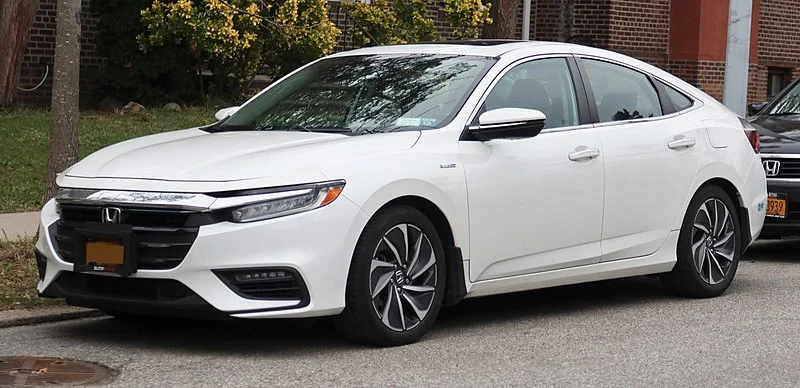
- Third Generation (2019–2022): A modern, four-door sedan sharing platforms with the Honda Civic.
Each generation brought new technology and changes in design, but not all years were equally reliable. Some had recurring problems, while others became known for their long-lasting quality.
Honda Insight Years To Avoid
Not every Honda Insight is a smart buy. Certain years are notorious for issues that can make ownership expensive and stressful. Here are the key years you should avoid, with details on why:
1. 2010 Honda Insight
The 2010 Honda Insight was the first year of the second generation. Owners were excited about a new design and updated hybrid system. However, this model year quickly developed a reputation for several significant problems:
- Battery issues: Many owners reported premature battery failure, sometimes before reaching 100,000 miles. The hybrid battery is expensive to replace—often $2,000 or more.
- Poor ride comfort: The suspension was stiff, leading to a bumpy ride, especially on rough roads.
- Transmission problems: Some drivers experienced shuddering or hesitation from the continuously variable transmission (CVT).
- Interior quality: Owners often complained about cheap interior materials and excessive road noise.
These issues made the 2010 Insight a less attractive option, especially compared to later years with improvements.
2. 2011 Honda Insight
The 2011 model didn’t fix many of the previous year’s problems. In fact, some issues became more obvious:
- Hybrid battery failures: Reports of battery problems continued, and some owners needed replacements even before the warranty expired.
- CVT troubles: Transmission shudder and rough shifting remained common.
- Brake concerns: Some owners noticed spongy brakes or a reduction in braking power, which can be a safety risk.
While not every 2011 Insight had these problems, the risk was high enough that many buyers look elsewhere.
3. 2012 Honda Insight
Honda did make some changes in 2012, but not enough to fully solve the main complaints:
- Persistent hybrid battery complaints: Battery life was still unpredictable, causing frustration and repair costs.
- Uncomfortable seats and ride: Many users found the seats stiff and the ride rough, especially on long drives.
- Infotainment issues: Early signs of trouble with the audio system and dashboard electronics began to appear.
For many buyers, the 2012 Insight didn’t offer enough improvements to justify the risk.
4. 2013 Honda Insight
By 2013, Honda had made some progress, but a few problems persisted:
- Hybrid battery reliability: Although failure rates dropped, battery issues still happened more than in other hybrids.
- Transmission behavior: Some owners reported jerky or delayed acceleration.
- Build quality: The interior still felt basic compared to competitors.
While 2013 is not as problematic as 2010–2012, it’s still considered a “borderline” year—worth avoiding if you want to minimize risk.
5. 2000–2001 Honda Insight
The first-generation Insights from 2000 and 2001 were technical marvels in their time, but age has caught up to them:
- Battery degradation: After two decades, almost all original hybrid batteries have failed. Replacement is expensive.
- Parts availability: Finding replacement parts for the first generation can be difficult and costly.
- Rust: Early models are prone to rust, especially in regions with harsh winters.
- Limited safety features: These models lack modern safety technology, making them less suitable for today’s roads.
Unless you’re a collector or skilled DIY mechanic, these early Insights are usually not a wise choice for daily use.
6. 2019 Honda Insight
The 2019 Insight marked the start of the third generation. While it brought many improvements, the first year of any new model often comes with unexpected problems:
- Software glitches: Owners reported problems with the infotainment system, including freezing screens and Bluetooth failures.
- Minor recalls: Some 2019 Insights were subject to recalls for issues like faulty fuel pumps and rearview camera malfunctions.
- Brake noise: Some vehicles developed squeaky or noisy brakes early in their life.
Although these problems are less serious than in earlier generations, the 2019 model’s higher price and first-year bugs make it less appealing than later third-generation models.

Credit: www.pauletteauto.com
Most Reliable Honda Insight Years
If you want a reliable used Insight, some years are much better than others. These models combine solid engineering with fewer complaints from owners.
Second Generation: 2014
The 2014 Honda Insight is widely considered the best year of the second generation. Honda addressed many earlier problems, making it more dependable:
- Improved hybrid battery: Fewer reports of premature failure.
- Better ride comfort: Suspension tweaks made the car smoother.
- Upgraded interior: Materials felt more durable, and road noise dropped.
Third Generation: 2020–2022
The third-generation Insight, especially 2020, 2021, and 2022 models, is praised for its reliability and modern features:
- Strong hybrid system: Uses proven technology similar to the Honda Accord Hybrid.
- Advanced safety: Standard features include collision mitigation, lane-keeping assist, and adaptive cruise control.
- High resale value: These models hold their value well due to low complaint rates.
If your budget allows, these years offer the best experience with minimal risk.
Why Some Honda Insight Years Had Problems
It’s common to wonder why certain years were more problematic. The main reasons include:
- First-year production bugs: Early years of a new generation often have software or mechanical issues that get fixed in later years.
- Unproven technology: The hybrid system in the second-generation Insight was newer and less refined, leading to battery and CVT problems.
- Cost-cutting: Honda aimed to keep the Insight affordable, sometimes using lower-quality materials or simpler components, especially in the early 2010s.
- Market competition: Pressure to compete with the Toyota Prius led Honda to rush some updates.
Understanding these factors helps explain the pattern of issues seen in specific model years.
Credit: www.copilotsearch.com
Common Problems In Honda Insight Years To Avoid
If you buy a problematic Insight year, you’re likely to face certain recurring issues. Here are the most common, with details on how they affect ownership:
Hybrid Battery Failure
The biggest concern for most buyers is hybrid battery failure. The battery is essential for the car’s electric drive and fuel efficiency.
- Symptoms: Warning lights, reduced power, poor fuel economy.
- Cost: Replacement can range from $1,800 to over $3,000 at a dealership.
- Frequency: 2010–2013 models are most at risk, but first-generation Insights are also affected due to age.
Transmission Issues
Problems with the CVT transmission can lead to a rough or jerky drive.
- Symptoms: Shuddering, delayed acceleration, hesitation when shifting.
- Cost: Minor repairs may cost $500–$1,200; major repairs or replacements can be $2,000 or more.
- Frequency: Most common in 2010–2012 Insights.
Suspension And Ride Comfort
A stiff or poorly designed suspension can make the car uncomfortable, especially on rough roads.
- Symptoms: Bumpy ride, loud suspension noises, rapid tire wear.
- Impact: Reduces driving pleasure and can lead to expensive repairs if not fixed.
Interior And Electronics
Some years had issues with interior quality and infotainment systems.
- Symptoms: Peeling dashboard materials, rattling noises, faulty audio or navigation systems.
- Frequency: Most common in 2010–2012 and 2019 models.
Brake Problems
Problems with the braking system can affect safety.
- Symptoms: Spongy pedal, squeaks, or loss of braking power.
- Risk: Can increase stopping distance or cause accidents if not repaired.
Honda Insight Model Year Comparison
To help you see the differences, here’s a comparison of key reliability factors across several popular Insight years:
| Model Year | Battery Issues | Transmission Issues | Interior Quality | Overall Reliability |
|---|---|---|---|---|
| 2010 | High | High | Poor | Low |
| 2011 | High | Medium | Poor | Low |
| 2012 | Medium | Medium | Fair | Medium |
| 2014 | Low | Low | Good | High |
| 2019 | Low | Low | Good | Medium |
| 2020–2022 | Very Low | Very Low | Excellent | Very High |
This table shows that later third-generation models are much more reliable, while early second-generation cars are best avoided.

Credit: greentecauto.co.uk
Cost Of Ownership In Problematic Years
Buying a used car is more than just the purchase price. Some Insight years may look cheap but cost more over time. Here’s how the costs compare:
| Model Year | Average Purchase Price (Used) | 5-Year Repair Costs | Resale Value After 5 Years |
|---|---|---|---|
| 2010 | $6,000 | $3,500 | $2,500 |
| 2011 | $6,500 | $3,000 | $2,800 |
| 2014 | $9,000 | $1,200 | $5,000 |
| 2020 | $22,000 | $800 | $17,000 |
You can see that the “cheap” years can become expensive over time. Paying more for a reliable year often saves money and stress.
Tips For Choosing A Used Honda Insight
If you’re set on buying a Honda Insight, these tips will help you avoid common mistakes and find the best value:
- Check the hybrid battery warranty: Some used Insights may have a transferable battery warranty. Ask the seller for details and paperwork.
- Get a pre-purchase inspection: Always have a mechanic check the car, especially the hybrid system and transmission.
- Review the service history: Look for regular maintenance and repairs. Gaps or missing records can signal trouble.
- Test drive on different roads: Pay attention to ride comfort, acceleration, and any warning lights or unusual noises.
- Research recalls: Check if the car was part of any recalls and confirm repairs were made.
- Avoid the cheapest cars: Super low prices often mean hidden issues. It’s better to pay a bit more for a car with a clean history.
Non-obvious Insights Most Buyers Miss
Many buyers focus only on mileage or price, but there are other details that can make a big difference:
- Climate matters: Hybrid batteries age faster in very hot or cold climates. Ask where the car was driven most of its life.
- Software updates: Some common issues with the infotainment system or hybrid drive can be fixed with dealer software updates. Ask if the latest updates have been applied.
- Aftermarket support: The Insight’s popularity means some parts are available from third-party suppliers, which can be cheaper than Honda’s. However, using non-OEM hybrid batteries or CVT fluids can void warranties or reduce reliability. Always double-check compatibility.
When Is A Problematic Year Worth Buying?
There are situations where a “bad” year could still make sense:
- If it has a new hybrid battery: Some owners replace the battery before selling. If you get paperwork and a good price, this can reduce risk.
- If you’re mechanically skilled: If you can do repairs yourself, you can save on labor costs and take on more risk.
- If it’s a rare model: First-generation Insights in good condition can be collector’s items, though they’re not ideal for daily driving.
But for most buyers, sticking with the most reliable years is the smartest move.
How The Insight Compares To Other Hybrids
You might wonder how the Honda Insight stacks up against competitors. Here’s a quick comparison:
| Model | Best Years | Common Issues | Fuel Economy (MPG) |
|---|---|---|---|
| Honda Insight | 2014, 2020–2022 | Hybrid battery, CVT (early years) | 48–55 |
| Toyota Prius | 2015–2018 | Hybrid battery (after 150k mi), oil consumption | 50–58 |
| Hyundai Ioniq Hybrid | 2017–2022 | Brake system, infotainment bugs | 55–59 |
| Honda Civic Hybrid | 2013–2015 | Hybrid battery, IMA system | 44–47 |
The Insight offers strong fuel economy but had more early hybrid battery problems than the Prius. Later years are much improved.
What To Do If You Already Own A Problematic Year
If you already have a Honda Insight from a troublesome year, don’t panic. There are steps you can take to reduce risks and costs:
- Maintain the hybrid battery: Drive the car regularly, avoid deep discharges, and keep the battery cool when possible.
- Stay on top of maintenance: Use the recommended fluids and change them on time, especially CVT fluid.
- Address problems early: Fix small issues before they become expensive. For example, if you notice rough shifting, get the transmission checked right away.
- Look for goodwill assistance: If your battery fails just out of warranty, ask your Honda dealer if they can help with a discount or partial coverage.
Being proactive can extend the life of your car and reduce total costs.
Frequently Asked Questions
What Is The Worst Honda Insight Year To Avoid?
The 2010 Honda Insight is generally considered the worst year. It had high rates of hybrid battery failure, uncomfortable ride quality, and frequent transmission problems. Buyers often face expensive repairs and poor resale value with this model.
Are All Second-generation Honda Insights Unreliable?
No, not all second-generation Insights are unreliable. The 2010–2012 models had the most problems, especially with the hybrid battery and CVT transmission. The 2014 model is much improved and is considered a good choice for reliability and comfort.
Is The First-generation Honda Insight A Good Buy?
For most people, the first-generation Insight (2000–2006) is not a good choice unless you are a collector or skilled with car repairs. These cars often have battery and rust problems, and parts are hard to find. They also lack modern safety features.
How Long Does The Honda Insight Hybrid Battery Last?
On average, the hybrid battery in a Honda Insight lasts between 8 to 10 years or 100,000 to 150,000 miles. In problematic years, batteries can fail much sooner. Climate, driving style, and maintenance also affect battery life.
Where Can I Find More Information About Honda Insight Recalls And Problems?
You can check official recall and problem data on the National Highway Traffic Safety Administration website. Visit the NHTSA for detailed recall information.
The Honda Insight can be a smart, economical car if you pick the right year. By avoiding the most problematic models and focusing on the best years, you’ll enjoy reliable hybrid driving without the common headaches. Taking the time to research, inspect, and ask the right questions will help you make a confident, informed decision.