

The Honda CR-Z is a car that often sparks curiosity. With its sporty looks and hybrid engine, it was meant to offer the best of both worlds—fun and fuel savings. But like all cars, not every model year is created equal. If you’re looking to buy a used Honda CR-Z, it’s smart to ask: “Which years should I avoid?” This guide explores the CR-Z’s history, highlights the years to be cautious about, and shows what to check before making a decision. Whether you’re a first-time buyer or a car enthusiast, you’ll find practical advice and insights you won’t get from a quick internet search.
Why People Love The Honda Cr-z
The Honda CR-Z entered the US market in 2011 and continued until 2016. It was one of the few hybrid cars designed with a sporty edge. Buyers were attracted by several features:
- Sporty appearance: Inspired by the classic Honda CR-X.
- Hybrid powertrain: Combined a small gas engine with an electric motor.
- Manual transmission option: A rare find among hybrids.
- Affordable price: Lower cost compared to other sporty or hybrid cars.
Despite these strengths, the CR-Z never became a best-seller. It was discontinued after 2016 due to low sales and changing market trends. Still, it’s popular among drivers who want something unique.
Understanding The Honda Cr-z Lineup
Before diving into the years to avoid, it helps to know how the CR-Z changed during its life. Here’s a quick overview:
| Model Year | Major Changes | Transmission Options | Hybrid System |
|---|---|---|---|
| 2011 | First model year; introduced manual and CVT | 6-speed manual or CVT | Integrated Motor Assist (IMA) |
| 2012 | Minor updates, no major changes | 6-speed manual or CVT | IMA |
| 2013 | Updated battery (lithium-ion); slight power boost | 6-speed manual or CVT | IMA (improved) |
| 2014-2015 | Minor trim changes, more standard features | 6-speed manual or CVT | IMA (improved) |
| 2016 | Last model year; added safety features | 6-speed manual or CVT | IMA (improved) |
Common Problems With The Honda Cr-z
Every car model has its weak points. The CR-Z is no exception. Here are some issues owners have reported:
- Hybrid battery failure: Early models (2011–2012) often had batteries that wore out sooner than expected.
- Electric motor problems: The Integrated Motor Assist (IMA) system could develop faults, causing warning lights or reduced performance.
- Transmission glitches: Some manual transmission models developed clutch or gearbox problems.
- Electrical issues: Problems with dashboard lights, sensors, and the entertainment system were not uncommon.
- Suspension and ride quality: Some owners complained of a rough or noisy ride, especially on older models.
Not every CR-Z will have these problems, but they are more common in certain years.
Honda Cr-z Years To Avoid
Let’s get straight to the point: 2011 and 2012 are the Honda CR-Z years most experts and owners suggest avoiding. Here’s why:
2011 Honda Cr-z
The first model year is often a risky choice, and the CR-Z was no exception.
- Battery issues: The nickel-metal hydride hybrid battery in the 2011 CR-Z was less reliable. Many owners reported a loss of battery capacity within the first 60,000 miles.
- Hybrid system bugs: Early versions of the IMA system sometimes failed, leading to expensive repairs.
- Recalls: The 2011 CR-Z was subject to several recalls, including one for a problem that could cause the car to roll away when parked.
- Limited features: The 2011 model lacked some safety and comfort features introduced in later years.
2012 Honda Cr-z
While some improvements were made, the 2012 model still shared many of the same problems as the 2011.
- Battery and IMA system: These remained a concern, with reports of premature failure.
- Electrical issues: Owners reported dashboard warning lights that were difficult to diagnose.
- Transmission problems: A small number of manual transmission cars had issues with the clutch or shifter.
- Resale value: Because of these issues, 2012 models often have lower resale values.
Why Not Later Years?
By 2013, Honda had upgraded the CR-Z’s battery to a lithium-ion unit. This improved reliability and performance. Later models (2013–2016) had fewer complaints, better features, and higher owner satisfaction.
What Changed After 2012?
Honda paid close attention to early feedback and made several important updates for the 2013 model year:
- Lithium-ion battery: Replaced the older nickel-metal hydride battery, which was more reliable and efficient.
- Improved IMA system: Reduced the chance of hybrid system failure.
- More power: The electric motor was slightly more powerful, making the car more responsive.
- Refined features: More standard equipment and improved interior quality.
These changes made the 2013–2016 CR-Z a safer bet for buyers.
Comparing Model Years: Reliability And Owner Satisfaction
To help you compare, here’s a summary of reliability and owner satisfaction based on available data and real-world reports.
| Model Year | Reported Reliability | Owner Satisfaction | Common Issues |
|---|---|---|---|
| 2011 | Low | Below average | Battery, IMA, recalls |
| 2012 | Low to average | Below average | Battery, electrical, transmission |
| 2013 | Average to good | Average | Minor electrical |
| 2014 | Good | Above average | Few complaints |
| 2015 | Good | Above average | Few complaints |
| 2016 | Good | High | Few complaints |

Credit: www.reddit.com
The Most Reliable Cr-z Years
If you want to avoid headaches, 2013, 2014, 2015, and 2016 are your best choices. These years have:
- Fewer reports of battery or hybrid system issues.
- Improved features and comfort.
- Better safety ratings, especially in 2016.
Owners of these later models often keep their cars longer and report lower repair costs.
Real-world Owner Experiences
Statistics are helpful, but real stories add context. Here are some insights from actual CR-Z owners:
- Early battery failure: “I bought a 2011 CR-Z with 45,000 miles. Within a year, the IMA light came on, and the dealer said I needed a new battery. It was a $2,000 repair.” (Owner from California)
- 2013 model satisfaction: “My 2013 CR-Z has been reliable for 90,000 miles. The battery still holds a charge, and I’ve only done basic maintenance.”
- Transmission quirks: “I love driving my CR-Z, but the clutch on my 2012 started slipping around 70,000 miles. Not cheap to fix.”
- 2016 as a daily driver: “I use my 2016 CR-Z every day for work. No issues so far, and it’s fun to drive.”
It’s clear that later models tend to give fewer problems.
Key Factors To Consider When Buying A Used Honda Cr-z
Choosing a used car is about more than just the model year. Here’s what smart buyers check before purchasing a CR-Z:
1. Battery Health
The hybrid battery is the heart of the CR-Z. Replacing it can cost $1,500–$2,500. If you’re looking at a 2011 or 2012, get the battery checked by a professional. Some shops can test the battery’s health and estimate remaining life.
2. Maintenance History
A well-maintained CR-Z can run for many years. Ask for service records and check for regular oil changes, battery inspections, and hybrid system service. Avoid cars with gaps in their history.
3. Transmission Condition
Manual transmission CR-Zs are fun but can develop clutch or gearbox issues, especially if driven hard. Test drive the car and check for smooth shifting or unusual noises.
4. Recalls And Repairs
Check if all recalls have been completed. You can do this by entering the VIN on the Honda recall website.
5. Previous Owners
Fewer owners usually means the car was cared for. Be wary of cars that have changed hands many times or have unclear ownership history.
6. Aftermarket Modifications
Some CR-Zs are modified for more power or style. While this can be fun, it sometimes leads to reliability problems. Stock cars are usually a safer bet.
How The Cr-z Compares To Other Hybrids
Wondering how the CR-Z stacks up against similar cars? Let’s compare it to two common rivals: the Toyota Prius C and the Honda Insight.
| Feature | Honda CR-Z | Toyota Prius C | Honda Insight |
|---|---|---|---|
| Engine Type | 1.5L I4 + hybrid | 1.5L I4 + hybrid | 1.3L/1.5L I4 + hybrid |
| Transmission | 6-speed manual/CVT | CVT | CVT |
| Fuel Economy (MPG) | 31–39 | 46–53 | 41–48 |
| Sporty Feel | High | Low | Low |
| Battery Issues | Early years (2011–2012) | Rare | Occasional |
| Cargo Space | Limited (2-seater) | Good (hatchback) | Good (hatchback) |
The CR-Z is unique in its sporty design and manual option, but it falls behind in fuel economy and cargo space. For pure reliability and efficiency, the Prius C is a safer choice. For fun, the CR-Z stands out—especially from 2013 onward.
Not-so-obvious Insights For Cr-z Buyers
Most guides cover the basics, but here are two less obvious points that can make a big difference:
- Battery Warranty Transfers: If the hybrid battery was replaced by Honda, ask for the paperwork. The new battery may have a warranty that transfers to the next owner, saving you money if it fails again.
- Manual vs CVT Resale Value: Manual CR-Zs are rare and may hold their value better among enthusiasts, but CVT models tend to be easier to sell to the general public. If you plan to resell, consider your buyer.
Common Mistakes When Shopping For A Used Cr-z
Avoid these errors to make a better choice:
- Ignoring battery health: Don’t skip the battery test, even if the car drives fine.
- Overlooking recalls: Make sure all recall work is done—this can affect both safety and value.
- Assuming all hybrids are reliable: Early CR-Zs prove that not every hybrid is problem-free.
- Focusing only on price: A cheap 2011 CR-Z can become expensive if you need a new battery or repairs.
Practical Buying Tips
- Ask for a hybrid system scan: Many dealers can scan the IMA system for trouble codes.
- Check for warning lights: Make sure no warning lights are on during your test drive.
- Drive on different roads: Listen for unusual noises over bumps or at highway speed.
- Get a pre-purchase inspection: A trusted mechanic can spot issues you might miss.
Is It Ever Worth Buying A 2011 Or 2012 Cr-z?
While these early years are risky, there are situations where they might make sense:
- The battery has been replaced recently: If there’s proof of a new battery, you may avoid the biggest problem.
- The price is very low: If you’re getting a deal and are ready for possible repairs, it could still be a fun project car.
- You like working on cars: Some owners enjoy fixing older CR-Zs, but this isn’t for everyone.
For most buyers, it’s safer to look for a 2013 or newer.
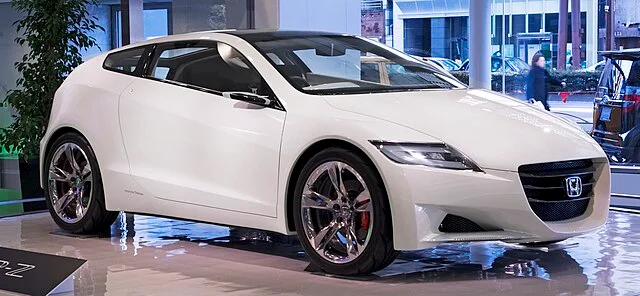
Credit: www.copilotsearch.com
Cost Of Ownership: What To Expect
How much does it cost to own a Honda CR-Z? Here’s a general breakdown:
- Annual maintenance: $400–$700 per year (oil changes, tires, brakes, hybrid system checks)
- Hybrid battery replacement: $1,500–$2,500 (if needed; rare on 2013+)
- Insurance: Similar to other small coupes, but may be higher for younger drivers
- Fuel costs: 31–39 MPG means you’ll spend less on gas than most sporty cars
Repairs are less frequent on newer models, but always budget for surprises.
Alternatives To The Honda Cr-z
If you like the idea of a sporty hybrid but want to avoid the CR-Z’s early issues, consider:
- Toyota Prius C: Reliable, excellent fuel economy, but not as sporty.
- Honda Insight (second generation, 2010–2014): More practical, similar hybrid system.
- Honda Civic Hybrid: Roomier, better safety, but no manual transmission.
Each option has its own pros and cons. The CR-Z’s style and manual option remain unique.
Where To Find Reliable Information
When shopping for a used CR-Z, use trustworthy sources to check recalls, values, and reviews. Good places to start include Kelley Blue Book, Consumer Reports, and the official Honda owner’s site. For more on hybrid car technology and reliability, see this detailed overview from the Consumer Reports Hybrid Guide.
Frequently Asked Questions
Is The Honda Cr-z Expensive To Repair?
Most repairs are affordable compared to European hybrids, but hybrid battery replacement can be costly. Regular maintenance (oil changes, brakes, etc.) is similar to other compact cars. The biggest risk comes from early battery and IMA system failures in 2011–2012.
Does The Cr-z Have Good Resale Value?
The CR-Z holds value well among enthusiasts, especially manual transmission models. However, 2011 and 2012 models lose value faster due to reliability concerns. Later years (2013–2016) keep their price better, especially if the battery is strong.
How Long Does The Cr-z Hybrid Battery Last?
For most 2013–2016 CR-Zs, the lithium-ion battery can last over 100,000 miles, sometimes much longer. Early models with nickel-metal hydride batteries often failed between 50,000–80,000 miles. Always check the battery health before buying.
Is The Cr-z A Good Daily Driver?
For many, yes. It’s comfortable for two, easy to park, and fun on twisty roads. The ride is firmer than a Prius, and cargo space is limited. Later models are more reliable for daily use.
What’s The Biggest Reason To Avoid The 2011 And 2012 Cr-z?
The main reason is the unreliable hybrid battery and IMA system. These can fail early and are expensive to fix. 2013 and newer models are much less likely to have these problems.
Choosing a used Honda CR-Z can be rewarding if you know what to look for. Avoid the 2011 and 2012 models unless you’re sure the battery has been replaced and the price is right. For most buyers, a 2013–2016 CR-Z offers more fun, reliability, and peace of mind.
Take your time, check the car’s history, and enjoy the search—your perfect hybrid coupe is out there.
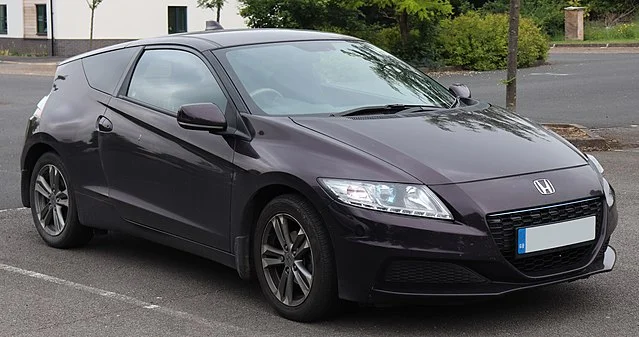
Credit: www.copilotsearch.com