

The Harley-Davidson Twin Cam engine is famous among motorcycle fans. It powered many Harley bikes from 1999 to 2017, leaving a strong mark in the cruiser world. But not all Twin Cam engines are equal. Some years had problems that caused headaches for riders and mechanics.
If you want to buy a used Harley with a Twin Cam engine, knowing which years to avoid can save you from expensive repairs and help you enjoy the ride without worry.
This guide will give you a clear look at the Harley Twin Cam years to avoid, explain the main issues, and help you make a smart buying decision. You’ll learn about engine flaws, real examples, and how to spot risky models. We’ll compare different years, highlight common mistakes, and answer the biggest questions buyers ask. Whether you’re new to Harleys or have owned a few, this article will help you find a reliable Twin Cam bike.
What Is The Harley Twin Cam Engine?
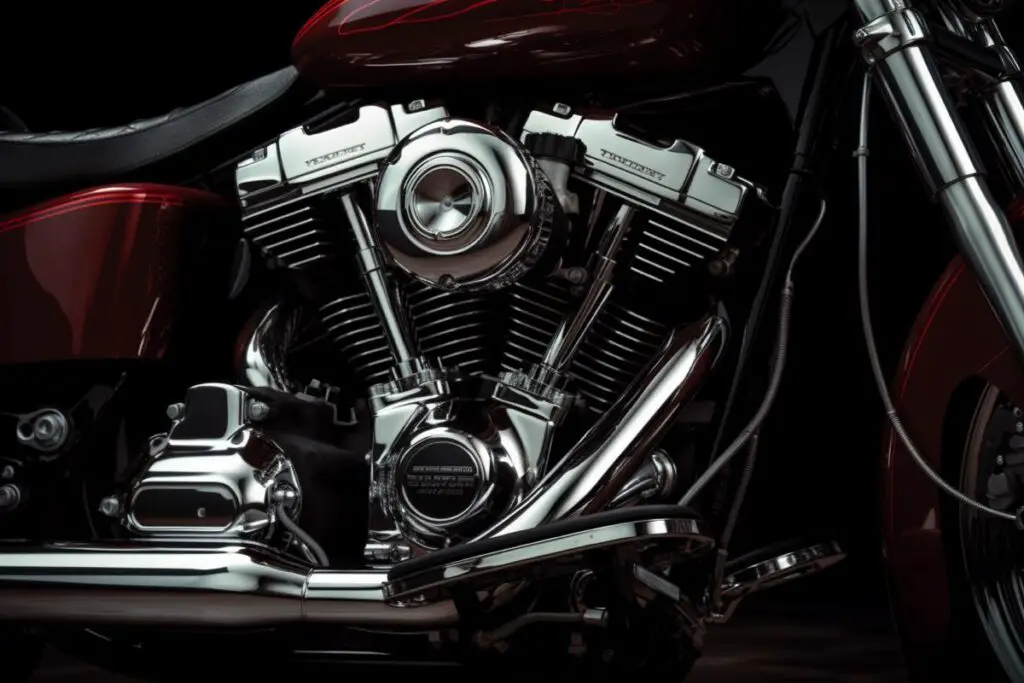
The Twin Cam engine is a V-twin motor built by Harley-Davidson. It replaced the older Evolution engine in 1999 and became the heart of big Harley cruisers for nearly two decades. The name “Twin Cam” comes from its design: two camshafts instead of one. This made the engine run smoother and gave it more power.
Harley made two main versions:
- Twin Cam 88 (88 cubic inches, 1450cc): Used from 1999 to 2006.
- Twin Cam 96 (96 cubic inches, 1584cc): Used from 2007 to 2010.
- Later, the Twin Cam 103 (103 cubic inches, 1690cc) and Twin Cam 110 (110 cubic inches, 1801cc) appeared in special models.
The Twin Cam was a big step forward for Harley. It had better cooling, less vibration, and more horsepower. Riders loved the strong feel and classic sound. But some years had serious flaws that could ruin the fun.
Why Do Some Twin Cam Years Have Problems?
Not all Twin Cam engines are trouble-free. Harley made changes and updates over time, but some early models had design mistakes. These flaws led to common issues like cam chain tensioner failures, oil leaks, compensator problems, and crankshaft defects.
Let’s look at why these years had trouble:
- New engine designs often have “teething” problems. Early Twin Cam engines had parts that wore out too fast or failed without warning.
- Harley sometimes used cheaper materials or weak parts to save money.
- Changes to emission rules forced Harley to redesign parts, sometimes causing new problems.
Some issues affect all Twin Cam engines, but others are linked to certain years and models. Knowing these problems makes it easier to avoid expensive repairs.
Twin Cam Years To Avoid: The Most Problematic Models
If you’re shopping for a used Harley, you need to know which Twin Cam years are risky. Here are the years most experts and riders suggest avoiding:
- 1999–2002 Twin Cam 88
- 2003–2006 Twin Cam 88 (less risky, but still some issues)
- 2007–2009 Twin Cam 96
- 2010–2011 Twin Cam 103
- 2012–2016 Twin Cam 103 (later years improved, but early ones had issues)
Now let’s break down the main problems by year.
1999–2002 Twin Cam 88: The Worst Years
The first Twin Cam 88 engines (1999–2002) are known for cam chain tensioner failures. The tensioner uses plastic “shoes” that rub against the cam chain. These shoes wear out fast, sometimes as early as 15,000 miles. When they fail, the engine can lose oil pressure or even break down.
Other issues in these years:
- Oil leaks from the base gaskets and cam cover.
- Crankshaft runout (twisting or wobbling), which can damage the oil pump and bearings.
- Plastic oil pump gears that crack or wear out.
Many riders had to replace tensioners, cam chains, and even rebuild engines. Harley fixed some problems in later years, but 1999–2002 Twin Cam 88 engines are still risky.
2003–2006 Twin Cam 88: Still Not Perfect
Harley improved the cam chain tensioner design in 2003, but problems continued. The tensioner shoes still wore out, though not as fast. Oil leaks and crankshaft issues remained. These years are safer than 1999–2002, but you should check if the bike had tensioner upgrades.
2007–2009 Twin Cam 96: Compensator And Tensioner Problems
In 2007, Harley released the Twin Cam 96. It had more power, but new problems appeared:
- The cam chain tensioner was changed to a hydraulic system, which lasted longer. But some bikes still had failures, especially with poor oil or high mileage.
- The compensator (a part that smooths power delivery) often failed. Riders heard loud clunks from the primary drive, and the bike became hard to start.
- Crankshaft issues and bearing failures also showed up.
Many riders had to replace the compensator or upgrade the tensioner system. The 2007–2009 Twin Cam 96 is not as risky as early Twin Cam 88, but still has problems you must watch for.
2010–2011 Twin Cam 103: New Engine, Old Issues
The Twin Cam 103 was stronger, but early models had weak compensators and cam chain problems. The hydraulic tensioner improved reliability, but poor maintenance or cheap oil still caused failures. Harley fixed some issues in later years, but 2010–2011 bikes can be risky if not upgraded.
2012–2016 Twin Cam 103: Better, But Not Perfect
By 2012, Harley improved the Twin Cam 103. Most bikes had upgraded tensioners and better compensators. But some 2012–2014 models still had crankshaft runout and oil leaks. Later years (2015–2016) saw fewer problems, but it’s smart to check if any upgrades were done.
Key Problems Explained
To avoid trouble, you need to understand the main issues in the risky Twin Cam years.
Cam Chain Tensioner Failure
This is the most famous Twin Cam problem. The tensioner keeps the cam chain tight. Early Twin Cam 88 engines used spring-loaded tensioners with plastic shoes. These shoes wore out fast, causing metal-to-metal contact and engine damage.
Symptoms:
- Loud ticking or rattling noise from the cam area
- Oil pressure drops
- Metal shavings in oil
Fixes:
- Replace tensioners with hydraulic units or upgrade to gear-driven cams
- Check cam chain wear every 10,000–15,000 miles
If not fixed, tensioner failure can destroy the engine. Later models (2007+) used hydraulic tensioners, which lasted longer but still needed checking.
Compensator Problems
The compensator smooths the engine’s power as it goes to the transmission. In Twin Cam 96 and 103 engines, the compensator often failed:
- Clunking or banging noises during startup
- Vibration at low speeds
- Hard starts
Fixes:
- Replace compensator with upgraded part
- Check for wear every 20,000 miles
Many riders had to change compensators to avoid breakdowns.
Crankshaft Runout
The crankshaft is the main spinning shaft in the engine. If it “runs out” (wobbles), it can damage the oil pump and bearings. Early Twin Cam engines had more crankshaft runout, leading to engine problems.
Symptoms:
- Vibration at certain speeds
- Oil pressure drops
- Difficulty aligning cam gears
Fixes:
- Replace crankshaft or rebuild engine
- Check runout with special tools
Crankshaft runout is costly to fix and often means a full engine rebuild.
Oil Leaks
Twin Cam engines can leak oil from the base gasket, cam cover, or primary. Early models had weak gaskets and rough machining. Oil leaks are messy and can lead to low oil levels.
Fixes:
- Replace gaskets with improved parts
- Check for leaks before buying
Some leaks are simple to fix, but others mean deeper engine trouble.
Bearing And Oil Pump Failures
Weak bearings and plastic oil pump gears were used in early Twin Cam engines. These parts wore out, causing loss of oil pressure and engine damage.
Fixes:
- Upgrade bearings and oil pump gears
- Use quality oil and regular maintenance
If not fixed, bearing failure can ruin the engine.

Credit: www.youtube.com
Comparing Twin Cam Years: Good Vs Bad
To help you see the differences, here is a comparison of Twin Cam engine years and their main problems:
| Year | Main Engine | Cam Chain Tensioner | Compensator | Crankshaft | Oil Leaks | Reliability |
|---|---|---|---|---|---|---|
| 1999–2002 | Twin Cam 88 | Spring-loaded, fails early | Older design | High runout risk | Common | Poor |
| 2003–2006 | Twin Cam 88 | Improved, but still weak | Older design | Medium runout risk | Common | Medium |
| 2007–2009 | Twin Cam 96 | Hydraulic, better | Weak, fails often | Medium runout risk | Less common | Medium |
| 2010–2011 | Twin Cam 103 | Hydraulic, improved | Weak, fails sometimes | Low runout risk | Less common | Medium |
| 2012–2016 | Twin Cam 103 | Hydraulic, best | Improved, less failure | Low runout risk | Rare | Good |
This table shows that 1999–2002 are the worst years, while 2012–2016 are safer.
Real Examples: Harley Owners Share Their Experience
Many Harley owners share stories about their Twin Cam problems. Here are some real examples:
- Mike (2001 Road King): At 18,000 miles, the cam chain tensioner failed. The engine lost oil pressure and needed a rebuild. He spent $1,200 for repairs.
- Sarah (2008 Street Glide): The compensator failed at 26,000 miles. She heard loud clunks and had trouble starting the bike. After replacing the compensator, the problem stopped.
- David (2005 Fat Boy): Oil leaks appeared at 22,000 miles. He replaced the base gasket and cam cover. The bike ran fine after repairs.
Many riders learned the hard way. If you buy a Harley from the risky years, check if upgrades were made.

Credit: www.youtube.com
How To Spot A Risky Twin Cam Bike
If you’re shopping for a used Harley, here’s how to spot bikes from the years to avoid:
- Check the VIN and engine year. Harley’s VIN shows the year and engine type.
- Ask for maintenance records. Look for proof of cam chain tensioner or compensator upgrades.
- Inspect for oil leaks. Look under the bike and around the engine.
- Listen for engine noises. Rattling or clunking sounds mean trouble.
- Look for metal in the oil. Ask for oil change records or check the oil yourself.
If the bike had upgrades, it might be safe. But if not, you face expensive repairs.
Twin Cam Alternatives: Safer Models
If you want a reliable Harley, consider these safer options:
- 2012–2017 Twin Cam 103/110: Later Twin Cam engines had fewer problems. Hydraulic tensioners and improved compensators made them more reliable.
- Milwaukee-Eight (2017+): The new Milwaukee-Eight engine replaced the Twin Cam in 2017. It has fewer flaws and is more efficient.
Many riders switch to newer models for peace of mind.
Cost Of Repairs: What To Expect
Repairs for Twin Cam problems can be expensive. Here’s a look at typical costs:
| Problem | Typical Repair Cost | Time Required | Risk if Ignored |
|---|---|---|---|
| Cam Chain Tensioner Failure | $600–$1,200 | 1–2 days | Engine damage |
| Compensator Replacement | $400–$800 | 1 day | Hard starts, transmission damage |
| Crankshaft Runout Repair | $1,500–$3,000 | 3–5 days | Full engine rebuild needed |
| Oil Leak Fix | $200–$600 | 1 day | Low oil, engine damage |
| Bearing/Oil Pump Upgrade | $500–$1,000 | 1–2 days | Loss of oil pressure |
Ignoring these problems can lead to engine failure and even total loss of the bike.
Non-obvious Insights: What Beginners Often Miss
- Upgrades can save risky engines. Many Harley owners upgrade cam chain tensioners and compensators. If a used bike had these upgrades, it may be reliable—even if it’s from a risky year.
- Not all problems show up early. Some issues appear after 20,000–30,000 miles. A low-mileage bike from a risky year can still be safe, but it may develop problems later.
- Crankshaft runout isn’t always visible. Even skilled mechanics can miss crankshaft problems without special tools. Always ask for runout checks when buying.
- Oil leaks may hide bigger problems. Small leaks can mean weak gaskets, but sometimes they signal deeper engine flaws.
Credit: charlotte-skeel.dk
Common Buyer Mistakes
Many buyers make errors when shopping for Twin Cam Harleys:
- Ignoring maintenance records: Always ask for proof of upgrades and oil changes.
- Trusting low mileage: A bike with low miles can still have design flaws.
- Skipping inspection: Listen for engine noises and check for leaks before buying.
- Assuming all Twin Cam engines are equal: Each year has unique problems.
Avoid these mistakes to find a bike you can trust.
Practical Tips For Buying A Used Twin Cam Harley
If you really want a Twin Cam Harley, here’s how to protect yourself:
- Focus on 2012–2017 models if possible.
- Ask for cam chain tensioner upgrades on 1999–2006 bikes.
- Check for compensator upgrades on 2007–2011 models.
- Inspect for oil leaks and engine noises.
- Get a mechanic to check crankshaft runout.
- Ask for maintenance records.
- Use quality oil and change it often.
- Avoid bikes with unknown history.
These steps help you avoid trouble and enjoy your Harley.
Twin Cam Longevity: How Long Do They Last?
With proper care, Twin Cam engines can last 60,000–100,000 miles or more. But risky years often need repairs before 30,000 miles. Upgraded bikes survive longer, but neglected engines fail early.
Many riders report:
- Upgraded tensioner and compensator: Lasts up to 100,000 miles
- No upgrades: Fails at 15,000–30,000 miles
Regular maintenance and quality oil are key.
Should You Buy A Twin Cam Harley?
If you love Harley’s classic style and strong power, the Twin Cam is tempting. But you must choose the right year and check for upgrades. Avoid 1999–2002, and be careful with 2003–2006 and 2007–2011 models. Focus on 2012–2017 for the best reliability.
For more technical info, check out Wikipedia’s Twin Cam engine page.
Frequently Asked Questions
What Is The Main Problem With Harley Twin Cam Engines?
The biggest issue is cam chain tensioner failure, especially in 1999–2006 models. The tensioner’s plastic shoe wears out and can cause engine damage.
How Can I Know If A Twin Cam Bike Had Upgrades?
Ask for maintenance records. Look for proof of cam chain tensioner or compensator replacement. A mechanic can also inspect the engine for upgrades.
Are All Twin Cam Engines Bad?
No. Later Twin Cam engines (2012–2017) are much better. Early models (1999–2002) have the most problems, but upgrades can make any Twin Cam reliable.
Is It Expensive To Fix Twin Cam Problems?
Some repairs are costly. Cam chain tensioner upgrades can cost $600–$1,200. Compensator replacement costs $400–$800. Crankshaft repairs are the most expensive.
What’s The Safest Twin Cam Year To Buy?
The safest years are 2012–2017. These bikes have upgraded parts and fewer problems. Always check maintenance records before buying.
Choosing the right Harley Twin Cam engine is about knowing the facts, checking for upgrades, and avoiding risky years. With the right approach, you’ll enjoy the ride and avoid costly surprises.