Every car lover knows the Volkswagen Golf R is more than just a hatchback. It’s a car that offers speed, comfort, and everyday use in one stylish package. Yet, not every Golf R is a smart buy. Like all vehicles, some years are far better than others, while a few are best left for someone else to learn from. If you’re thinking of buying a used Golf R, knowing which years to avoid can save you from expensive repairs, lost time, and disappointment.
The market for used Golf Rs is strong, with models selling quickly due to their reputation for performance and versatility. Still, reliability varies from year to year. Some years have well-known issues, while others are praised for their dependability and driving experience. This guide takes a close look at the Golf R years to avoid, explains why these years stand out for the wrong reasons, and gives you practical advice on finding the right model for your needs.
What Makes The Golf R Unique?
The Golf R is the top-performance version of the regular Volkswagen Golf lineup. It sits above the popular GTI and is known for its turbocharged engine, all-wheel drive, and sporty handling. Since its launch in 2002 (as the Golf R32 in some markets), the Golf R has attracted drivers who want a car that is both practical and exciting to drive.
Compared to competitors like the Subaru WRX STI or Honda Civic Type R, the Golf R is known for its refined interior and all-weather capability. Volkswagen has updated the Golf R many times, changing engines, transmissions, and technology. These changes mean some years are more reliable and enjoyable than others.
Overview Of Golf R Generations
To understand which years to avoid, it helps to know the main generations of the Golf R. Here’s a simple breakdown:
| Generation | Production Years | Key Features |
|---|---|---|
| MK4 (R32) | 2002–2004 | 3.2L VR6, AWD, Manual Only |
| MK5 (R32) | 2005–2009 | 3.2L VR6, DSG Option |
| MK6 | 2010–2013 | 2.0L Turbo, Lighter, AWD |
| MK7 | 2015–2019 | 2.0L Turbo, More Power, Tech Upgrades |
| MK8 | 2022–Present | 2.0L Turbo, Digital Interior, Advanced Safety |
Each generation has its own strengths and weaknesses. But within each, there are certain years that consistently have more problems.
Years Of The Golf R To Avoid
After reviewing owner reports, mechanical bulletins, and automotive expert opinions, several Golf R years stand out as risky for buyers. The biggest problem years include:
- 2012 Golf R (MK6)
- 2015 Golf R (MK7)
- 2016 Golf R (MK7)
- 2018 Golf R (MK7.5)
- 2022 Golf R (MK8)
Let’s look at why these years are best avoided if you want a trouble-free experience.
2012 Golf R (mk6): First Year Problems
The 2012 Golf R marked the return of the R badge to North America after a long break. While many were excited, this year came with several issues that frustrated owners.
Common Issues
- Timing chain tensioner failure: A weak timing chain tensioner could fail, leading to expensive engine damage. Many owners reported engine failure with low miles.
- Water pump leaks: The water pump on the 2.0L engine was prone to leaking, sometimes before 50,000 miles. This led to overheating and further engine issues.
- Carbon build-up: Direct injection engines in this year suffered from excessive carbon build-up on intake valves, causing rough running and power loss.
- Manual transmission clutch problems: Owners reported clutch slipping and early wear, especially with spirited driving.
Why It’s A Year To Avoid
The 2012 model was the first of its generation in the US, meaning many of its problems were only discovered after launch. These faults can lead to major repair bills, especially if the car is out of warranty. The timing chain issue, in particular, is a well-known Volkswagen problem that can total an engine if not addressed in time.

Credit: www.reddit.com
2015 Golf R (mk7): First Of A New Generation
The 2015 Golf R introduced the MK7 chassis to North America. It was faster, lighter, and packed with new tech. But, as with many first-year models, it wasn’t without trouble.
Common Issues
- Electronic glitches: Owners often reported problems with the infotainment system, backup camera, and keyless entry. Some issues required full module replacements.
- Water pump failure: The water pump continued to be a weak point, with leaks developing early.
- Sunroof leaks: Cars with sunroofs sometimes suffered from water entering the cabin, leading to mold and electrical problems.
- Turbocharger failures: A small number of 2015 models had premature turbo failures, resulting in expensive repairs.
Why It’s A Year To Avoid
The 2015 year was the launch of many new systems. First-year bugs are common, and the Golf R was no exception. Electronic and water pump problems are annoying and sometimes difficult to fully fix.
2016 Golf R (mk7): Carryover Headaches
The 2016 Golf R should have been better than 2015, but several issues continued and new ones appeared.
Common Issues
- DSG transmission problems: Many 2016 Golf Rs with the DSG automatic transmission experienced rough shifting, delayed engagement, and even full transmission failure. Repairs are costly.
- Coolant leaks: In addition to water pumps, other coolant hoses and connectors often failed.
- Electronic parking brake failures: Some owners found their electronic parking brakes would not release, causing inconvenience and potential towing needs.
Why It’s A Year To Avoid
Transmission problems with the DSG were widespread and affected both daily driving and long-term reliability. Volkswagen updated the DSG in later years, but 2016 models remain risky.
2018 Golf R (mk7.5): Facelift, More Electronics, More Problems
The 2018 Golf R brought many updates, including a new infotainment system, digital gauges, and more driver assistance features. Unfortunately, this brought a new wave of issues.
Common Issues
- Digital dashboard failures: The new Digital Cockpit instrument cluster sometimes failed or glitched, leading to expensive replacements.
- Driver assistance malfunction: Features like adaptive cruise control and lane keep assist sometimes stopped working, needing dealer visits and software updates.
- Paint quality issues: Some owners noticed thin or easily chipped paint, especially on higher-wear areas.
Why It’s A Year To Avoid
More electronics meant more things to break. Digital dashboard and safety feature failures can be very expensive to repair outside of warranty. Paint issues also lower resale value.
2022 Golf R (mk8): Growing Pains Of A New Generation
The 2022 Golf R is the first year of the MK8 generation. It has the most technology of any Golf R, but reliability is not its strong point.
Common Issues
- Infotainment system bugs: Owners report touch controls that don’t respond, random restarts, and complete system crashes.
- Driver assistance errors: Warnings for blind spot monitoring, adaptive cruise, and emergency braking sometimes pop up with no real issue.
- Interior quality complaints: Some users find the new interior less comfortable, with cheap-feeling plastics and rattles.
- Supply chain recalls: Early 2022 models saw more recalls due to rushed production after COVID delays.
Why It’s A Year To Avoid
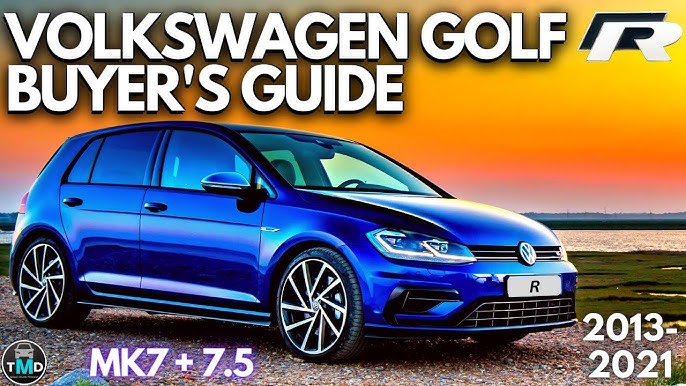
Early MK8 Golf Rs are full of unpolished tech. Many owners hope software updates will solve their problems, but hardware issues can require dealer visits. The 2022 model is best skipped unless you’re comfortable with new car bugs.
Credit: www.youtube.com
Common Problems Across Multiple Years
Some issues aren’t tied to a single year but are common across several Golf R generations. Knowing these can help you spot trouble before you buy.
- Water pump and thermostat housing leaks: The 2.0L turbo engine in most Golf Rs uses plastic water pumps that are known to crack and leak, often before 60,000 miles.
- DSG transmission service: The DSG automatic is fast but needs regular maintenance (fluid every 40,000 miles). Skipping service leads to expensive repairs.
- Carbon build-up: Direct injection engines build up carbon on intake valves. This requires walnut blasting to clean, usually every 60,000–80,000 miles.
- Electronic gremlins: As the Golf R gained more tech, electrical glitches became more common, especially in models with digital dashboards and advanced driver aids.
Golf R Years That Are More Reliable
Not every Golf R year is risky. Some years are known for better reliability and fewer expensive problems. If you’re shopping for a used Golf R, these are the years most experts and owners recommend:
- 2013 Golf R (late MK6)
- 2017 Golf R (MK7)
- 2019 Golf R (MK7.5)
These years had fewer first-year bugs, and by this time, Volkswagen had fixed most of the major early problems. Buying from these years reduces your risk of big repairs.
Golf R: Reliability Data And Owner Reports
To show how reliability changes from year to year, here’s a summary of owner-reported problems per 100 vehicles for each main model year since 2012, based on data from reliability studies and car forums.
| Model Year | Problems per 100 Vehicles | Major Issue Areas |
|---|---|---|
| 2012 | 34 | Engine, Water Pump, Timing Chain |
| 2015 | 28 | Electronics, Water Pump, Sunroof |
| 2016 | 31 | Transmission, Coolant Leaks |
| 2017 | 17 | Minor Electronics |
| 2018 | 27 | Digital Cockpit, Driver Aids, Paint |
| 2019 | 15 | Minor Electronics |
| 2022 | 38 | Infotainment, Driver Assistance |
Notice that years with all-new technology or the start of a new generation tend to have more issues.
Non-obvious Insights For Golf R Buyers
Many buyers focus only on engine problems or mileage, but there are less obvious things to check before buying a used Golf R.
1. Check Service History For Dsg Transmission
The DSG automatic transmission is excellent when maintained, but it can fail early if previous owners skipped regular fluid changes (every 40,000 miles). Many sellers don’t have records. If you can’t see proof of service, budget for a full fluid and filter change right after purchase.
2. Test All Electronics, Especially Digital Cockpit And Infotainment
Newer Golf Rs have complex electronics. Don’t just start the car and drive—test every button, knob, and screen. Try the Digital Cockpit, climate control, backup camera, and all safety features. Glitches can be annoying and expensive to fix, especially if your car is out of warranty.
3. Look For Water Stains Or Musty Smells
Golf Rs with sunroofs or windshield leaks can develop mold under the carpet. This is often hidden after a quick detail but comes back after rain. Water under the seats or a musty smell are red flags.
4. Beware Of Modified Cars
Many Golf Rs are tuned for extra power. While modifications are fun, they add stress to the engine, transmission, and AWD system. Unless you know the quality of the work, stock cars are usually safer buys.
5. Pay Attention To Recalls
Some years had recalls for airbags, fuel systems, or software. Ask for proof that recall work was done. You can check open recalls using the car’s VIN on the official NHTSA website.
How To Spot A Good Used Golf R
Buying a used Golf R can be rewarding if you know what to look for. Here are the most important steps:
- Get a pre-purchase inspection (PPI): Have a Volkswagen specialist check the car before you buy, especially the engine, transmission, and electronics.
- Check for full service history: A well-documented car is less likely to have hidden problems.
- Drive at different speeds: Test the car from a cold start, listen for rattles, and check for smooth shifting and acceleration.
- Scan for error codes: Many issues are stored in the car’s computer even if the check engine light is off. A quick scan can reveal hidden problems.
- Avoid cars with heavy modifications: Unless you want a project, stock or lightly modified cars are lower risk.
Golf R Maintenance Costs: What To Expect
Owning a Golf R is fun, but it’s not cheap. Annual maintenance is higher than a regular Golf due to the performance parts and all-wheel-drive system.
- Oil changes: $100–$150, every 5,000–10,000 miles.
- DSG fluid service: $350–$500, every 40,000 miles.
- Brakes: $400–$900 for pads and rotors.
- Water pump replacement: $800–$1,200 if it leaks.
- Carbon cleaning: $500–$900, every 60,000–80,000 miles.
Unexpected repairs can be expensive, especially for DSG or electronic issues. Extended warranties may be worth it for MK7. 5 and MK8 cars.
Credit: www.copilotsearch.com
Golf R Vs. Other Hot Hatches: Reliability Comparison
If you’re considering a Golf R, you might also look at rivals like the Subaru WRX STI or Honda Civic Type R. Here’s how their reliability compares:
| Model | Average Annual Repairs | Common Issues |
|---|---|---|
| Golf R (MK7, MK8) | $700–$1,100 | Water pump, electronics, DSG |
| Subaru WRX STI | $800–$1,300 | Head gaskets, turbo, clutch |
| Honda Civic Type R | $600–$900 | Cooling, brakes, paint |
The Golf R is not the cheapest to maintain, but it’s not the worst either. It sits in the middle—more reliable than an STI, but not as simple as a Civic Type R.
Should You Buy A Used Golf R?
Buying a used Golf R is a great choice if you want an everyday car that’s fast and practical. But some years are best avoided due to their higher risk of expensive problems. If you want the lowest risk, look for a 2013, 2017, or 2019 model. Avoid first-year models of new generations (2012, 2015, 2022) and be careful with 2016 and 2018 due to known issues.
Remember, even the best Golf R needs careful maintenance and a little luck. If you find a well-kept example with full service records and a good pre-purchase inspection, you’ll enjoy a car that puts a smile on your face every drive.
For more details on Golf R reliability and maintenance, check out this Consumer Reports page.
Frequently Asked Questions
What Is The Most Reliable Golf R Year?
The 2017 Golf R is often considered the most reliable in recent years. By this time, Volkswagen had fixed earlier issues with the water pump, electronics, and DSG transmission. The 2019 model is also highly rated for reliability.
How Long Will A Golf R Last?
With good maintenance, a Golf R can last 150,000 to 200,000 miles or more. Regular oil changes, DSG service (if equipped), and timely water pump or carbon cleaning are key to long life.
Is The Dsg Transmission Reliable In The Golf R?
The DSG transmission is reliable if serviced every 40,000 miles. Skipping service leads to expensive repairs. Early MK7 models (2015–2016) had more transmission issues, but later years are improved.
Are Modified Golf Rs Risky To Buy?
Yes, modified Golf Rs are riskier. Extra power stresses the engine, transmission, and AWD system. Unless you know the quality of the modifications and have full records, a stock car is usually a safer bet.
What’s The Biggest Issue With Used Golf Rs?
The most common major issue is water pump and coolant leaks. These can happen as early as 40,000 miles and lead to overheating or engine damage if not fixed quickly. Always check for leaks and service records before buying.
A used Golf R can be a fantastic buy or a money pit—it all depends on choosing the right year, careful inspection, and proper maintenance. Do your homework, and you’ll have a car that delivers both excitement and everyday comfort.